In December of 2016, I set out to backpack through Italy on my own for a few weeks. Having traveled there before, I wanted to revisit places I loved and explore new corners of the country. Hiking the five villages of Cinque Terre had long been on my bucket list, and when ‘A’ unexpectedly decided to join me for five days, I knew that was what we would do. One evening, by some twist of luck, I managed to fifth-wheel my way into dinner with two American couples at the only open restaurant in Positano during the off-season. Over wine and pasta, they casually mentioned that Cinque Terre was unusually quiet and dull at that time of year.
Wanting to make the most of ‘A’s’ first experience in Italy, I decided to adjust our itinerary. I shortened our time in Cinque Terre and added Venice, even though I hadn’t particularly longed to revisit the city myself. I reasoned it was a once-in-a-lifetime sight for him, and afterward, we could still make it to Cinque Terre for the hike I had been dreaming about. Yet after just 24 hours in Venice, I watched as ‘A’ fell completely under the city’s spell. As we carried our suitcases across tiny bridges toward the train station, he looked at me and said, “Let’s stay an extra day.” My first instinct was to resist; this wasn’t the plan. But something inside me shifted—I chose to release my expectations, to embrace the present moment, and simply allow life to unfold.
So we stayed in Venice. Letting go of my plans brought a sense of freedom and joy I hadn’t anticipated. We wandered, laughed, and soaked in the city without the pressure of schedules. I never got to hike all five villages of Cinque Terre, though I did manage to drag him along for a short hike between Vernazza and Monterosso. Little did I know, a month later, ‘A’ would be diagnosed with inoperable, terminal pancreatic cancer. In those months following his diagnosis, he often said, “No matter what happens, we will always have Venice.” And in that simple statement, I found a deep, abiding truth about love and memory.
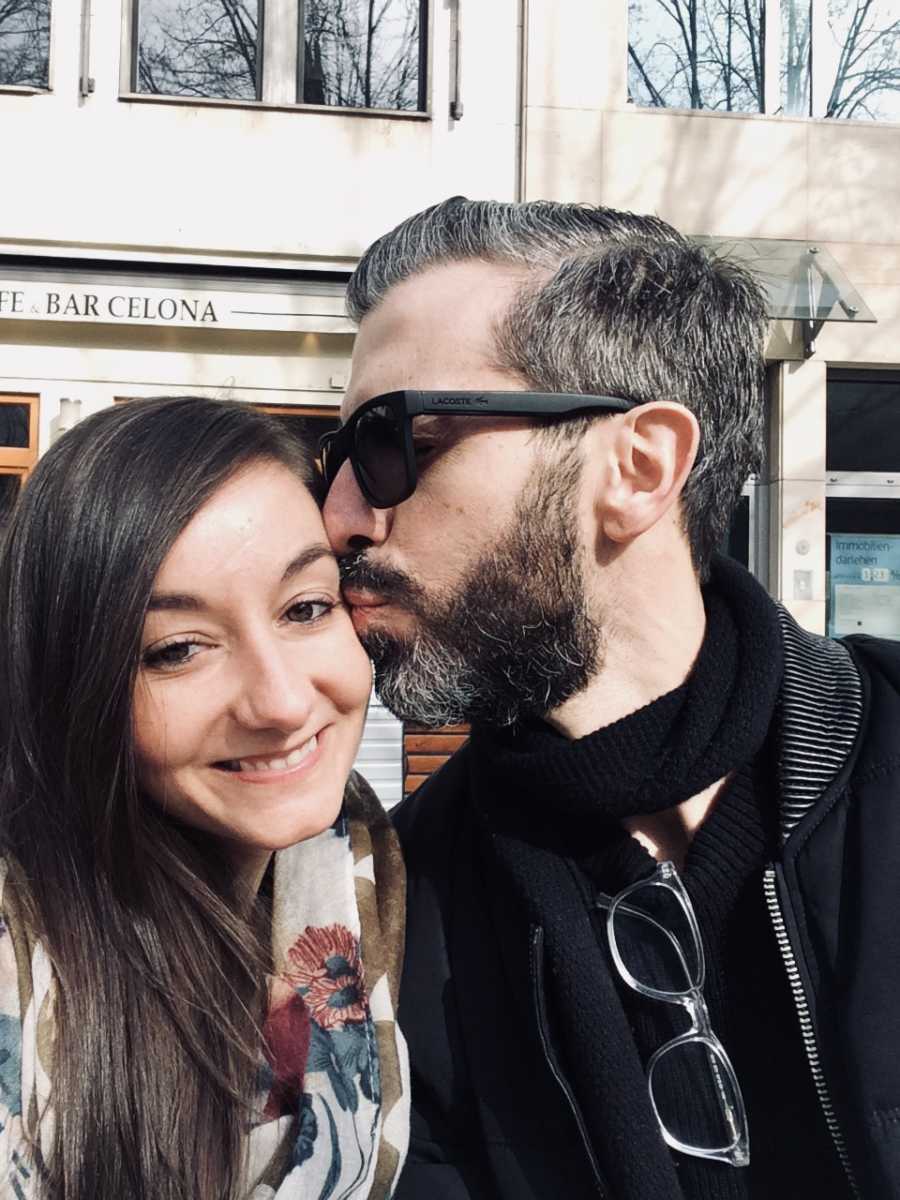
‘A’ and I met at the most inconvenient time in both our lives. We were each juggling major changes, and falling in love was far from either of our plans. Yet from the moment we met, there was an undeniable pull, a magnetic force that drew us together. I often tried to create distance, but he would have none of it. It felt as though he could see right through my carefully constructed facade, straight to my soul. Our love was immediate, visceral, unavoidable. Neither of us was ready, yet neither could resist it.
When ‘A’ received his terminal diagnosis, I felt an overwhelming certainty that I was meant to walk with him through the journey from life to death. Without hesitation, I took a leave of absence from work and never left his side until the day he passed. This realization gave me purpose amid heartbreak. Our love had always been a force of nature, and now I understood why: I was meant to embody love, hope, and presence for him in the face of unimaginable suffering. It gave meaning to the soul-crushing pain of watching cancer consume the person I loved most.
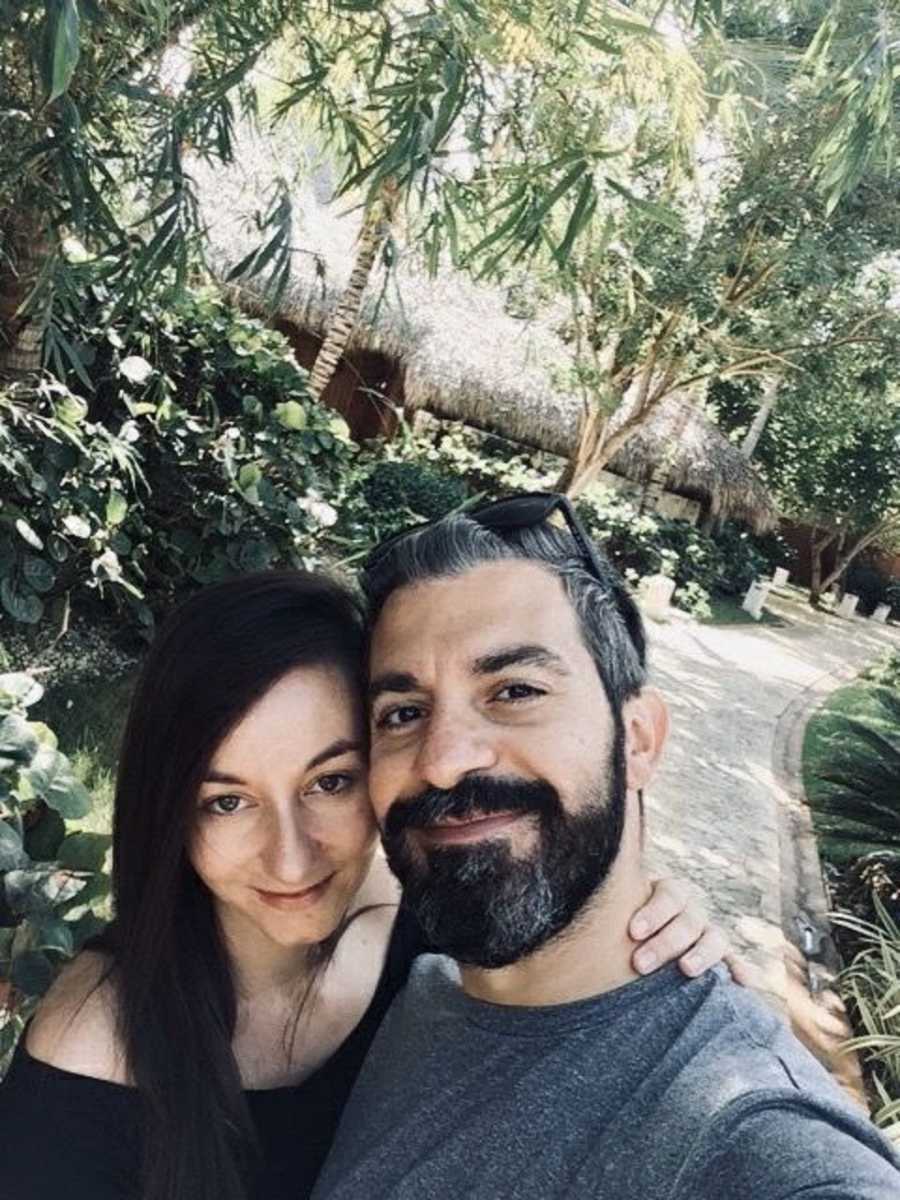
His illness began subtly. I remember the exact moment: sitting across from me at our favorite local restaurant, he set down his wine glass and pressed his hand to his upper abdomen, wincing. “I think I’m having some heartburn,” he said. Over the weeks, the pain became more frequent, yet I dismissed it at first. ‘A’ was someone who could stay in bed for days over a mild cold. I offered Tylenol and carried on with life. But as his symptoms worsened—trouble eating, sleeping, and losing 20 pounds—I insisted he go to the emergency room.
At first, doctors diagnosed an ulcer and prescribed medication. But as the weeks passed, he grew thinner, restless, and in constant pain. I would hear him doing push-ups in the living room at 2 a.m., the only way to distract his body from agony. When the pain became unbearable, I went with him to the ER, insisting we see a specialist. We were naïve, clinging to the hope that it was something minor. I remember him wrapping me in his arms as we waited for the elevator after a test, joking, “As long as it isn’t my pancreas… otherwise I’m a goner.” We laughed, blissfully unaware of the truth.
After a grueling 16-hour day in the ER and multiple tests, a young doctor led us to a small private room. There, with gentle but heavy eyes, she revealed a large mass on his pancreas. I cried silently while ‘A’ remained calm. When he tried to coax the doctor into saying it was cancer, she refused. But he knew. He had always been deeply attuned to his body and to the universe, and in that instant, he understood he was facing death.
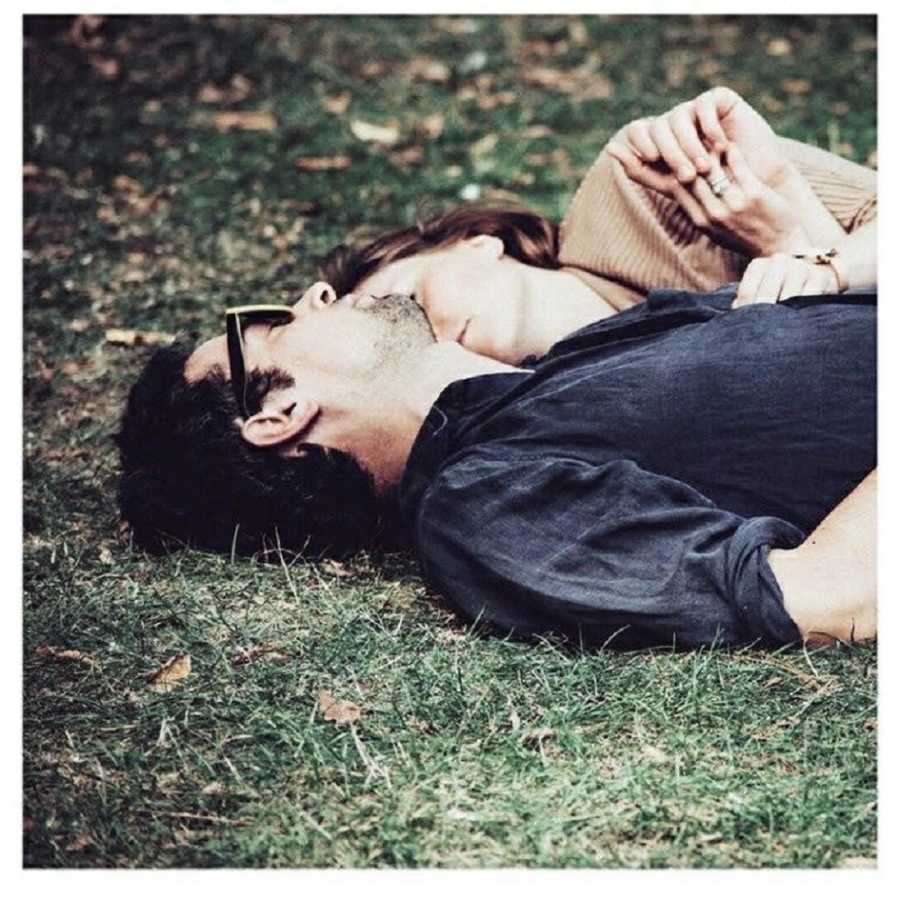
In the winter following his diagnosis, we clung to hope. Perhaps he could beat the odds—be part of the rare 9% of pancreatic cancer patients still alive five years later. Surgeons and oncologists, kindly yet regretfully, explained there was little that could be done. The suggested chemotherapy was grueling, designed to ease suffering and perhaps extend life by mere weeks. We embarked on the treatment together, navigating its demands at the hospital and at home, attached to his body and our shared reality.
We traveled to Germany for experimental treatment, delivering chemotherapy directly into the tumor in hopes of shrinking it enough to qualify for a Whipple surgery. But as spring arrived, cancer had begun its relentless transformation. His body became gaunt, all sharp edges and visible ribs. I could no longer touch him except for his hands and arms. Our hope shifted: not for a cure, but for more time—just one more day, one more sunrise, one more sunset.
The moments he felt well enough to leave the house were rare. One warm, sunny day, as we walked near our home, he stopped mid-street, closed his eyes, and lifted his face to the sun. People passing by must have thought us crazy, but he was fully present, fully alive in that fleeting, precious moment. When he opened his eyes and hugged me, he whispered, “I am so grateful that I did not miss out on this day.” Even as life slipped away, he embodied gratitude for the simplest pleasures: sunlight, laughter, family, connection.
By summer, hope had transformed again. We now hoped for a good death—one lived on his terms, with dignity and grace. It was an honor to walk with him through that transition, witnessing a profound act of love and humanity. In August, under clear blue skies, I watched the funeral coach drive away, carrying him from my life. I feared losing the strength we had shared, facing grief alone. I numbed myself at first, but gradually, I allowed myself to feel the full weight of loss.
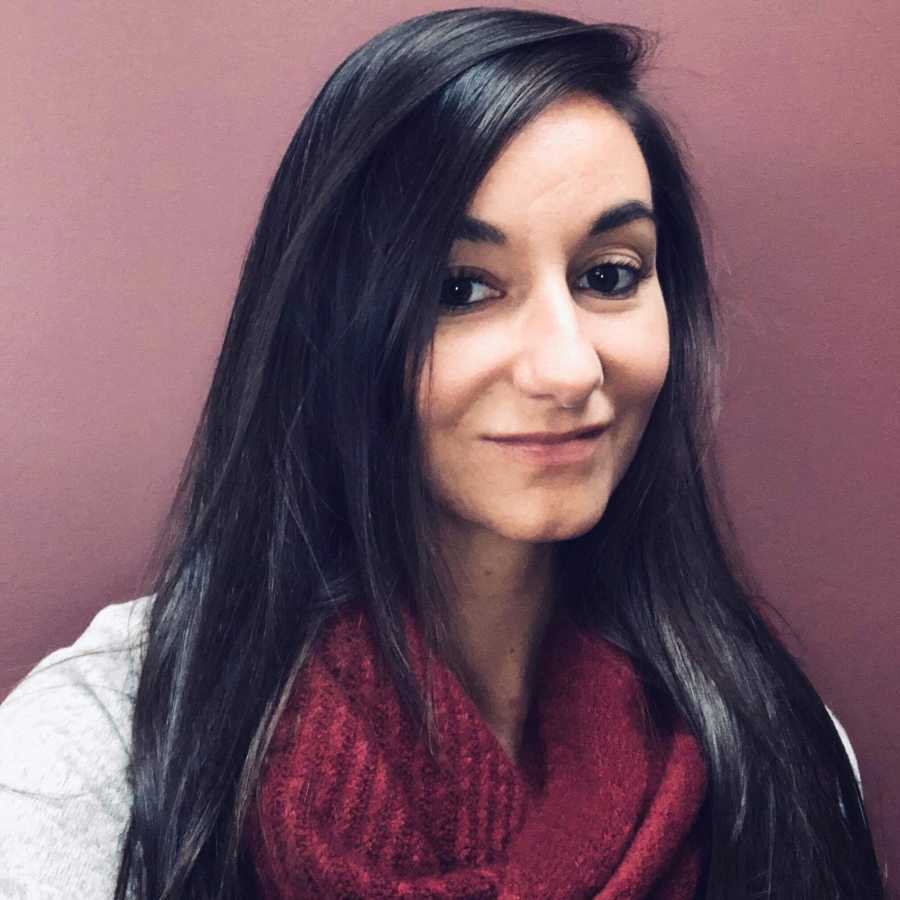
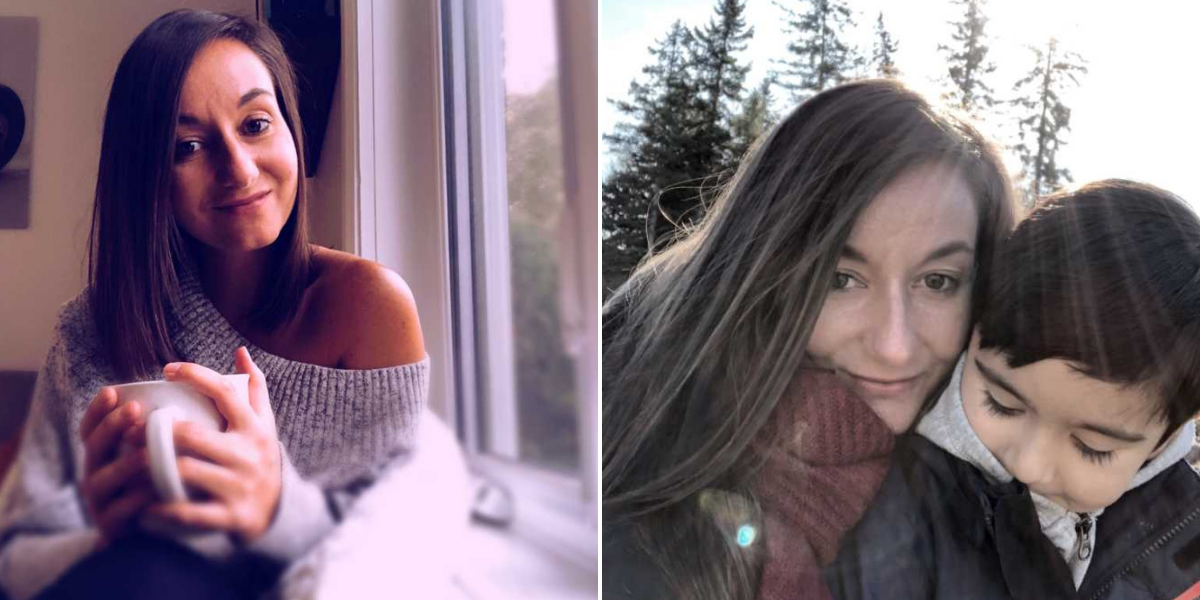
Through this grief, I found a path back to myself. Pain no longer controls me; I consciously choose to live fully, inspired by his lessons. Approaching the three-year mark since his passing, I have built a community of women navigating loss, teaching that grief can be a portal to transformation. Pain is not weakness—it is a tool for personal growth and empowerment. Grief can anchor us, reveal our deepest truths, and guide us toward a meaningful life, just as it has for me.