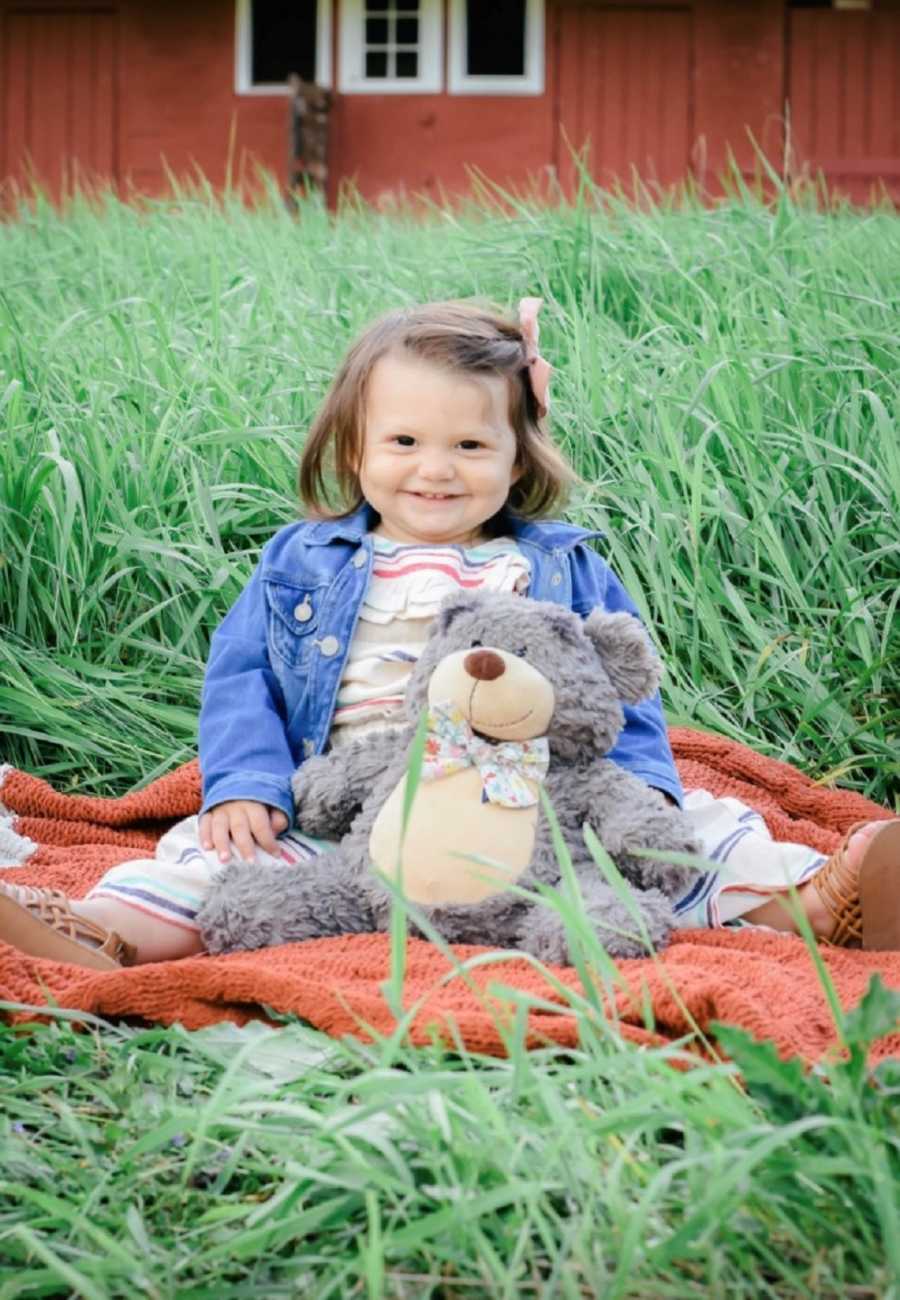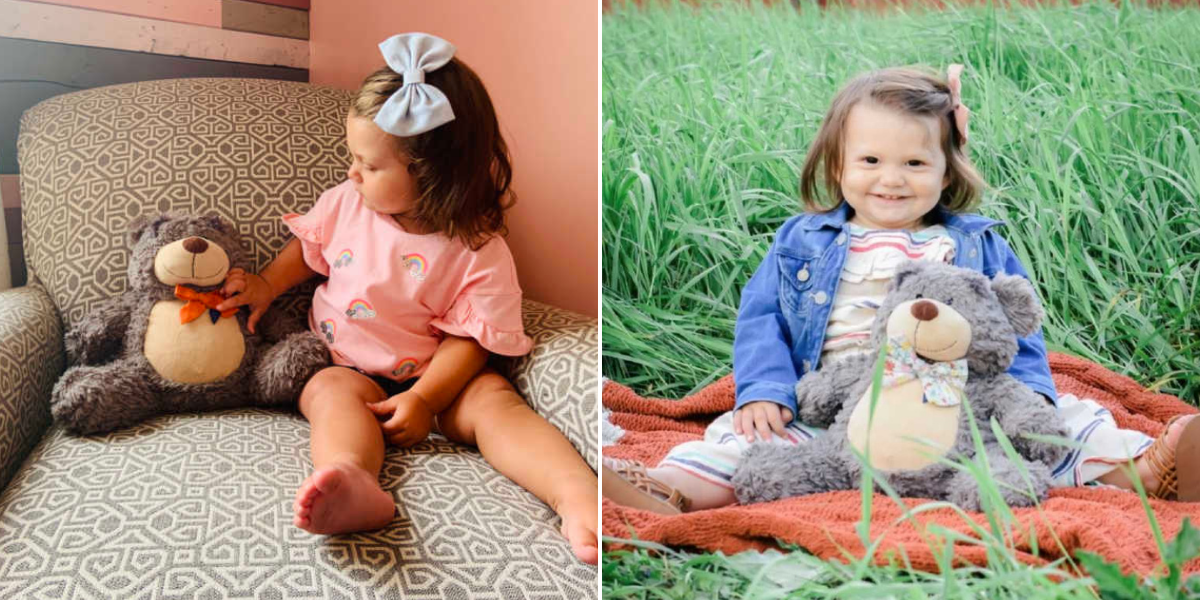
A few weeks ago, my daughter Mila and I went to the mall. It’s her favorite place to run around, explore, and play. That day, she was waving at everyone she passed, her little arms flailing with joy. Her energy caught the attention of an older couple nearby, who stopped to chat. They told me how friendly and adorable she was, asked her age, and commented that she was big for her age. Then came the inevitable question:
“Is she your only one?”
I felt a quiet pause settle over me as I carefully considered my words.
“Nope. She has an older brother. He’d be three.”
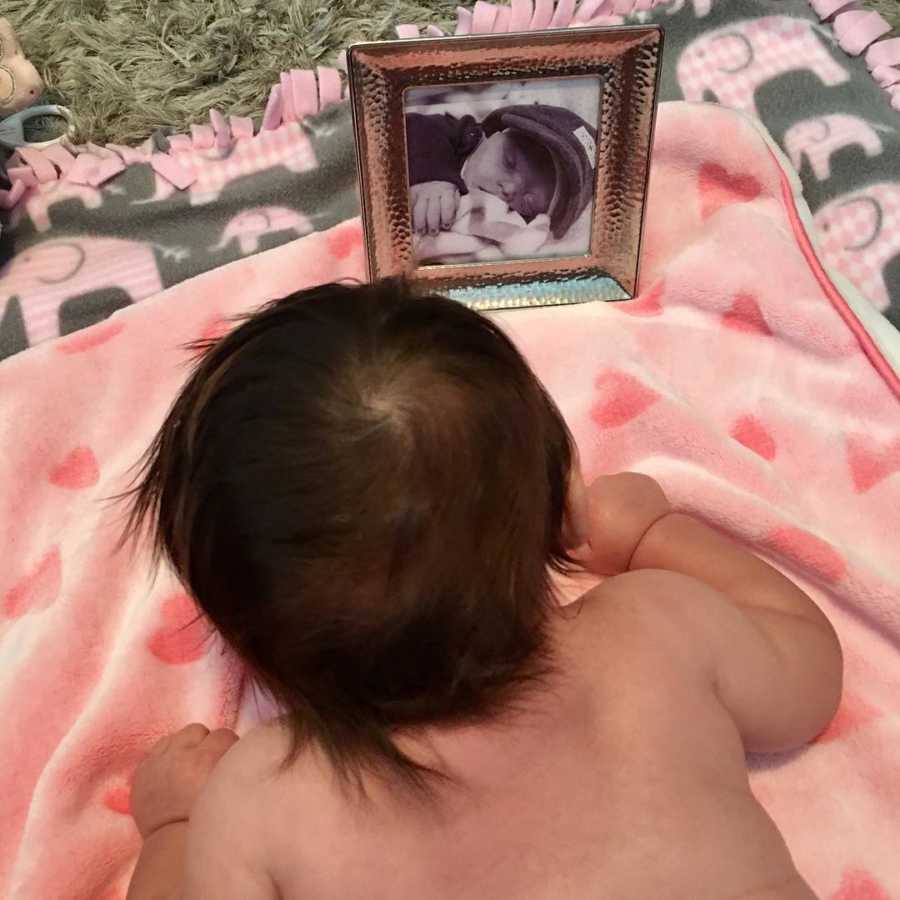
Usually, a past-tense answer like that ends the conversation. But sometimes people keep going.
“Oh, I bet they love to play together. Siblings make such wonderful friends when they grow up.”
I forced a nod. I wasn’t embarrassed by my son Jensen’s death—I talk about him often and advocate for stillbirth awareness—but that day, I didn’t have the strength to say it out loud. It felt like a deep ache inside me, but I let it go unsaid. The couple smiled and continued talking about how two kids keep each other occupied, oblivious to the weight of my silence. I let my mind drift, watching Mila giggle and run around, and I stopped listening.
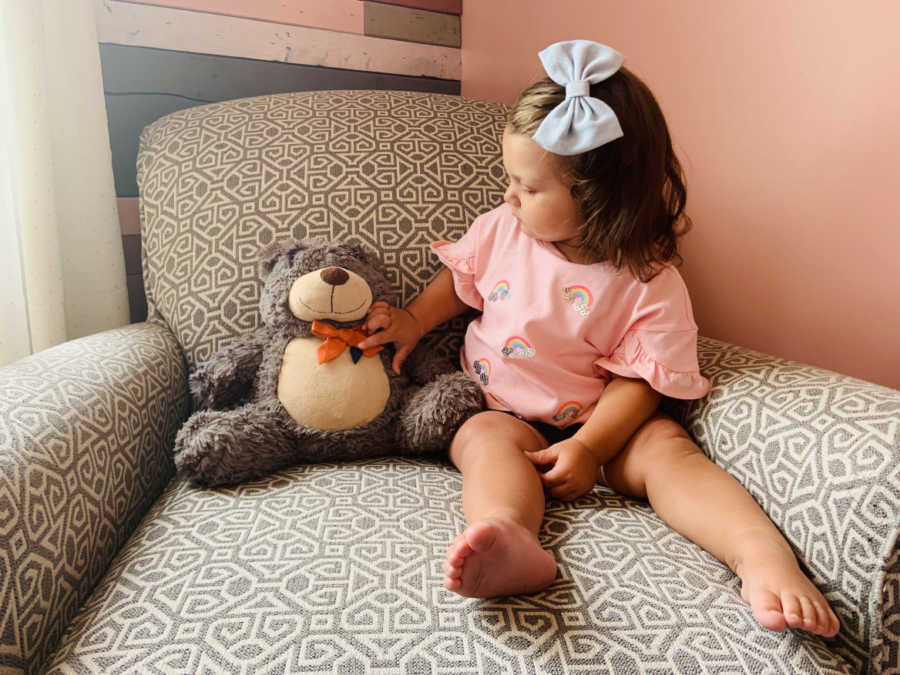
Sometimes I wonder what would have happened if I had just said, “My son died,” and walked away. Would their faces have shifted in understanding? Would they have realized that intrusive questions can hurt those of us who’ve experienced loss or infertility? Probably not. Most would have chalked it up to bitterness, and maybe that’s why I held my words back that day.
There was a time in my grief when I would answer directly. “Yes, I have a son. His name was Jensen, and he died.” I would say it plainly: “I have children, but he’s not in my arms.” Sometimes I said it for the shock factor. Other times, I just needed to speak his name out loud. I loved it when people asked, because it gave me a chance to honor him. Often, they would share their own losses or stories of someone they loved who had suffered. It became a connection, a way to acknowledge grief together.
Answering that question has been different since Mila arrived. I usually say I have two children and speak about Jensen in the past tense, hoping it’s understood. But with Mila, a new, well-meaning response often appears:
“At least you have her with you.”
I’ve lost count of how many times I’ve heard this, and it never fails to hurt. I am so incredibly grateful for Mila, more than words can express—but there is no “at least” with child loss. Yes, I have her here with me, but I also have a big, empty space where her brother should be. Jensen should be running through the mall beside her, showing her the best hiding spots, giving her love, teaching her about life. Moms shouldn’t bury their babies. Siblings shouldn’t grow up missing each other.
I wish I could be strong every time, answering like this:
“No. She’s not my only one. She has a big brother named Jensen who is in heaven. He should be here playing with her every day. I’m grateful to have her, but I wish he could be here too.”
Some days, I am that strong. Other days, I simply nod. Some days, I’ll speak about Jensen at length if someone is willing to listen. Grief doesn’t come in neat, consistent packages. But I hope one day, people will sense when someone is open to talking about their children. Baby loss should not be a taboo subject—it is a reality for so many of us, and it’s okay to speak the truth about it, to remember, to honor, and to grieve out loud.