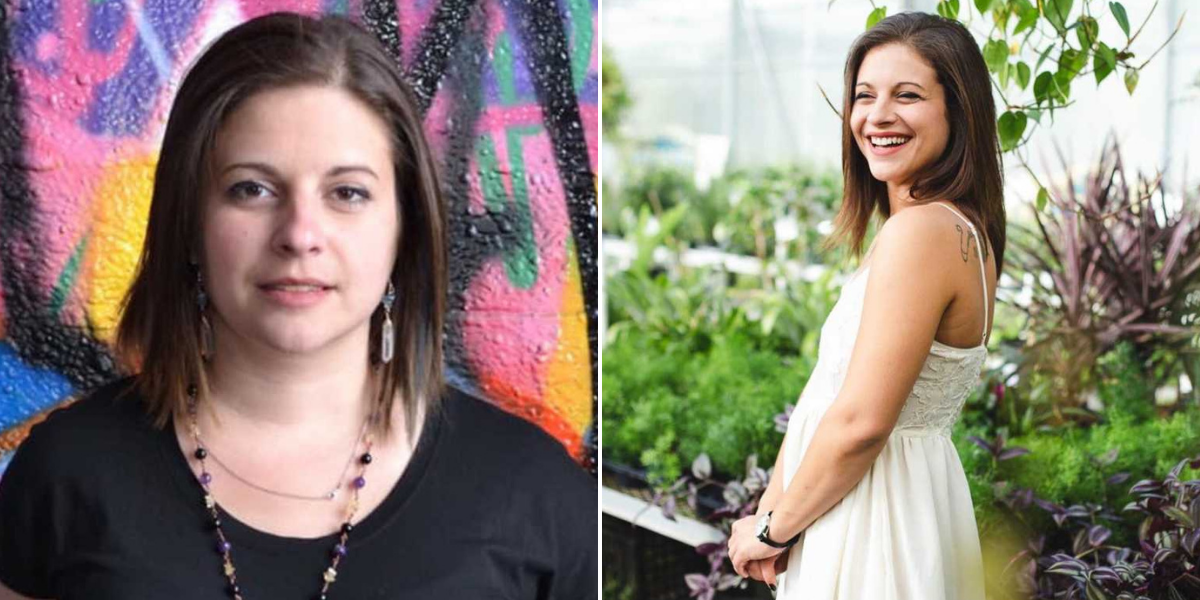
When I turned 27, I was terrified of dying. I was convinced that would be the year my body would finally give out under the weight of how much alcohol I was consuming—straight vodka, every single day and night. I knew it was ruining me. I knew it was slowly killing me. I also knew I wasn’t capable of “cutting back” or “moderating.” I had no idea how to actually quit, and truthfully, I didn’t want to quit. Day by day, my drinking escalated far beyond what I ever imagined, and somewhere along the way, I became disturbingly okay with the idea of dying.
I didn’t die during my 27th year. Somehow, I survived—but in my 28th year, I came terrifyingly close. I kept asking myself: How did I get here? How did it come to this?
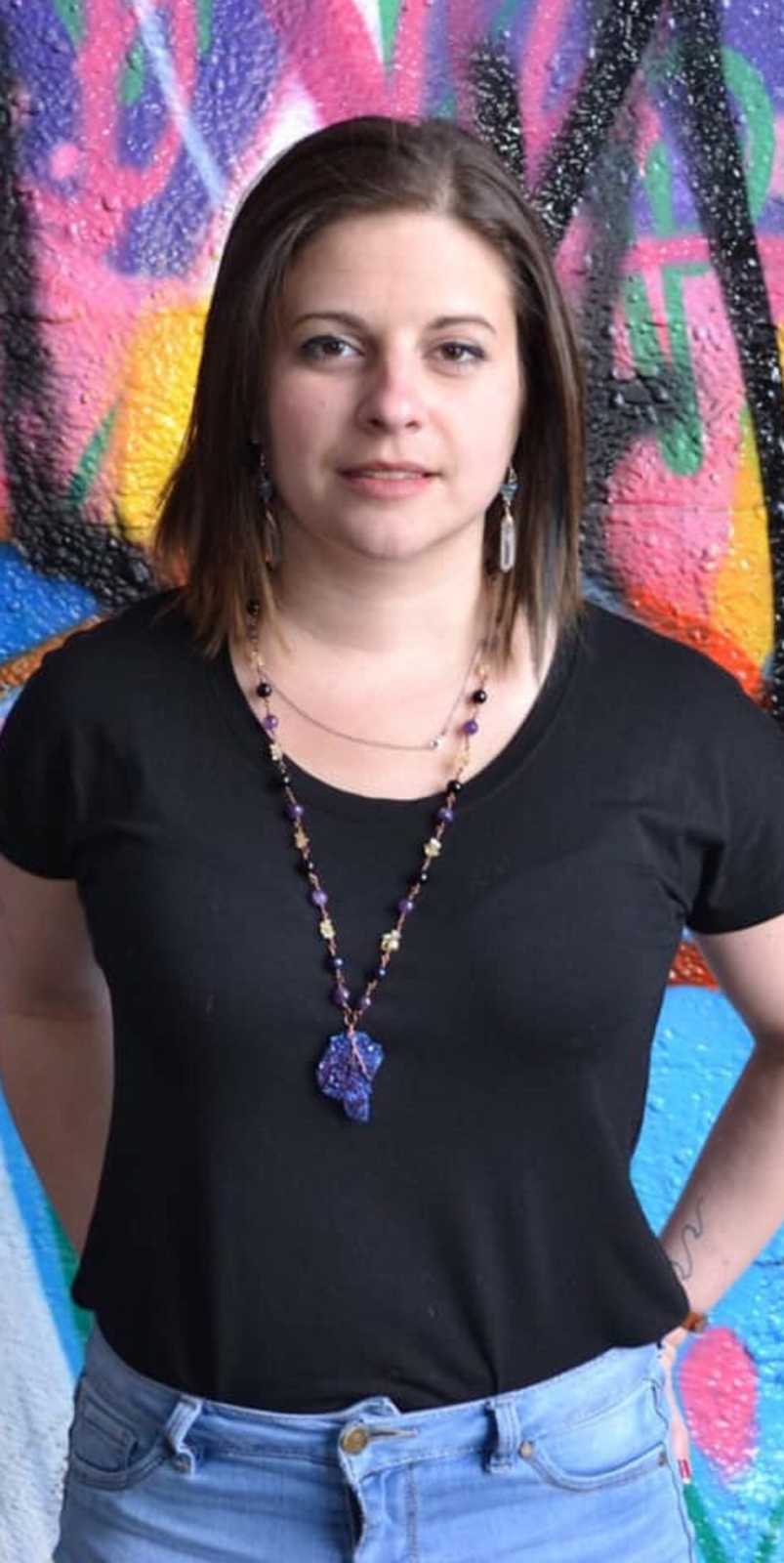
It all started with my first drink at 16. What began as innocent weekend partying in high school turned into pressuring friends to take shots on college weeknights, then into all-day Sunday hangovers after graduation. I drank for everything. Give me the drink and I could do anything. Give me the drink and I’d feel better. Depressed? Celebrating? Eating dinner or lunch? There was always a reason to cheers.
I moved to Philadelphia for a fresh start—to chase my dream of being a musician, to be a free spirit, to find my destiny. But the truth was, my life revolved around alcohol. Drinking at brunch. Blacking out at concerts. Pre-gaming for absolutely everything. One day it hit me: I was drinking every single night, and I had been for a long time.
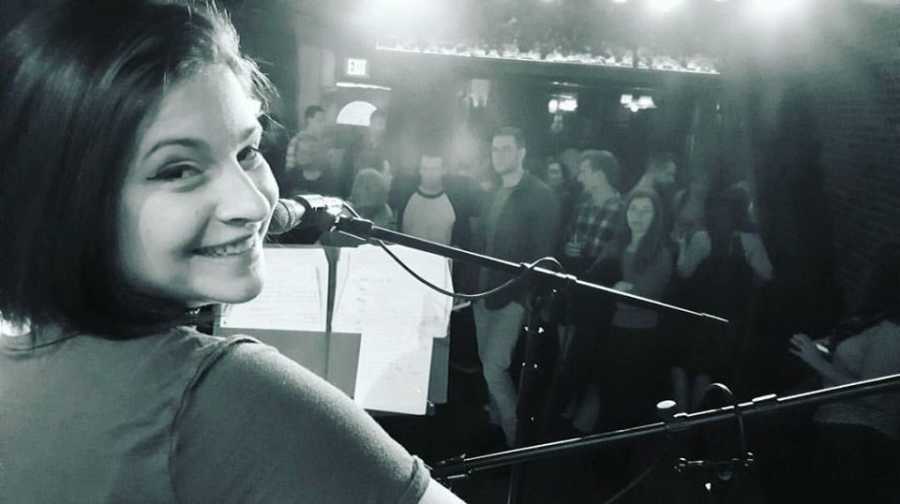
At first, parties didn’t feel like parties without alcohol. Eventually, life itself didn’t feel like life without it. I drank just to function—or at least to feel like I was functioning. For a while, alcohol gave me energy and confidence. It made everything feel easier, deeper, more beautiful. Until one day, it stopped working. And although I wish I could say that’s when I quit, I couldn’t. I kept filling in the blanks of my life with more and more alcohol, only to find more emptiness staring back at me. Everything was foggy. Everything was burning. I felt like I couldn’t breathe.
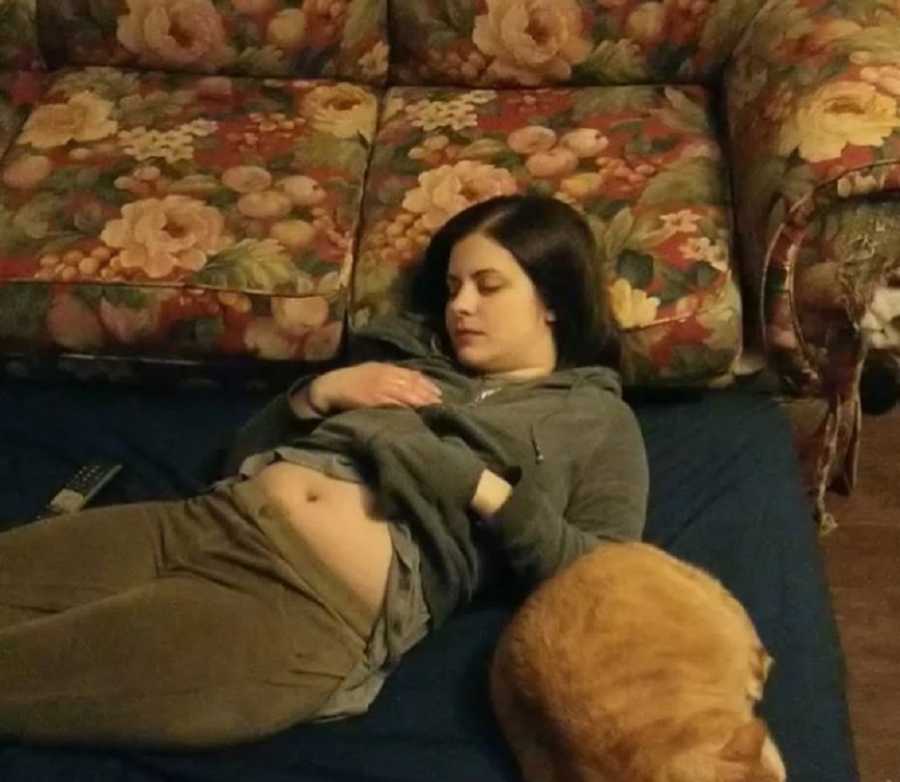
I felt sick all the time. Daily hangovers. Constant nausea. Food lost its taste, and I barely ate. One day I realized I hadn’t gone a single day without vomiting in months—maybe a year, maybe longer. Morning, midday at work, at night when I got home. I was in constant withdrawal. Alcohol was the only thing that made me feel “better.” I needed to drink just to stop feeling sick, and eventually, I needed to drink a lot.
Then one morning, after drinking before work, I had a seizure.
It wasn’t what I thought seizures looked like. I didn’t fall or convulse. Instead, my hands cramped shut. I couldn’t open them or straighten my arms. My jaw locked, my mouth felt wired closed, and I couldn’t speak no matter how hard I tried. I didn’t know what was happening—I assumed it was just another fainting episode, because fainting had become normal for me. At the hospital, I was too afraid to tell the truth about my drinking. The doctors didn’t seem alarmed. They gave me potassium pills and blamed it on a vitamin deficiency. No one realized I’d had a seizure. I was terrified that honesty would get me locked away.
By then, my life was a series of lies and blackouts. I hid bottles from my roommates. I hid how much vodka I drank. I tried to hide the vomiting. I was obsessed with making sure no one found out. That fear—of being exposed—was stronger than my fear of dying.
After the seizure, I tried to keep drinking. But my roommate and best friend confronted me. She told me that if I didn’t get help or move out, she would leave. I never imagined my life would reach that point, but that was the moment everything changed. Her ultimatum felt like being caught. And once I was caught, I couldn’t pretend anymore. The curtain fell. The weight lifted. The truth was out. I knew I could not die like this.
That week, I checked myself into a detox facility. For five days, I was monitored around the clock as I endured the most violent and horrific withdrawal I could never have imagined. I knew how bad I felt without a drink for an hour, but nothing prepared me for this. They told me I had suffered an alcohol-induced seizure. They told me my brain was swollen, my hormones completely off, and my liver likely in terrible condition. They fed me, clothed me, and cared for me like a child. They saved my life. And in that moment, I decided I would never drink again.
At first, I thought quitting alcohol would fix everything—and honestly, it fixed a lot. Nearly everything bad got better. But alcohol had been my solution to every problem for years, and removing it meant I had to learn new ways to cope. I had to face anxiety, stress, and trauma head-on. I had to relearn how to live.
Days turned into weeks, weeks into months, and sobriety gave me clarity for the first time in years. Once I surrendered, the blanks in my life began to fill on their own. The emptiness faded and was replaced with experiences that gave my life meaning. Things I never thought I wanted became sources of hope. Life kept moving—and I realized it never needed alcohol to work.
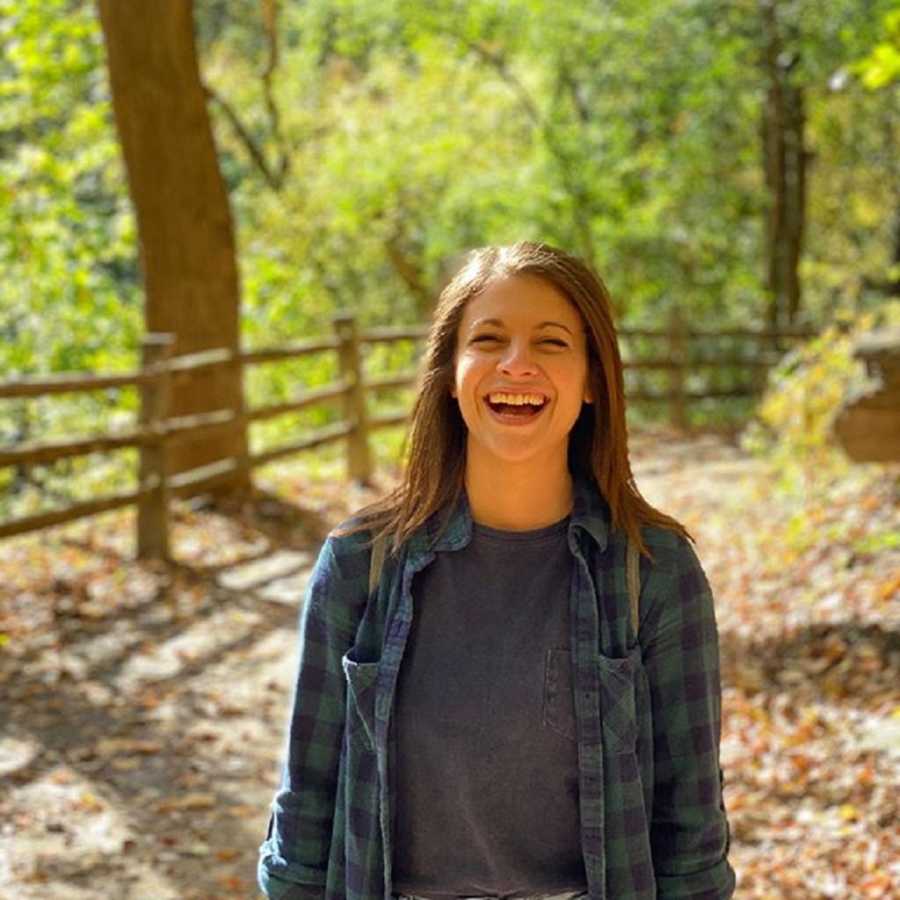
For so long, alcohol felt normal, necessary, even fun. Now, with distance from my nightly double shot of vodka, neat, I can truly see how good life can be on its own.
Today, I’m intentionally building a life that means something. I understand now that what I do in a day becomes my week, my month, my entire life. I started my own full-time dog walking and pet sitting business. I’m writing new music again. I have my own one-bedroom apartment. I read books. I write. I hike in Wissahickon Park. I spend time with friends and family.
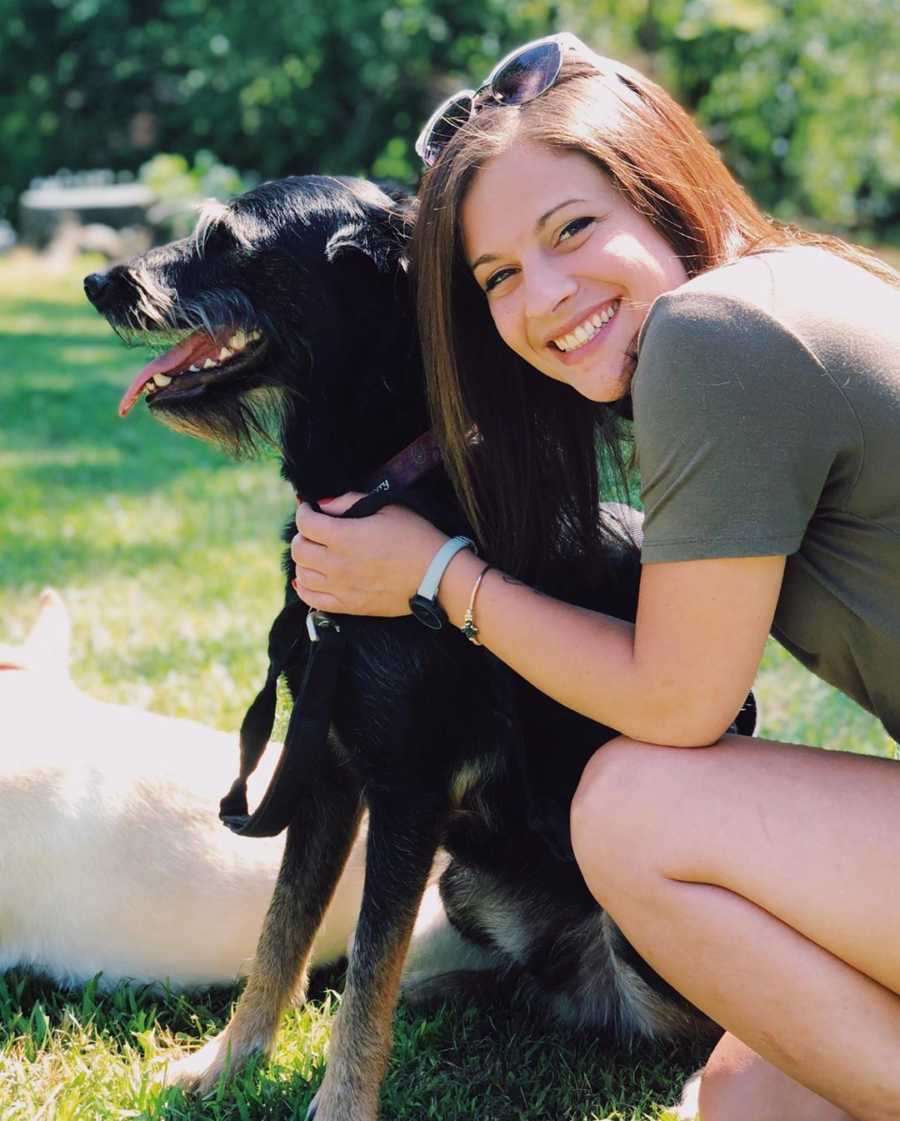
That said, sobriety hasn’t been painless. Even five months sober, I still experienced depression, overwhelm, and suicidal thoughts. But this time was different. I talked about it. I learned about what I was feeling. I allowed myself to fully feel without masking my emotions with alcohol. I had tools. I had support. I learned how to be vulnerable—truly vulnerable.
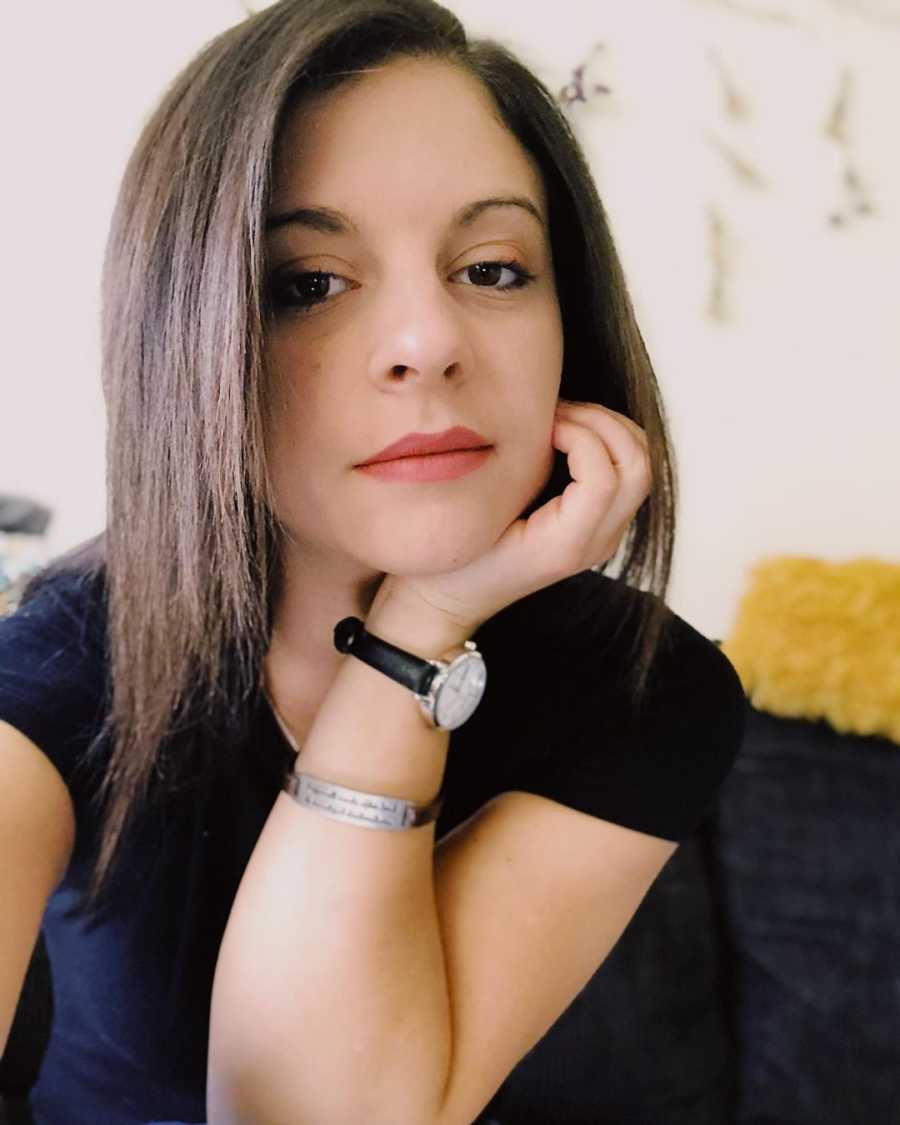
Today, I have over one year free from alcohol. The real gift of sobriety is being able to function as a human again. I can look people in the eyes without wondering if they know how much I drink. I don’t count bottles. I don’t drink before errands, movies, family visits, or work. And the friendships I’ve found in recovery are beyond anything I ever imagined—connections built on shared pain, healing, freedom, and joy.
The greatest gift is being alive. The greatest joy is experiencing life fully, with all the hope this world has to offer.