Opening Our Foster Home
“‘I could never do what you do.’ That’s a sentence I’ve heard countless times.
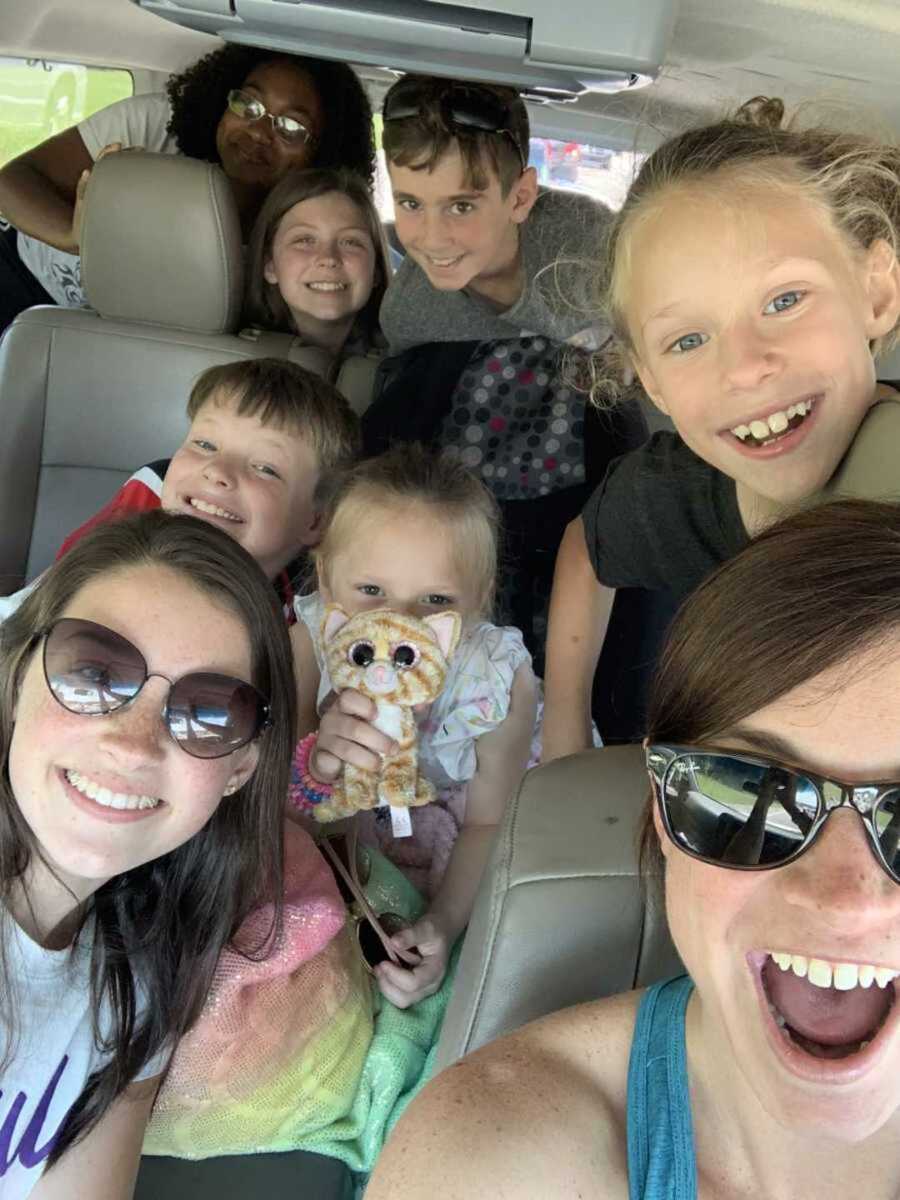
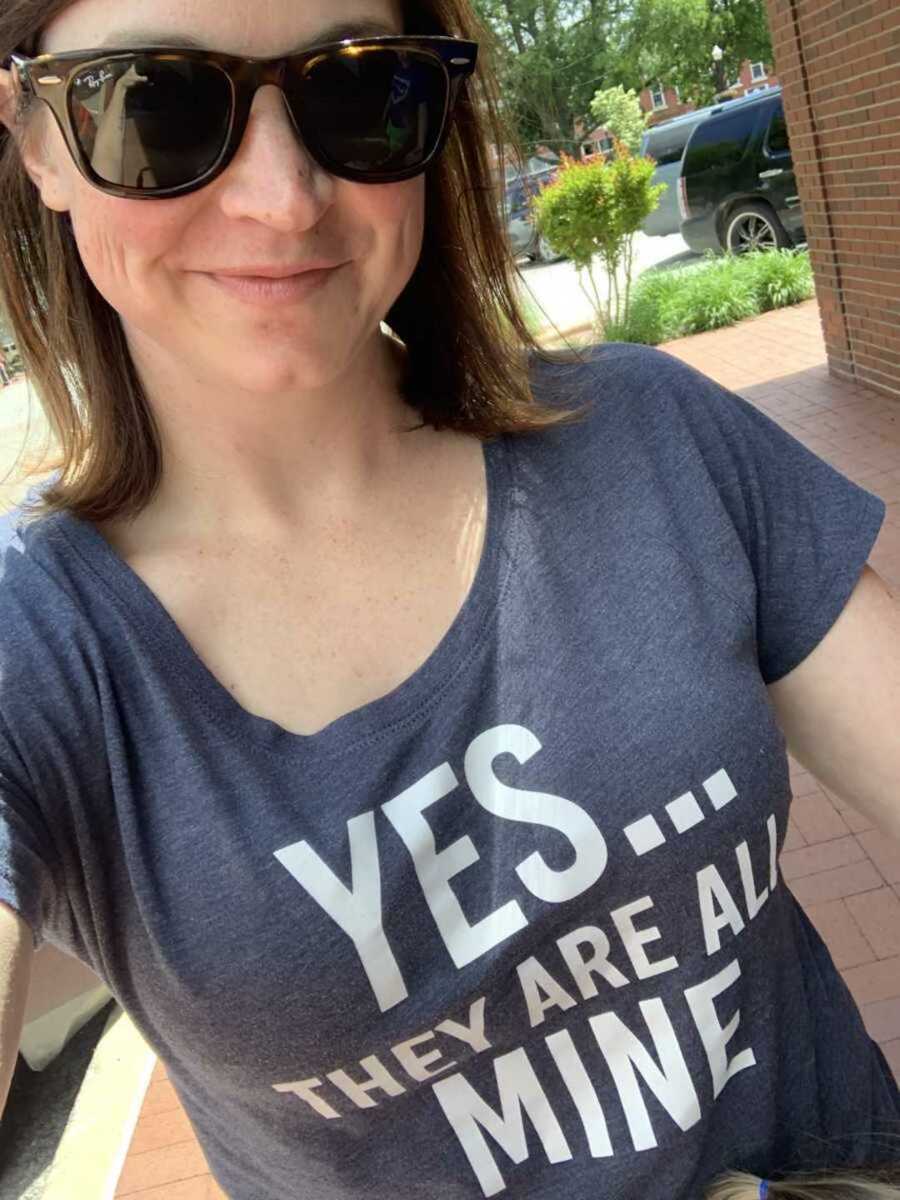
Most of the time, people are talking about foster care when they say it. But sometimes, they mean the whole package: parenting eight kids, being a single parent, raising a child with cancer and another with cerebral palsy… or, for no reason at all, maneuvering a 12-passenger van into a crowded parking lot.
There are many difficult things I’ve been asked to do in this life.
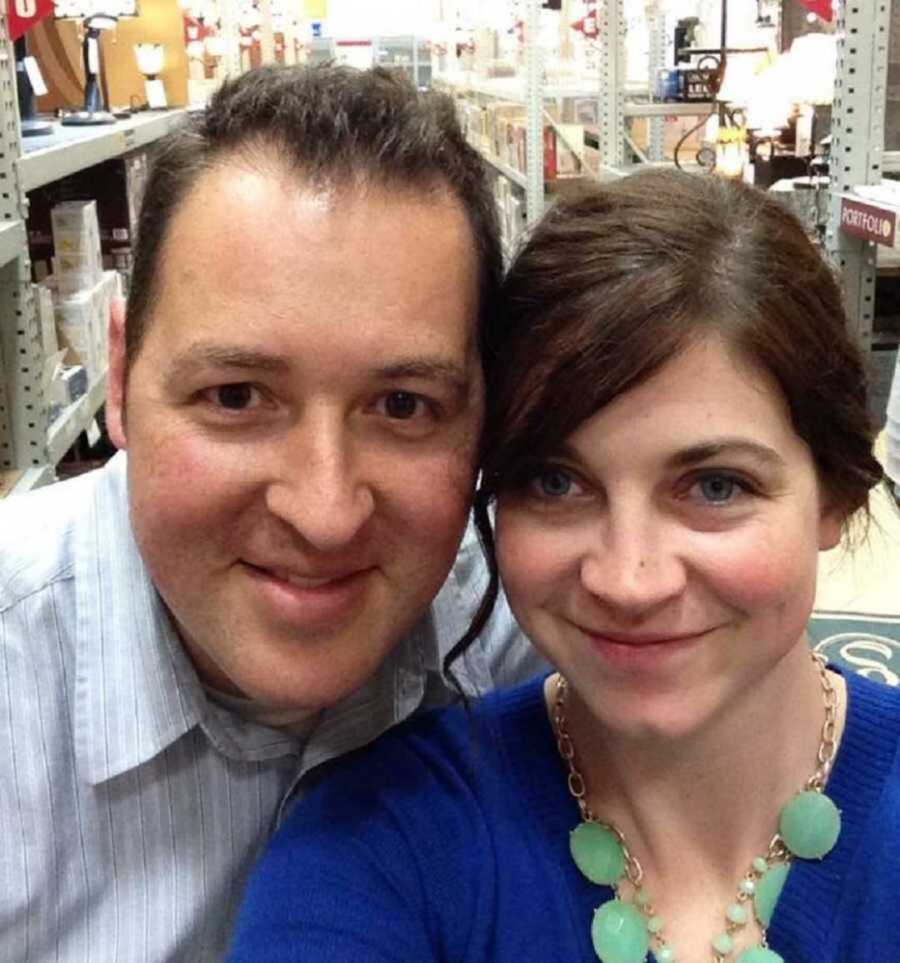
My husband and I married young, and after the birth of our two biological daughters, we decided to open our home to foster care. I had no idea what I was stepping into. The true magnitude of the need for foster homes didn’t hit me until the phone calls started coming in—sometimes multiple calls in a single day. Sometimes I had to say no to children because we simply didn’t have room. Other times, I’d receive repeated calls about the same child, desperate for a placement.
We live in a wonderful community, so I was shocked to learn that a foster care crisis existed right here. I was also unprepared for how isolating foster care could feel. I didn’t know other foster parents, and most of my friends just couldn’t relate. I wanted to find a better way to serve these children, so I started researching—and that’s when I found an organization called The CALL.
I was drawn to their model of partnering with local churches and DCFS to recruit, train, and support foster and adoptive families. I was inspired to bring that model to my community, and over time, it grew into a job I love. To date, our organization has opened over 560 foster and adoptive homes in the last nine years, building a thriving, supportive community where no foster family has to feel alone.
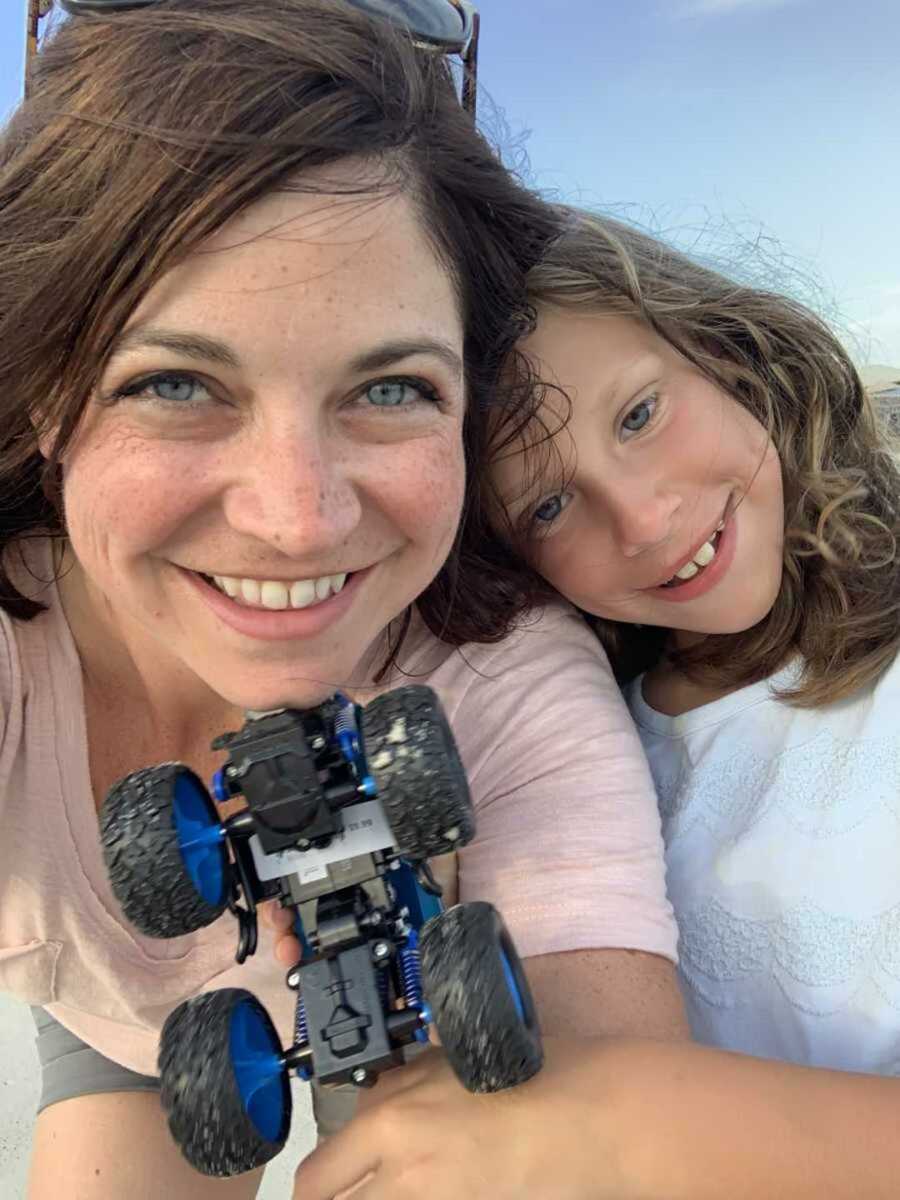
Originally, we planned to take only two children around the ages of our daughters. But it was impossible to say no when a scared child was waiting in a caseworker’s office, uncertain and alone. Over eight years, more than 25 children and teenagers came in and out of our home. Most of them didn’t fit our original plan. Sexually abused children? Yes. Angry, violent teenagers? Absolutely. The birth order of our family shifted almost immediately. And yet, we have zero regrets about any of those placements.
Adoption Journey
Our first adoption came a year after opening our home: a nine-month-old baby boy. Six months later, we adopted a one-year-old boy, and just six months after that, we added a 17-year-old girl to our forever family, bringing our total to five children.
We fostered for a while longer, but eventually closed our home temporarily. Our oldest daughter had a teenage brother still in care, and we wanted to keep a spot open for him. Also, our first adopted son had a sister who had nearly come into care several times, and I felt a pull to keep a place for her if she ever needed us.
A year later, we welcomed that teenage boy into our permanent family and closed our home again—at least until we could buy a bigger house.
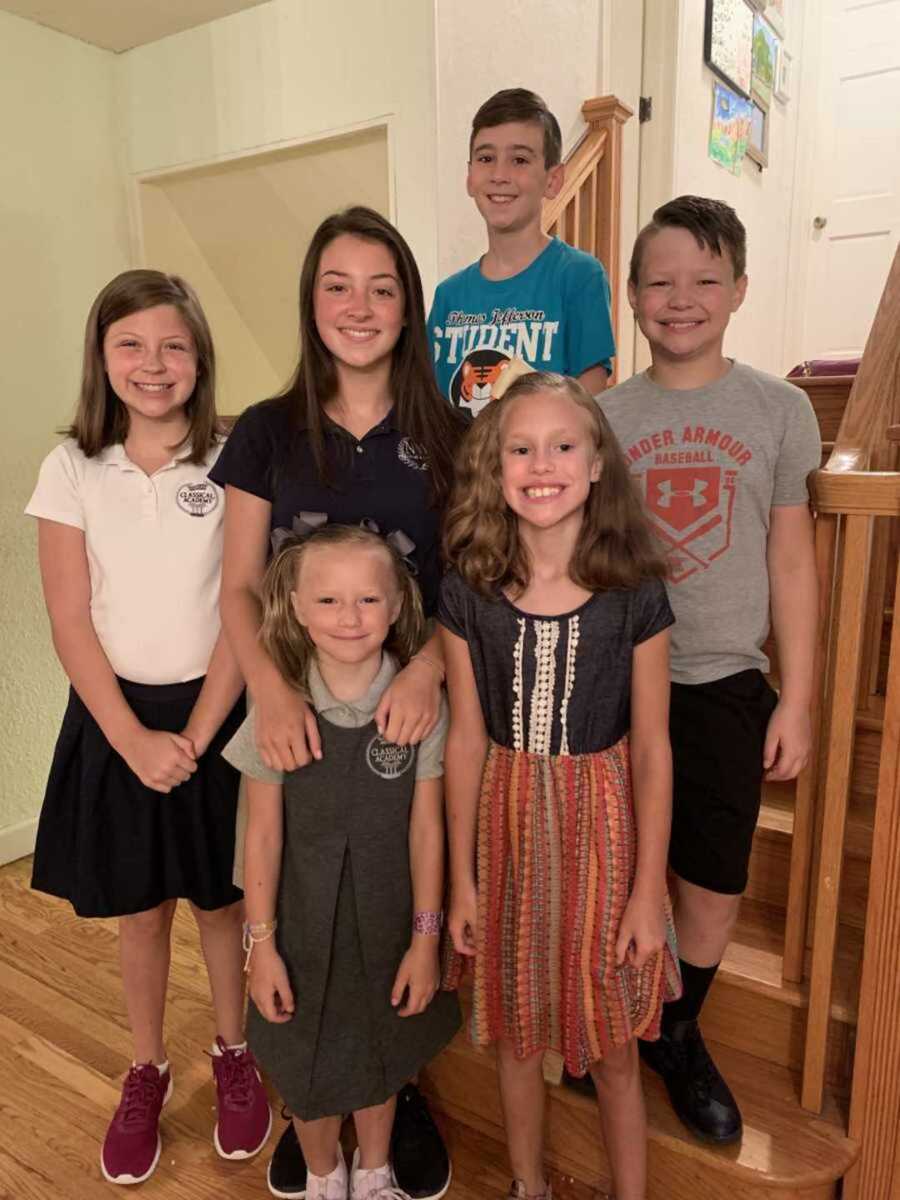
For most families, six children would feel like enough. But I couldn’t shake the sense that our family wasn’t complete. Then, in January 2014, I got the call: our son’s biological sister had just entered foster care, along with her newborn sister. The caseworker asked if we could reopen our home to foster them.
Reunification with their birth family was still the goal, as it is in almost every foster case. But if reunification failed, they wanted the girls to grow up with their brother. I’d been praying for this sister since I first knew she existed. Now, she was coming to live with us.
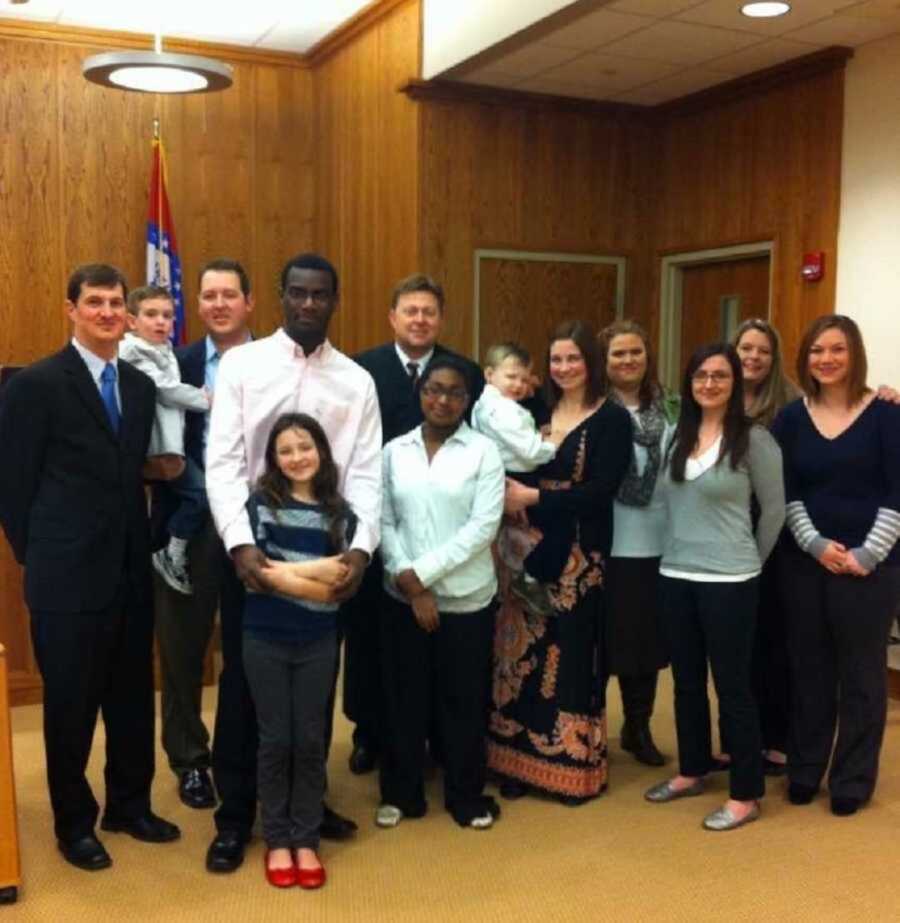
She had cerebral palsy and arrived with intimidating medical equipment and a feeding tube, alongside the most perfect little baby sister I had ever seen. On October 27, 2015, we finalized their adoption. Eight children—our family felt complete. The days of unknowns and living under constant uncertainty were over… at least, that’s what I thought.
Navigating Leukemia & Single Parenthood
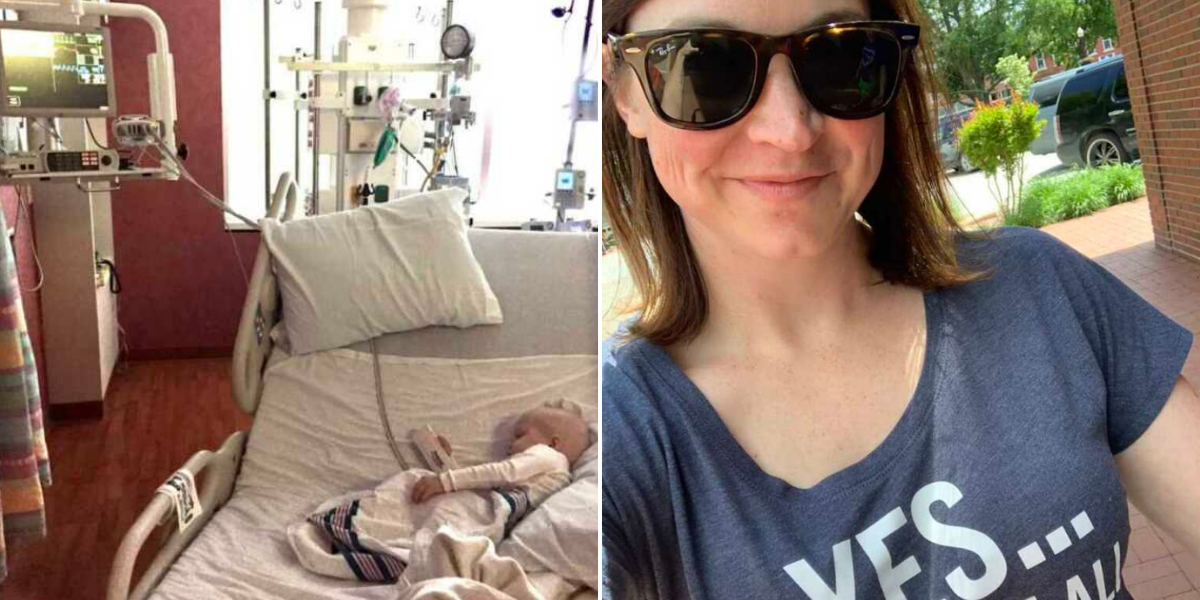
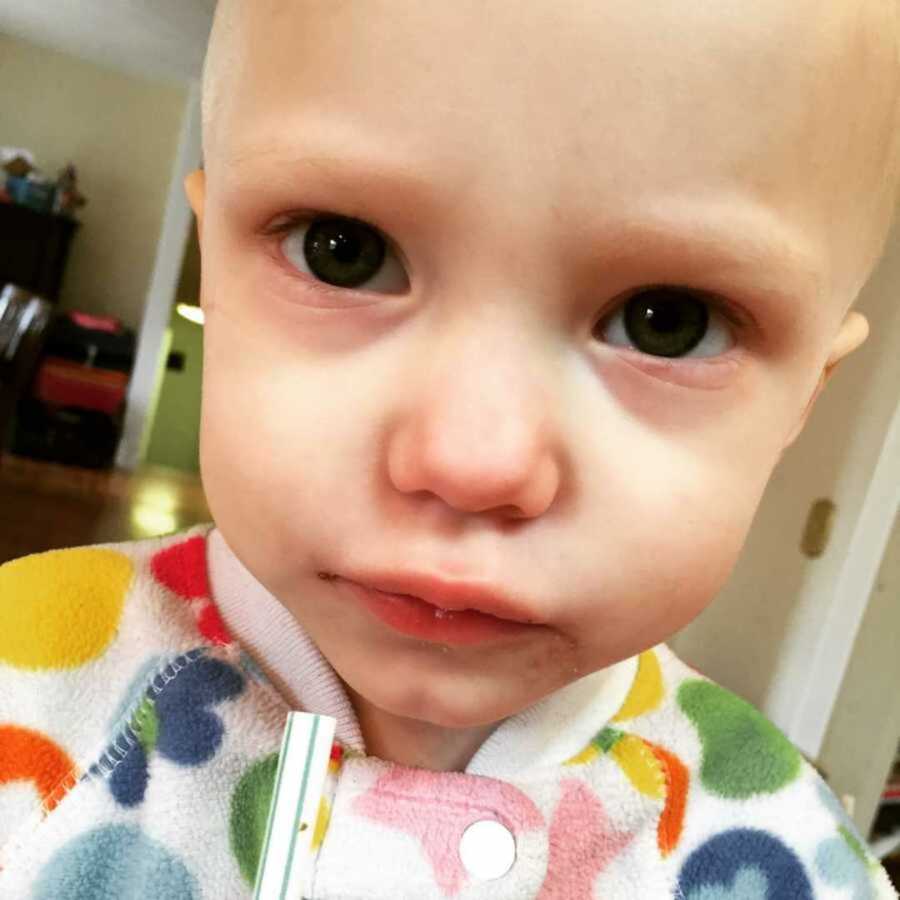
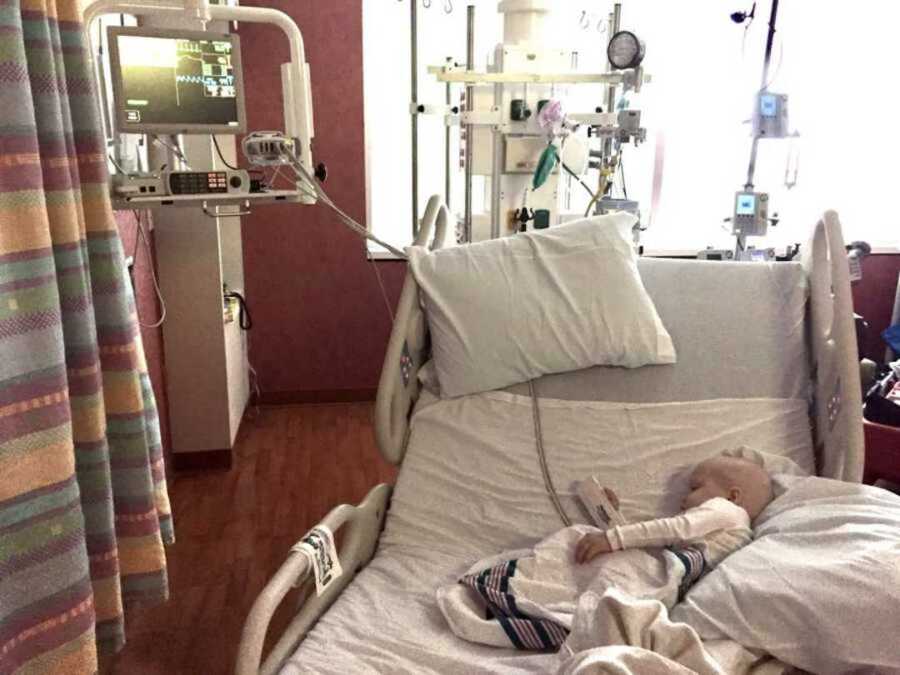
I was ready for a more stable season, but life had other plans. The very next day, October 28, our 21-month-old baby girl was diagnosed with leukemia. We were thrust back into uncertainty, with little control over anything.
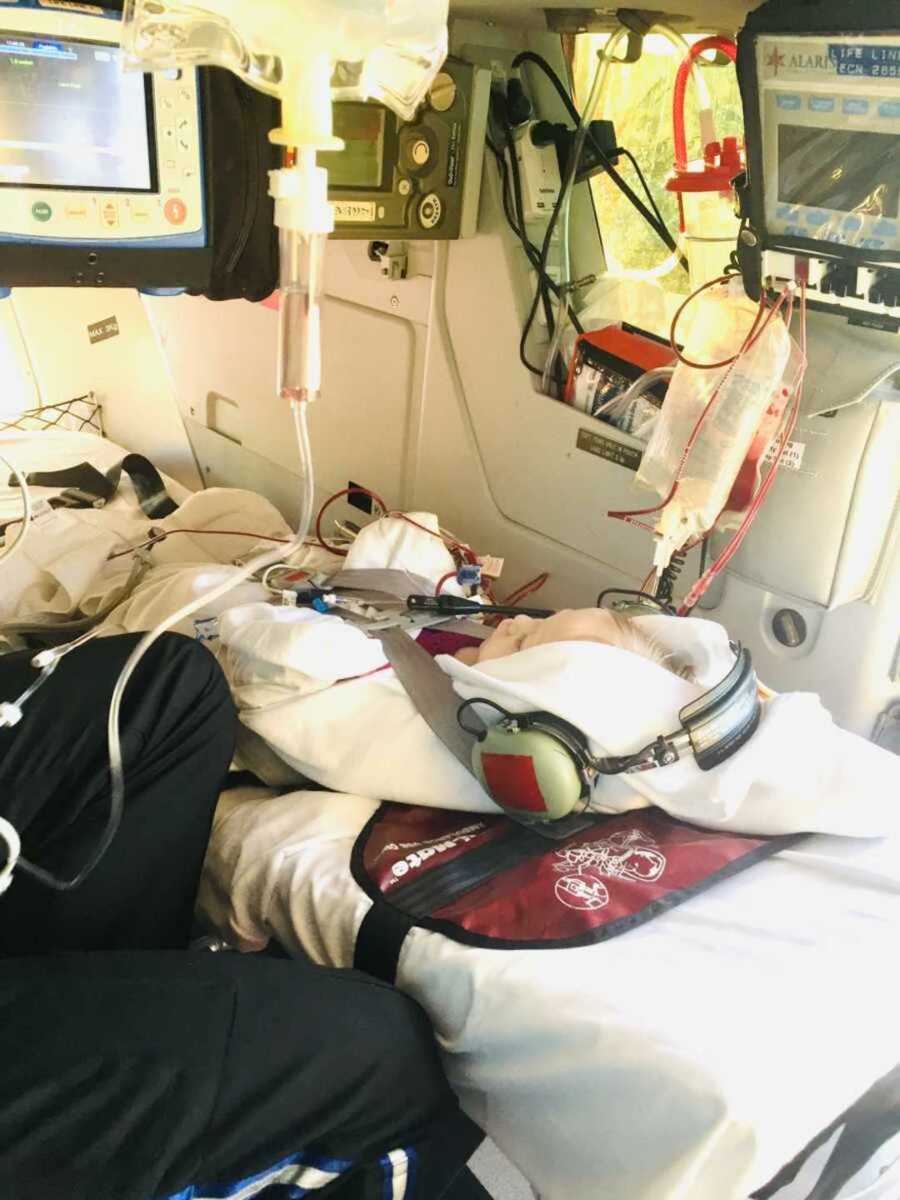
I remember the chaos of that day: nurses and doctors rushing around, trying to find a vein and start blood transfusions. Some moments remain crystal clear—the terror in her eyes as she was strapped down for the helicopter flight to the children’s hospital three hours away. She couldn’t see me, didn’t know I was right behind her. My seat was too far to hold her hand. When we landed, medics unbuckled her, and I wrapped her in my arms. “All done?” she whispered. “No, sweet baby… this is just the beginning.”
A few months into treatment, just as chemo and hospital trips were becoming routine, another life-altering moment came: my marriage ended. I was suddenly a single parent navigating the toughest rounds of chemo, all while shepherding my children through their fear of losing their baby sister. There were nights I’d get everyone to bed, finish housework, respond to work emails, and then sit on the bathroom floor and cry.
People say they could never do what I do—but I had no choice. Most people in impossible situations just do what they have to do. You’d do the same. Everyone would.
The Everyday Battles
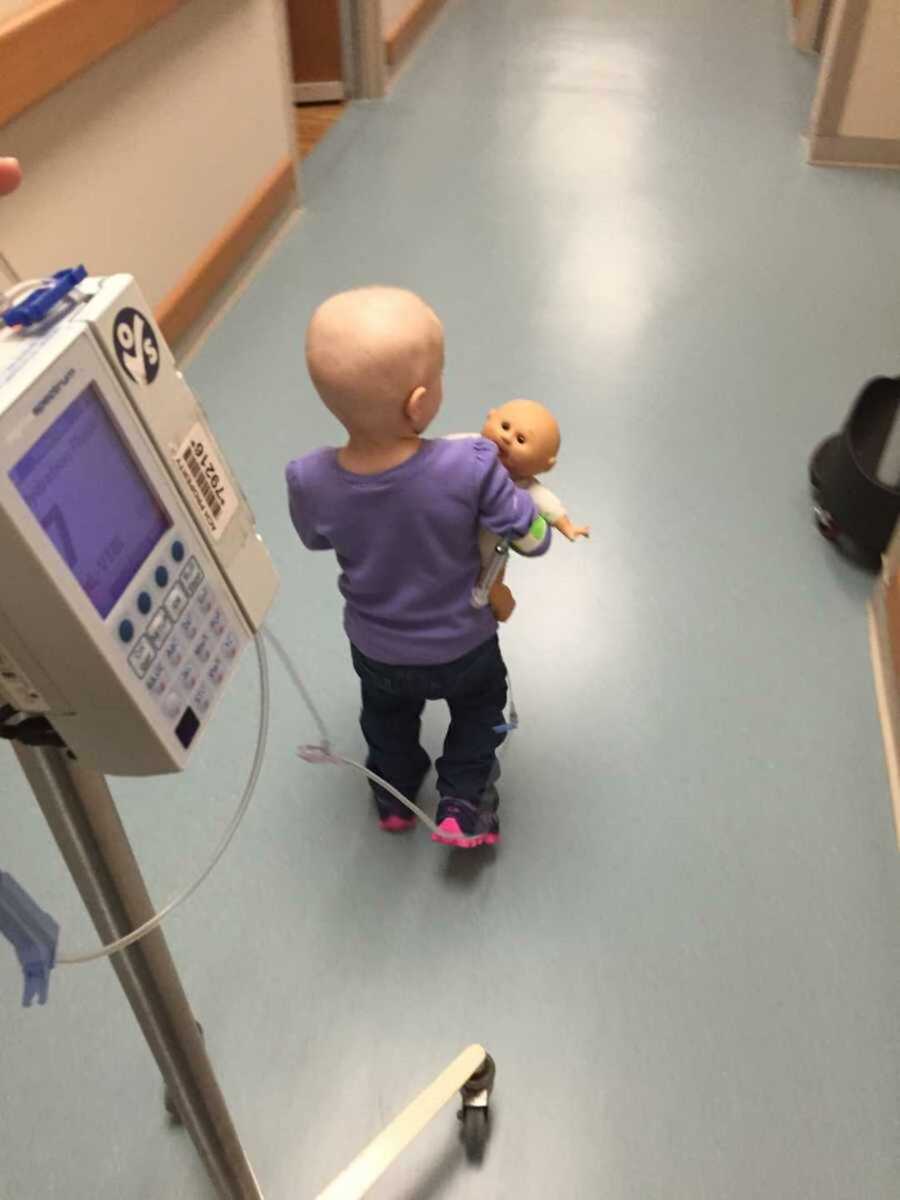
During one particularly grueling round of chemo, we left the house at 4:00 a.m. for an 8:00 a.m. appointment. She spent hours in the clinic for IV chemo and spinal sedation. One medication made her violently ill, requiring extra anti-nausea drugs. Usually, I timed it perfectly to make it home before the vomiting began.
One day, heavy rain slowed our trip home. Not even halfway there, she started vomiting. We pulled into a rural gas station, and I cleaned her up, changed her car seat for a clean spare, and continued home. I hoped no one was watching. I was exhausted—physically, mentally, emotionally—but I still had to pick up the other kids from friends’ homes. It was utterly overwhelming. How did this become my life?
Co-Parenting & Healing Journey
I was blessed with incredible friends, yet so much of that season felt lonely. My friends could cuddle with partners, debrief the day, and relax. I was walking laps around the fireplace with a sick baby. It was hard.
One early morning during chemo, as the sky shifted from black to purple, blue, orange, and yellow, I realized something profound: the heaviness, the depth, and the struggles had given my life richness. I began to feel grateful for the dark moments as much as the bright ones. I knew I’d never take yellow-orange, sunshiny days for granted again—they were earned.
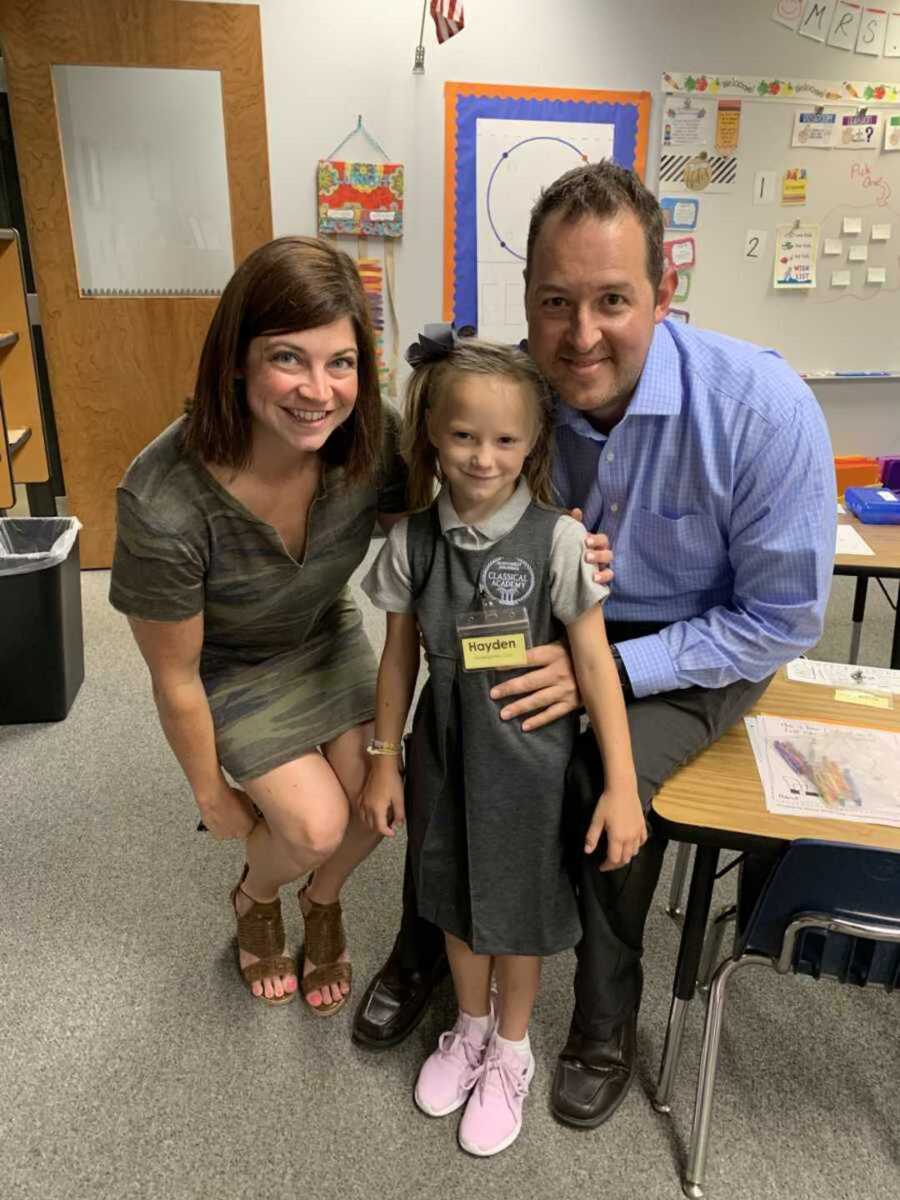
Today, my ex-husband and I focus on co-parenting well. We apologize when we mess up, ask for do-overs, and prioritize our children. We still have family dinners for every birthday and walked our daughter into kindergarten together—a moment that felt sacred after everything we had endured.
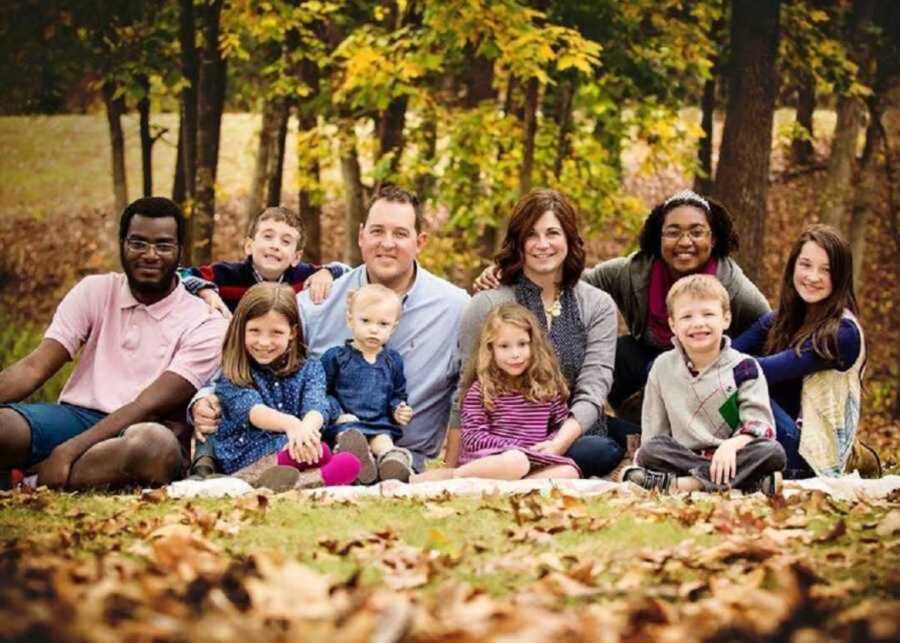
Nearly four years after her diagnosis and 18 months since treatment ended, our little girl is thriving in kindergarten, healthy and happy. She knows she’s brave and strong—and now, so do all of us.
I honestly wouldn’t change a thing.