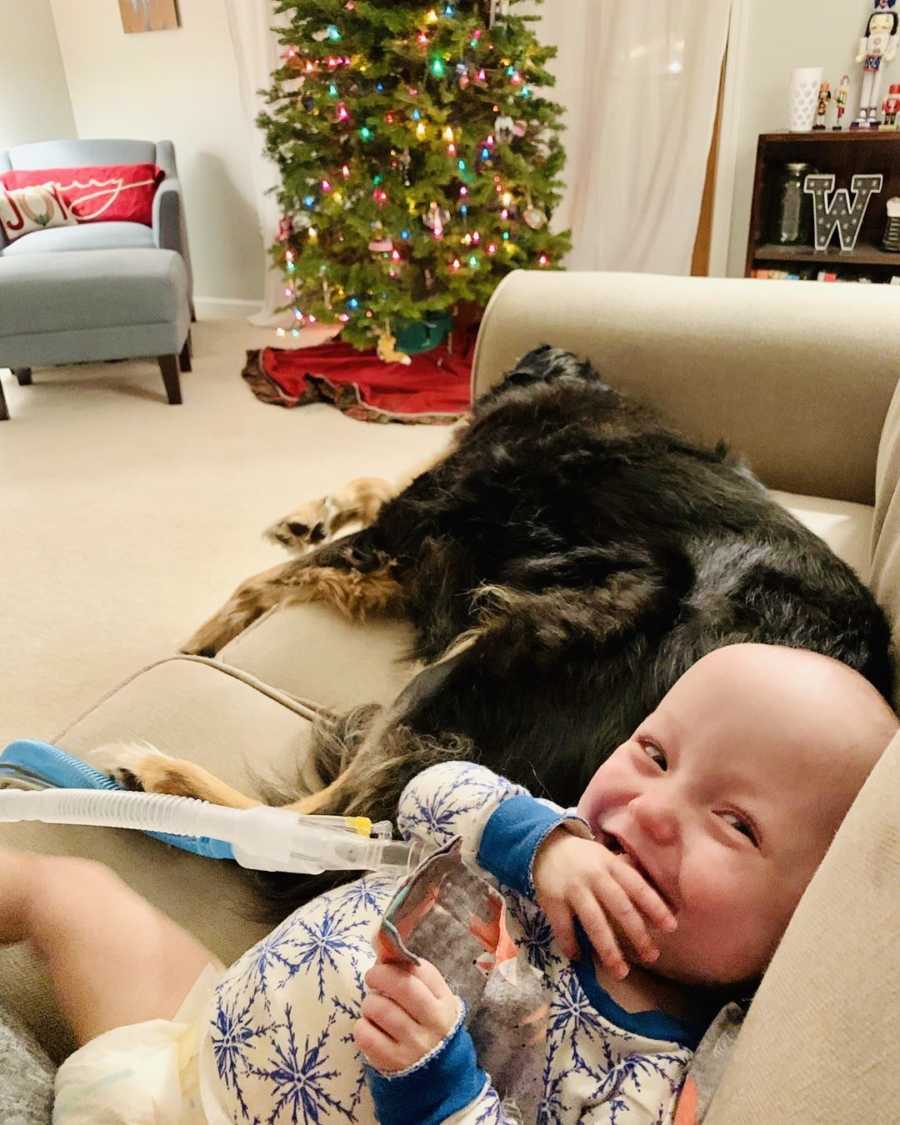
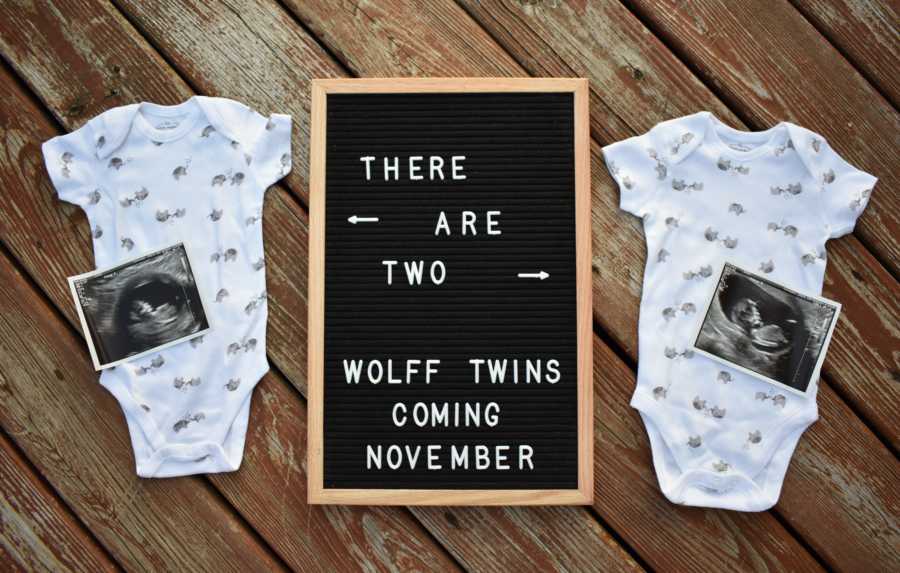
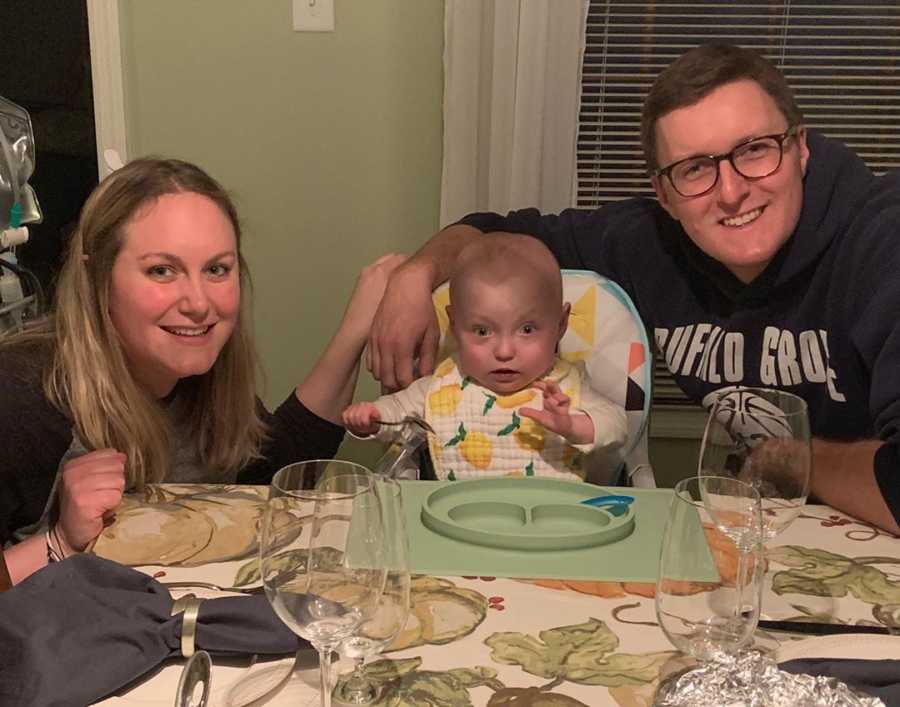
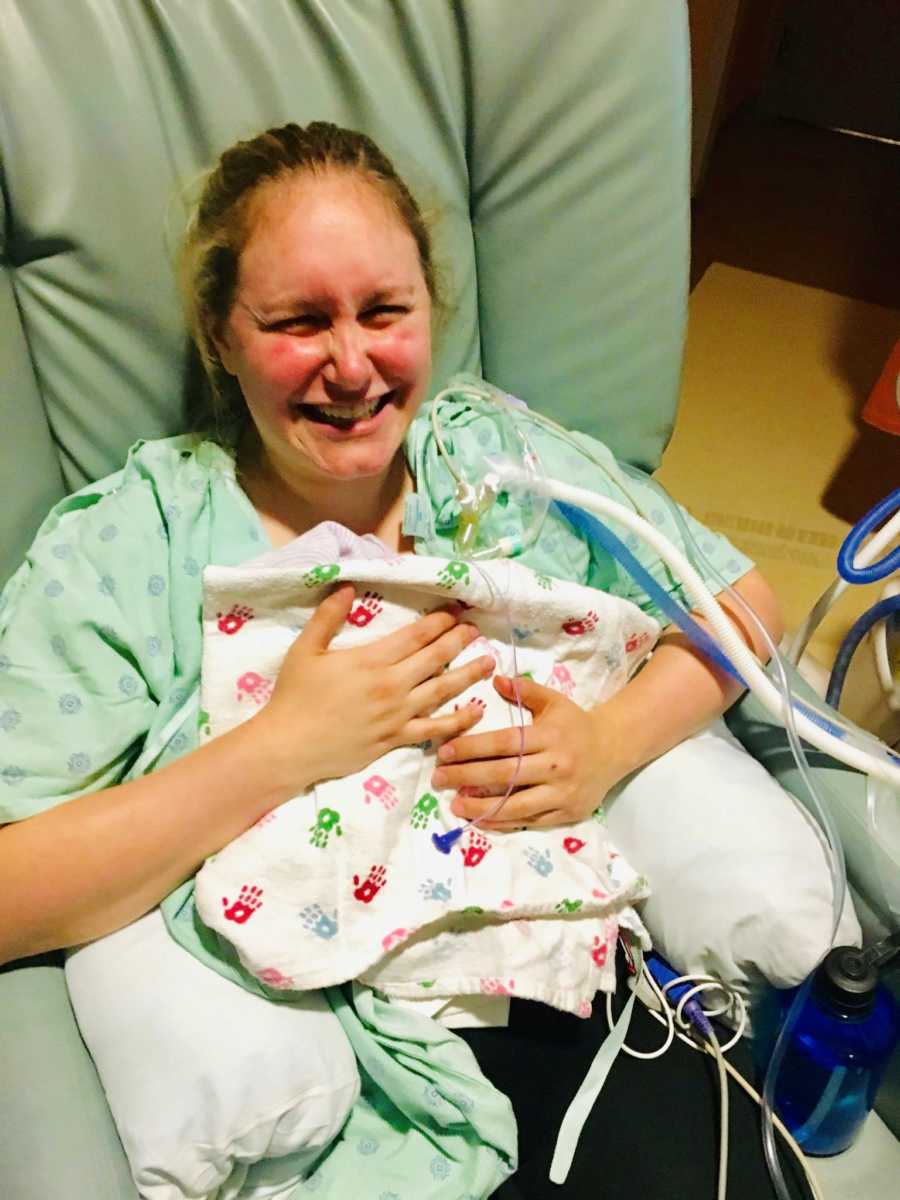
It has been 16 months since my first child was stillborn. Her twin, our surviving daughter, was critically ill for the first year of her life. During that time, my husband and I did everything we could just to survive. We trudged through anniversaries, birthdays, and all but one holiday in a calendar year while watching our tiny girl fight for her life in the NICU. We barely had the energy to eat a real meal, let alone begin to unpack the immense trauma we were living through. The world continued on without us as we poured every ounce of ourselves into the fragile, 1-pound body lying behind the glass of an isolette.
Now, months later, while we are by no means out of the woods, we have settled into a routine and our days have become more predictable. Easy? No. But manageable enough that we can sometimes pause and take a breath. In those quieter moments, I often find myself thinking, How the hell did I end up here? For a long time, I prided myself on my “okayness.” I believed I was holding it together, convincing myself that maybe I’d be one of those rare people who somehow process grief in their sleep—wake up one day and be fine. It turns out those people don’t exist. I feel, and I feel deeply.
It took me months to say the words to myself: My child died. Months of denial. Months of taking well-meaning advice to “focus on the one who needs you,” while burying my guilt, anger, longing, and sadness as deep as I could. Now that I finally have the mental, emotional, and physical capacity to begin unpacking what has happened, I understand that the death of my daughter will impact our family forever—especially her living sister. I can’t hide from it or pretend it didn’t happen, even though that would be easier and far more socially acceptable. I’ve lost count of how many times I’ve answered “How are you?” with a forced, rehearsed “Hanging in there!” just to make the conversation easier for someone clearly afraid of saying the wrong thing. Many people don’t know how to respond to my desire to talk about her and worry that I’m depressed, suicidal, or “dwelling on the past.”
The truth is, our world is not built to support grieving parents. Learning to navigate that reality—and figuring out how to carry on her legacy—has become my mission, even when it feels impossibly heavy. I am ready to think about her, talk about her, and weave her story into the fabric of our family. I want our living daughter to grow up knowing that her sister’s spirit is always with her. That even though she isn’t physically present, her life mattered and she is loved beyond measure. We have chosen the day she died as the day we celebrate her. We talk about her on her sister’s birthday and on their shared due date. I want to create a space where we can visit her, talk to her, read to her, and sing to her—where I can finally say all the things I’ve held inside: I miss you. I love you. I’m sorry. These steps won’t erase the pain, but they help me accept her death and create a new normal as her sister grows old enough to understand our family’s story.
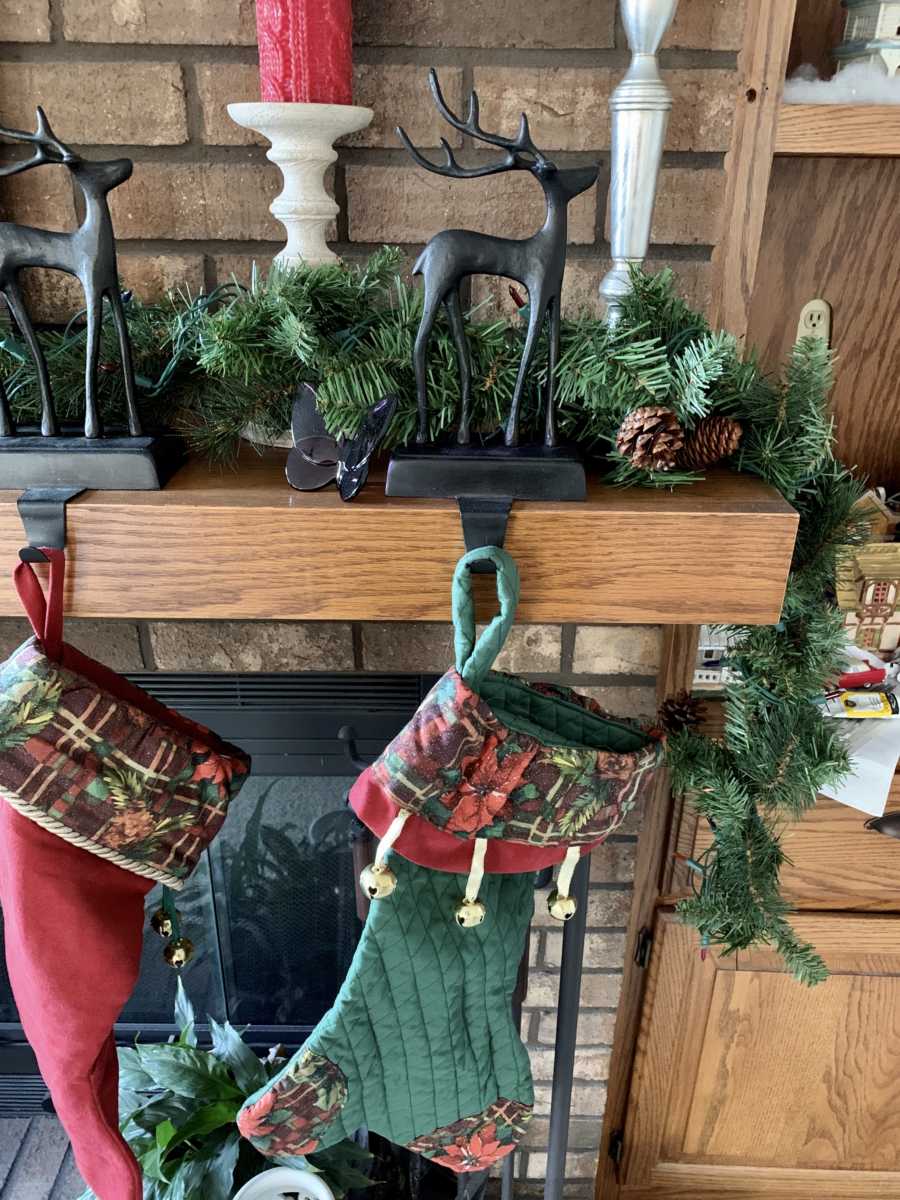
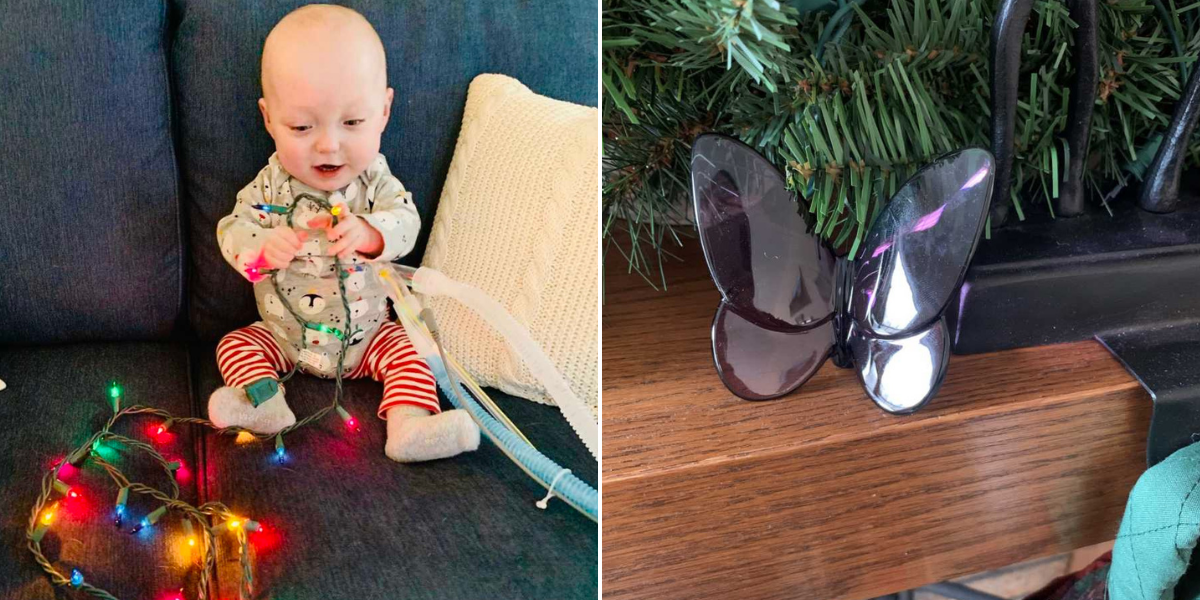
This year, we hung her Christmas stocking on the mantle. I know that on Christmas morning, it will hang empty while the others overflow with gifts. Some days I can walk past her butterfly and smile; other days I’m overwhelmed by the question, Why me? Why our family? At Thanksgiving, an unmistakably empty chair sat at the head of the table—one that should have held our toddler. While these gestures are too painful for some to understand, it is essential to me that we honor her absence. It matters that her sister carries her memory and that our family grieves the future that was lost with that tiny life. I know this is only the beginning of my journey as a bereaved parent. Our traditions will evolve, and the way we share our grief will change over time. But for now, I am finally ready.