Let’s be honest—parenting is tough. There’s no perfect formula, no manual that guarantees you’ll always get it right. Every child is different, every situation unique, and what works for one family may not work for another. But if you think parenting is challenging, try raising an autistic child. Even better, try being autistic yourself while parenting an autistic child—it’s a whole new level of understanding, patience, and love.
Many parents of neurodiverse children face judgment and misunderstanding from people who simply don’t know better. They make assumptions, offer unsolicited advice, or even criticize, making parents feel as though they’re “doing it wrong” just because their child doesn’t act the way society expects. Schools can be frustrating, too, often lacking the patience or understanding necessary for neurodiverse students, many of whom struggle to communicate at all. Parenting an autistic child can be exhausting and heart-wrenching, but it’s also endlessly rewarding, magical, and full of joy.
My name is Joe James, and I’m autistic. My daughter, Sophie, is autistic too. She is one of the happiest, most fun-loving, intelligent, and caring people you’re likely to meet, and being part of her life is a true privilege.

From the very beginning, Sophie was quiet. As a baby, she hardly ever cried, and my wife and I would check on her constantly during the night, worried something might have happened. She remained unusually quiet until she was about four or five, and then, almost overnight, we couldn’t get her to stop talking—believe me, we tried.
In those early years, nothing about Sophie seemed unusual to us. She was full of energy, endlessly curious, endlessly funny, intensely focused on certain interests while completely uninterested in others. She was fussy about food and loved following rules. She spoke her mind honestly, often missing social cues that others took for granted. To me, she just seemed like herself—like me, even. At the time, I didn’t know I was autistic. I didn’t realize our quirks and behaviors were not just “funny little traits” but part of a shared neurological pattern. My wife thought I was a little odd (she wasn’t wrong), and Sophie, she was just a chip off the old block.
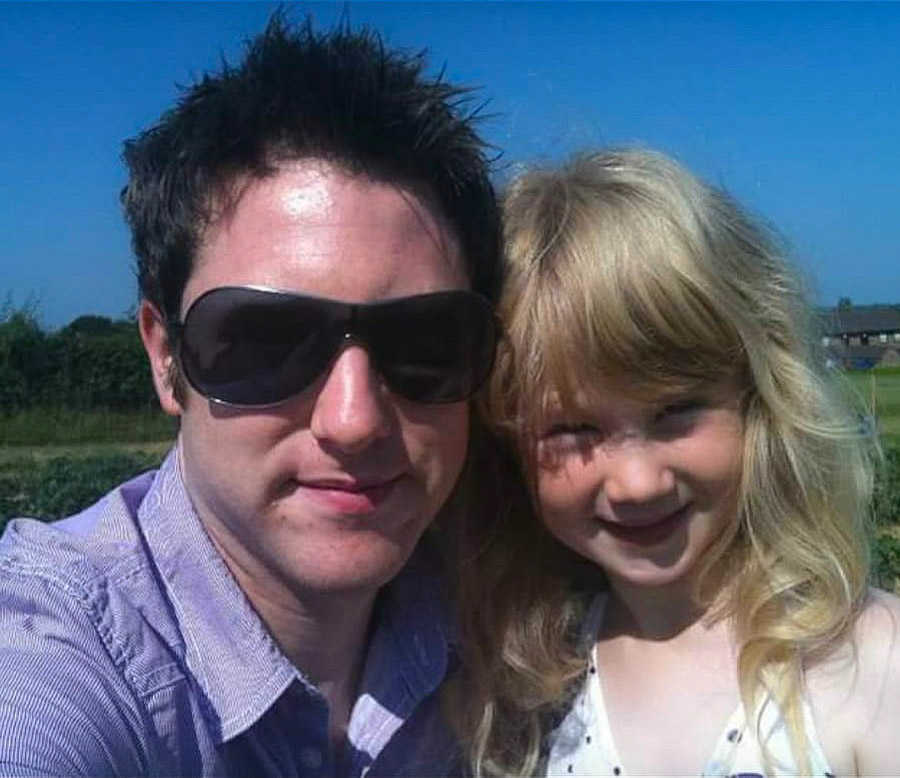
Sophie did face social challenges from time to time, but she also made friends easily in primary school. Younger children seem more accepting of differences, and perhaps that’s why she fit in so well. I, on the other hand, had always struggled to belong. But Sophie had an incredible ability to mask her autism, something I never mastered.
It wasn’t until I discovered my own autism that we realized the parallels between us. Many of my quirks, which Sophie also displayed, weren’t just inherited personality traits—they were neurological behaviors. This discovery made it highly likely that my daughter was autistic too. After consulting with our GP and speaking to her school—both of whom agreed with our assessment—we began the journey of understanding and supporting Sophie in the best way possible.
Once we confirmed Sophie’s autism, I made one crucial decision: I chose to change nothing in my parenting. Everything I had been doing was already right. I supported her, understood her, loved her, and guided her without yelling or dictating. I treated her with care, knowing how delicate her mental health could be. I understood because I had my own history—bullying, aggressive parenting, and the mental scars that come with them. I knew how easily young minds can be hurt and how important it is to nurture rather than criticize.
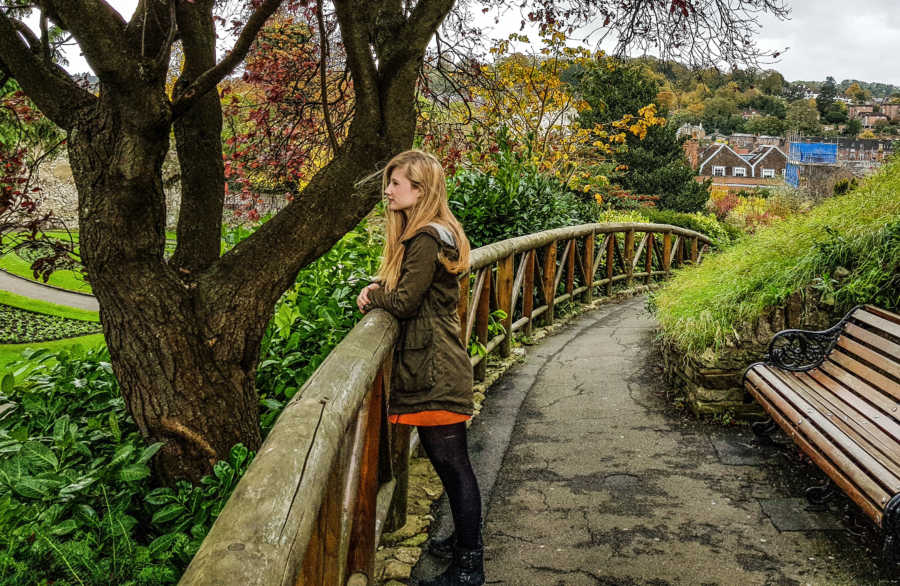
Being an autistic parent of an autistic child gave me a unique perspective. My own father, as we later discovered, was also autistic. He had been aloof and emotionally reserved, absorbed in his hobbies like computers and stamp collecting. While I share some traits with him, I can express myself freely and am sociable and affectionate. I’ve learned that being like your child can help you understand them, but it’s equally important to nurture them for who they are, not who you wish them to be.
My dad passed away earlier this year, and I miss him every day. One of the last things he said to me was, “I am sorry I didn’t do more with you, and I love you so much.” I told him he had nothing to apologize for. We had learned to accept each other, just as I accept Sophie, and she accepts me. I’ve noticed many parents struggle to accept their child’s differences, and even resist seeing similar traits in themselves. To those parents, I say this: time is precious. Life is short. Don’t waste it wishing your child were different—cherish the relationship you have.
Sophie can be very intense, especially when it comes to friendships. She forms deep attachments and sometimes struggles with boundaries, but she’s learning to navigate social complexities as she grows. She’s also refreshingly honest, saying things like, “I don’t care if they don’t like it; that’s their problem.” I love her candor. My wife, Sylvia, often advises against correcting strangers or insisting on rules—but truthfully, we usually ignore her advice, and it works out just fine.
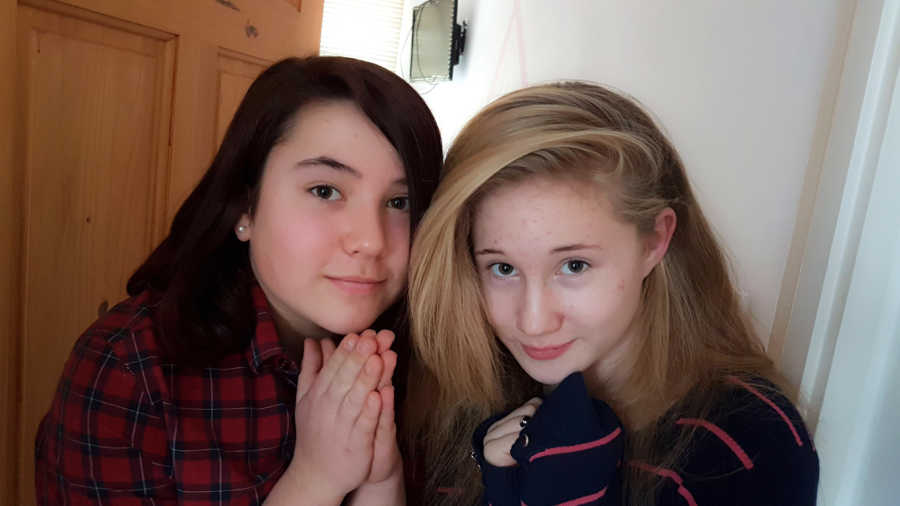
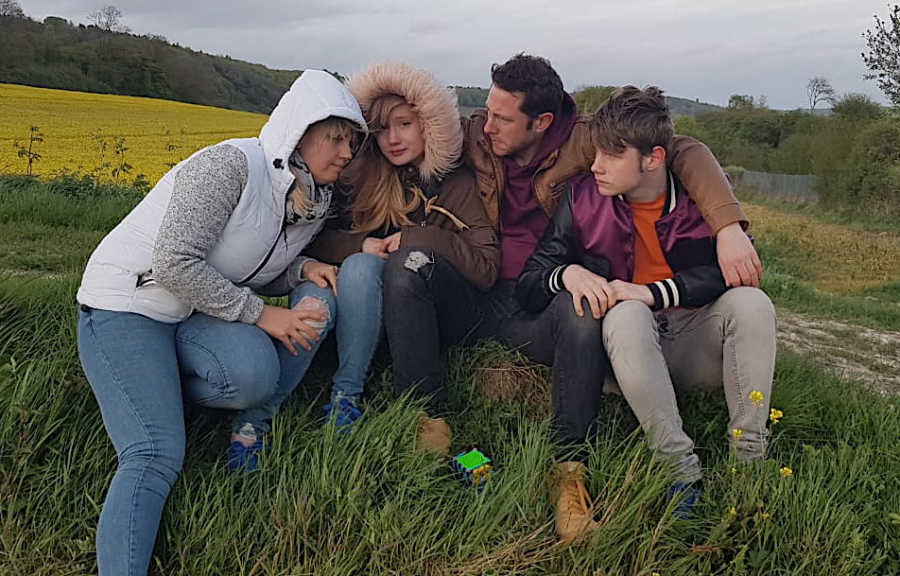
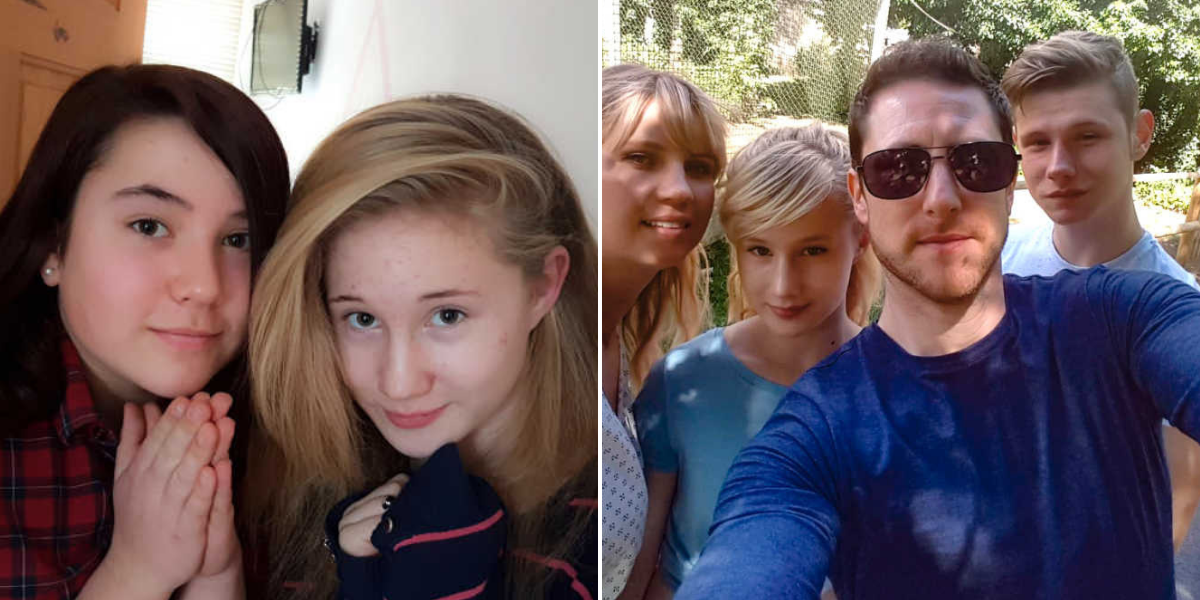
Life isn’t always easy. There are hard days, moments of frustration and anxiety, especially for autistic people navigating a neurotypical world. But Sophie and I know each other’s feelings instinctively. We support each other, understanding in ways that only someone who shares your neurology can. I am overjoyed that Sophie is autistic—it’s part of what makes her so extraordinary. Despite her anxiety and sensory challenges that prevent her from attending school every day, she is thriving. She has loving friends, a supportive mom, and a caring older brother. Together, we are a small, tight-knit family, full of understanding, laughter, and love.
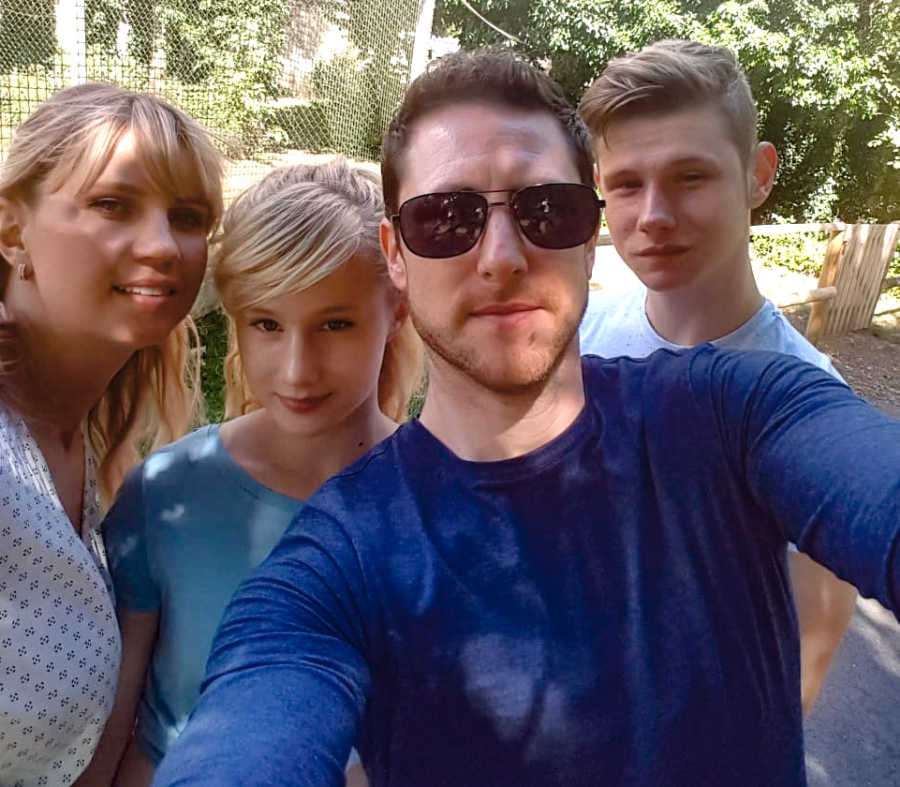
Parenting an autistic child, especially as an autistic parent, comes with unique challenges, but it also comes with incredible rewards. Watching Sophie grow into her brilliant, vibrant, unapologetic self has been the greatest joy of my life. And through it all, I’ve learned that love, patience, and acceptance—of yourself and your child—are the true keys to flourishing together.