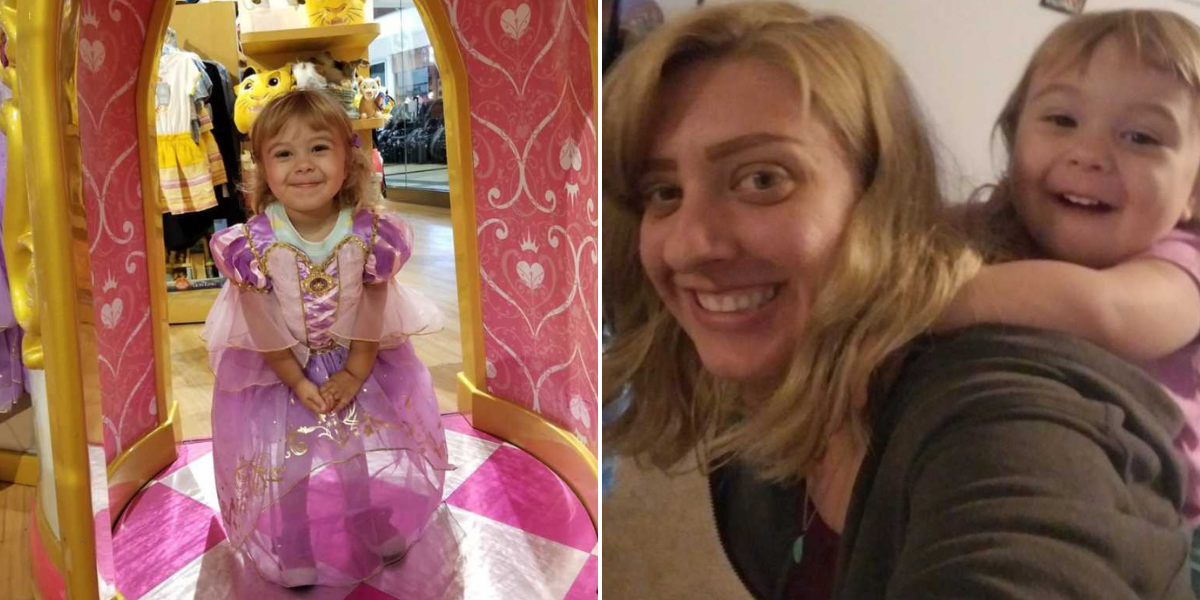
March 17, 2016: I will never forget the worst day of my life. I woke up to find my 10-week-old infant son completely still—cold, pale as paper, and stiff. That morning haunts me in fragments: reaching for my contacts, noticing how pale he looked, and telling his dad. Then hearing him shout, “He’s not breathing!” I was stunned—how could this be? Just hours ago, he had been perfectly fine.
The panic escalated in seconds. I called 911 while his dad slammed the window shut. I shook him gently, screaming his name over and over, tears streaming down my face. “Nick! Wake up, Nick! Please wake up, Nick!” I ran barefoot outside, desperately flagging down a police officer, then raced back inside, begging anyone to save my baby. The EMTs arrived, working frantically. I followed them out, grabbing shoes and a sweater, while the ambulance driver calmly asked questions to keep me grounded. At the hospital, I prayed they could bring him back, pacing the corridors alone while my boyfriend dealt with police and endless questions at home.
Finally, the doctor asked, “Would you like to see what we are doing?” A spark of hope ignited, but as soon as I walked in, I knew my son wasn’t coming back. They asked what I wanted to do next. I had to say the words that would haunt me forever: “Stop trying.”
The image of him—so tiny, pale, and lifeless, blood around his mouth from a breathing tube—remains my worst memory. When they brought him to me, I almost recoiled, unable to accept that was my child. I ran outside, pounding the hospital wall, screaming, “Why my son??!! Why me??!!”
We left the hospital shattered, our hearts broken and full of unanswered questions. SIDS doesn’t discriminate—it comes silently, leaving devastation in its wake.
At home, we packed up his clothes, Pack ‘n Play, and toys, entrusting them to his grandparents because we couldn’t bear it. But we destroyed the Rock ‘n Play he had died in. Seeing recent recalls of that product only makes me wonder if it contributed to his death. We will never know, but I now warn every new parent I meet about it. While SIDS cannot be prevented, spreading awareness about unsafe products is one way I can act.
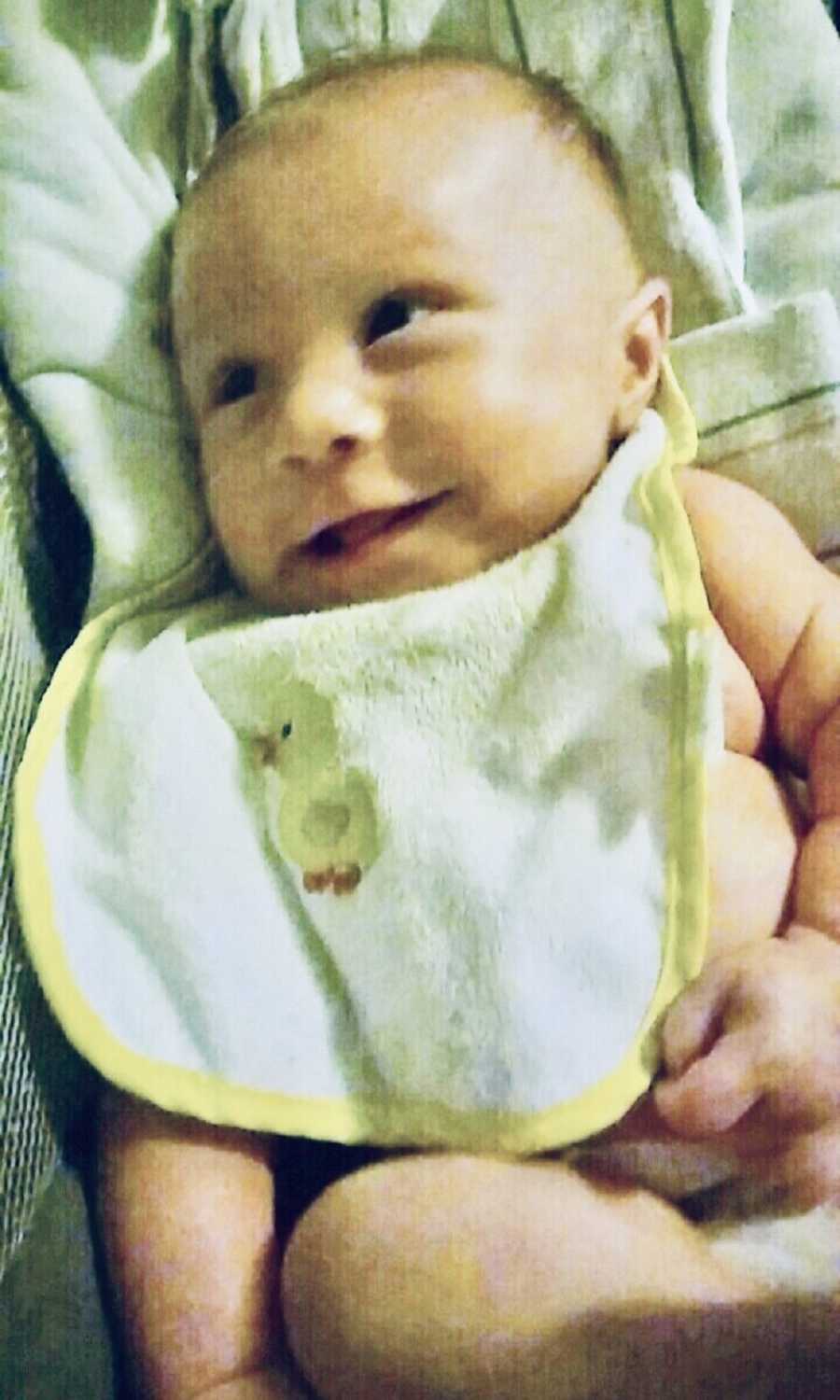
For weeks afterward, I barely slept, constantly checking my boyfriend’s breathing, afraid he might be next. Eating was impossible; I spent my days crying or sleeping to escape the pain.
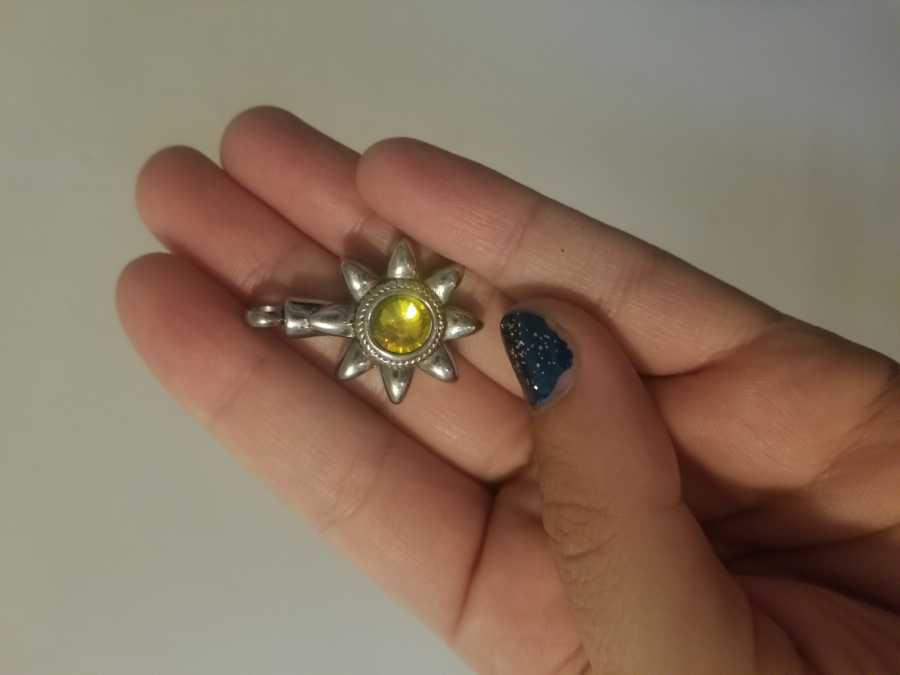
We had him cremated, sharing his ashes with both sets of grandparents. My mother and I have urn necklaces—mine shaped like a sun, for my “sonshine.” Wearing it brought comfort, a way to carry him close to my heart through that unbearably difficult first year.
Within weeks, I became pregnant again—intentionally. We agreed no child could replace Nick, but we wanted the joy of parenthood again. I found out on Mother’s Day 2016 that I was expecting a girl. From that moment, this rainbow baby gave me purpose and hope amidst overwhelming grief. But fear accompanied every step—miscarriage, stillbirth, birth defects haunted my thoughts. When we confirmed she was a girl, I knew her middle name would be Nicole, honoring her brother Nicholas.
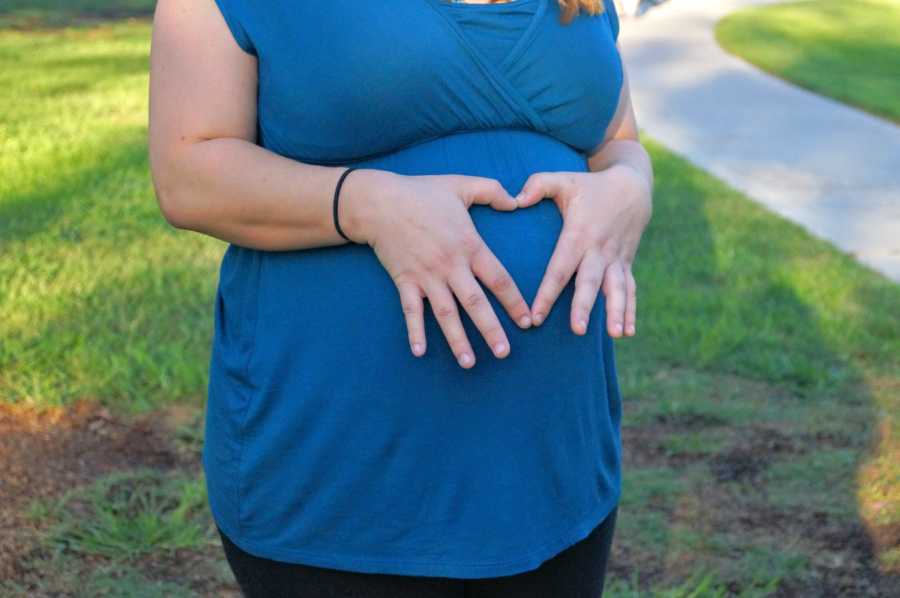
I was aware of the risks of pregnancy so soon after loss. Like her brother, she would be delivered via planned c-section. Family voiced concerns, but I knew this was what would keep me going—my reason to endure, to smile despite the sorrow that never left me. I wonder how she will feel growing up, knowing she arrived after losing her brother. I will make sure she knows she was never meant to replace him, only to bring joy and love into our lives.
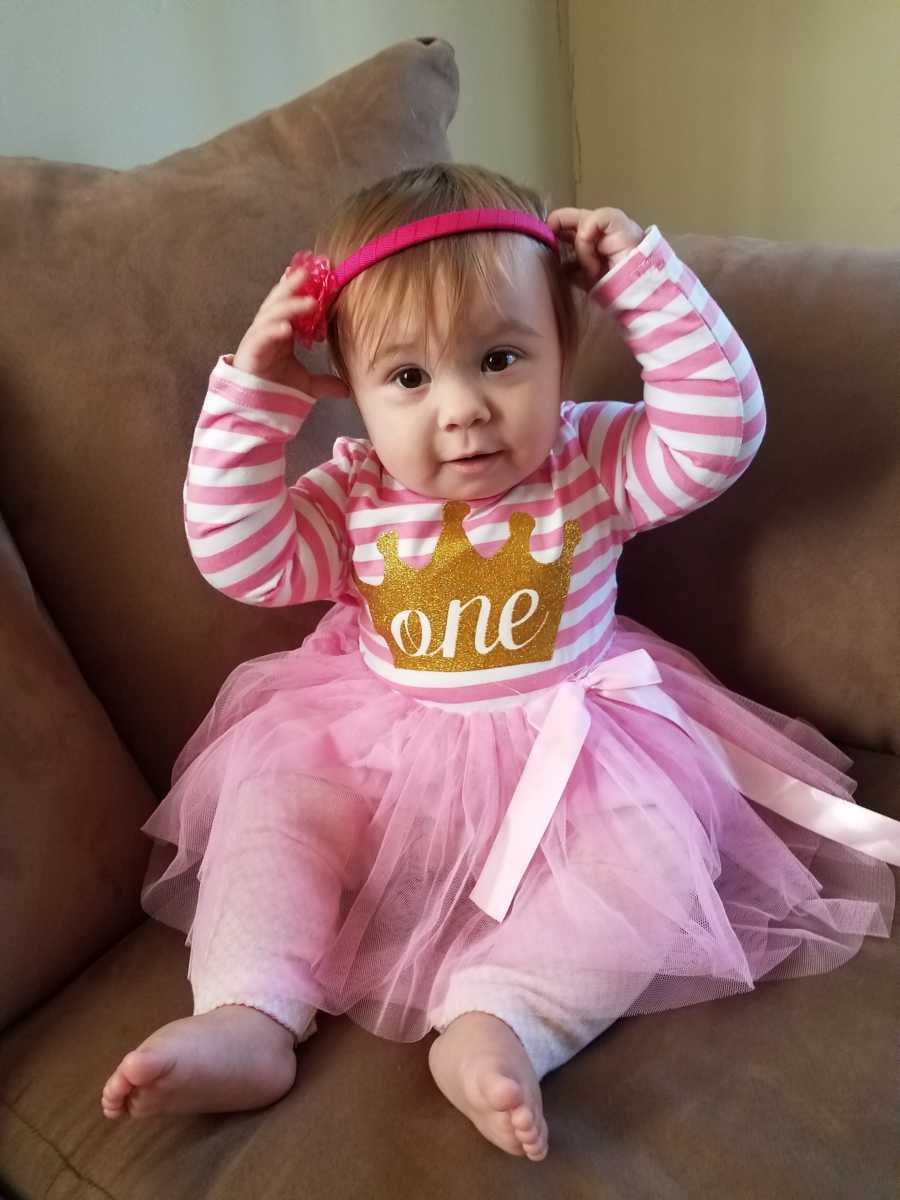
The pregnancy itself was smooth—no morning sickness, gestational diabetes, or extreme weight gain—but coping with grief made it anything but easy. I was bitter, exhausted, and often questioned why I was pregnant at all instead of cherishing my baby boy.
Postpartum brought its own challenges. Fear and depression shadowed me. At times, I regretted having her—not because of love, but because the fear robbed me of sleep. Night after night, I checked her breathing obsessively, haunted by flashbacks. Nursing, though difficult, became a lifeline, lowering SIDS risk and forging an unbreakable bond between us.
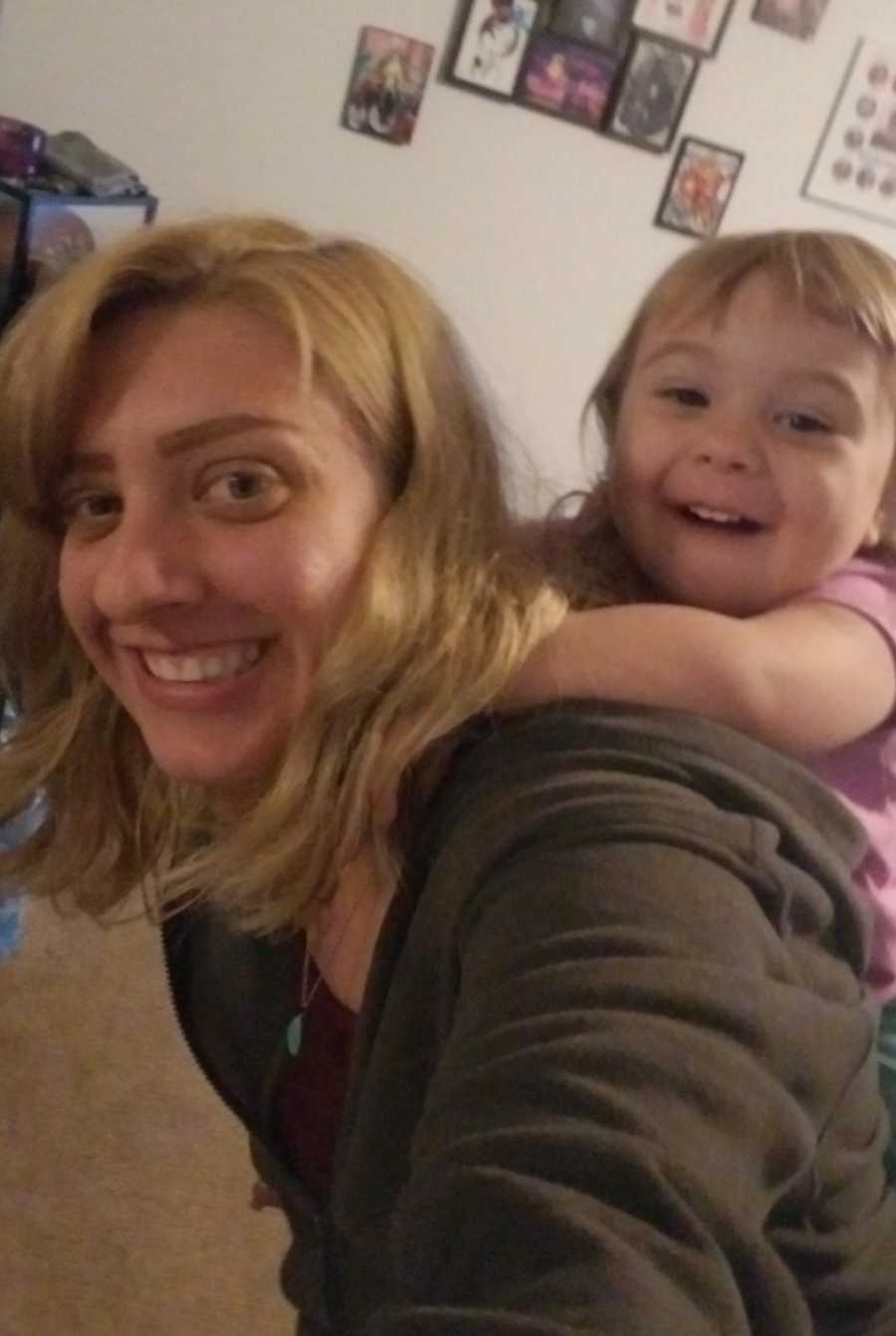
When she was 16 months old, a scare with the flu and febrile seizures sent us to the hospital. She slept for two days straight, and recovery took longer at home. Since then, my vigilance has only intensified. Every cough, bump, or whimper is examined, every night spent checking her breathing repeatedly. This hyperawareness is now my reality, a silent companion for all parents who have suffered such unimaginable loss.
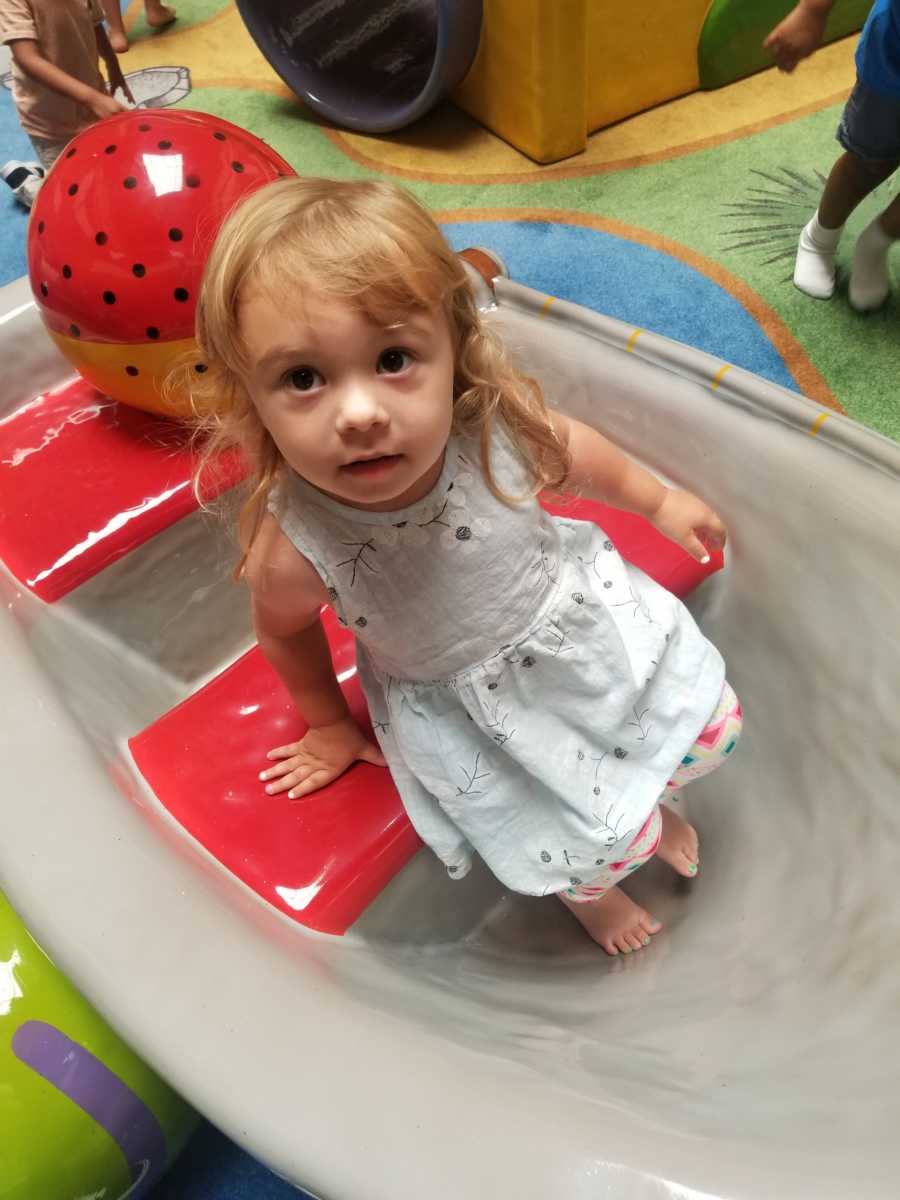
The most awkward question I face in public is, “Is she your only child?” I used to talk about Nicholas, but the pity and awkwardness became unbearable. Now, I simply reply, “She’s enough right now,” forcing a sad laugh.
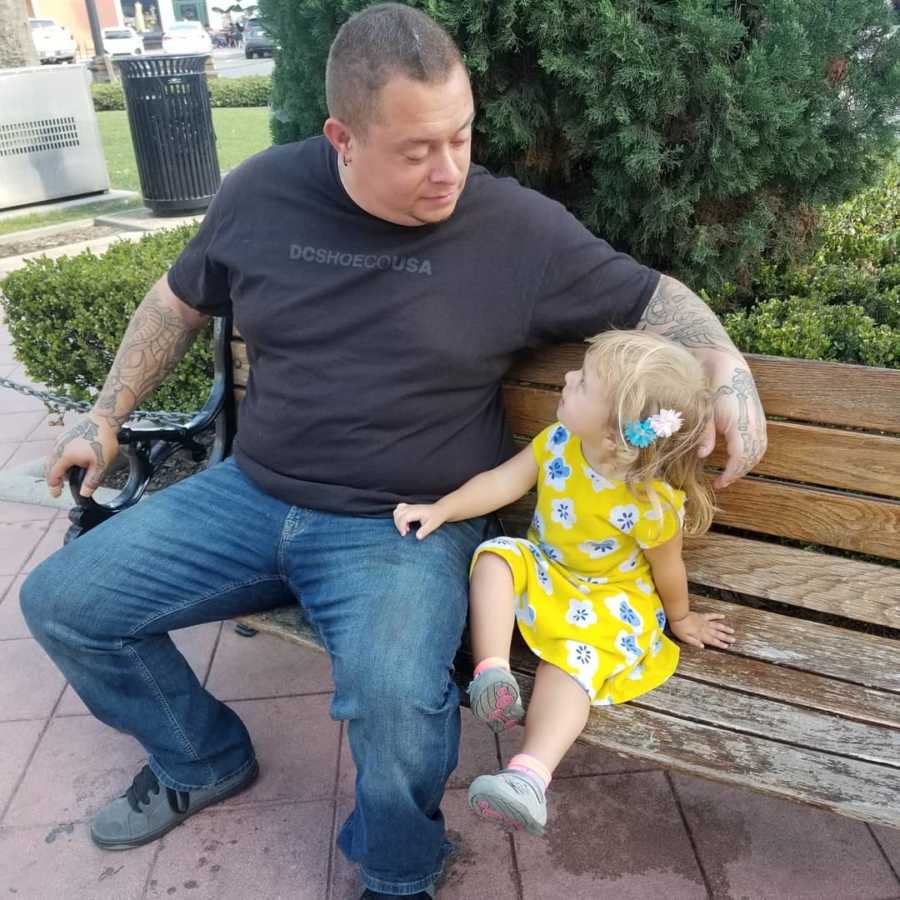
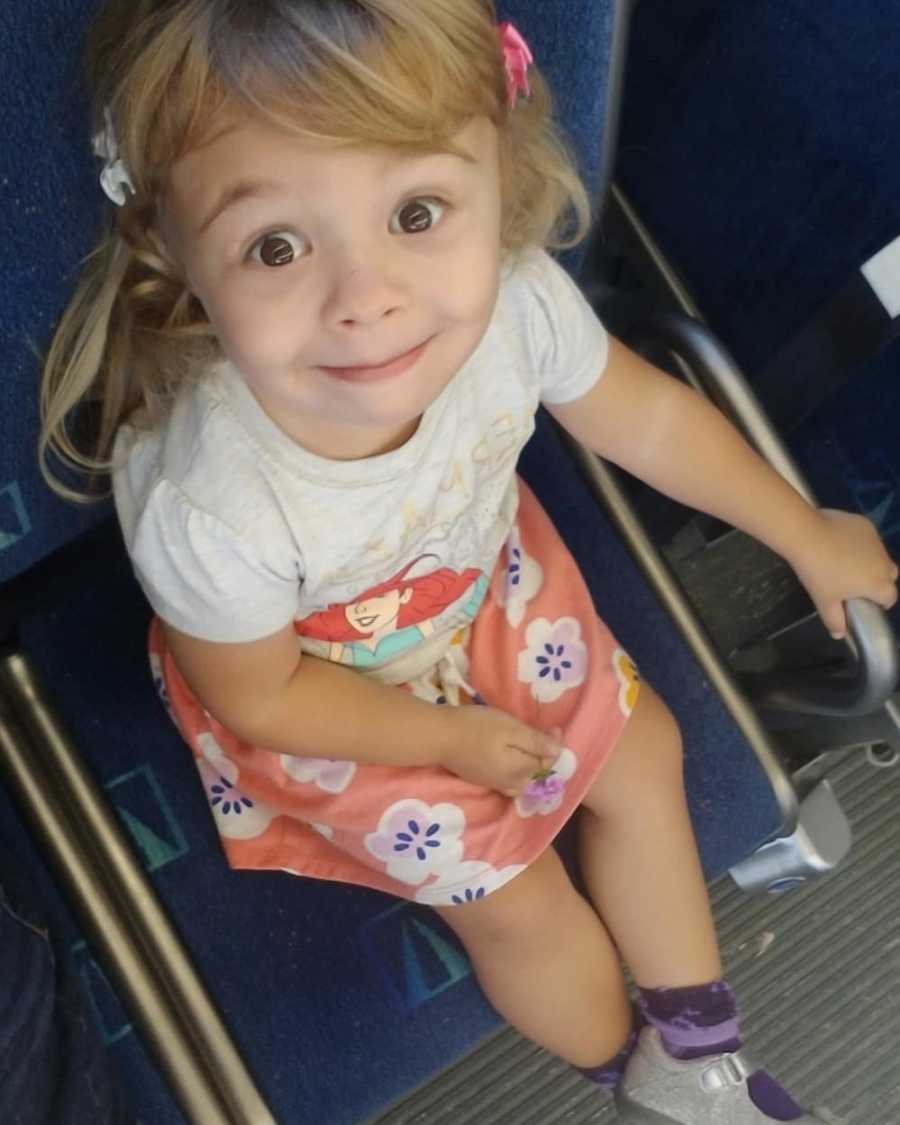
Thoughts of another baby are complicated. The terror of reliving loss keeps us cautious, even though her presence fills our hearts with love. She has softened the ache of Nicholas’ absence, yet the void remains. She is adored by family, charming strangers with her sweetness, spreading joy like a little rainbow wherever she goes.
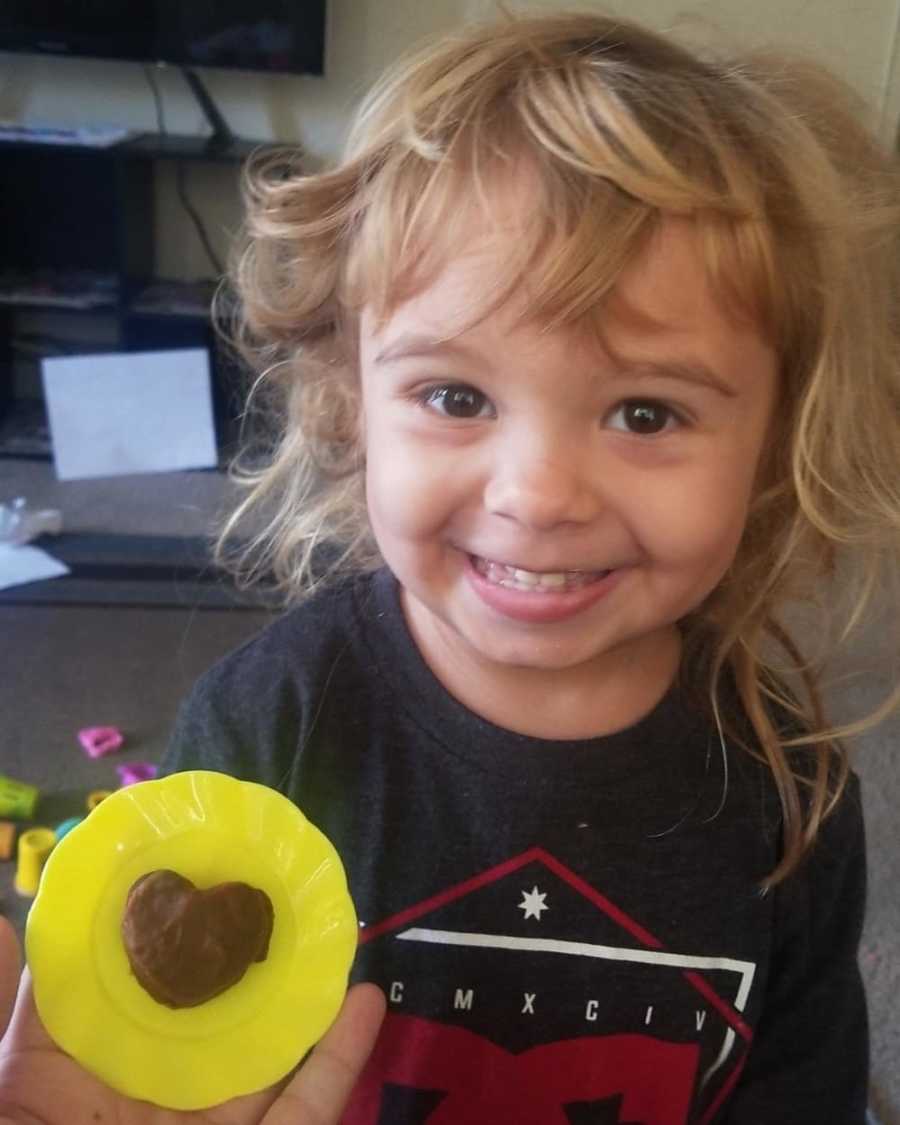
She is my best friend, my heart, my reason to keep moving forward. Each milestone is bittersweet—her first word, first step, first hug. I will never know Nick’s personality or voice, but my daughter’s laughter, love, and daily “I love you, mommy” give me a new purpose. My dreams have found a place to grow because of her.
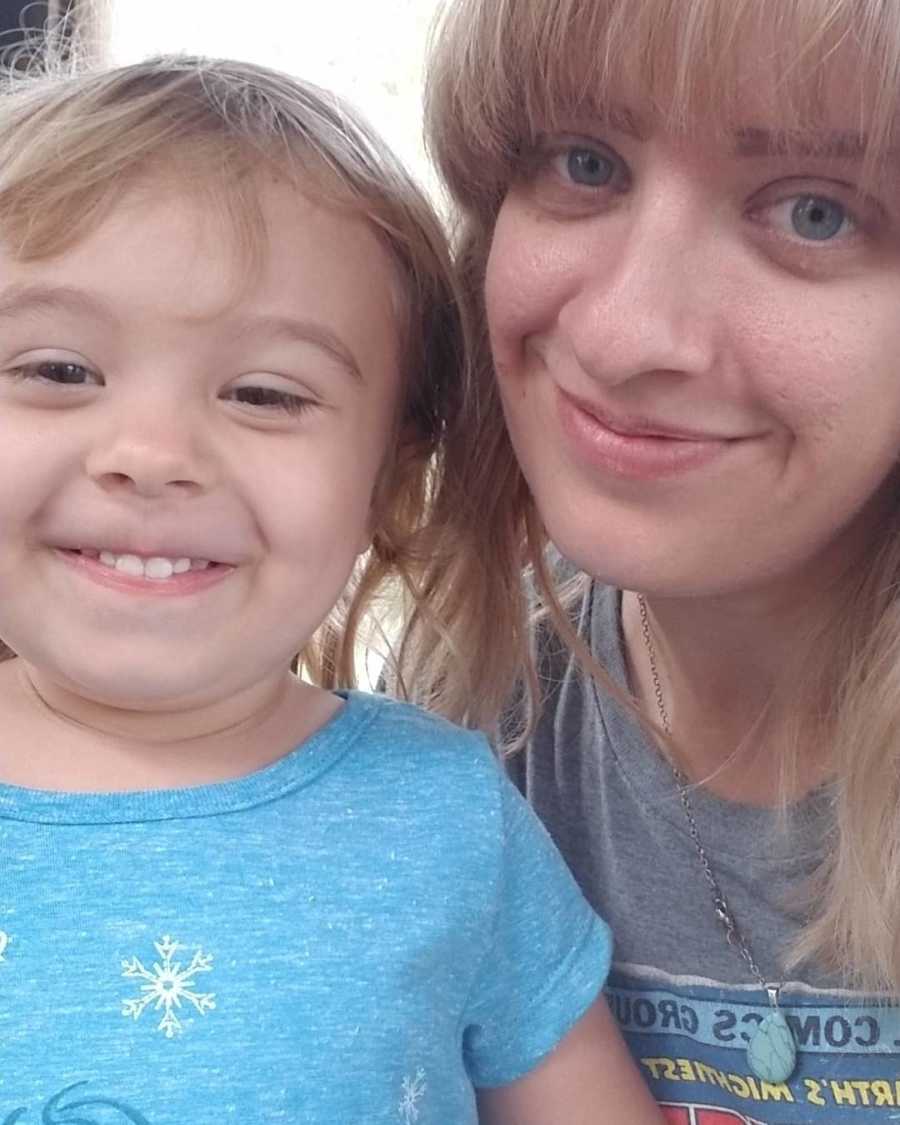
Yet, I am far from perfect. Grief does not vanish, and parenting after loss is exhausting. I get frustrated, tired, and overwhelmed, yet guilt always follows, because I am profoundly aware of what I almost lost. Life is forever changed after child loss, and no one expects anyone to be the same.
Pregnancy after loss is terrifying. Life after loss is challenging every day. Some of us expand our families, some cannot. Some seek therapy, some suffer silently. Some speak of their angels; some remain quiet. But we are all resilient, bonded by grief, and still here—still fighting, still loving, still hoping.