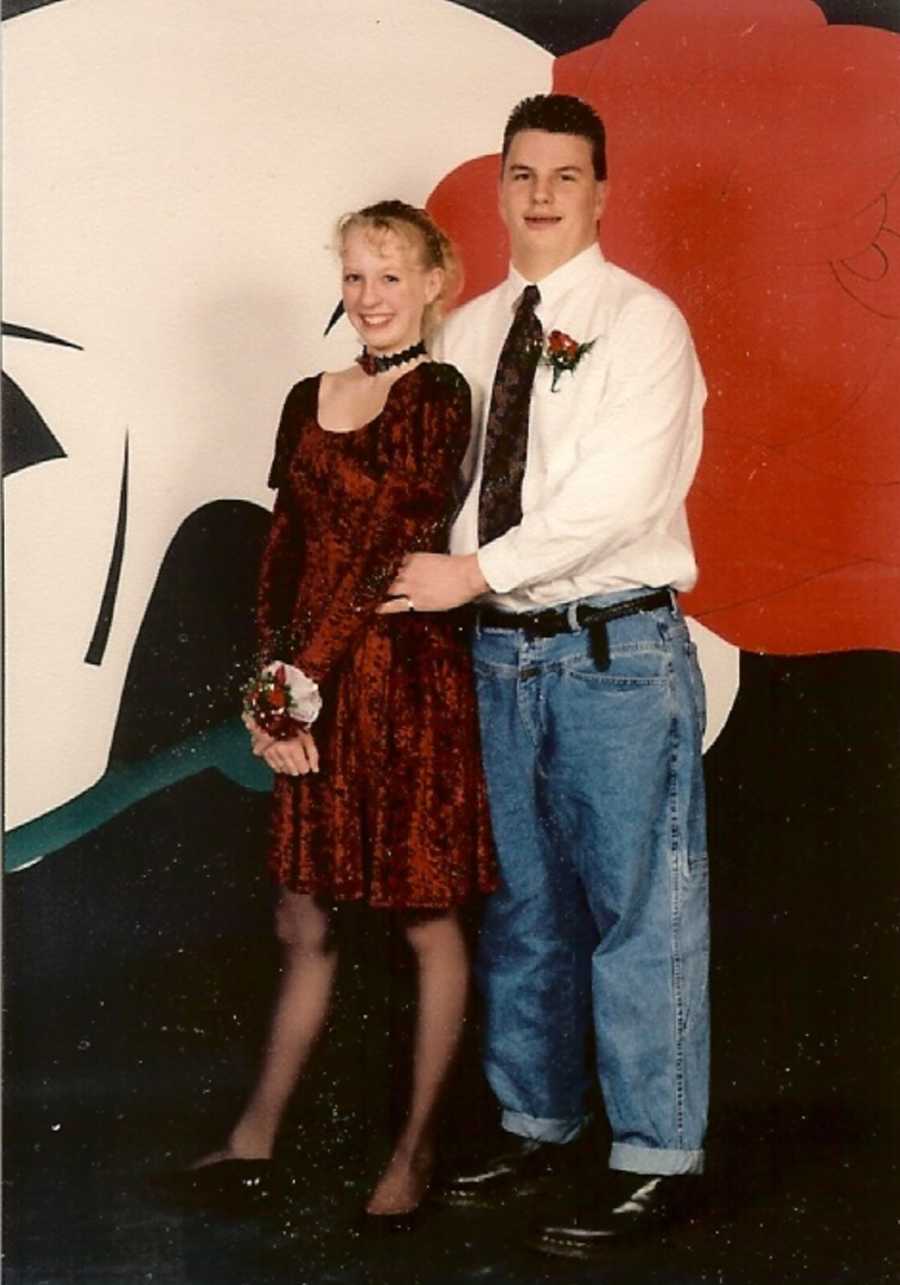
My family’s story began shortly after I graduated high school. I missed graduation day, thinking it was the flu, only to discover the real reason: morning sickness. I was pregnant. After careful discussion, our parents decided the best path for us would be marriage. So, I married my high school sweetheart, Kris, who was still finishing school himself.
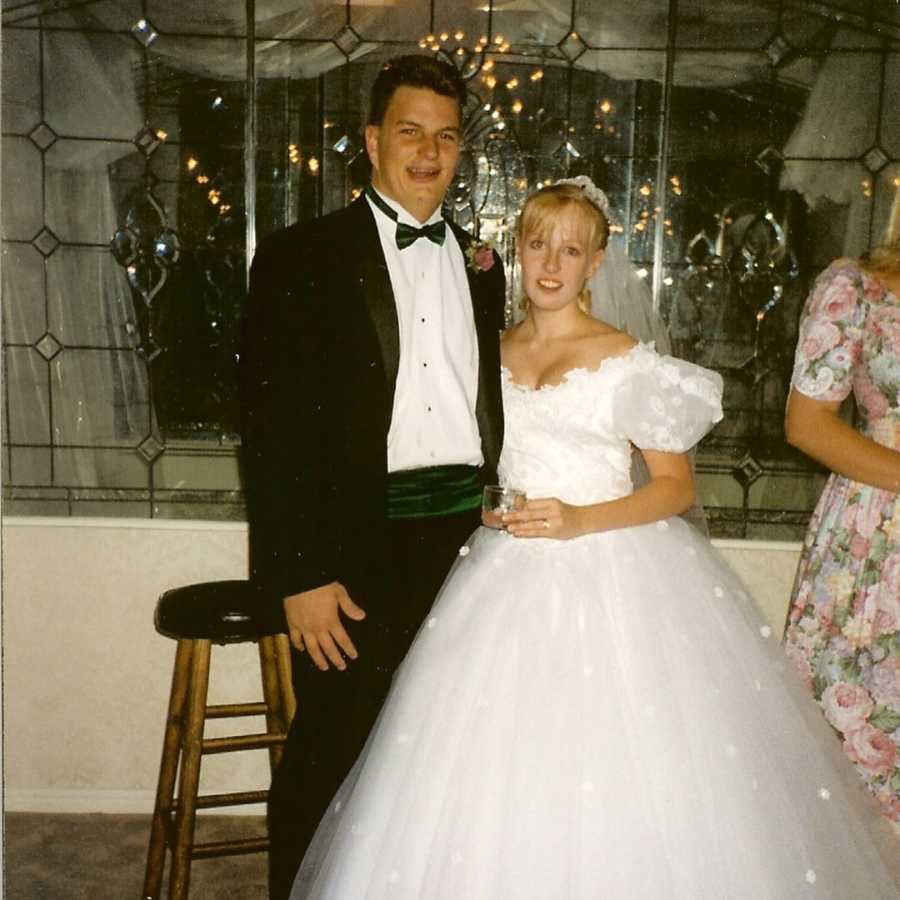
In less than four years, we welcomed three beautiful children. Kris joined the Army Reserve, meaning we spent long stretches apart. Despite his active lifestyle and multiple knee surgeries, he always pushed forward. Four years later, we had our fourth child, completing our family. Life wasn’t perfect—we fought, we made up—but we faced every challenge together: health struggles, job loss, moving, children struggling in school, the death of loved ones, and countless other trials life threw our way. And somehow, we made it through. Over time, we learned how we functioned as a family, what worked for us, and what didn’t. Ultimately, we were happy.
On November 11, 2010, everything changed. It started as a normal evening—Kris picked me up from work, and we headed home. The kids had transformed our basement into a mini theater to watch a Harry Potter movie in anticipation of the new one in theaters. I hesitated at first since it was late and a school night, but Kris insisted. I relented, and we snacked and enjoyed the movie together, eventually dozing off on a bean bag chair. Unable to sleep there, I moved to our bed.
The next morning, I went downstairs to get the kids ready for school and check on Kris. He had long battled Crohn’s disease, and nights of discomfort often left him resting deeply. That morning, he didn’t wake easily, so I let him sleep. I called his boss to let her know, and after seeing the kids off, I returned to wake him. His heavy snoring seemed normal, but when it didn’t stop, I laid down beside him for a brief rest.
The last words Kris said to me the night before were “I love you.” I remember lying there, thinking about them as I drifted to sleep. At some point, I realized he was no longer breathing, and panic set in. By chance, my sister-in-law had stopped by. We called 911 and followed instructions for CPR, but when the paramedics arrived, it was already too late. He was gone. What I had mistaken for deep snoring was the “death rattle,” a sound I can still hear in my memory.
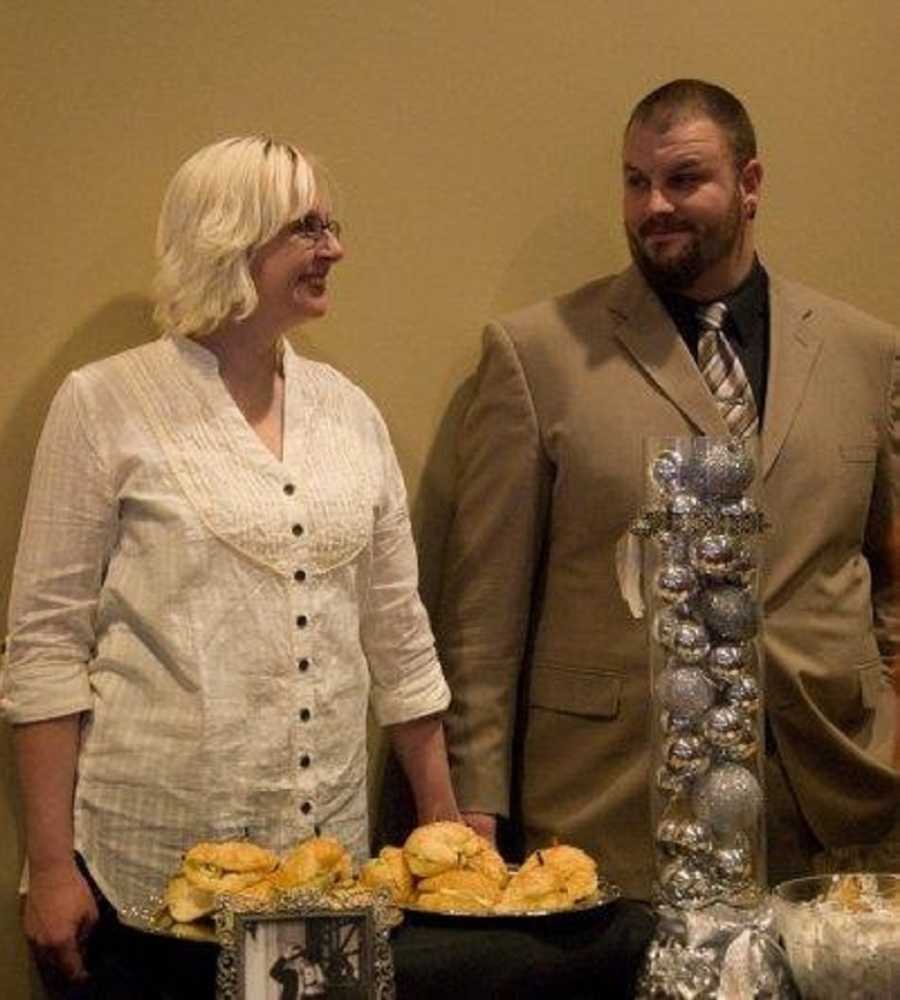
The days surrounding his death are mostly a blur, moments of clarity scattered amidst grief. Friends and family helped in their own ways, unsure how to navigate our pain. I remember picking up the autopsy report and driving to my doctor, demanding answers. He had multiple prescription medications in his system, but the doses weren’t excessive—just a tragic, accidental combination. My husband’s death was not intentional, and I needed to understand it.
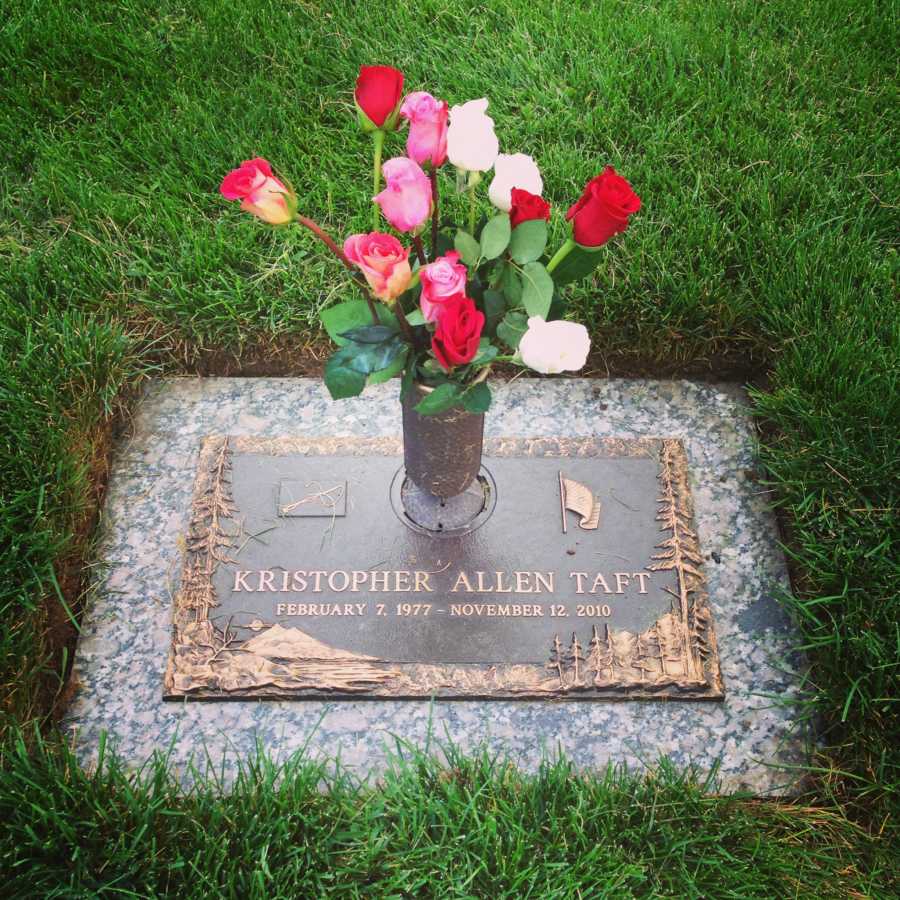
In the months that followed, I focused everything on my children. That first year, I drifted through what they call “widow fog,” moving mechanically through each day, curled on the couch in a haze. Eventually, I returned to school to earn my English Education degree, juggling late nights of homework with wrestling meets and drill competitions. Slowly, life began to take shape again.
Dating became an unexpected source of healing. My children had concerns, and I had rules: they wouldn’t meet anyone unless it was serious, and I aimed to date widowers who could understand loss. Still, getting out and meeting new people forced me out of the introverted shell I had created for myself. Then I met Mike.
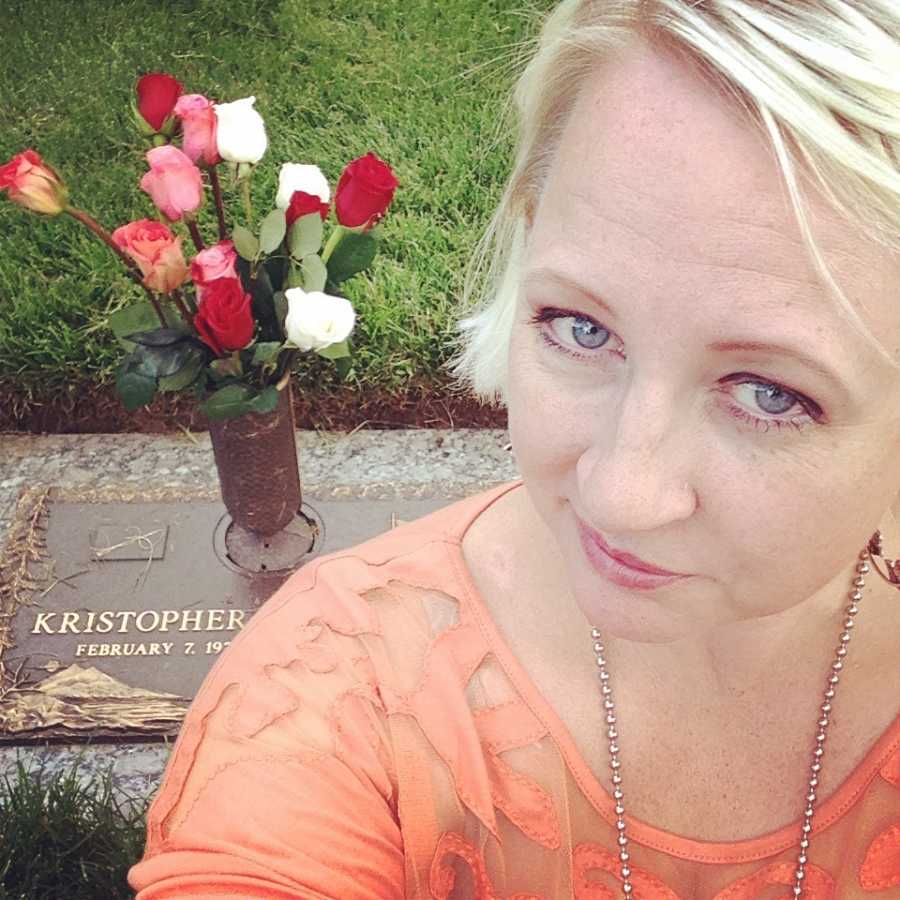
On our first date, I told him I had no intention of marrying again, yet he immediately drew me out of my comfort zone. We drove into the middle of nowhere to “look for owls,” a quirky plan driven by his desire to keep the date going and his love of birdwatching. It worked. After a few months, when he asked to date exclusively, I said yes without hesitation. My kids were cautious at first, trying to intimidate him, but he stayed. Mike had three children himself—one living with his ex-wife, two shared between households. Slowly, our families began to merge, sharing playtime, games, and dates.
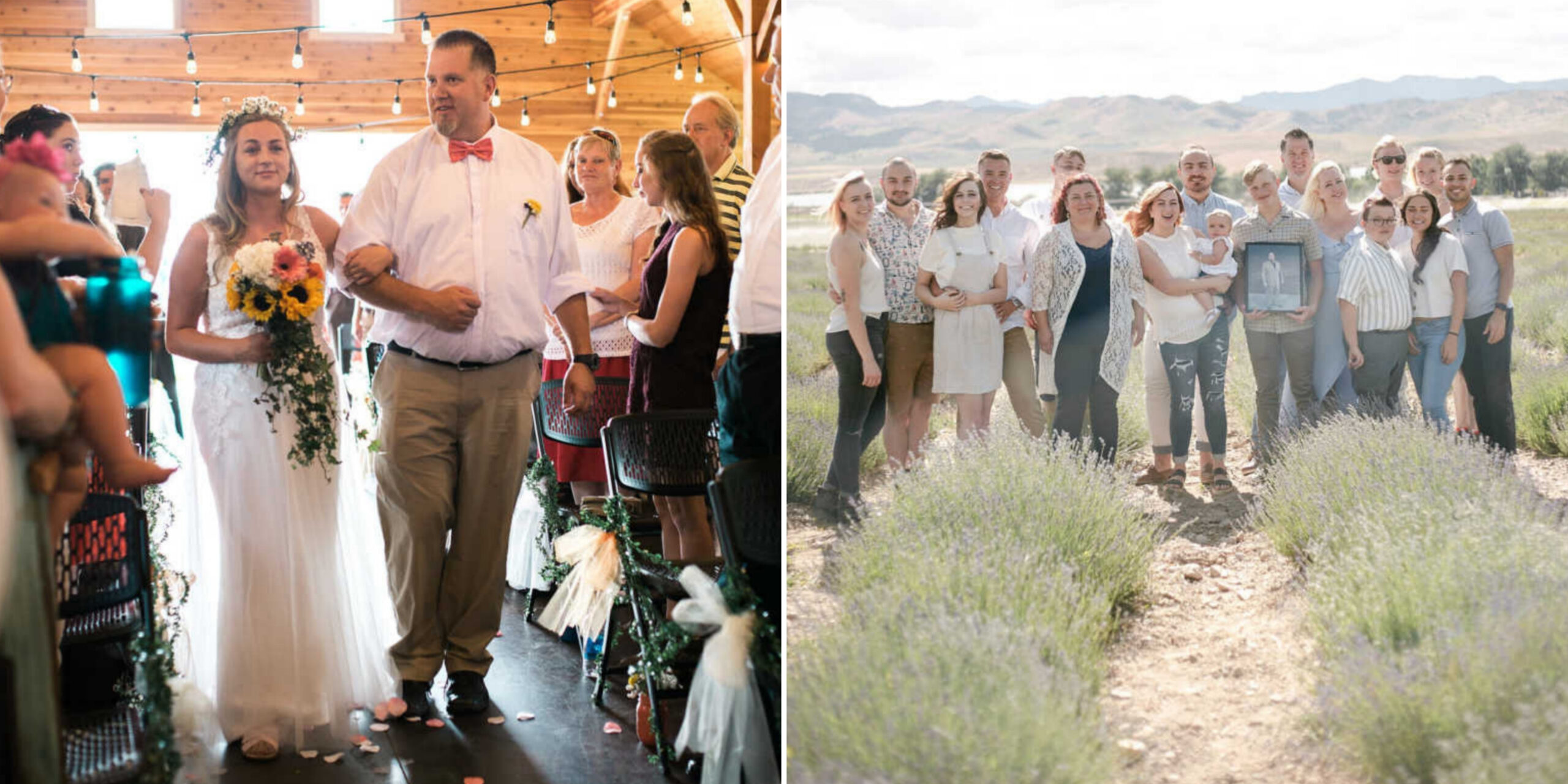
After a year, we moved in together. Our youngest sons share a room and get along well; our daughters, the same age, have become inseparable, supporting each other through school, heartbreaks, and life’s ups and downs. While the older children aren’t together as often, they still share love and support, celebrating milestones like my eldest daughter’s wedding and the birth of our first granddaughter. Mike even walked her down the aisle, a profound act of love and acceptance.

Remarkably, I genuinely love Mike’s ex-wife. We attend birthdays together, carpool for events, and take family photos as one unit. When I suggested including her in Christmas traditions, Mike hesitated, but I explained that his children could have both parents present while mine could not. That tradition has continued, creating joy and ease for everyone. Co-parenting thrives when everyone prioritizes the children and supports each other.

Mike will never replace Kris, and he knows it. Our children know it too, yet they are grateful for his presence, love, and dedication. When my daughter married, he stood as her father, not stepfather—a gesture that solidified trust and love.
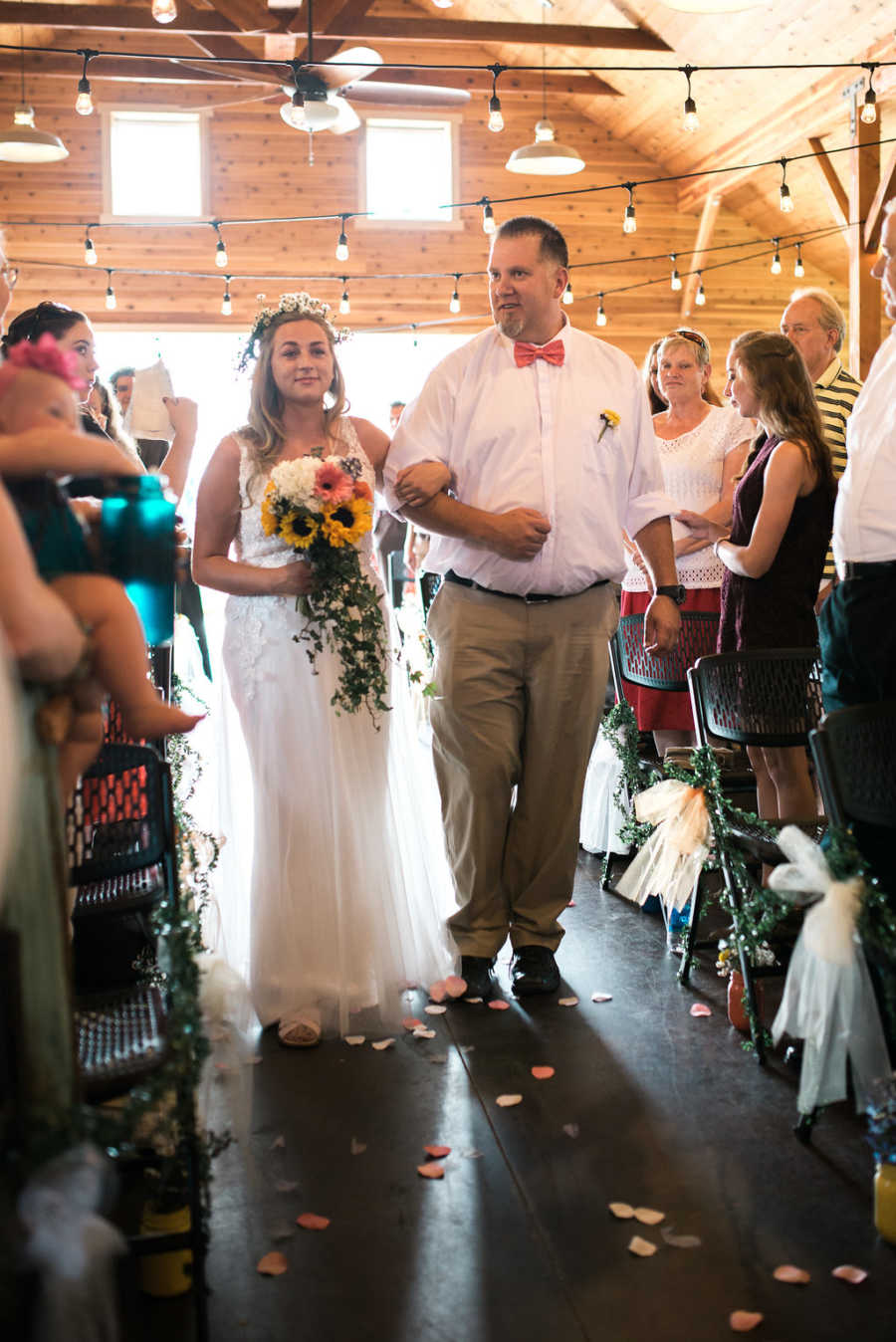
Our family has grown beyond what I ever imagined. Adult children bring partners, and they all feel welcome in our home, safe and loved, even during temporary separations. Mike and I have been together for five years and married for two, learning from past mistakes and growing together. Life is not perfect, but for us, it feels as close as it can be.
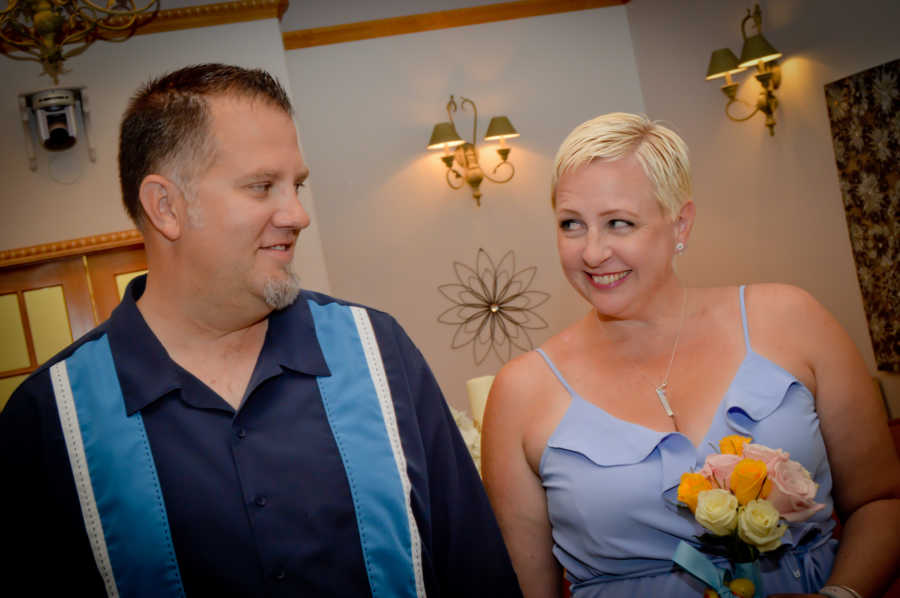
I love that our family is big, vibrant, and ever-growing. Co-parenting teaches me lessons daily, and each part of our blended family adds to the joy and chaos I cherish. This is my family, and I love every piece that makes it ours. The love, the challenges, the laughter—it’s all part of what makes it perfect to me.