As we navigate ways to love and care for each other across differences, I want to share some definitions of terms that have helped me understand the spectrum of welcome: exclusion, tolerance, inclusion, and belonging. While I write here specifically in terms of disability, these concepts can apply to any system that marginalizes individuals or communities.
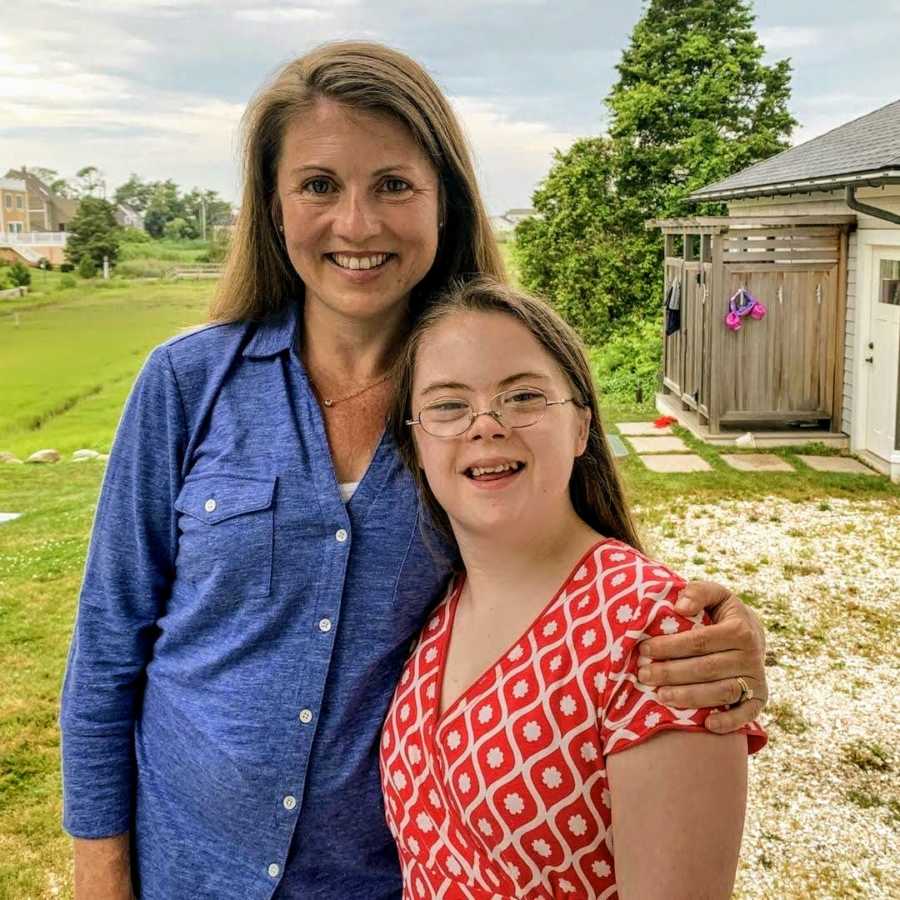
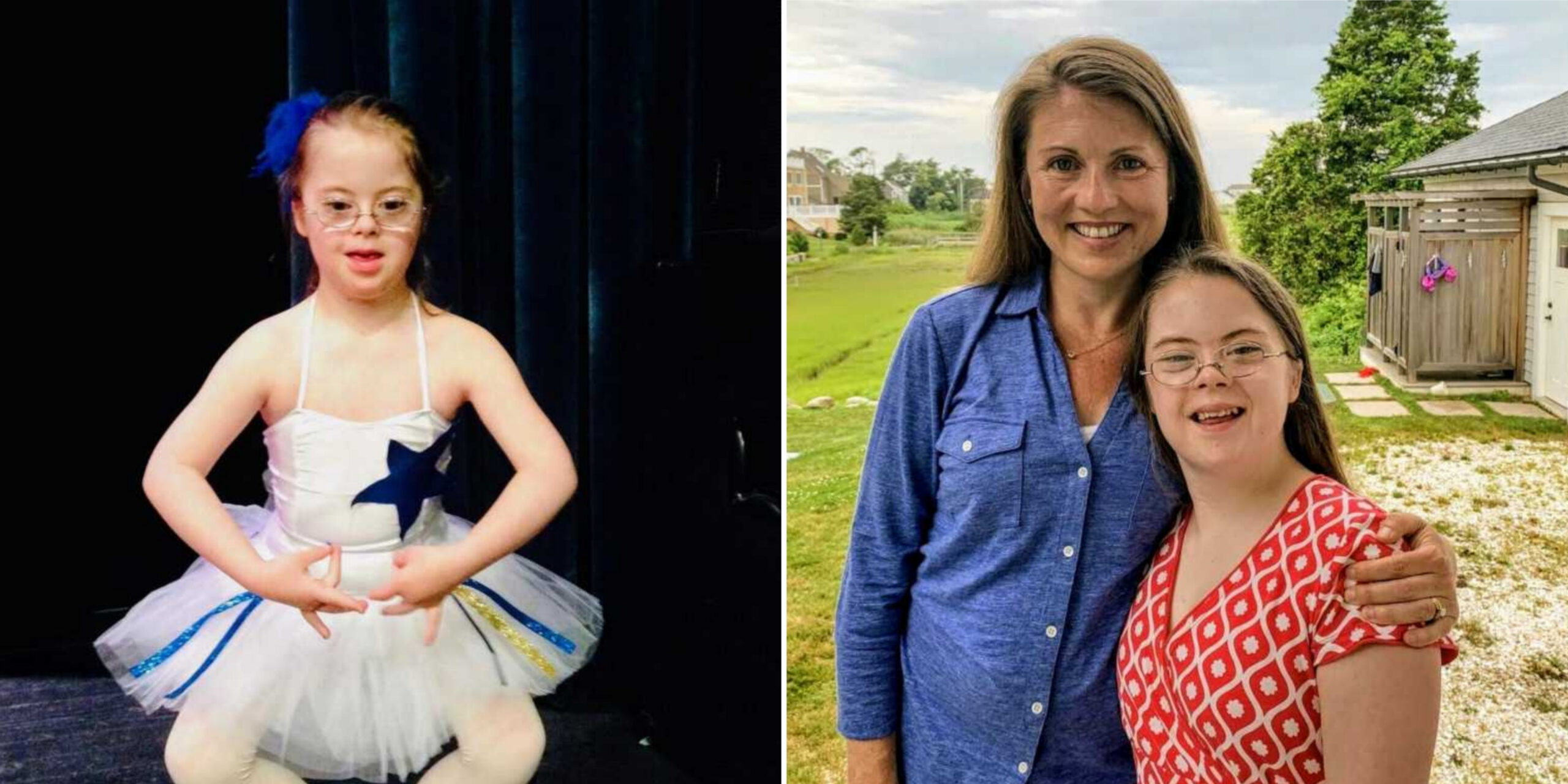
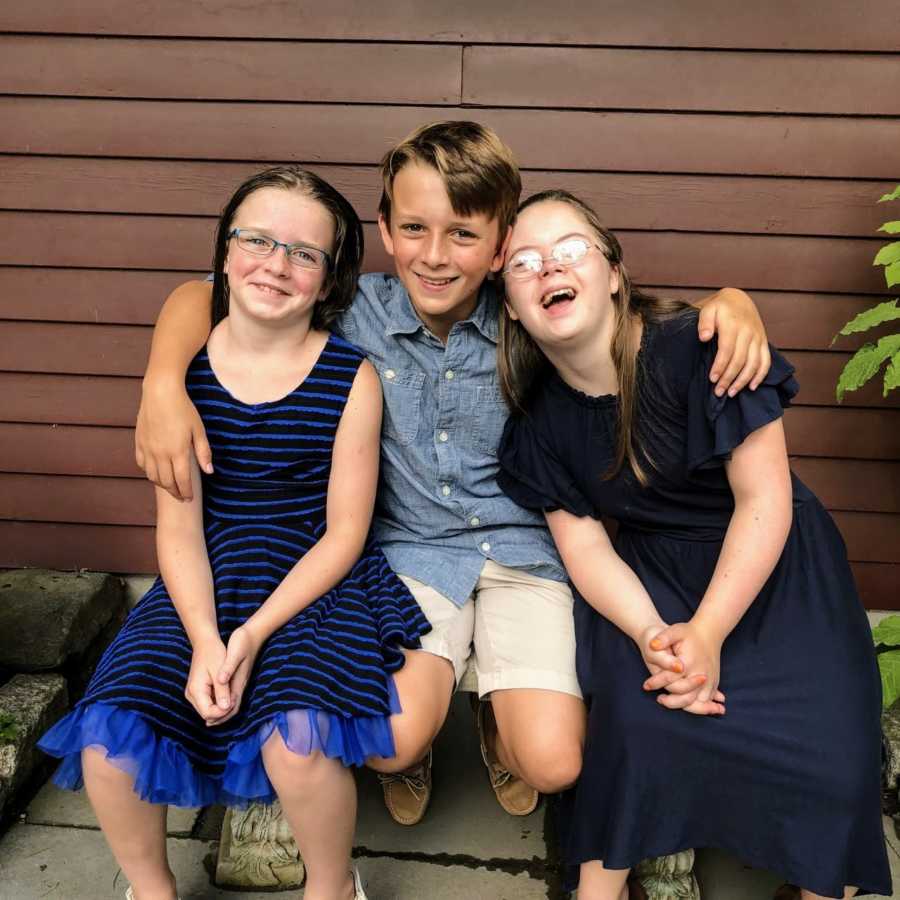
Our daughter Penny was diagnosed with Down syndrome at birth nearly fourteen years ago. When she came into our lives, I feared she would be rejected—by peers, teachers, doctors, and society at large. I worried about doors that might be closed to her simply because of her differences. But over time, I discovered that the vast majority of people are open-hearted and willing to embrace Penny, and to people with Down syndrome and other disabilities.
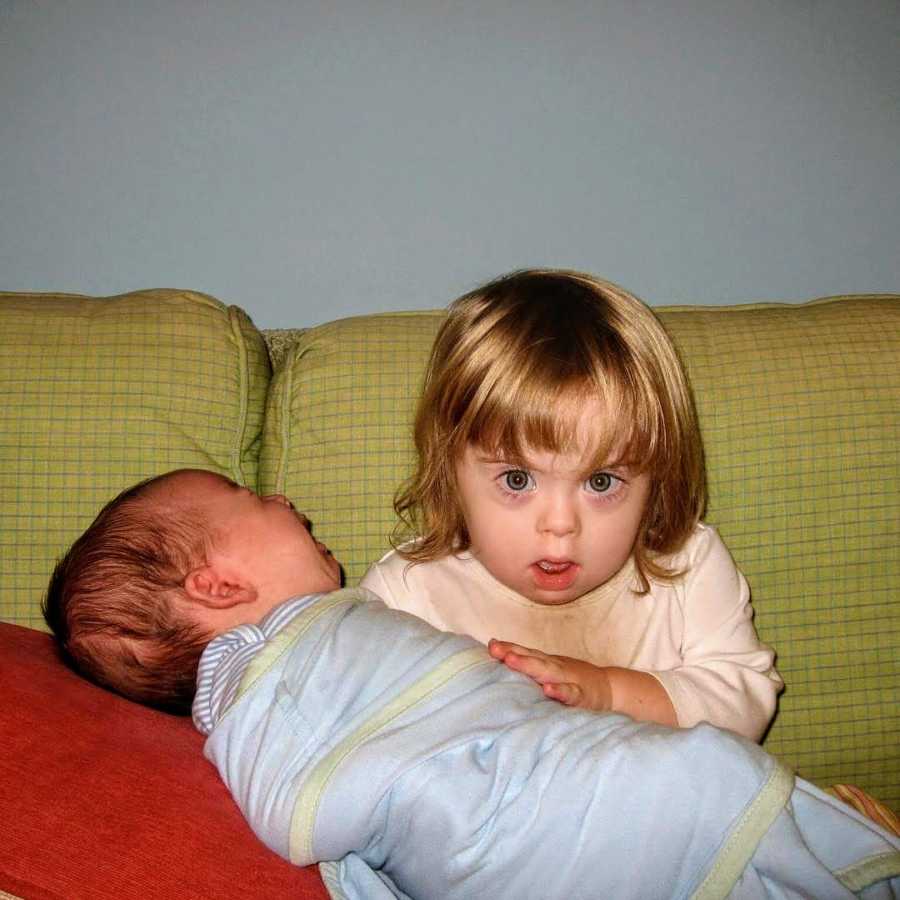
Yet good intentions alone are not enough. Many people have questions about Down syndrome, and often they feel awkward asking them. They may not know anyone with Down syndrome, and so they are unsure how to welcome such a child into their spaces. This gap between intention and reality can leave Penny sidelined from activities—not out of unkindness, but because others struggle to know how to include her.
For as long as Penny has been in my life, I’ve reflected on how to welcome people with differences into our communities. I’ve learned from others, studied the history of people with disabilities in the United States, and observed Penny’s personal experiences. Over time, I’ve realized that welcome exists on a spectrum—a journey from exclusion to belonging.
Exclusion
Recently, I drove past the Southbury Training School, a massive brick institution set back on a sprawling lawn about thirty minutes from our home. I know its history: it once housed thousands of residents. Institutions like this were where families were encouraged to send their children with Down syndrome—often right after birth, or early in childhood. These facilities are stark examples of exclusion.
Over the years, I’ve heard multiple stories from people discovering relatives they never knew they had—family members with Down syndrome hidden away in institutions. One friend learned he had an aunt no one had mentioned. Another never really knew her sister because she had been institutionalized as a child. Yet another discovered a brother only after their father passed away. I first encountered Southbury’s story while reading about the playwright Arthur Miller, who never publicly acknowledged his fourth child, Daniel, who spent most of his life in similar institutions.
Historically, people with Down syndrome, mental illnesses, and other disabilities were often removed from society, excluded from education, opportunity, and meaningful community life. The harm of exclusion reached beyond the individual—it affected entire families. The message was clear: “We don’t want you here.”
Tolerance
Over time, American society began to shift. By the early 1970s, many parents chose to bring their children with Down syndrome home instead of institutionalizing them. Laws like the Individuals with Disabilities Education Act, passed in the mid-1970s, ensured that children with disabilities had access to public education. Slowly, society moved from exclusion to tolerance.
Tolerance allows participation, but it doesn’t always foster true connection. Communities may permit the presence of people with disabilities without actively welcoming them. Churches and schools began recognizing congregants or students with physical or intellectual differences, yet often lacked full integration. Tolerance is neutral—it stops the harm of exclusion but doesn’t transform the system. Its message: “We tolerate your presence here.”
Inclusion
Inclusion requires intention. It moves beyond tolerance toward genuine welcome. Inclusion says: “We want you here.”
For example, when Penny was about to start first grade in New Jersey, the school recommended a self-contained classroom for children with disabilities. But when we moved to Connecticut, she joined a typical first-grade classroom, supported by a paraprofessional and therapists. Inclusion allowed Penny to learn and grow alongside her peers, fully participating in the wider community.
Inclusion benefits everyone—not just those who were once excluded. It enriches the central group by broadening perspectives and fostering empathy. Yet inclusion can still carry an assumption: that the people at the center define the “right” way to behave. Its message: “We would love for you to be here and become like us.”
Belonging
True belonging goes deeper. When Penny was little, she attended an inclusive preschool with typical peers and other children with special needs. She was the only child with Down syndrome in her class. Some friends were on the autism spectrum, one used a wheelchair, and others were non-verbal.
One birthday party demonstrated the power of belonging. The host parent carefully asked each family about allergies, fears, and abilities. Every detail—food, activities, even the pony ride—was planned to ensure that each child could fully participate. Some kids declined certain activities, but all felt welcomed. The emphasis was not just on inclusion, but on creating a space where each child truly belonged.
Professor Erik Carter of Vanderbilt University notes that belonging does not require heroic measures or large budgets. It isn’t a policy—it’s a posture. Belonging grows from humility: those at the center offer their gifts and, in turn, gratefully receive the gifts of those on the margins. Belonging is a reciprocal, heartfelt exchange: “We are not us without you.”
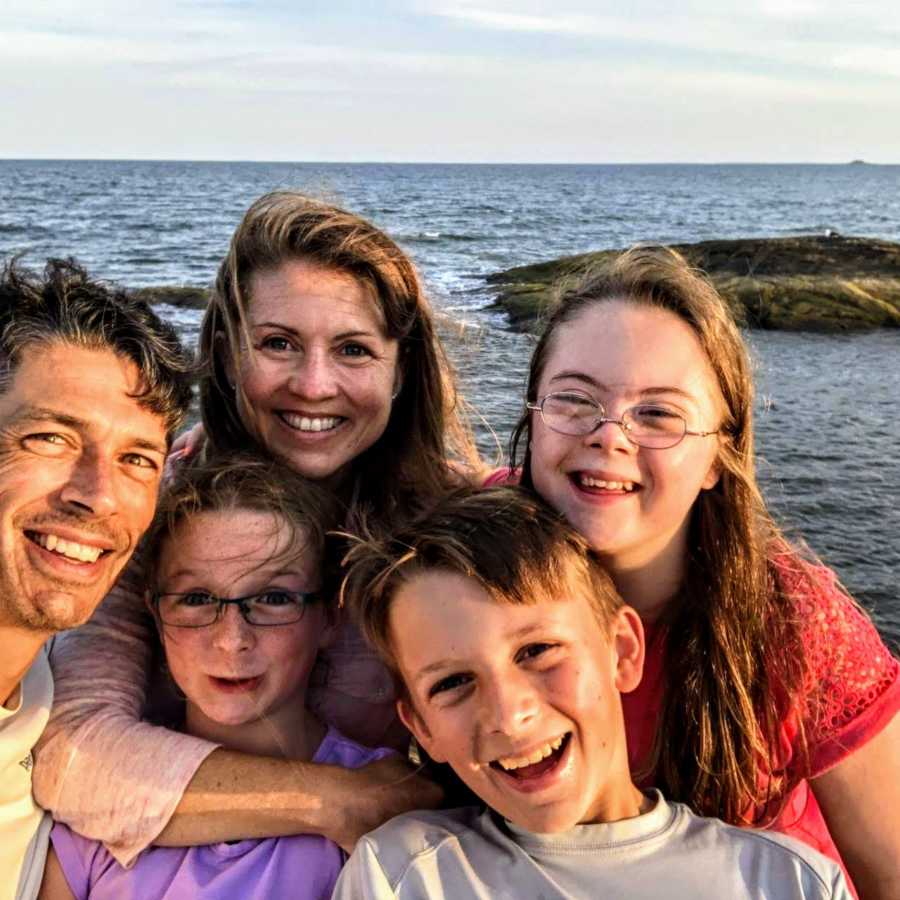
True community extends beyond inclusion. It is realized when we recognize our shared humanity and learn from each other’s diverse experiences. Belonging transforms all participants. It can flourish in schools, churches, friendships, and virtually any communal structure.
For those of us at the social center, building authentic relationships with people who have been marginalized requires more than tolerance or inclusion. It requires a commitment to belonging—moving together from communities of exclusion to spaces where everyone can thrive, side by side.