Ever since I can remember, I’ve wanted to be a mother. So it came as no surprise that not long after I met my now-husband, Eric, we decided we wanted to start a family together.
Like most couples beginning their trying-to-conceive journey, we assumed it would be simple—try, get pregnant, have a baby. That was the picture in our minds. So when six months passed with no positive test, worry began to creep in. I scheduled an appointment with my family doctor and had blood work done. I’d never had regular periods, and I assumed that might be the issue. The tests came back normal, and my irregular cycles were chalked up to stress. It wouldn’t be until many years later that I learned I actually had PCOS.
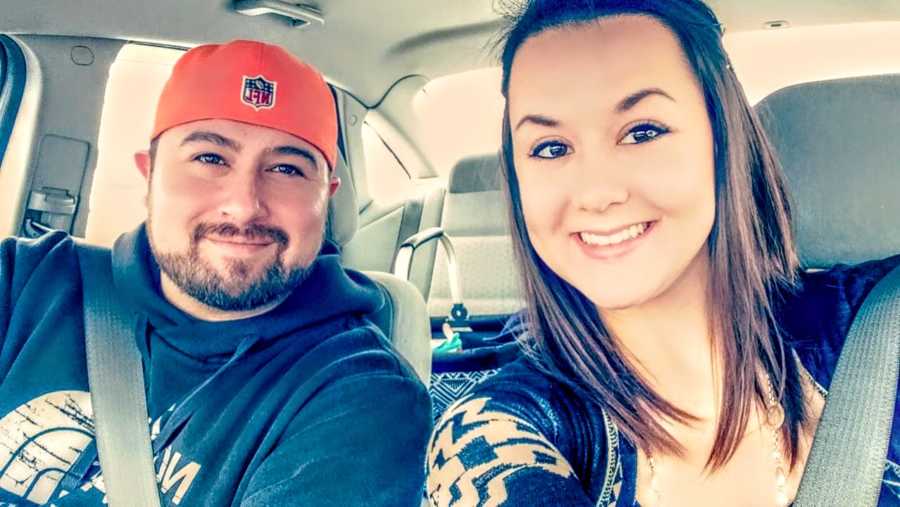
At the eight-month mark, in September 2014, everything changed. I took a pregnancy test a few days before my missed period, fully expecting a negative. Instead, a faint second pink line appeared. I stared at it in disbelief. Unsure of what to do, I texted my best friend a picture, and she confirmed what I was afraid to believe—I was pregnant. She told me to test again the next morning. I wanted to be absolutely certain before telling Eric, so I waited.
The next test was positive too. I wrote “Hi, Dad” on the cassette and handed it to Eric when he came home from work. His joy was instant—he wrapped me in his arms, kissing me over and over. It was the happiest day of our lives. We were overflowing with hope, and looking back now, incredibly naïve.
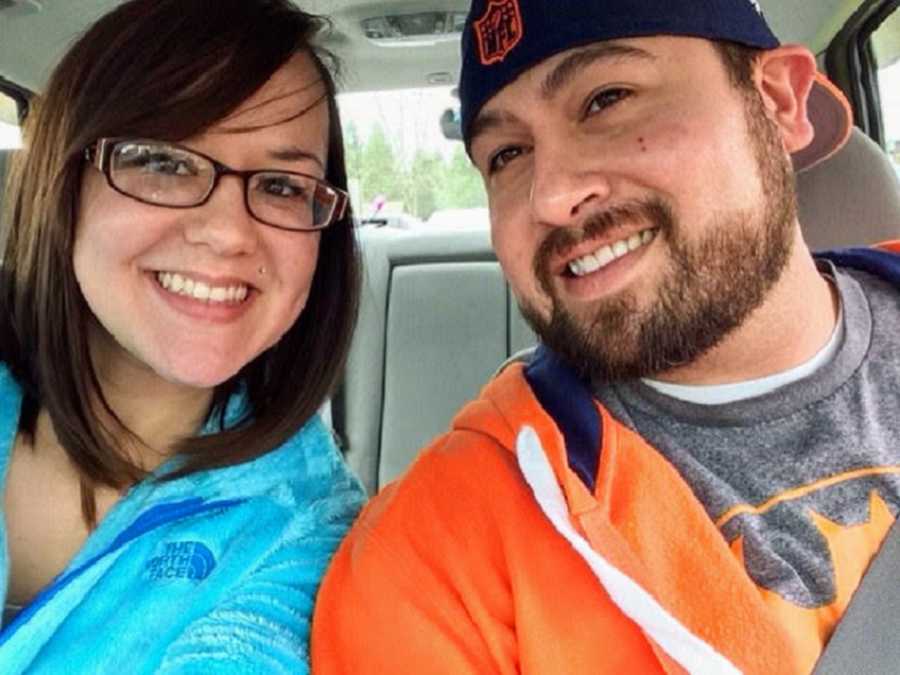
That weekend felt magical. Eric proposed in our candlelit living room, and we spent the days that followed simply being young, in love, and excited for our future. But around seven weeks into the pregnancy, trouble began.
I remember that day vividly. After a long day chasing my class of two-year-olds, I stopped to use the restroom before heading home. I felt fine—no cramps, just the usual nausea and thirst of early pregnancy. Then I looked down and saw red. My heart dropped.
I panicked immediately, crying as fear took over. I left work without a word and called Eric on the drive home, my voice shaking as I told him what had happened. He didn’t hesitate—he left work and met me at home. The drive felt endless. I could barely see through my tears and remember yelling in frustration while stuck behind a slow-moving car, desperate to just get home and be held.
When I arrived, Eric met me in the driveway, and we collapsed into each other, sobbing. That night, we tried to comfort ourselves with phrases like, “At least it happened early,” and “At least we know we can get pregnant.” But deep down, we knew we were losing something precious. Because it was after hours and my doctor couldn’t be reached, I convinced myself that going to the ER at only seven weeks wouldn’t help.
That night stretched on endlessly. While waiting for morning, I searched online and found a clinic that offered early ultrasounds. I called and explained everything. The nurse told me to come in to confirm whether I was miscarrying. I went in bracing myself for the worst.
Instead, the nurse pointed to the screen and showed me a tiny flicker—my baby’s heartbeat. “Must be a fighter, because there he is,” she said. I burst into tears, staring at that blinking little bean in complete awe.
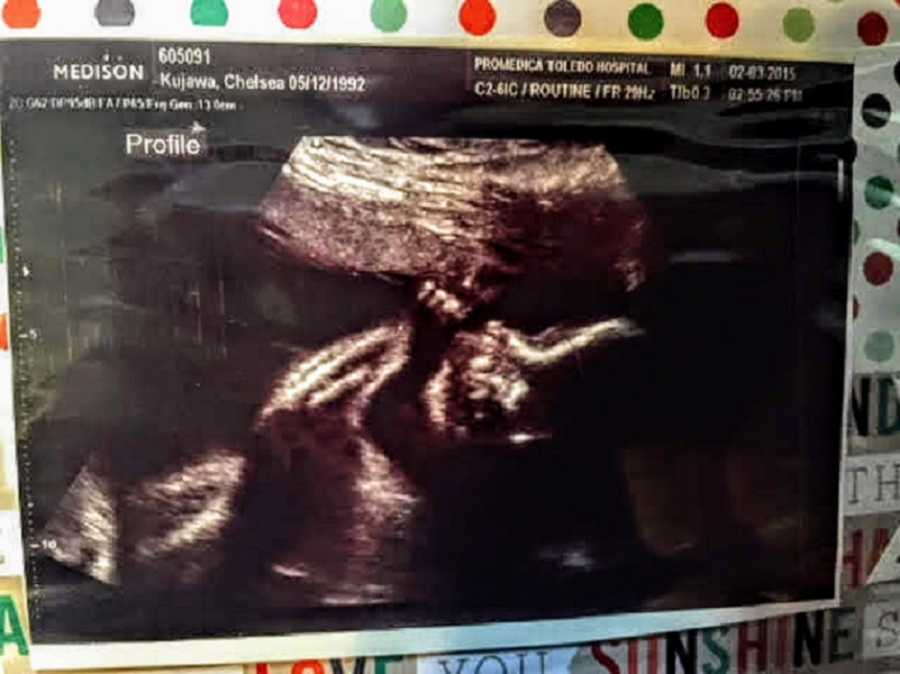
The following weeks were relatively quiet. I had occasional spotting, but nothing like that first day. As we approached twelve weeks, my confidence grew—until one night when everything changed again.
I woke up around 2 a.m. with a sharp, stabbing pain in my pelvis. I thought I needed the bathroom, but standing was nearly impossible. Fear rushed in as I turned on the light. Before I could even process what was happening, blood began pouring out—more than I had ever seen. The pain was unbearable. I screamed for Eric as we rushed to the hospital, clinging to hope that someone could help our baby.
At the ER, we were seen quickly. I felt relieved, thinking they would check the heartbeat, do bloodwork, reassure us. Instead, the doctor looked at me and said, “I’m sorry, there’s nothing we can do. You’re most likely losing your baby.”
I couldn’t believe it. I begged them to check—to do an ultrasound, use a Doppler, anything. The doctor simply shook his head and said the heartbeat is often the last thing to go. We were dismissed and told to call my OB in the morning. We left shattered, confused, and terrified.
The next morning, still bleeding heavily, we went straight to my OB’s office. No shower, no hesitation—just desperation. My OB warned us that we likely wouldn’t hear anything and were probably there to confirm a miscarriage. We understood and waited.
Then suddenly—WHOMP. WHOMP. WHOMP.
The nurse burst into the room, sobbing. “THERE’S A HEARTBEAT!” she shouted. Joy exploded in that tiny room as staff poured in to celebrate with us.
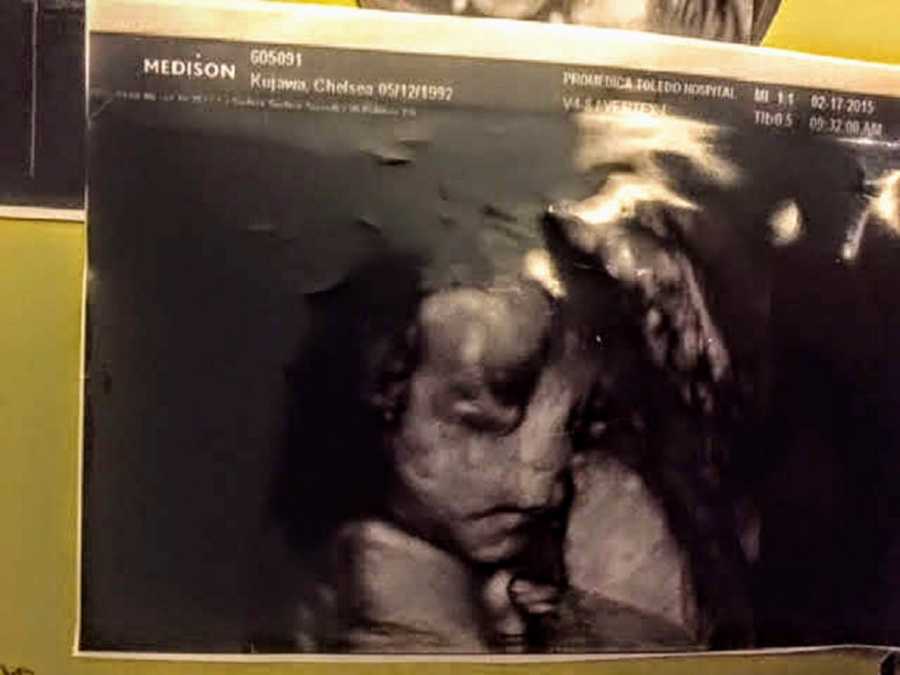
But we weren’t safe yet. An ultrasound revealed the cause of the bleeding: a subchorionic hemorrhage, a pool of blood between my uterus and placenta. It caused intense pain and bleeding and lingered until around 20 weeks before healing. And as if that weren’t enough, that same ultrasound revealed something else—a cystic hygroma along our baby’s entire spinal cord.
The doctors explained that cystic hygromas are often linked to chromosomal abnormalities. Ours was large—3mm wide. We were told our baby might have Trisomy 13, Trisomy 18, Noonan syndrome, Edwards syndrome, or Down syndrome. The prognosis was devastating. We were told our son likely wouldn’t survive or have any quality of life—and we were urged to terminate the pregnancy.
We went home in shock. And yes, we considered it—for ourselves and for our baby. I was grateful to have the choice, because no one should ever be forced into a decision like that.
The weeks that followed blurred together. One night at a family gathering, my mom could tell I was unraveling. In my grandmother’s bathroom, I broke down and told her, “I can’t birth a baby just to bury it.” She held me, told me I was brave, and promised to support me no matter what. I needed that more than she’ll ever know.
After many tears and prayers, Eric and I decided to give that 30% chance a chance. We leaned into faith for the first time and asked for prayers. At 16 weeks, we had an amniocentesis—and learned we were having a boy.

When the results came back, no one could believe it. Our baby was healthy. No chromosomal issues. No heart defects. Nothing. The cystic hygroma eventually dissolved by 32 weeks, leaving only excess neck skin that would fade after birth. Doctors called it unexplainable. We called it a miracle.
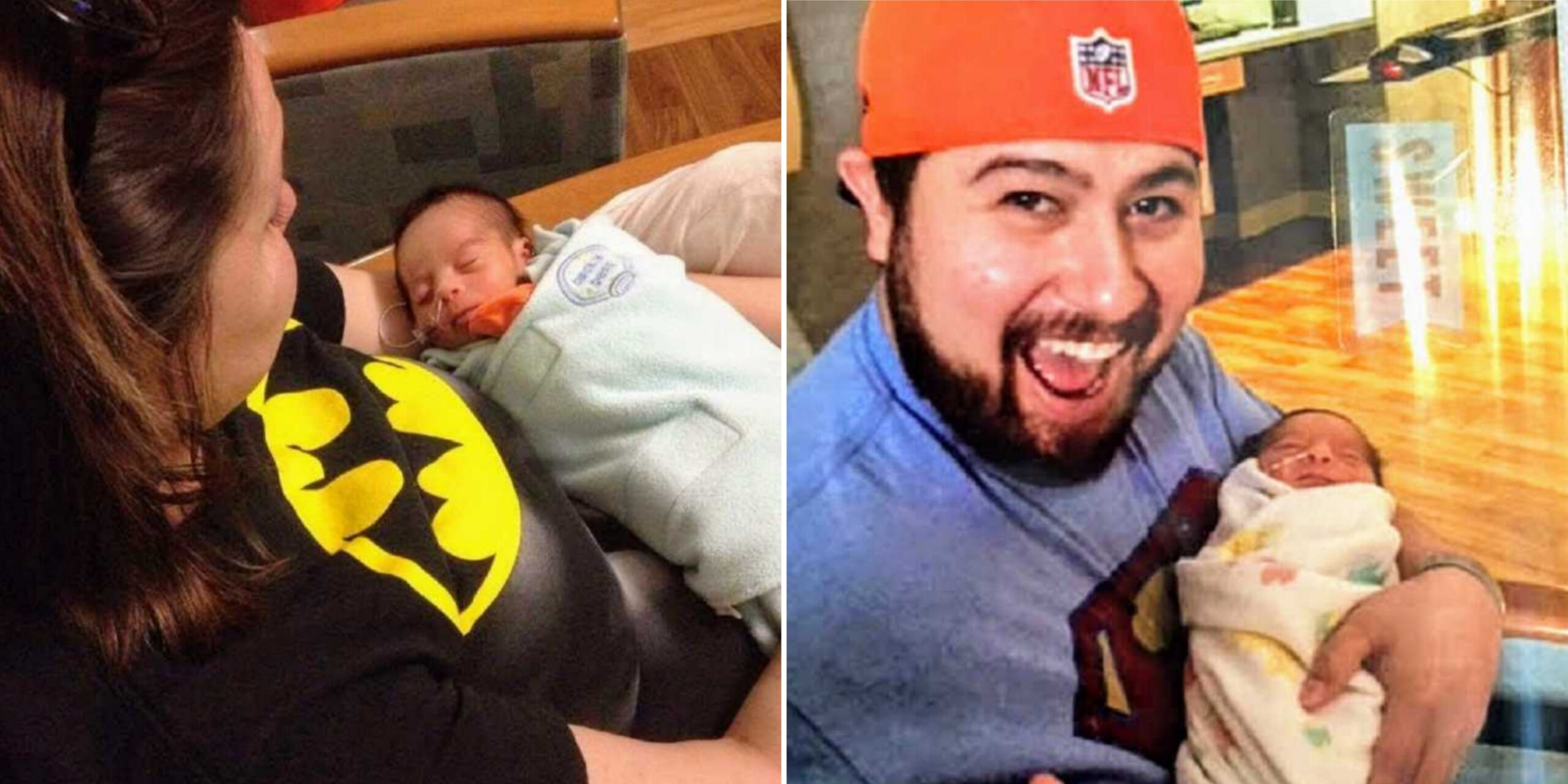
Two weeks later, on April 19, 2015, I went into labor and delivered six weeks early on April 20. Despite being premature, our son was healthy—except he couldn’t suck or swallow properly.
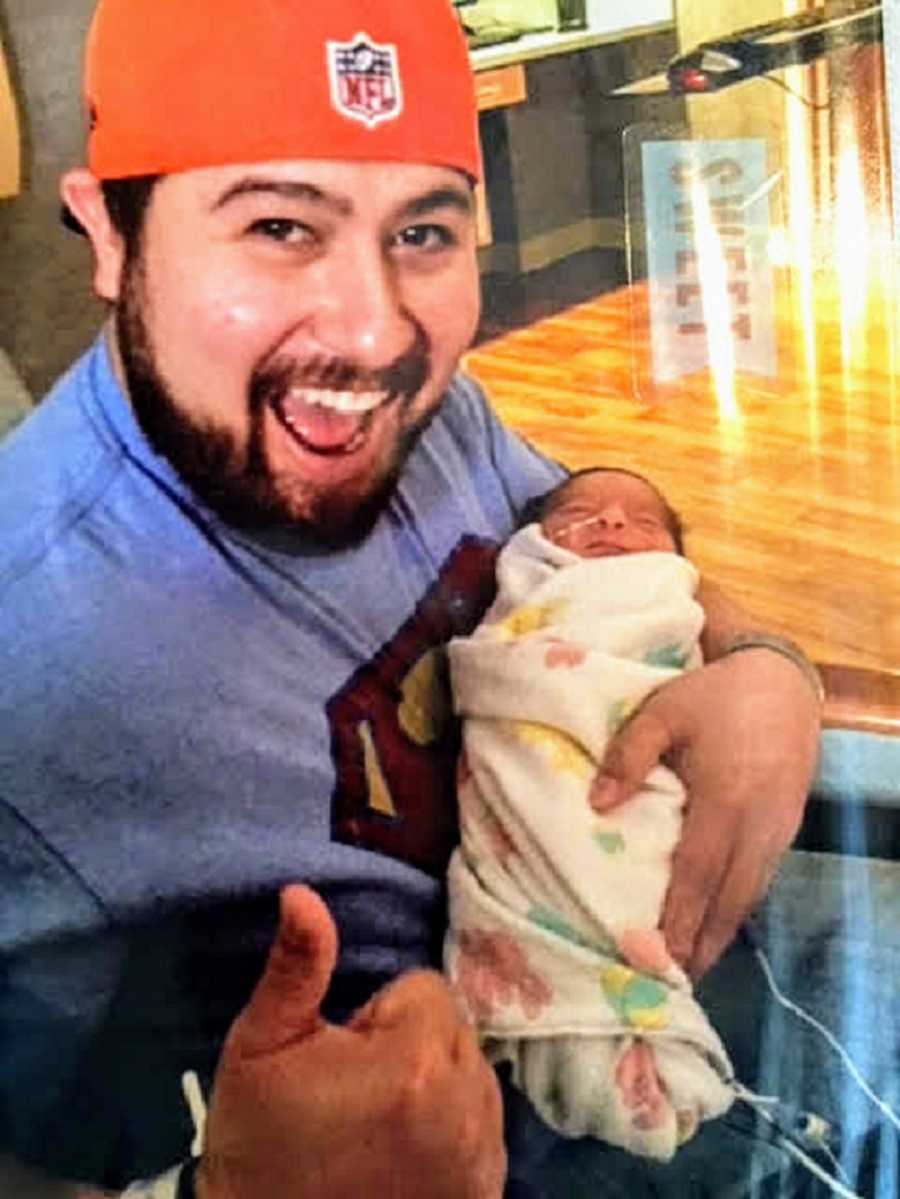
He spent two weeks in the NICU learning how to eat and grow. Those weeks were exhausting and emotional, filled with setbacks and victories. I’ll forever be grateful to the nurses who cared for him when I couldn’t.
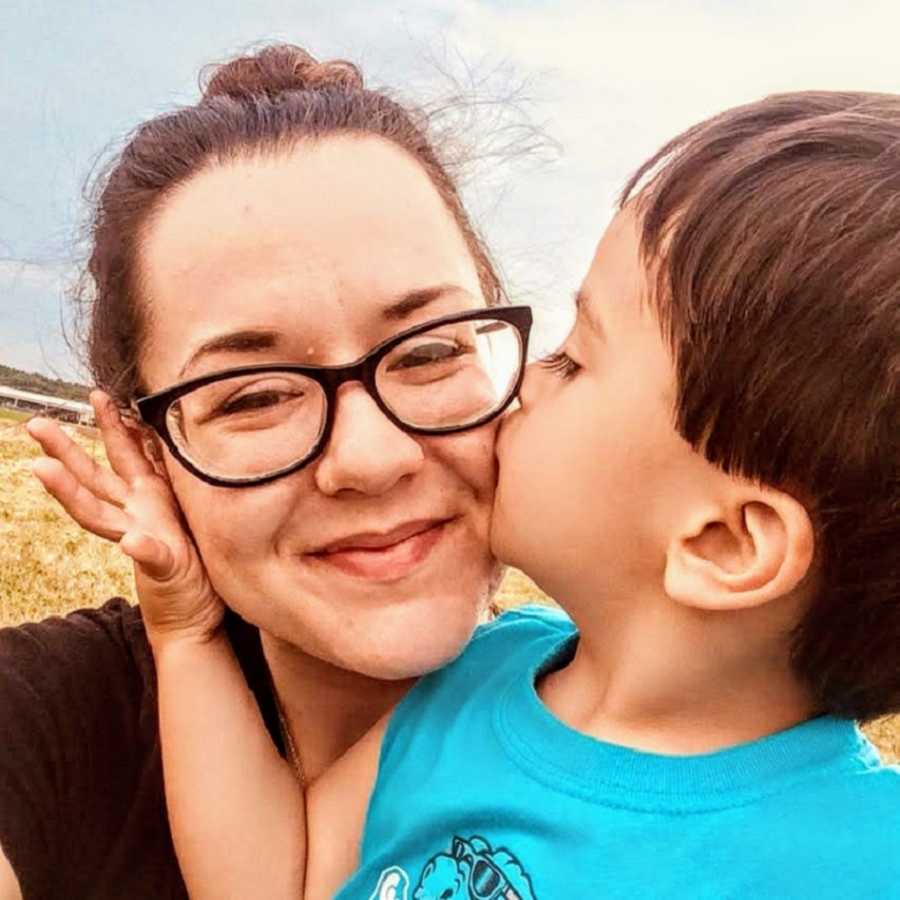
Today, our son is four years old and absolutely perfect. Every tear, every fear, every heartbreak was worth it. And for him, I would do it all again—without hesitation.