After experiencing an ectopic pregnancy in July 2015, I was overjoyed to discover I was pregnant again in December of the same year. I still remember the early ultrasound, the anxious anticipation, and the doctor saying, “Everything is looking good.” Relief washed over me. From that moment, my pregnancy seemed textbook-perfect. I followed every recommendation, attended extra blood tests, and received clear results from the 10-week NIPT, the 12-week, and the 20-week scans. I felt healthy, strong, and prepared. I planned energetically for what I imagined would be the perfect pregnancy—I practiced yoga and Pilates, ate organic foods, took my vitamins and supplements religiously, played classical music for the baby, and read every calm birth and parenting book I could find. I wanted everything to be just right.
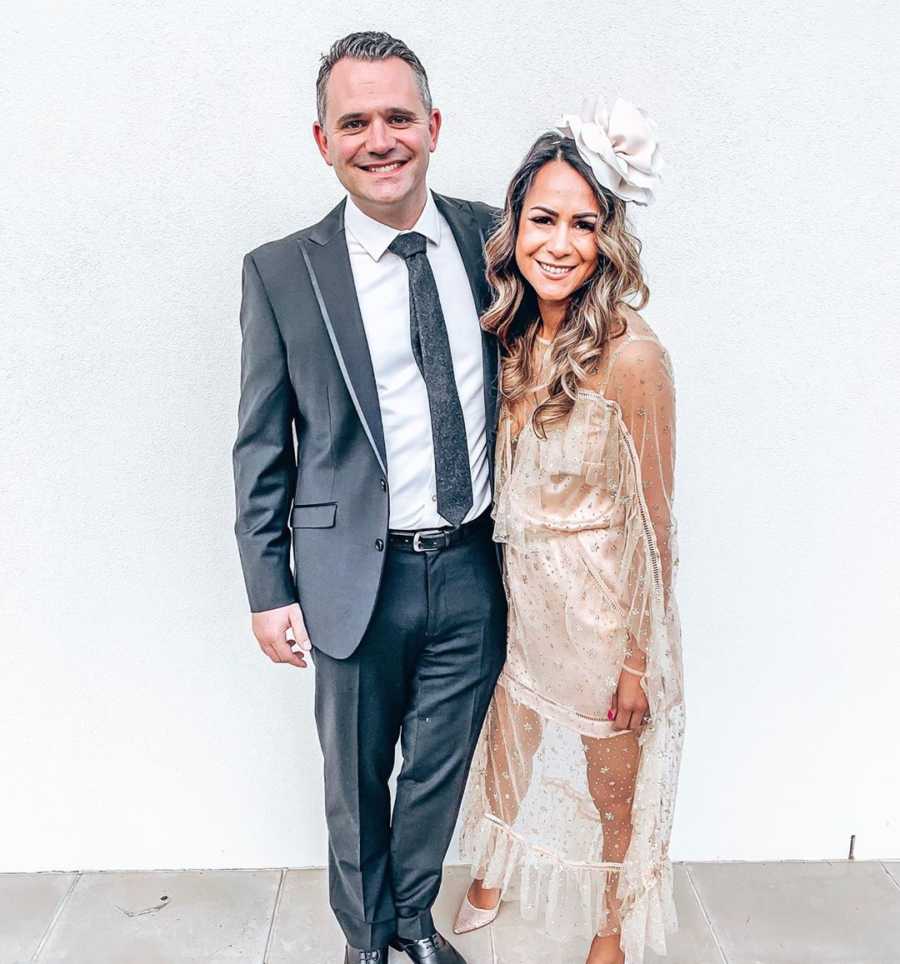
Everything felt smooth and normal until 36 weeks, when my OB sent me for a routine sizing scan. My husband, William, and I walked into the ultrasound expecting the usual joyful peek at our baby, one last glimpse before meeting them in person. But something felt off. The fetal medicine specialist was taking longer than usual. A flash of panic surged through me, and then she spoke: “The brain development we would expect to see is not visible.” My world tilted. “I’m sorry,” she added softly. I went hot, then clammy, then cold, and the tears came. I called my Dad—he is a doctor—and hearing his voice when I told him what had happened, I will never forget: “Oh God,” he said. That was when the gravity of the situation began to sink in. I saw my OB being hugged by another OB before we were called in, and I realized just how serious it was.
We were referred for a fetal MRI, and the results were devastating. The folds in our baby’s brain were missing. We were told to prepare for a general life expectancy of around two years. The geneticist’s words cut like knives: “Even if the baby survives longer, they will not walk, talk, communicate, smile, or eat.” He explained that our baby had Lissencephaly, possibly the severe form called Miller Dieker Syndrome. We wouldn’t know for certain until birth. Diagnosis day is forever etched in our hearts—the shock, the grief, the despair, and yet, amid it all, an overwhelming love for each other and for our little one. I remember vomiting in the car on the way home. Those days were an emotional storm of fear, sadness, and yet an unshakable love that burned brighter than anything I had ever felt.
From that point, I went into what William called “reporter mode.” I needed answers: the best doctors, the best care, any chance to help our baby. That search led us to Dr. Mills, Lily’s future doctor, who guided us with compassion and gave us confidence to care for our baby. We decided on minimal medical intervention, allowing Lily to arrive in her own time.
Six weeks later, I went into labor naturally. After twelve agonizing hours, Lily was born. She didn’t cry at first, too busy trying to breathe. The room was hushed, every eye on her. And yet, she was breathtakingly beautiful. Holding her skin-to-skin, I felt time stop. Despite the fear of what was to come, our baby was here, and we soaked in every second.
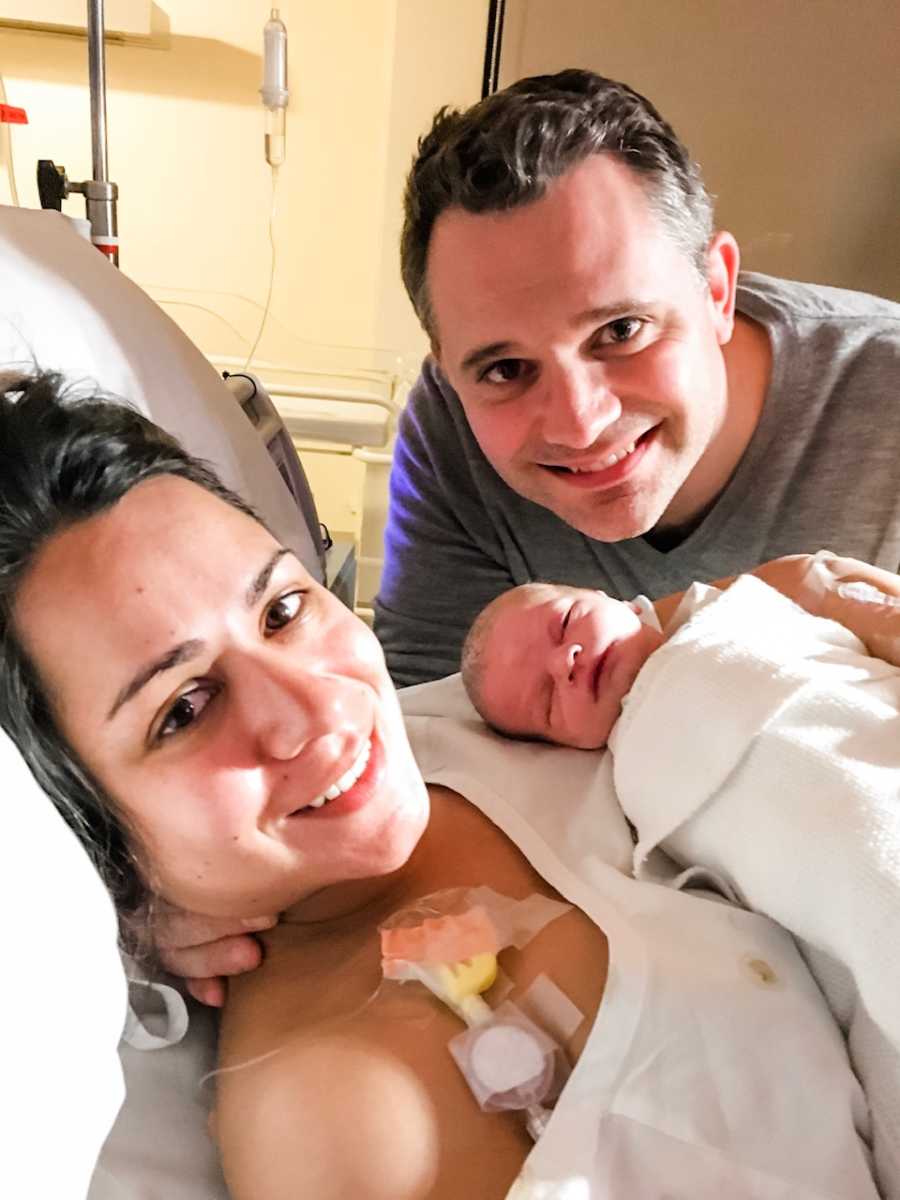
Lily’s early hours were tense. She struggled to breathe, and we didn’t know if she’d make it through the night. I remember drinking tea, feeling surreal, determined to keep her with me. If her life was measured in hours, she would spend them in her parents’ arms. And then, our brave little girl began to turn a corner.
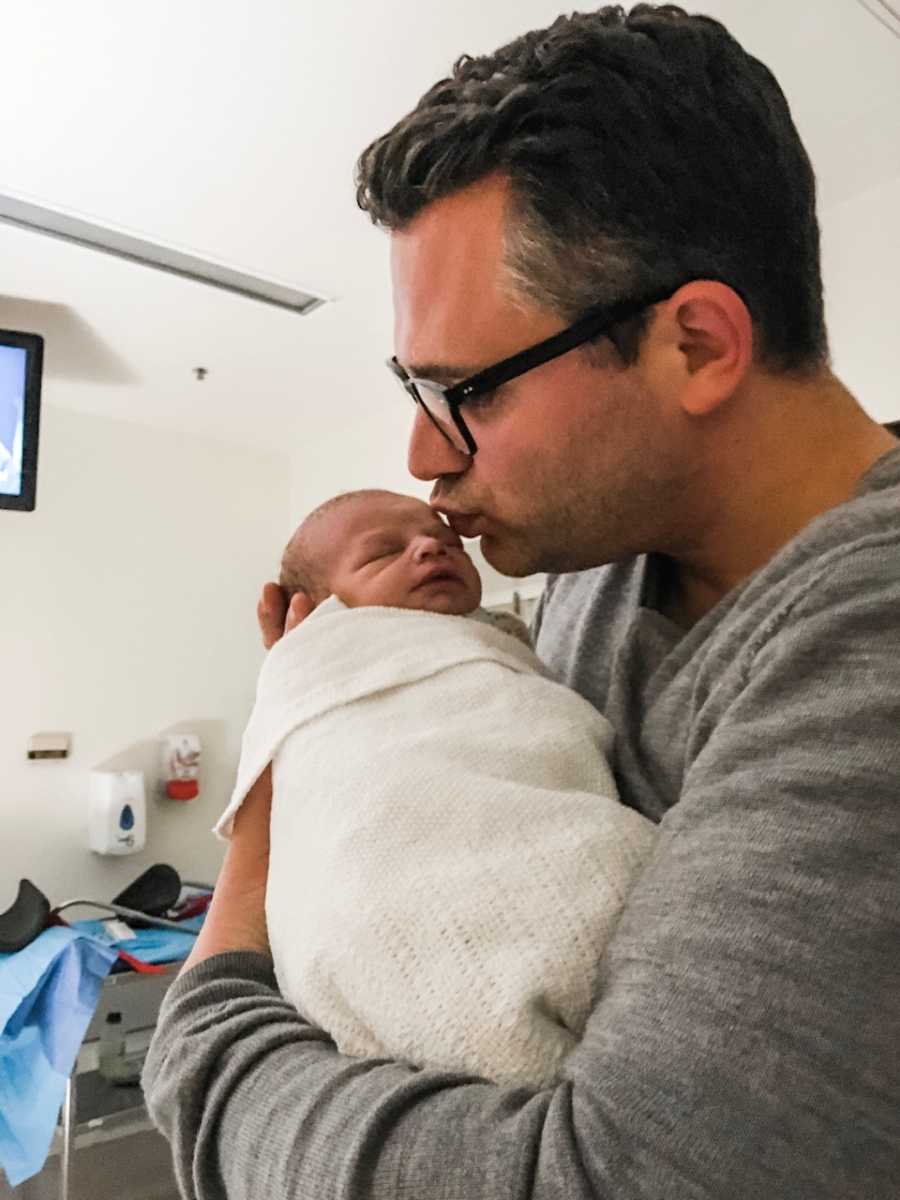
William was my rock. He guided me through contractions, whispered encouragement, and was a hands-on dad from the very first moments. Lily loved him instantly. Feeding was a concern, but she defied expectations: by day one she took a bottle, by day two she breastfed. On day six, we brought her home, our little family together. Those early weeks were calm, precious, filled with quiet moments of just holding her and marveling at her tiny, perfect face, knowing we couldn’t take a single day for granted.
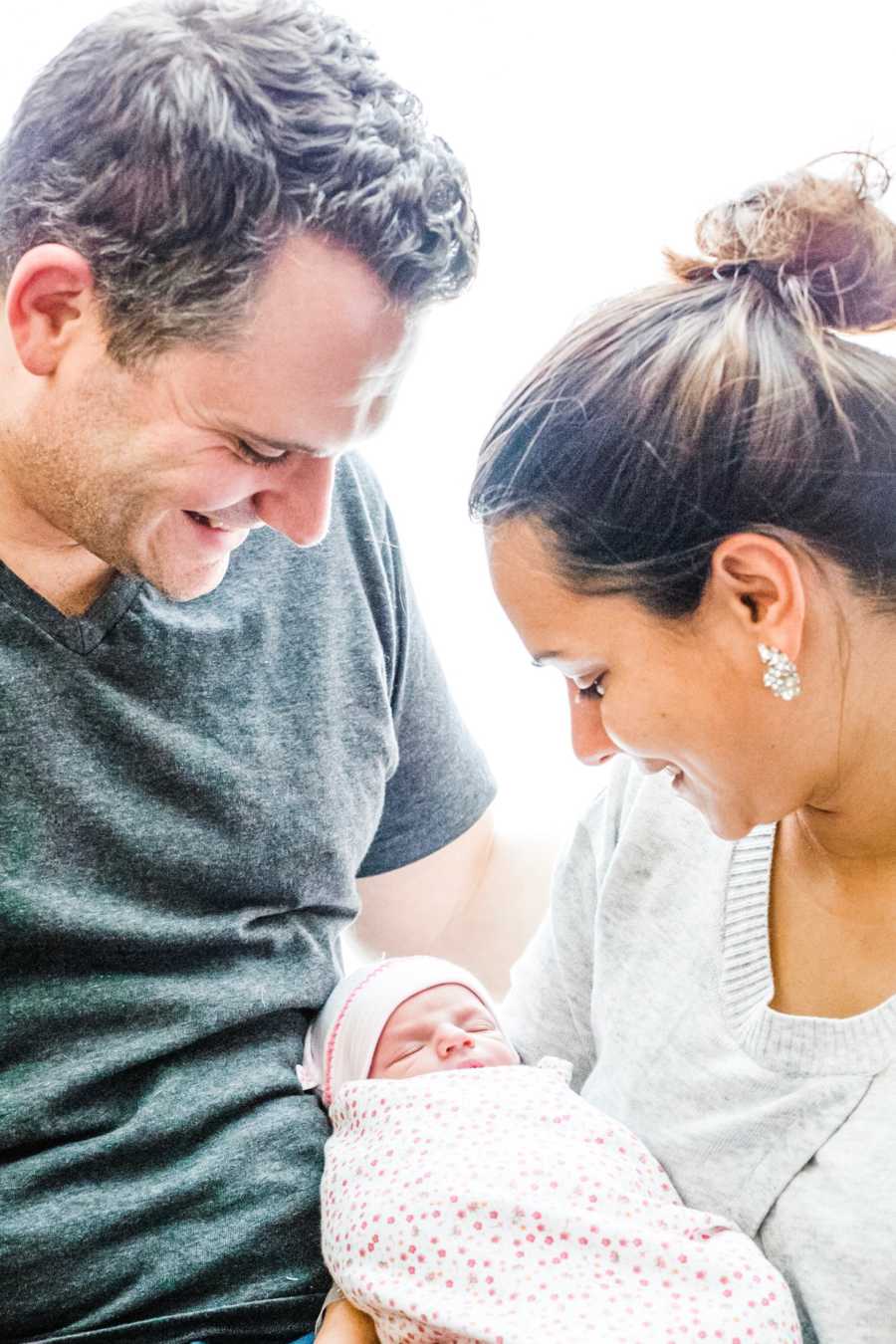
We wanted Lily to experience life fully. With the support of her medical team, we prioritized joy and minimal intervention. In her short life of 10 months and 15 days, she traveled across Australia—from Sydney to Bondi Beach, Queensland’s Gold Coast and Noosa, all over Tasmania—and even to New Zealand, complete with her own passport. She was surrounded by love, cuddled by grandparents, aunts, uncles, cousins, and friends, leaving an indelible mark on everyone who met her.
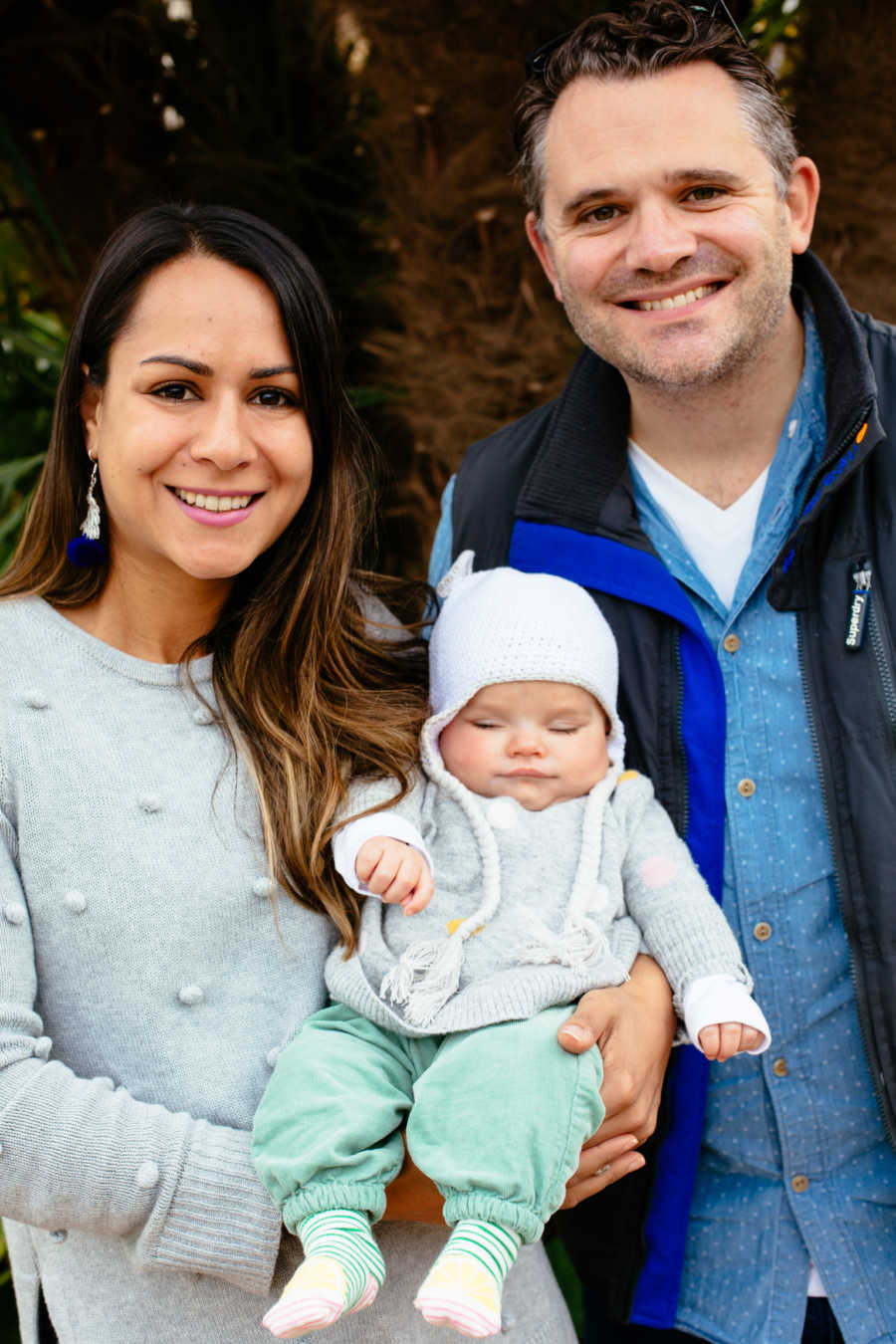
Lily thrived in ways that defied the dire predictions. She smiled, communicated in her own way, and discovered a deep love for music, moving to the beat with joy and coos. Her tiny achievements were monumental, her smiles unforgettable. When she was around five months old, seizures began, and her health declined. Care became round-the-clock, with William and I taking turns staying awake, holding and soothing her. On the day she passed, Lily was 10 months and 15 days old. We held her in our arms, whispering over and over, “It’s okay, darling girl. Mummy loves you, and Daddy loves you,” until she quietly slipped away.
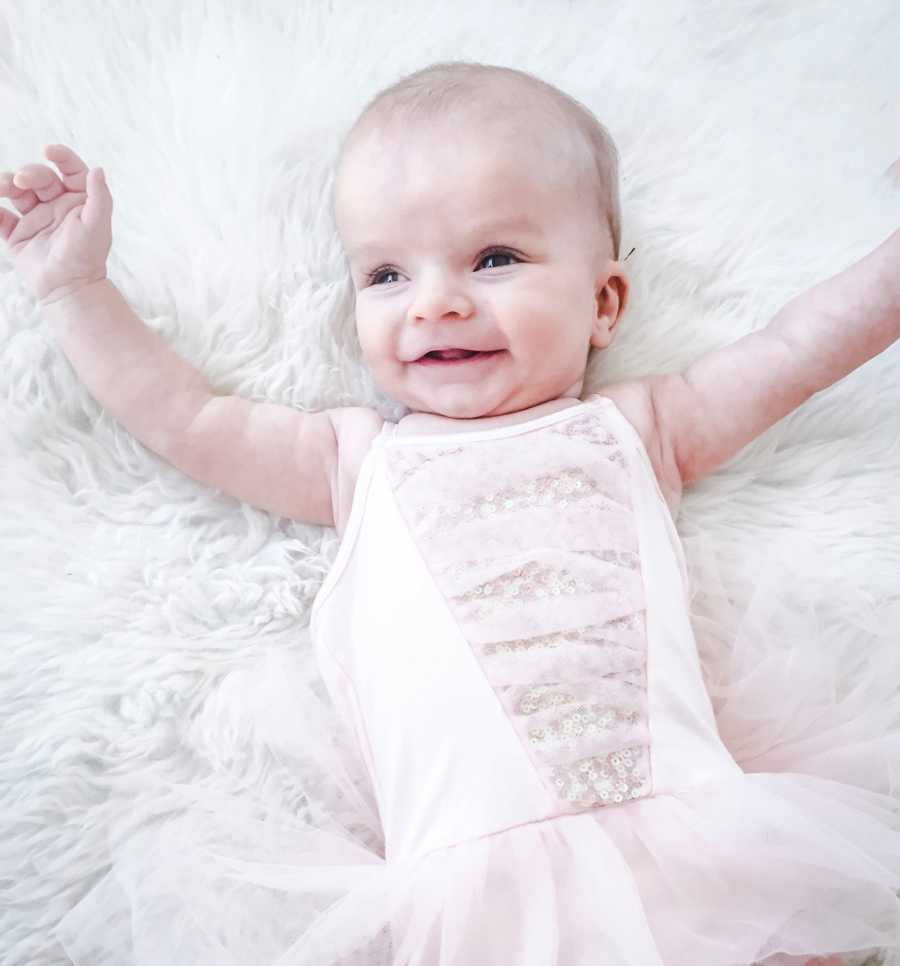
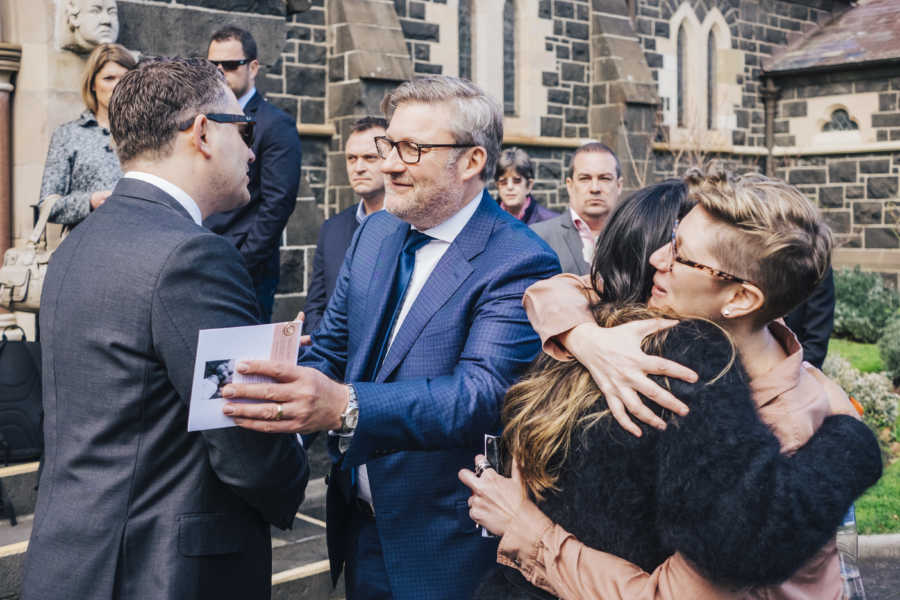
After her death, we spent one last night together, bathing her and placing her in our room. The next nights were spent in a Cuddle Cot at hospice, surrounded by family singing, talking, and crying with her until her funeral. Grief was overwhelming, a fog that never fully lifted, yet we embraced it alongside profound gratitude. Lily’s life, though short, was full, rich, and brimming with love, laughter, and light.
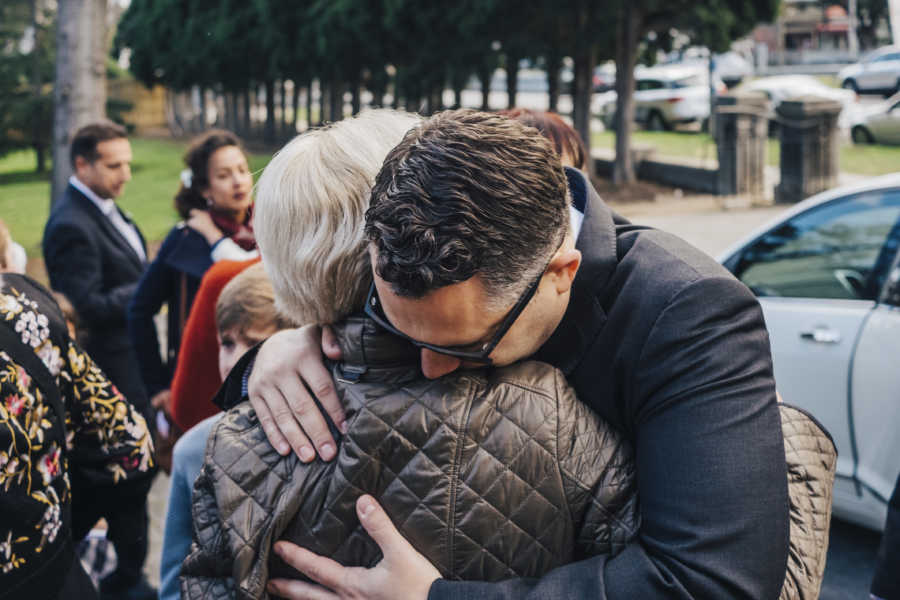
In honor of our daughter, we established the Lily Calvert Foundation, supporting pediatric palliative care and opening conversations about grief and child loss. We want the world to remember Lily, to speak her name, to celebrate her life, and to understand that acknowledging loss honors the love that remains. Through our pain, we carry Lily’s light with us every day, her memory a testament to the beauty of love, even in the briefest of lives.