Being diagnosed with PCOS (Polycystic Ovarian Syndrome) at a young age, I always knew that trying to conceive might be a more challenging journey for me than it would be for others. I remember sitting in the doctor’s office at just 17, wondering if having my own children was even a possibility. After some bloodwork and an ultrasound, my doctor reassured me: I had plenty of eggs, but my body simply wasn’t maturing them enough to release. In other words, I would most likely be able to have children—I might just need a little extra help. From that point, I was put on birth control, and it hardly affected my life… until dating became serious.
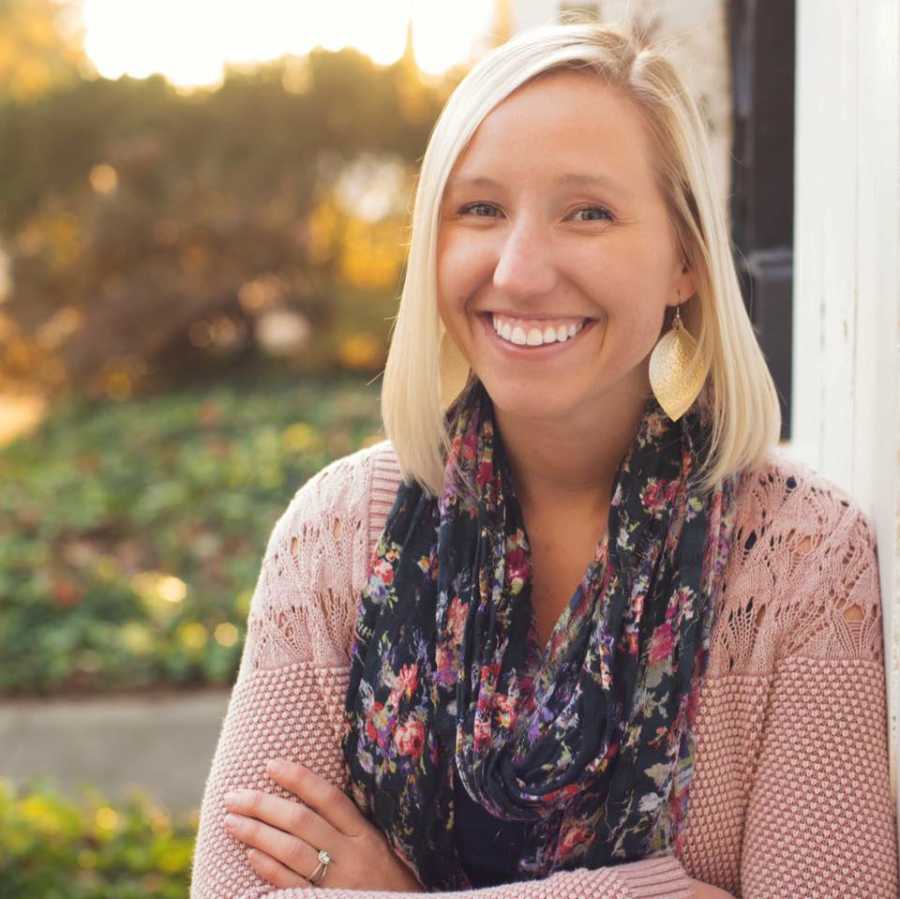
I often felt like dating me came with a warning label: “Potential fertility issues ahead.” What if someone didn’t want to marry me because of it? I remember sitting with my then-boyfriend (now husband), nervous and on the verge of tears, sharing my fears about the possibility of struggling to conceive. He looked at me calmly and said, “This isn’t a deal breaker. However it happens, we can still be parents if we desire one way or another.” That simple reassurance anchored me.
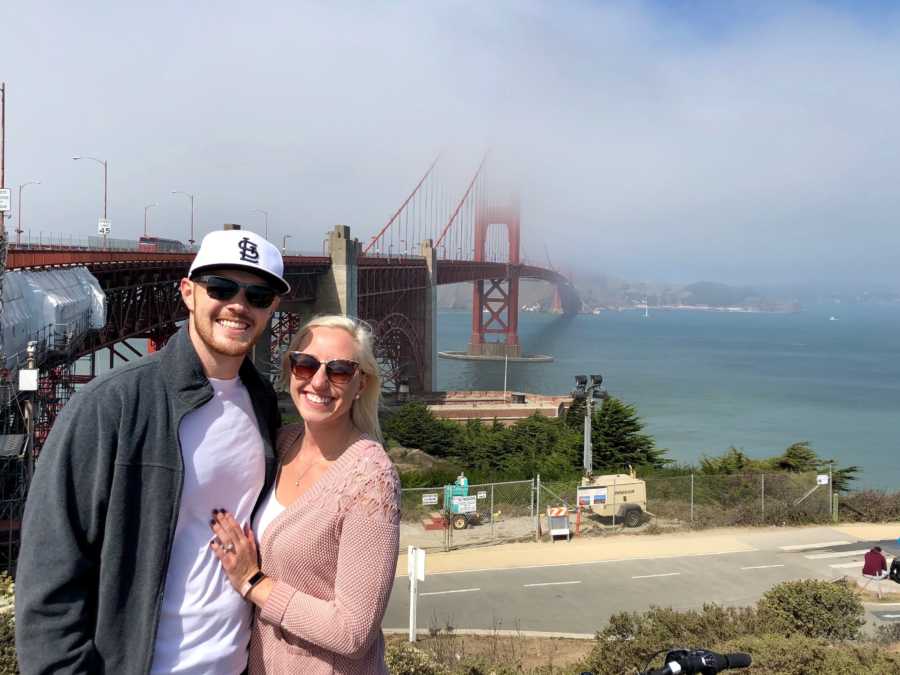
We decided to wait a few years before trying for children. In our early twenties, we wanted to savor life as a couple, travel, pay off debt, and enjoy the “Dual Income, No Kids” lifestyle. Even knowing that conception might take longer for me, you never really expect the struggle to hit so close to home.
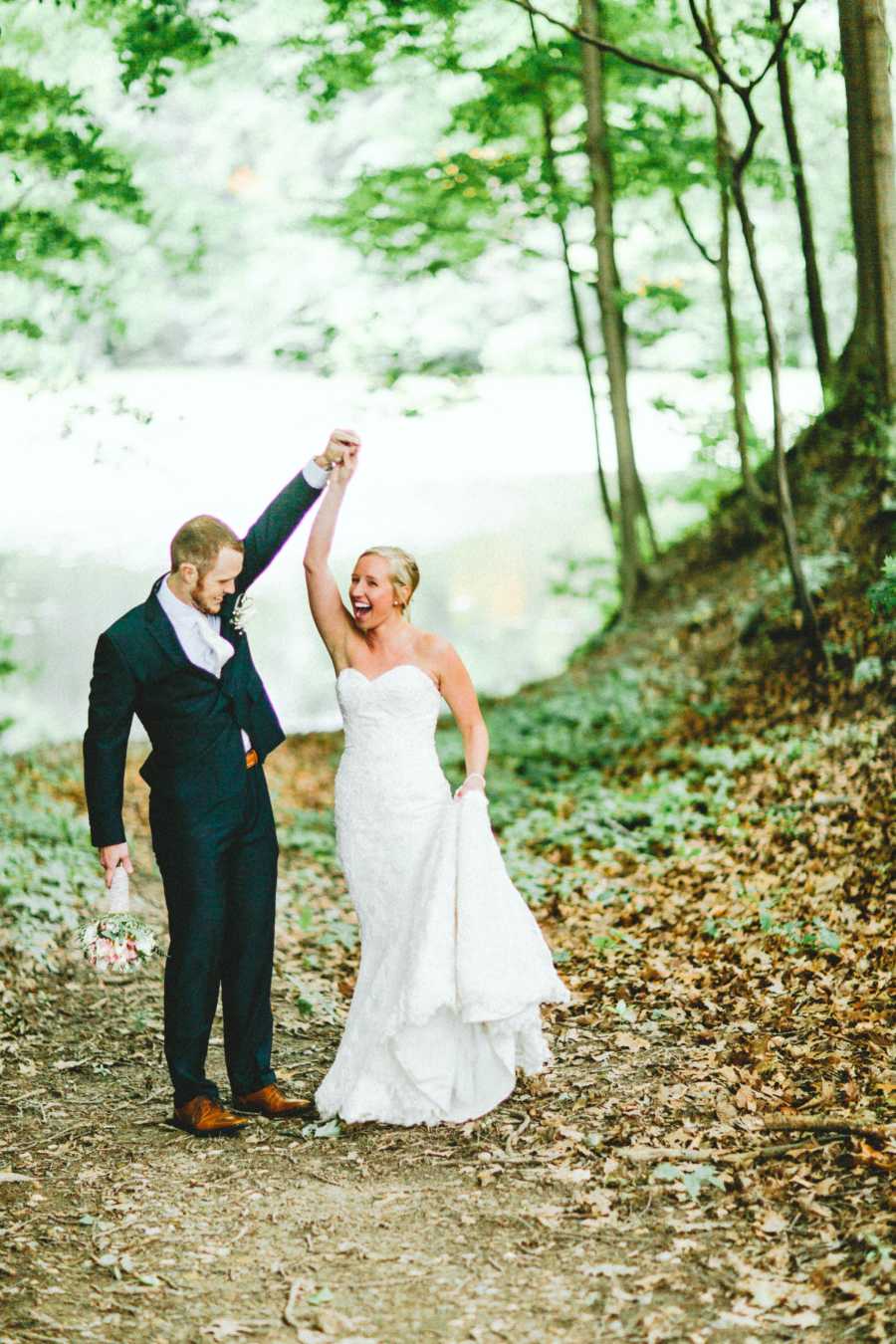
When the time came to try for a baby, I threw myself into everything—changing my diet, exercising, exploring every “natural” remedy to help my PCOS. After 11 months off birth control, hoping my body would finally kick into gear, we realized it was time to start fertility treatments. Month after month of negative tests had become an emotional drain, leaving me feeling frustrated, anxious, and heartbroken.
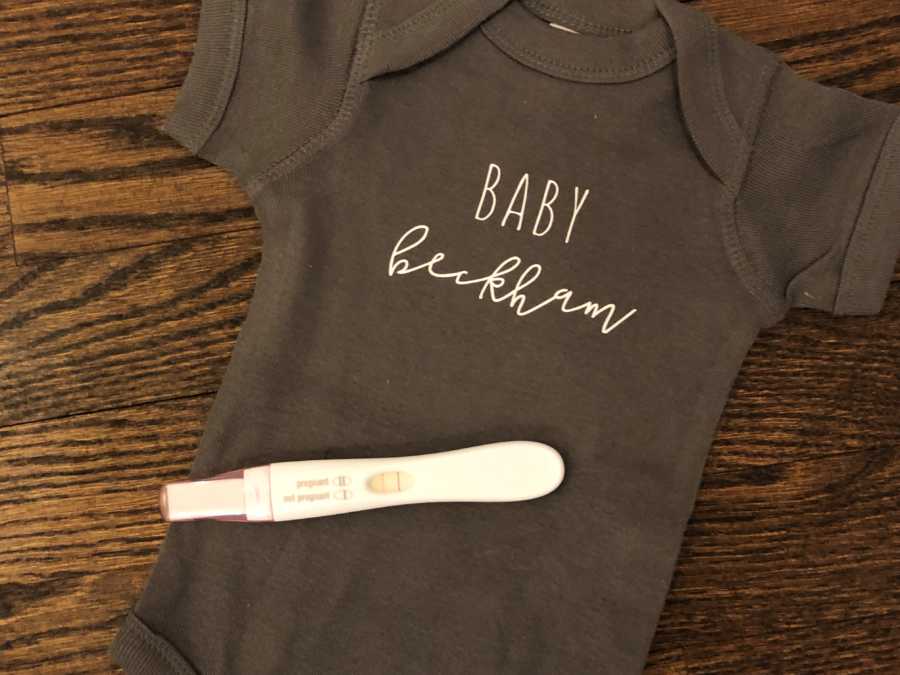
The first round of treatments felt like a rollercoaster. I cried to my husband, convinced it wouldn’t work—only to discover two weeks later that we were pregnant. On our calendar day thirty, I took a test, placed it on the counter, and went about my morning. Then I saw it: the faintest second line. I collapsed in tears, overwhelmed with disbelief and joy. That Saturday morning, in our bathroom, my husband shared that quiet, beautiful moment with me—we were finally holding hope in our hands.
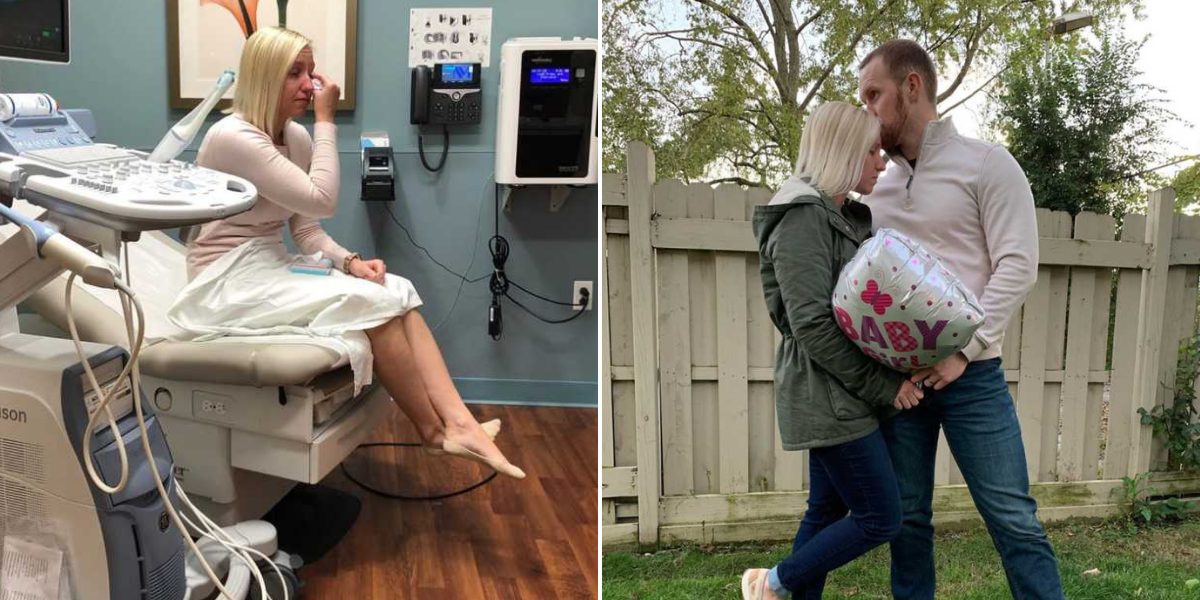
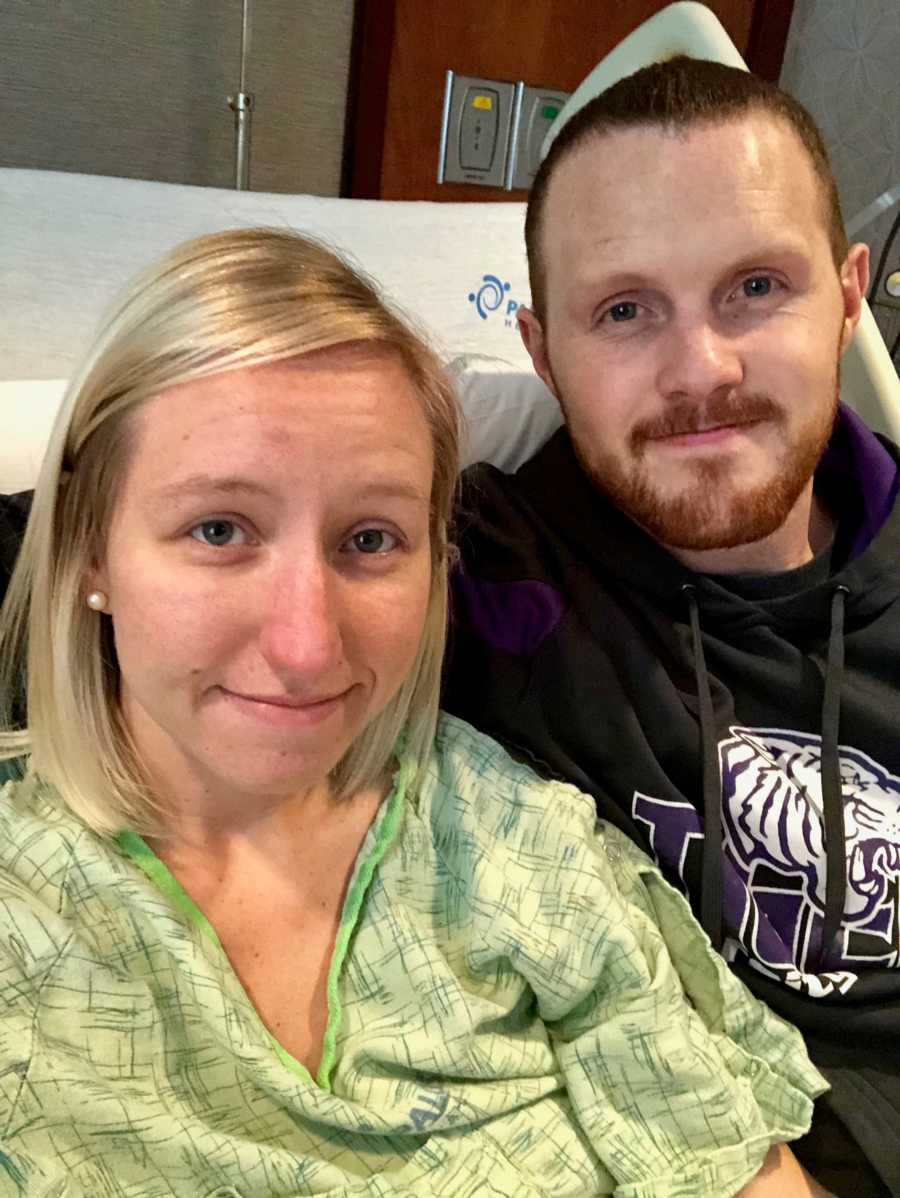
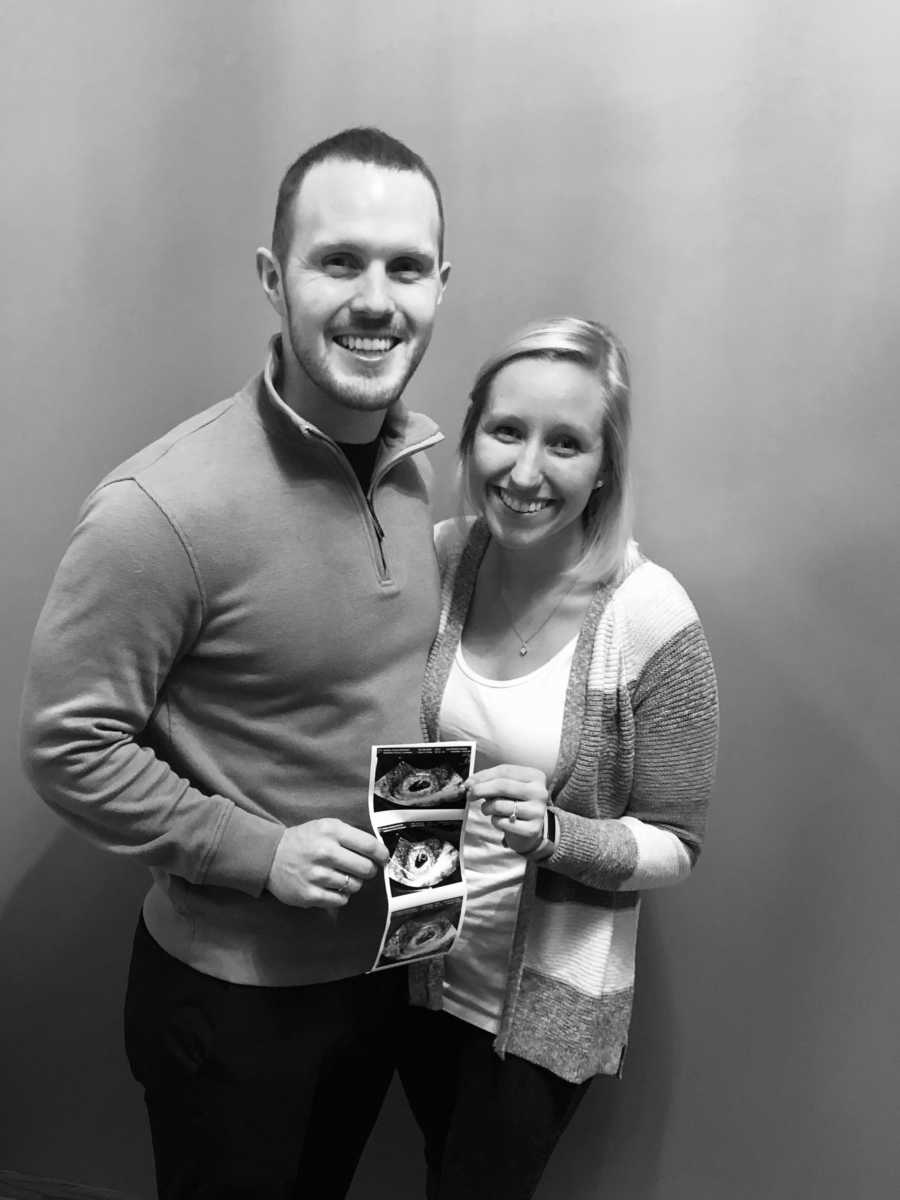
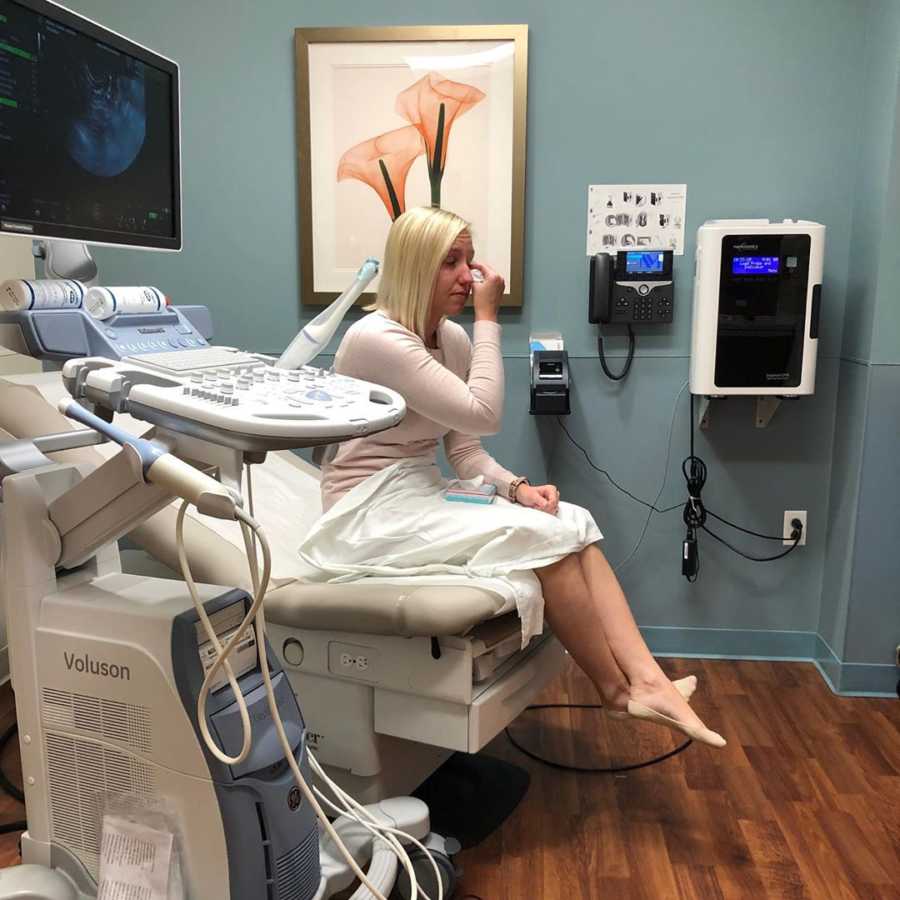
At 6.5 weeks, we had our first OB appointment. Lying on the table, I cried as we saw the heartbeat for the first time. The technician mentioned it was a little slow but said there was no cause for concern. We left with cautious optimism, only to return a week later for the follow-up ultrasound. This time, the room was quiet, and my heart raced. My husband tried to reassure me, but as soon as the doctor called, my world shattered: “I’m sorry, there is no heartbeat.”
I was diagnosed with a missed miscarriage—my body had held on tightly even though our baby had passed. I opted for a D&C because I knew I couldn’t handle a natural miscarriage emotionally. That week leading up to the surgery was filled with tears, solitude, and hours of writing to process the heartbreak. Talking to my nurse, I sobbed as she reminded me, “There was nothing you could have done. It wasn’t your fault.” Living with PCOS, I had thought that once we got pregnant, the hardest part was over. I never imagined grieving the loss of a life I had barely begun to dream of.
Post-surgery, emptiness consumed me. Pregnant one moment, gone the next. It doesn’t matter how far along you are; once you know your baby exists, your world shifts, dreams form, and plans take root. Eight months later, milestones like the due date pass, and grief lingers—but with faith, support from my husband, family, friends, and a wonderful counselor, I’ve begun to make peace with our story. I carry our baby’s memory with me while moving forward.
Grief is a process, and healing doesn’t happen overnight. But there is life after loss. There is wholeness after heartbreak. My miscarriage has been the hardest experience of my life, yet it has also connected me deeply to women I might never have met. It’s a universal human experience, transcending race, political beliefs, or social status. Sharing my journey, I hope, reminds even one woman that she is not alone—and perhaps encourages others to share their own stories, too.