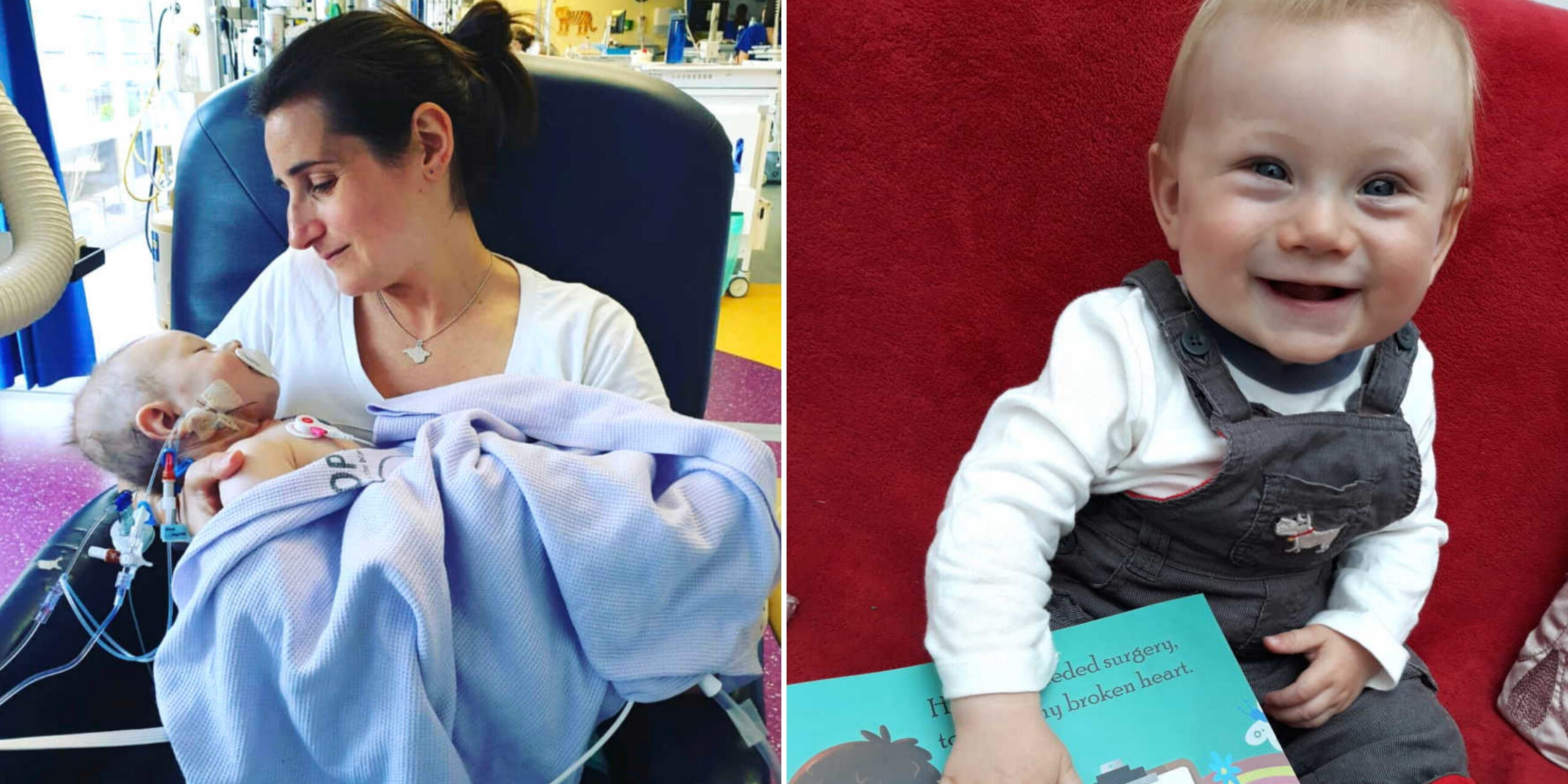
My 10-month-old son, Teddy, was born with a congenital heart defect. We first learned something was wrong during my 20-week scan. The sonographer turned to my husband, Nathan, and me and said, “Your baby’s heart is on the wrong side.” She grew unusually quiet, shifting her body into awkward positions, trying to figure out the exact orientation. Eventually, she called in another sonographer for a second opinion. Together, they confirmed that Teddy’s heart was indeed on the wrong side. I was in shock—I didn’t know what it meant. As soon as we left the hospital, I broke down and cried.
We were referred to Southampton Hospital in the UK, a specialist center for heart conditions, for further scans just three days later. The results were overwhelming: Teddy’s heart was very complex, and he would require surgery soon after birth. He was diagnosed with Double Outlet Right Ventricle (DORV), left isomerism, AVSD, and situs inversus—meaning his heart, liver, and stomach were all on the opposite side of his body. Dr. Black patiently drew diagrams of Teddy’s heart, which helped us understand how radically different it was from a healthy heart.
At first, Nathan and I felt completely isolated. We didn’t know anyone with a congenital heart condition. I decided to be open about Teddy’s diagnosis and sought support through Facebook and Instagram. Following the journeys of other heart warrior families gave me hope and reassurance. I began messaging several heart warrior moms online for advice, and they were always supportive, comforting, and kind, helping me feel less alone during those early weeks.
I was scheduled to be induced at 39 weeks, but labor came early—at 37 weeks. I was terrified, desperate to be at Southampton surrounded by heart specialists, but my hospital bag wasn’t packed, I had a week left of work, and I wasn’t ready. Because our local hospital on the Isle of Wight was concerned about Teddy’s heart, I was airlifted to Southampton. I was wearing flip-flops because my ankles were swollen, the temperature was freezing at 6°C, and I hadn’t even brought a change of clothes. I was terrified of flying in a helicopter while having contractions. Nathan, true to form, was filming the entire journey. Even the midwife seemed nervous, repeatedly asking if I was okay. The 12-minute flight was surreal, but I’m endlessly grateful to the coastguard who made it possible and let Nathan accompany me.
Teddy was born on November 19, 2018, after 17 hours of labor. He was positioned sideways, requiring forceps, a suction cap, and a spinal as I was utterly exhausted. We were convinced we were having a girl, so the arrival of our baby boy was a wonderful surprise. Teddy was so bruised from the delivery that the team rushed him away, concerned he was a blue baby. I couldn’t move from the waist down, and all I could do was ask Nathan to stay with him. The first cuddle we had was brief before he was taken to NICU, surrounded by wires and machines. It was overwhelming and heartbreaking.
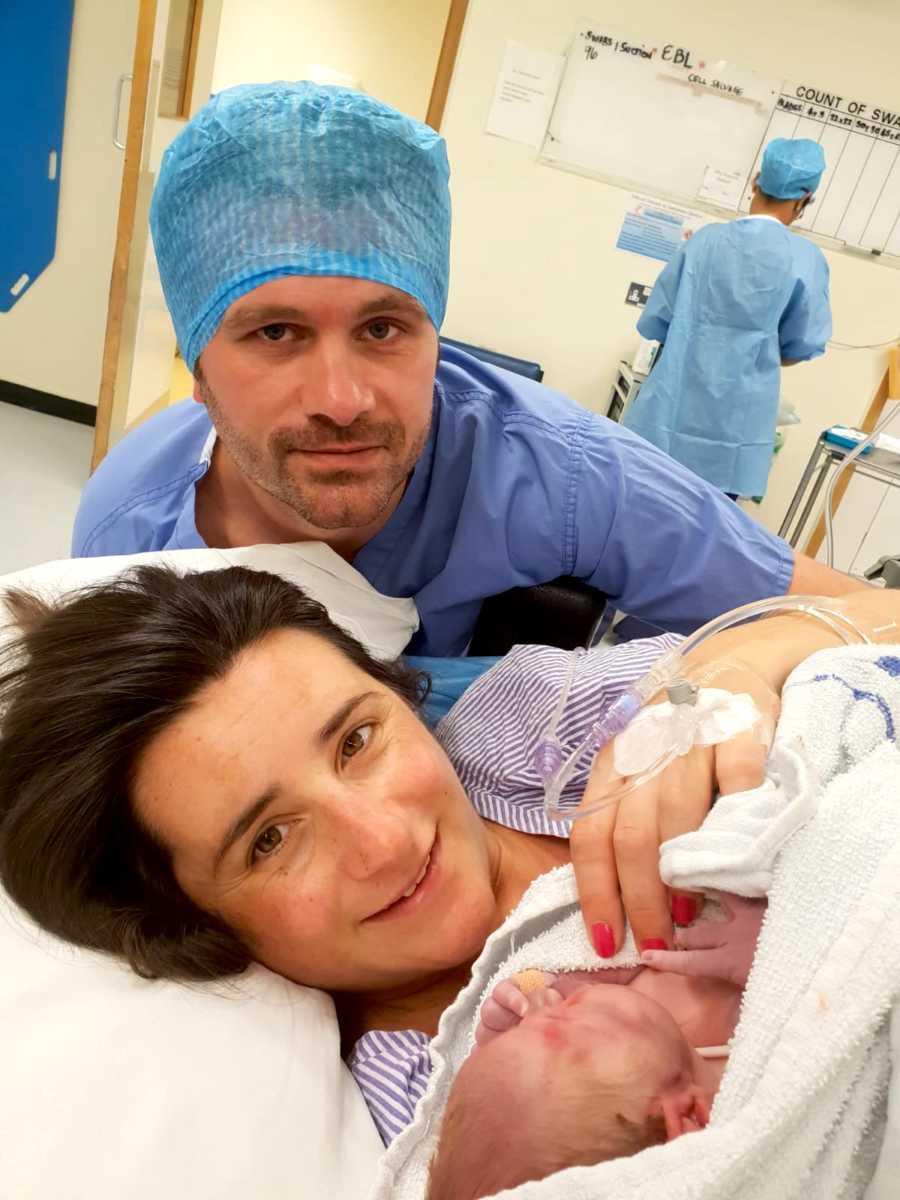
Teddy remained in Southampton Hospital for eight days. Fortunately, we were allowed to stay with him on the same ward, which made those long days a little easier. His heart seemed to cope well initially, and we were sent home. Returning home without constant monitoring was terrifying; I checked his breathing obsessively and constantly worried about his wellbeing.
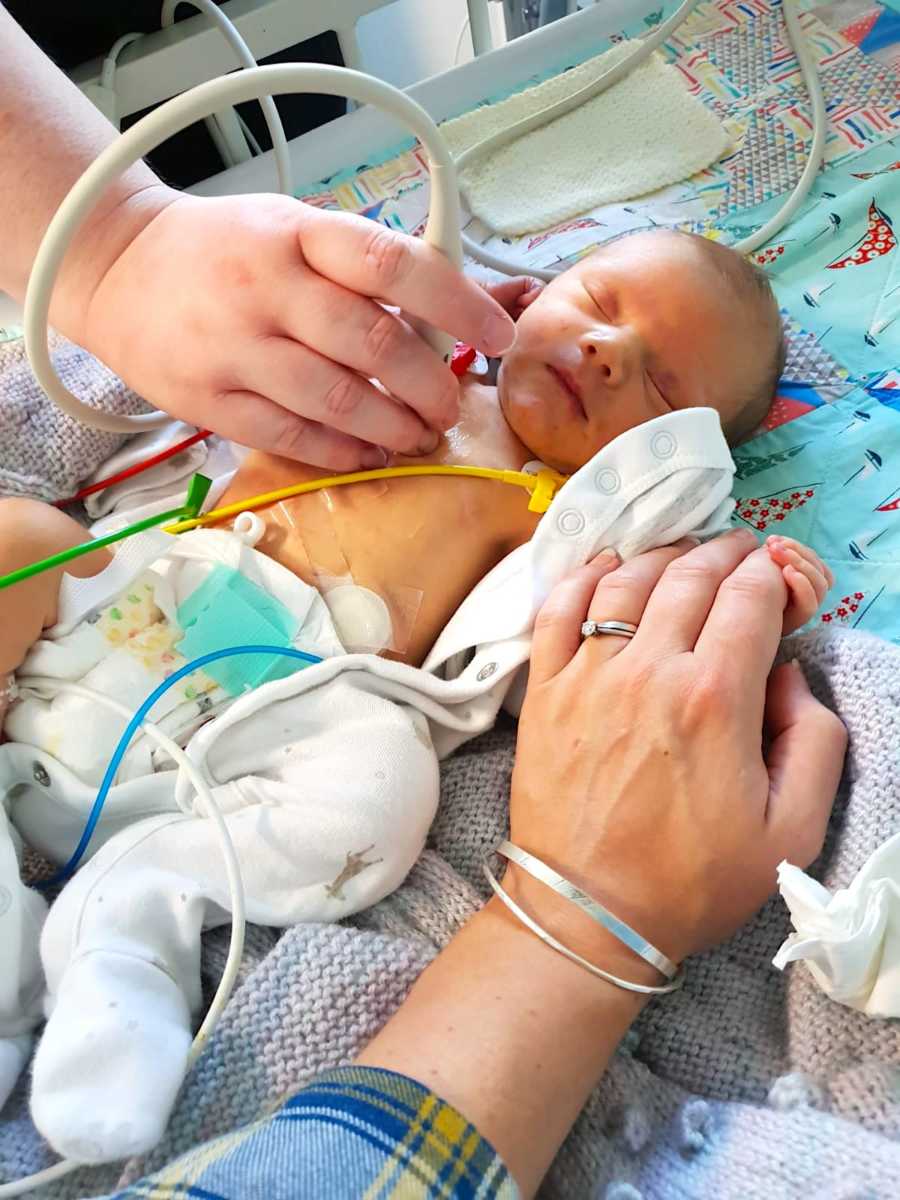
When Teddy was five months old, we received an unexpected phone call: he required a pulmonary band to slow the flow of blood into one of his ventricles. Up to that point, he had seemed happy and healthy, so this news was a shock. We met with Mr. Kaarne, the surgeon, who reassured us the operation was routine and explained everything patiently.
The surgery, however, did not go perfectly. Teddy experienced significant blood loss, causing one lung to collapse. His chest had to be reopened just 72 hours later, and a drain was inserted. Signing the consent forms warning of potential death was terrifying. Waiting through the early morning hours, we were filled with fear and exhaustion. At 9 a.m., the surgeon told us, “The operation was successful—you can see Teddy in PICU.” Seeing him lying there, tiny and surrounded by tubes and machines, broke our hearts. We felt utterly helpless, wishing we could take his place.
The hardest moments were watching him go under general anesthesia—not once, but twice within three days—and knowing he had no idea what his little body would endure. The recovery was slow and emotional, but after two weeks, we were finally sent home. His surgical scar, or “zipline” as we call it, is healing well, and we see it as a testament to his bravery. Teddy will need further surgery once he reaches around 10 kg, as his heart essentially needs “replumbing” due to its reversed structure.
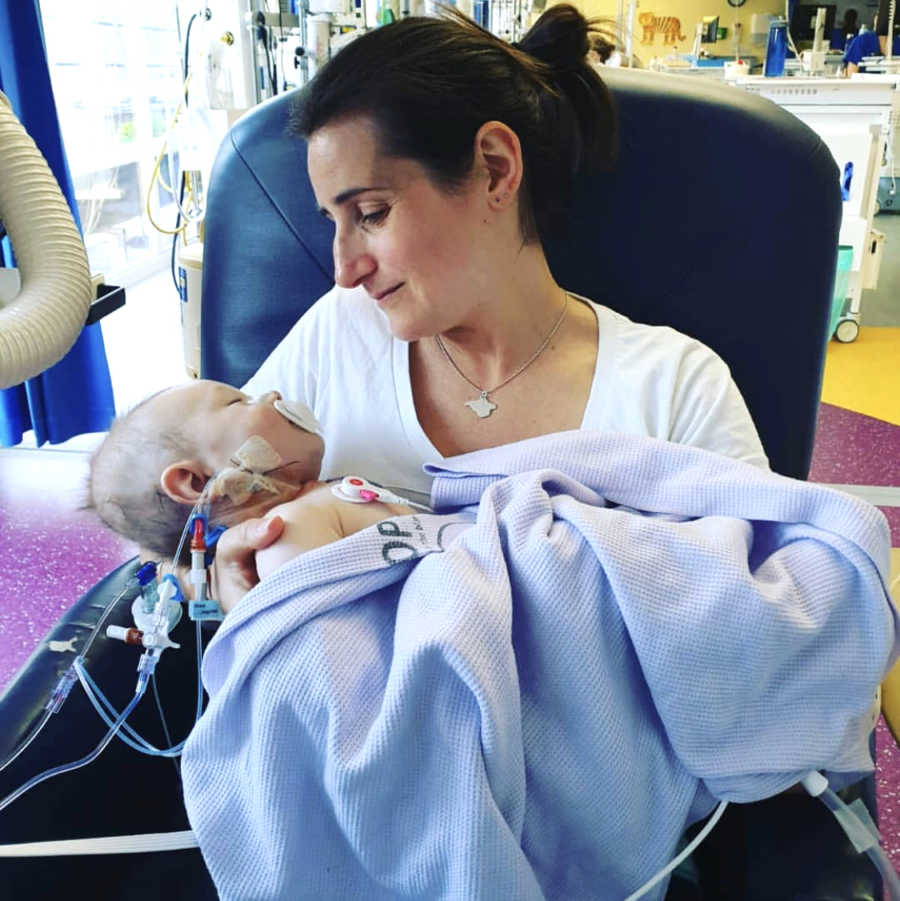
Despite everything, Teddy lives a remarkably normal life. A nurse monitors his oxygen saturations weekly, which remain around 75–80% (healthy babies are closer to 100%). We watch for signs of distress, like labored breathing, blue lips or hands, and sweating, but he remains happy and thriving.
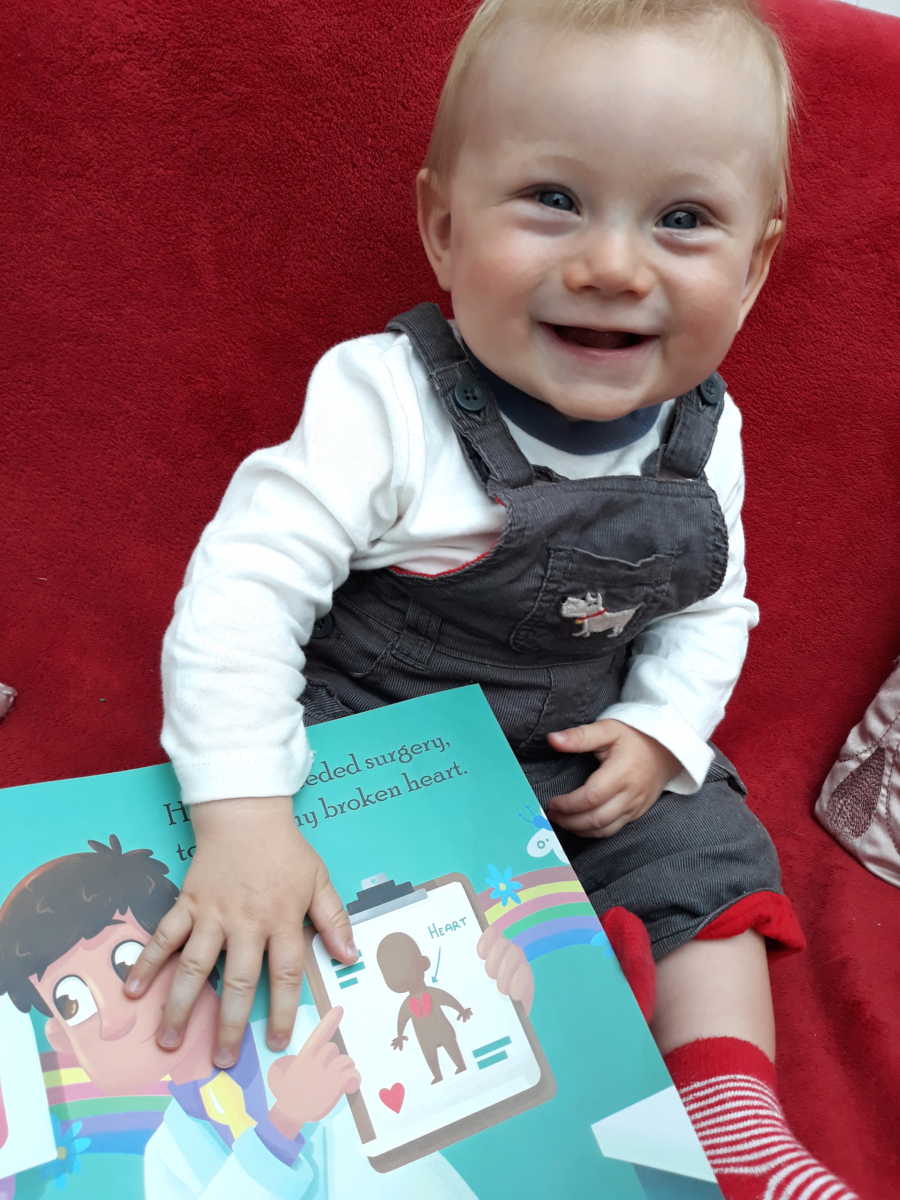
I wish someone had warned me not to assume a perfect scan at 20 weeks meant a perfectly healthy baby. Social media networks have been an incredible source of support, introducing us to families with inspiring heart warriors. One mom shared that her 25-year-old daughter runs marathons; another that her nine-year-old daughter is a competitive gymnast. We’ve read CHD children’s books to Teddy, hoping he grows up proud of his “zipline” and knowing he is not alone.
To new parents facing similar challenges, especially first-timers like me: your baby will be in exceptional hands. Babies are resilient, incredibly strong, and capable of more than we imagine. We are grateful Teddy’s condition was identified early. It is daunting, but you are never truly alone; there is always a community ready to support you.
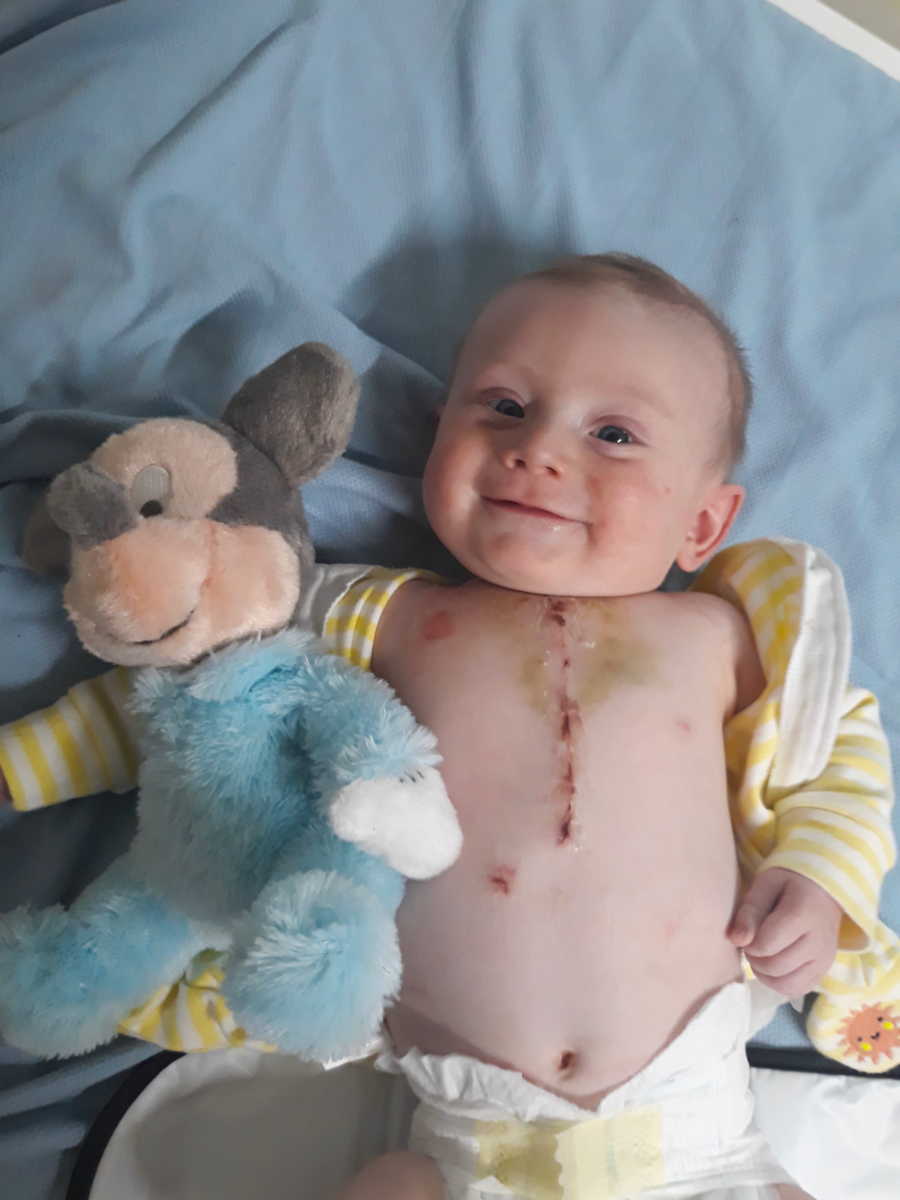
Today, Teddy is a happy, cheeky little boy. He has been through so much already, and Nathan and I couldn’t be prouder. His smile, his playful eyebrow raises, his cuddles and sloppy kisses, even three days post-surgery, fill our hearts. Teddy’s resilience inspires us every day, and all we wish is for him to live a healthy, joyful life—never letting anything stand in his way.