I have been single for most of my adult life, yet I never lost hope that I would one day be married. But as I approached my fortieth birthday, I began to wonder if I would ever have children. I knew my chances would naturally decline with age, and deep down, I questioned whether I had the strength and energy to raise a child at this stage of my life.
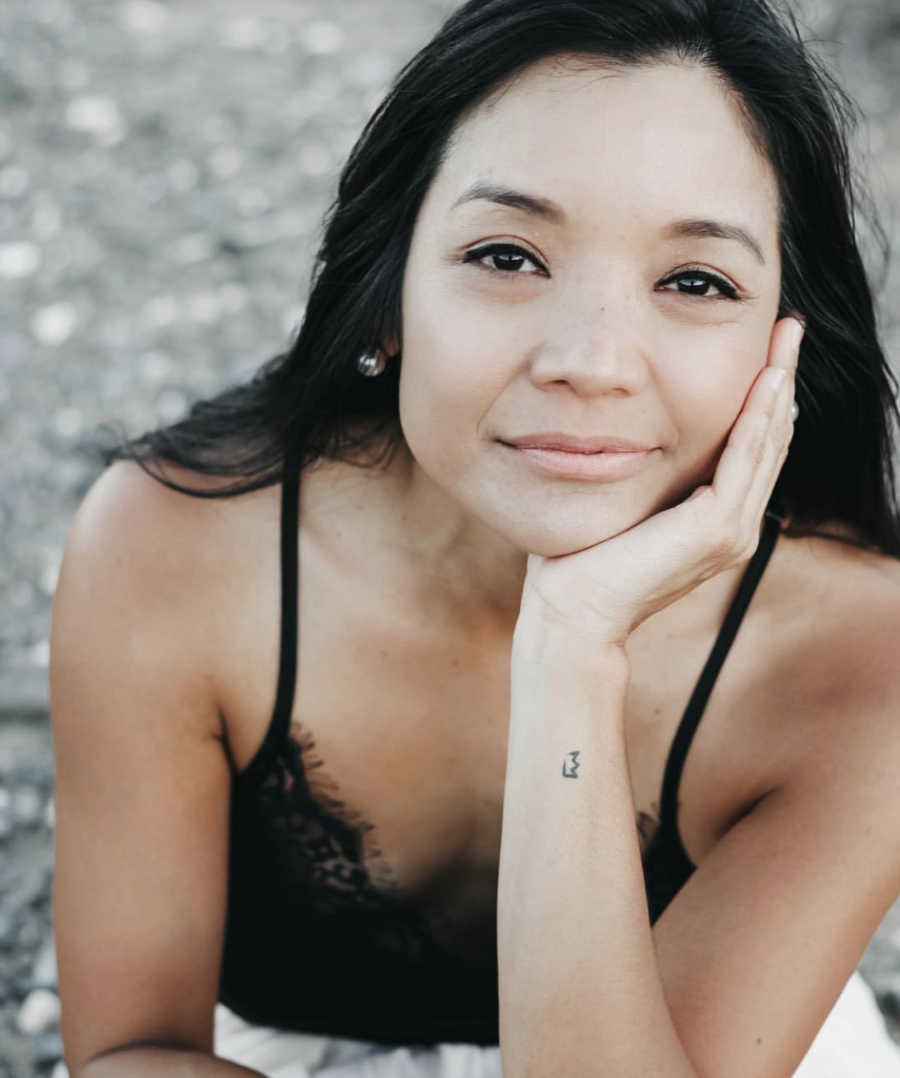
Halfway through my fortieth year, I went over to my best friend’s house for a glass of wine and a long overdue heart-to-heart. We talked about everything under the sun—life, love, work, the small triumphs and challenges that make up our days. And then, out of nowhere, she said something I never expected:
“You can be a Mom.”
Her words stirred something deep inside me, something I hadn’t realized I was holding back. Tears filled my eyes before I could even respond. Then she added, softly but firmly:
“You don’t need a husband.”
My tears flowed faster, and she continued:
“And you won’t be alone.”
Finally, she said what I needed to hear the most:
“And you can have your own.”
By this point, I was sobbing, disoriented, barely able to process what she was saying. I found myself whispering, “What are you saying?” Her words felt like a foreign language. I had never seriously considered having a child on my own. Up until that moment, I had felt indifferent about motherhood. Unlike so many women who know from a young age that they want to be mothers, I had never experienced that certainty. Yet, no matter how strange it seemed, her words resonated with the deepest part of my heart.
The next morning, I woke with a single thought: having a baby. I felt committed to pursuing single motherhood, despite the swirling questions and fears:
Me, a single mom?! Could I afford to try for a baby? Could I handle the disappointment if it didn’t work? How would I meet someone now? What would people think of me? Could I really do this?
The first step was to research fertility specialists and schedule an appointment. My doctor advised, “You should purchase multiple vials of sperm and plan for multiple cycles.” I told him I only had one vial and that I believed, with all my heart, that it would be enough. He reminded me that conception on the first attempt was unlikely—about 20% for a healthy couple, and much lower at my age. I didn’t ask for exact numbers, but I later learned the chances were under 5%.
Despite the odds, I trusted my instincts and budget and purchased one vial. But even then, my journey almost ended before it began—I couldn’t find a donor who felt right. I wanted a Filipino donor so my child would resemble me and avoid comments like, “They must get that feature from their father.” Options were limited, but eventually, I chose a donor who checked every box: healthy, shared my heritage, had a compelling reason for donating, and seemed like a genuinely good person.
He had served his community as a police officer, previously served in the Air Force, and spoke proudly of raising his own children. His desire to help others experience parenthood felt genuine, and, admittedly, his youthful photos were pretty darn cute.
With the donor selected, the lab work completed, and everything in place, it was time for the intrauterine insemination (IUI). My fertility specialist suggested using medication to stimulate egg production, but I declined, trusting my body and instincts. When it came time for the trigger shot to time ovulation perfectly, I had no choice but to follow the doctor’s instructions, praying for another way.
The bloodwork revealed I was about to ovulate, so I rushed in for the IUI—a simple, ten-minute procedure. I returned home with instructions to test for pregnancy at the right time. Unable to wait, I tested early at 3 a.m., and within seconds, two lines appeared.
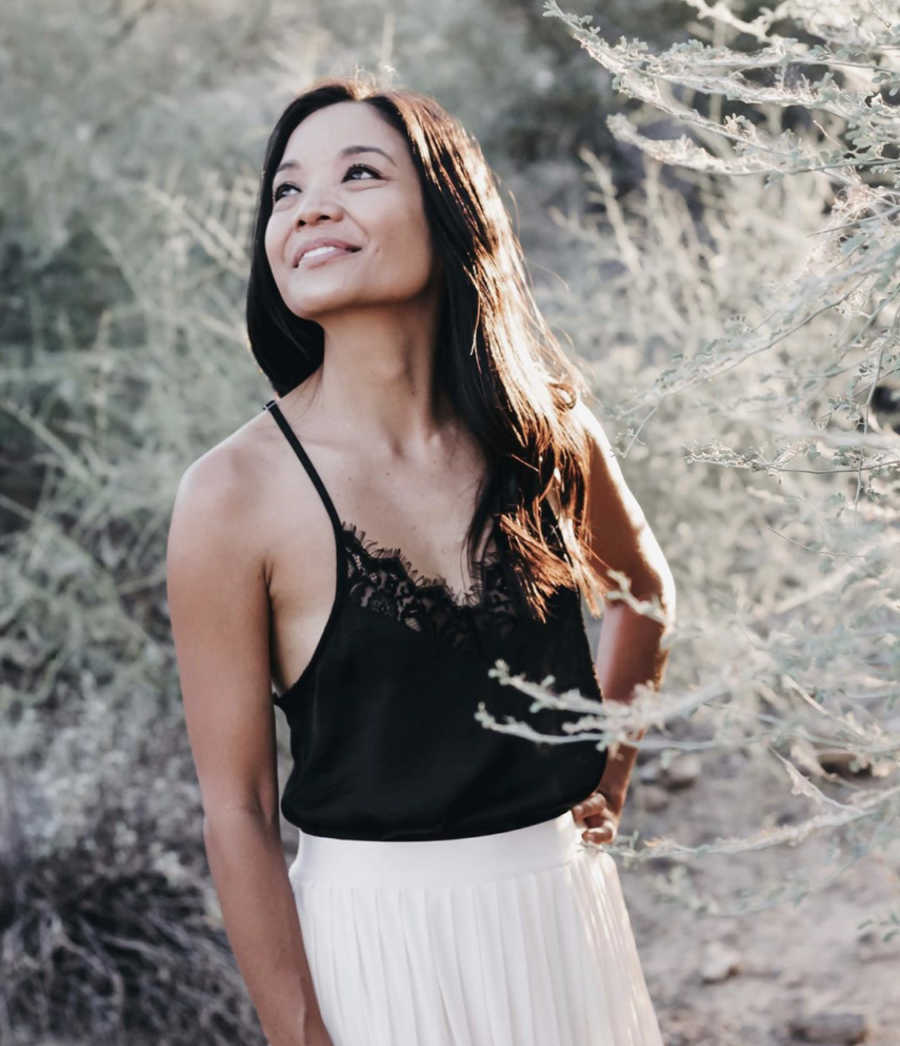
I fell to my knees on the bathroom floor, stunned and overcome with gratitude. That evening, I shared the news with my parents in the Philippines:
Me: “I have some news…”
Them: “Yes?”
Me: “I’m still single, I haven’t been with anyone, but… I’m pregnant.”
After their initial shock, they were overjoyed. I called my sisters, my best friends, and shared the news with loved ones over the following weeks.
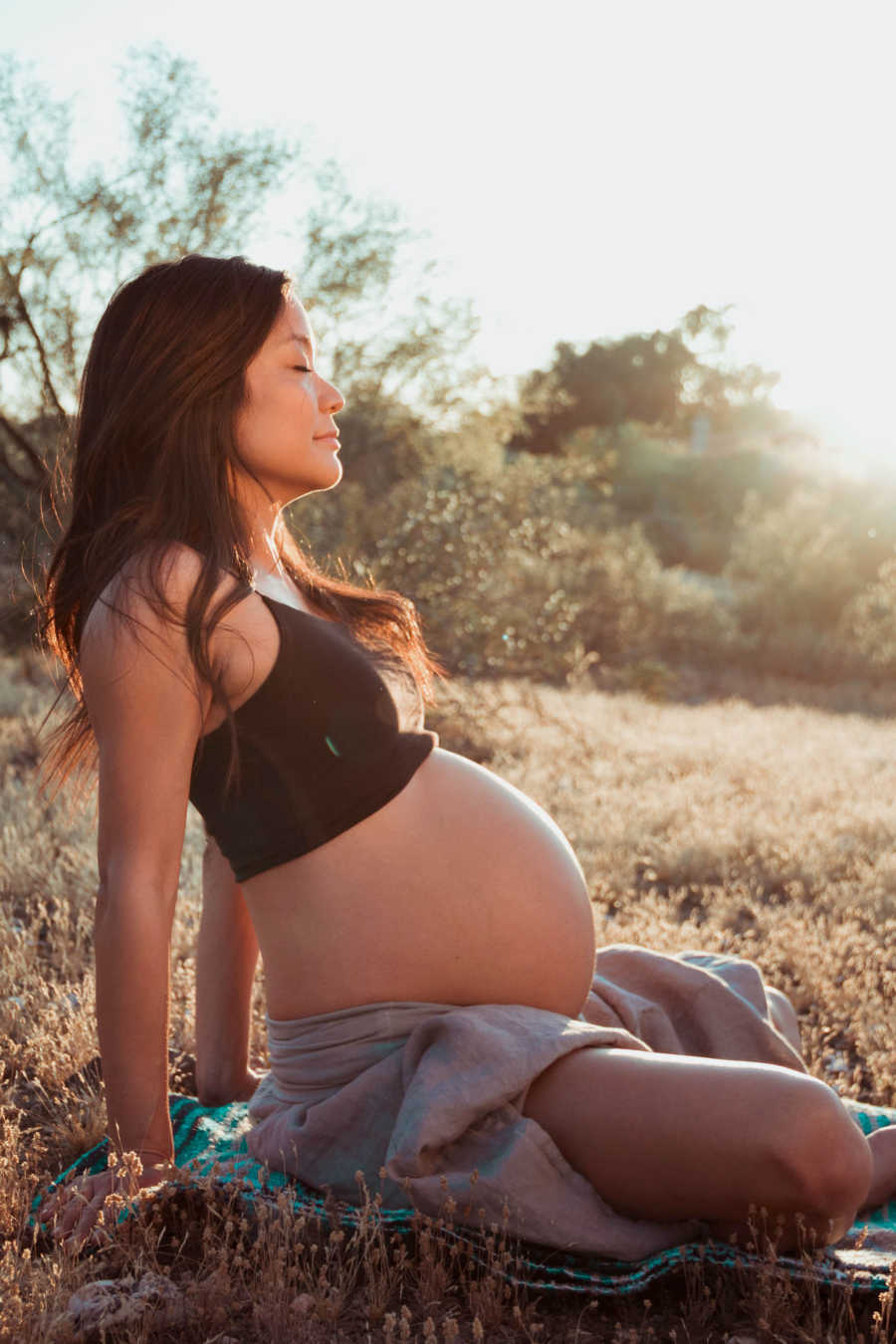
I was certain I was carrying a girl—a surprise, as I had always imagined having two boys—but when I was offered a gender test at ten weeks, I eagerly agreed. A week passed with no results, then a voicemail arrived. My heart sank, fearing the worst.
Driving to the appointment, anxiety surged, but upon arrival, my long-time Nurse Practitioner greeted me with a smile. I asked if everything was okay, and her expression changed. Tears streamed as she shared the results: my baby had a 9/10 chance of Down syndrome—and I was having a boy. I was stunned.
Through our tears, she assured me: most babies with chromosomal variations like Down syndrome do not make it past twelve weeks—but mine had.
“He’s a fighter,” she said.
And fight he did, through every obstacle he would face.
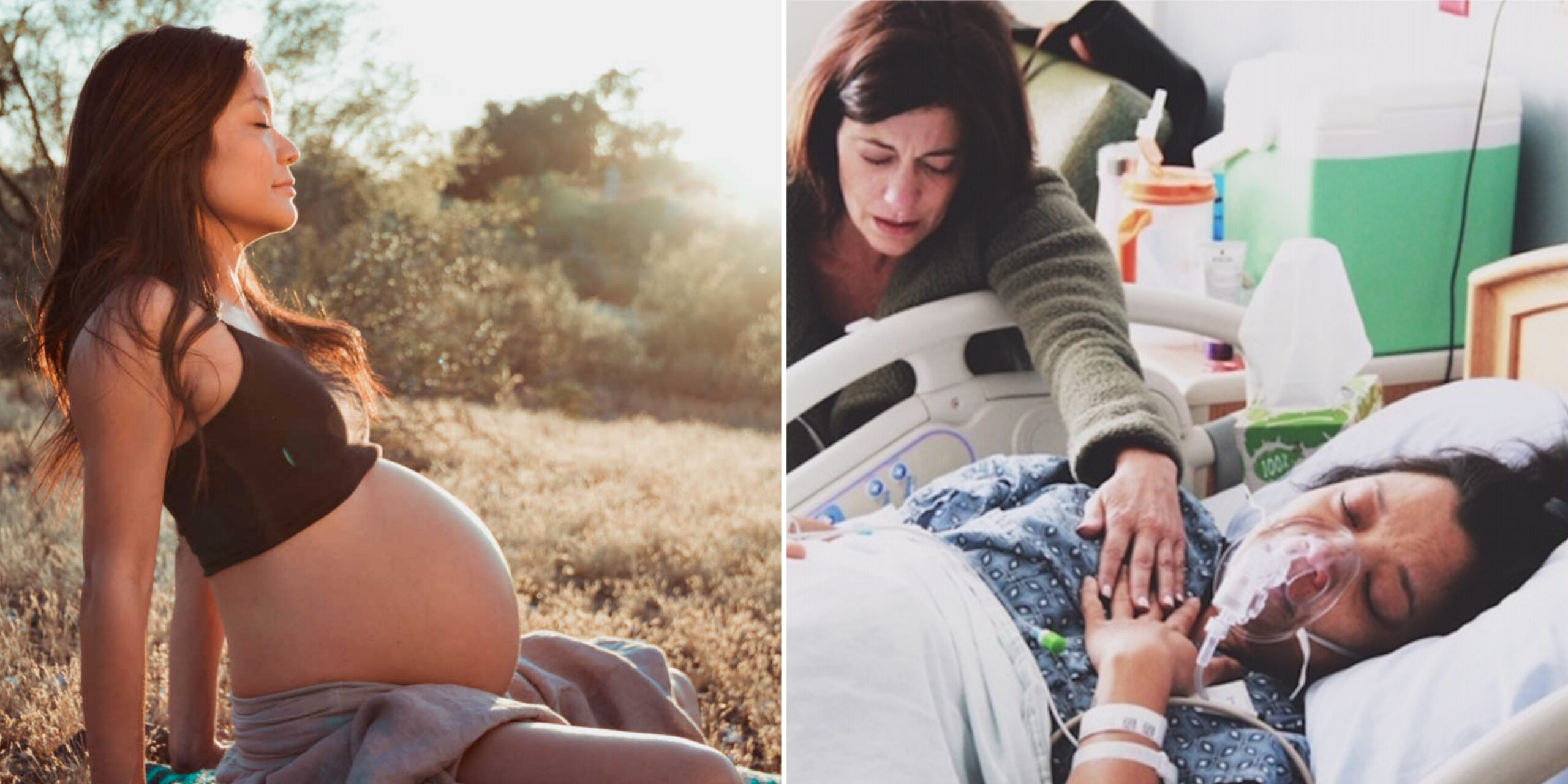
I had hoped for a natural birth at a birth center, but given my age and the high-risk nature of my pregnancy, I chose a hospital delivery. A midwife oversaw my prenatal care, supporting my desire for a natural birth as much as possible. At my 39-week appointment, I was not dilated. Labor induction was necessary. My best friend accompanied me for the 4:30 a.m. check-in.

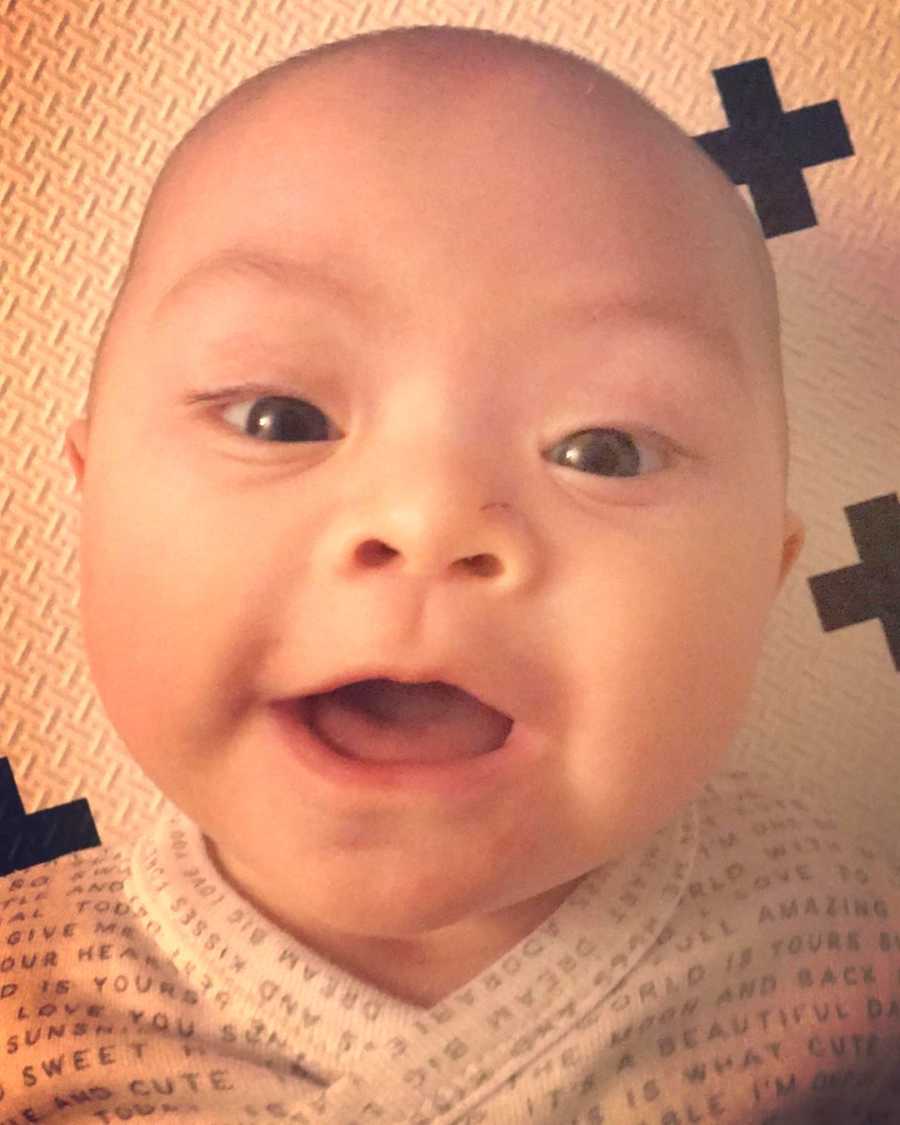
Labor was unpredictable—heart rates fluctuated, progress stalled, and hope for a natural birth rose and fell. At 9 cm, I was suddenly rushed for an emergency c-section as my baby’s heart rate dropped. Under general anesthesia, I woke without him in my arms. Matthew, my son, was in the NICU, needing oxygen support. Five hours later, I held him for the first time—nauseous and weak, but overwhelmed with love.
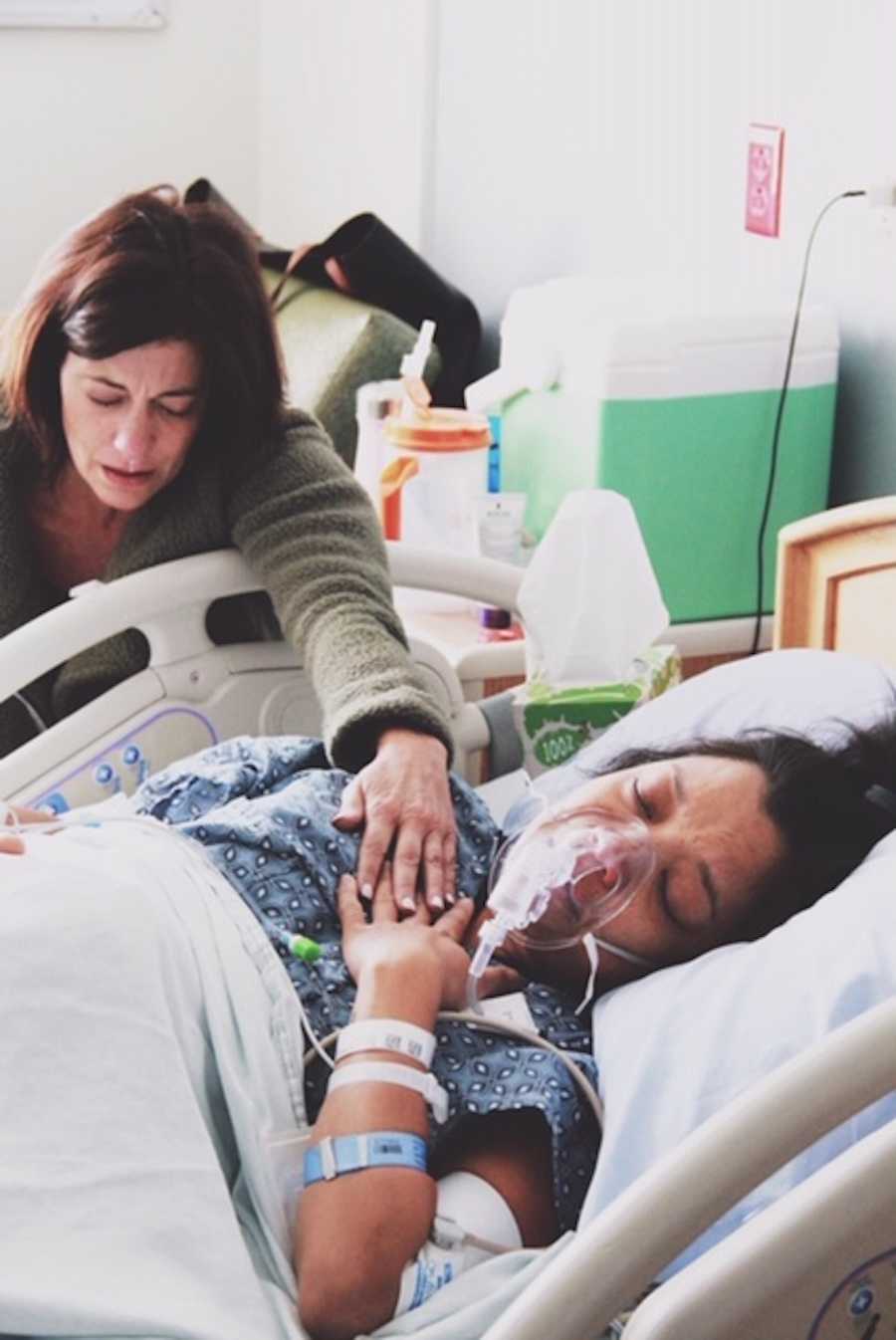
Four days of hospital recovery were followed by seven weeks of NICU visits, advocating for his care, and eventually supporting a crucial surgery. I wasn’t sure I would survive the emotional toll, but I did.
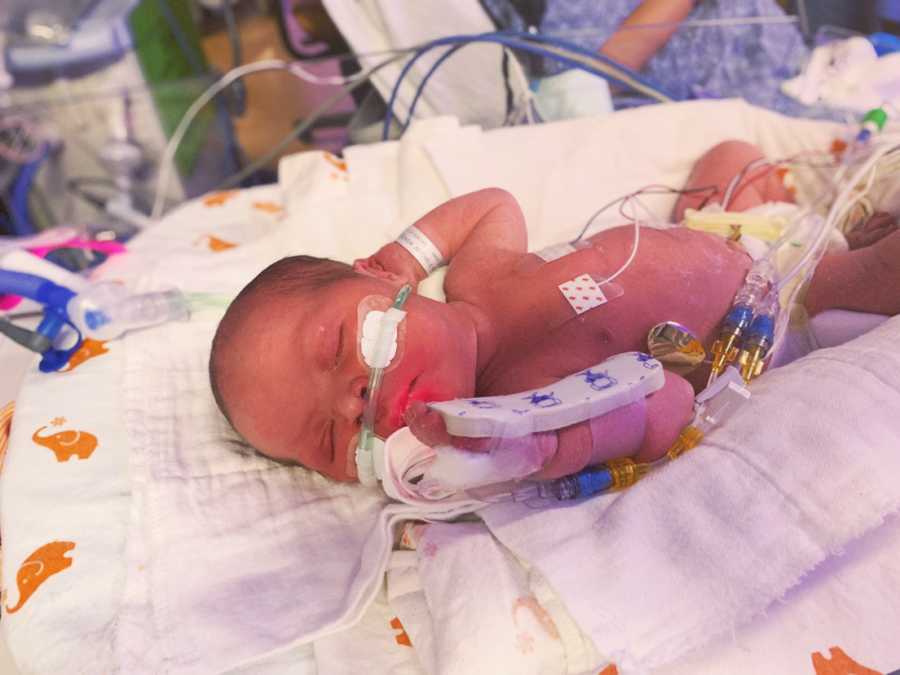
Now, Matthew is four and a half months old, home longer than he was in the NICU. Returning to full-time work after only one month at home has been exhausting, yet I feel more empowered and whole than ever.
A chaplain once shared a story with me: “Our souls are given a glimpse of life upon entering it, with the choice to say yes or no. Matthew saw he would have Down syndrome and other health conditions. But he also saw he would be loved by you. So he said yes.”
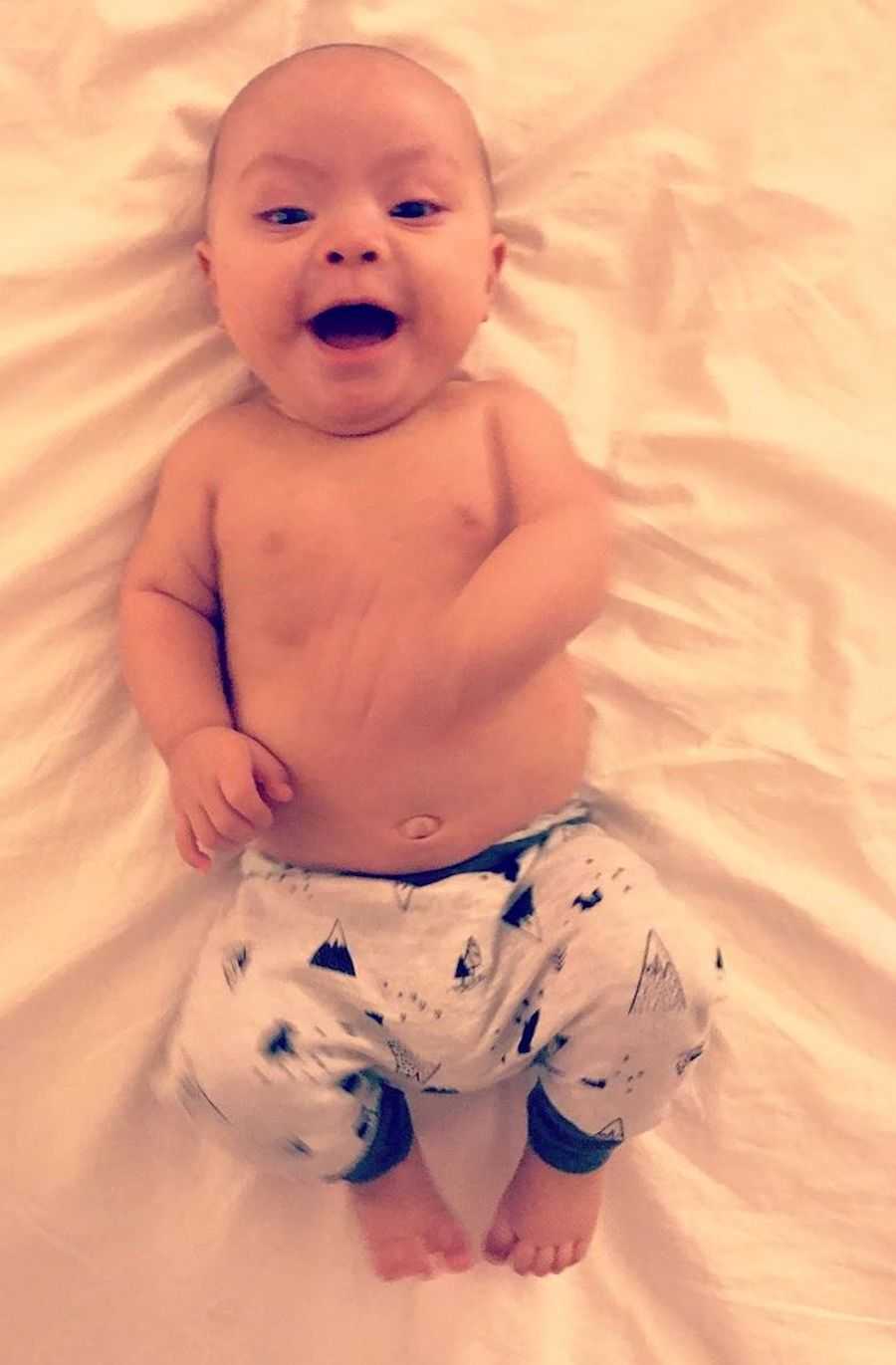
All this time, I thought I had chosen Matthew—but knowing he chose me has been my greatest source of strength. He has revealed depths of love and resilience I never knew I possessed. The joy he brings to my life feels like a dream.
Single parenting is not for the faint of heart, nor is raising a child with special needs. But Matthew’s choice to come into my life has been the greatest gift I have ever received.