I found myself sitting next to a woman by the pool.
She has three children and seven grandchildren. She lives in a big city and was on vacation with her girlfriends. “No husbands!” she exclaimed with a laugh.
She asked me about my life. Did I have kids? Where was I from? I could tell she really wanted to talk about children. She had that warmth, that curiosity, that sweetness—like my own mother.
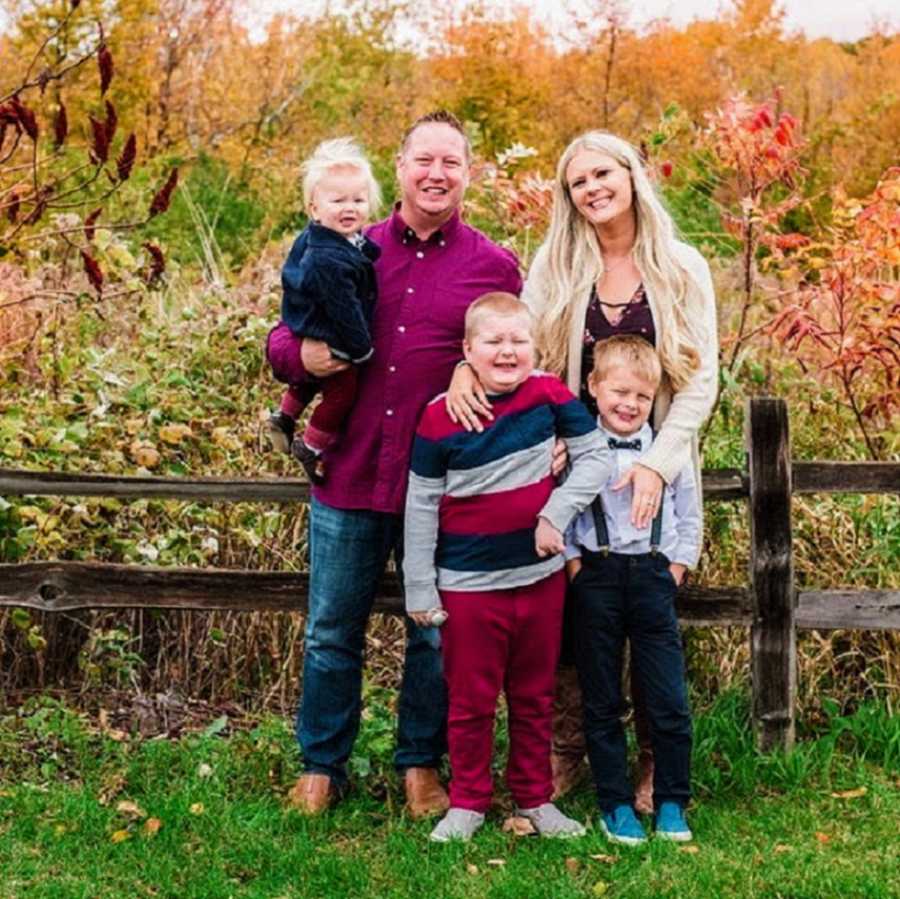
“I do! Three boys. They’re the reason for this vacation,” I said with a smile.
She asked their ages.
“Almost 9, 6, and 1,” I answered.
“One of my grandsons is 9,” she said. “Such a fun age. He plays soccer and baseball. He’s very active. His mom has him volunteering at a neighborhood shelter. He wants to be a singer… and a veterinarian. Isn’t that a riot? He’s just started talking back. Ooo, does he have a smart mouth at times! Kids these days… so different from when I grew up. Everyone’s so busy now. Tell me about your sons—you must be going nonstop?”
This part is always the hardest for me. I’m not embarrassed about autism. I’m not shy. I don’t feel the need to keep it a secret. But our life is different. And no matter how I describe it, once I say the word autism, the conversation often shifts. It gets quiet, awkward, uncomfortable—unless someone has autism in their life. I don’t want it to be that way. It shouldn’t be a sad thing.
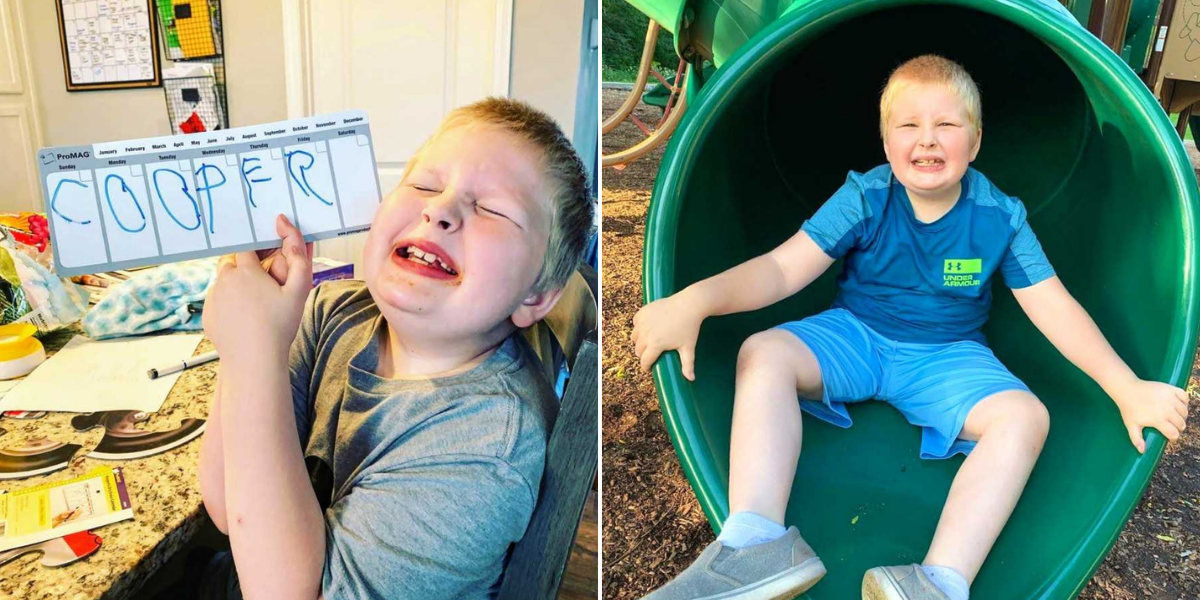
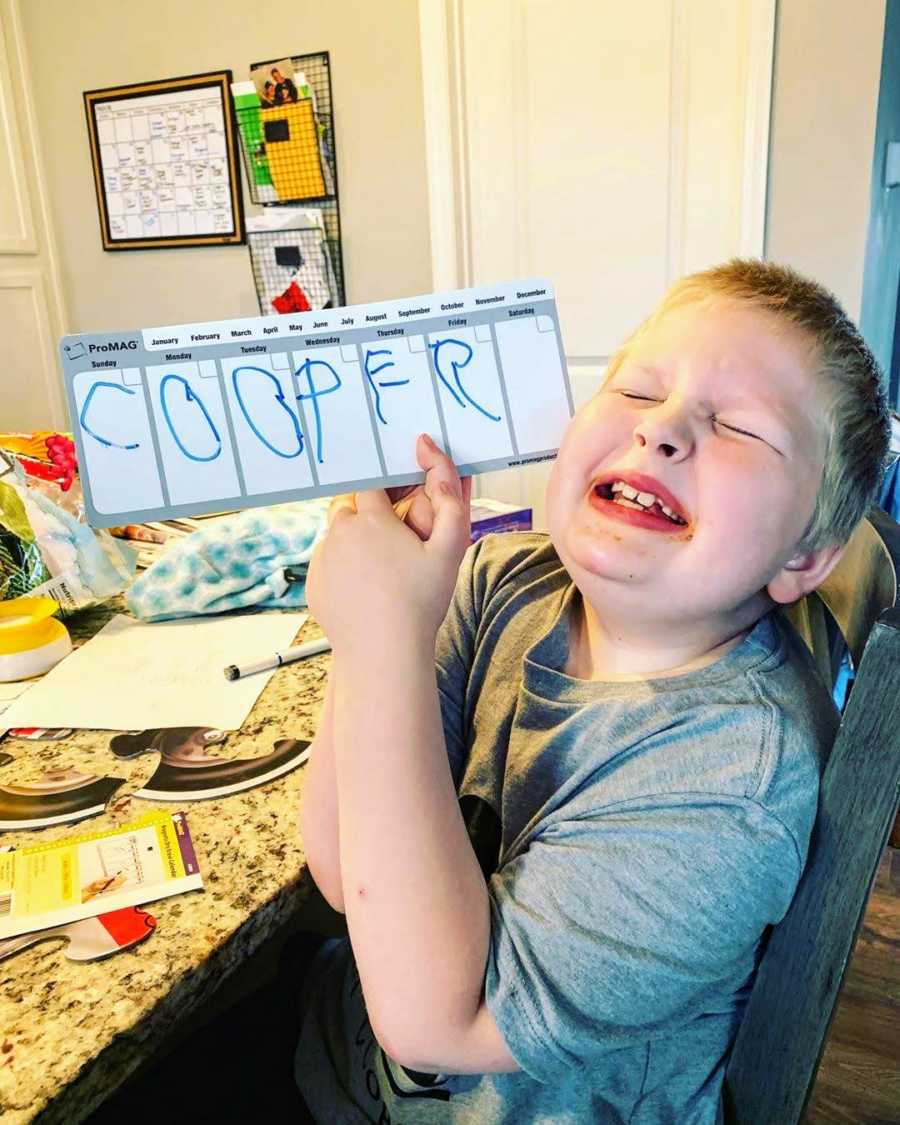
I told her about Sawyer first. Then the baby. And Cooper. I described how Cooper loves trains, puzzles, the alphabet, and dancing. He played Miracle League baseball this year, and it was such a joyful riot. He’s really excited for his birthday coming up.
“What does he want to be when he grows up?” she asked.
There it was—the question I couldn’t answer without sharing autism.
“Um… well… I don’t know that. He’s autistic. He’s just learning how to talk and communicate. He’s doing great—amazing, actually. He goes to a special school that’s helping him tremendously. But as for a job… I don’t know if that’s in the cards. I would love, though, if he could volunteer or have some sort of role in the community someday.”
Silence.
I could tell she felt uncomfortable. She had just told me all about her grandson—everything he’s doing, everything he will most likely achieve—and now she felt bad for me. I knew this would happen. It always does. People hear autism, then nonverbal, then lifelong care, and suddenly there’s pity in their eyes. I get it. I’m not offended.
So I do everything I can to share the beautiful parts. The parts most people don’t see because they aren’t celebrated in the mainstream world.
I told her that every single day is the best day of Cooper’s life. He’s always happy. He’s learning to say his brothers’ names. He loves hugs, tickles, wrestling, and photos—especially photos of his baby brother.
It’s such a fine line. A confusing line. I don’t want people to feel sad. I want to talk openly and honestly about our life—the good, the hard, and the reality—because it’s my life. It’s as simple as that. I want to share our world, just like she shares hers. One is not less than the other. Just different. Differences we should talk about.
Moms and dads in our world, keep talking. Tell your stories. Share your world. Share your children. Because that’s the only way we move forward. Keep talking. Normalize our world.