Twenty years ago, when I first came out, it was unbearably hard. I grew up in the Deep South, where anyone who dared to stray from the social norms was almost guaranteed to be ostracized. It wasn’t that people were born hateful or cruel; more often, their fear came from never being exposed to anything outside their own experience. Anything different sparked confusion. Homosexuality, interracial relationships, religious differences—these were all unfamiliar and unsettling concepts to the average person in the community where I was raised. As a result, growing up felt especially heavy and lonely.
I remember lying awake in bed as a little boy, praying every single night. I would beg God not to let me be gay. Without fail, I ended my prayers the same way: “And God, please don’t let me have nightmares, and please don’t let me be gay.” Many nights, I cried myself to sleep, terrified of something I didn’t yet fully understand but already knew the world wouldn’t accept.
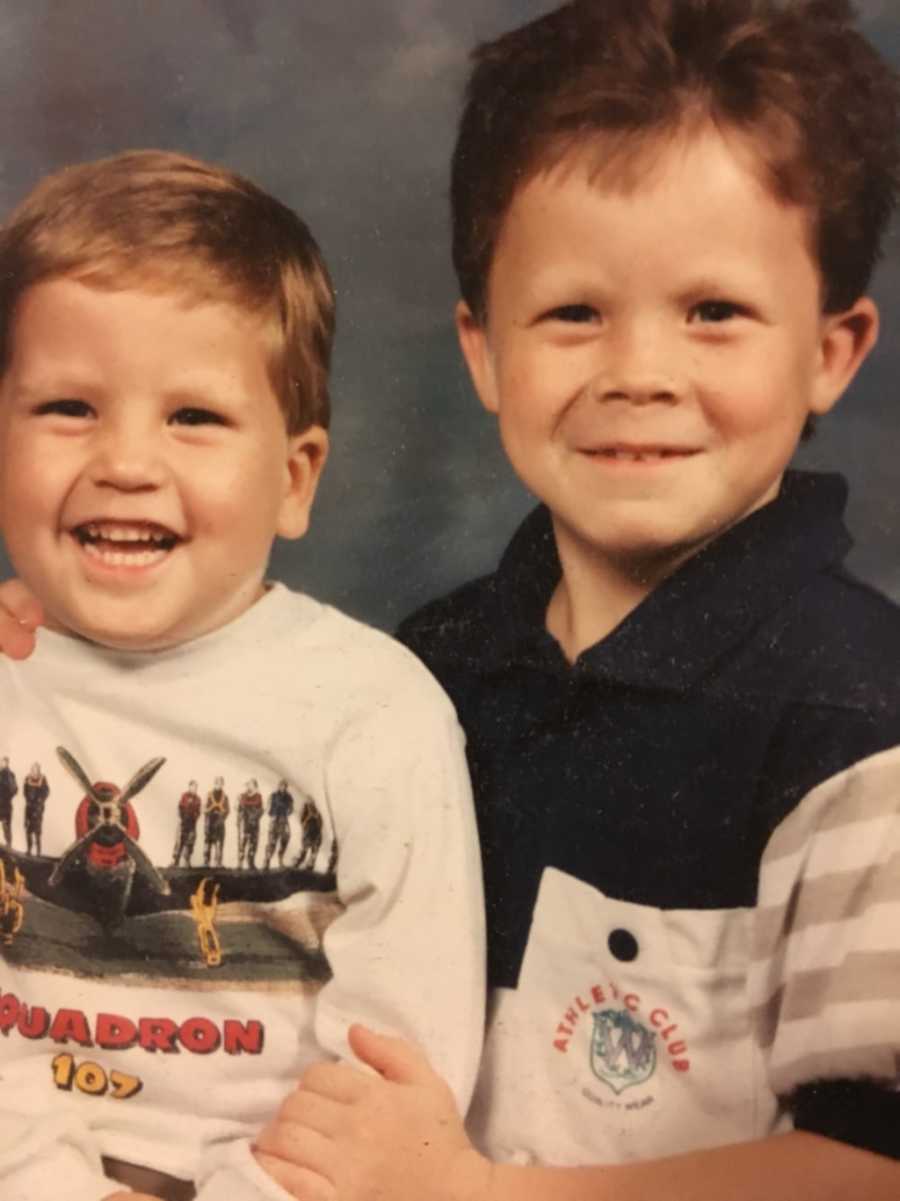
As I grew older, I believed it took an incredibly strong person to fully embrace who they were and proudly show it to the world. I thought about how brave someone had to be to live authentically, regardless of what society thought. I secretly admired people who did just that. I vividly remember hearing snide remarks about interracial couples holding hands at the mall. Instead of judgment, I felt awe. I thought about how bold they were, how fearless it seemed to love openly in public. It took a special kind of courage, and I wished that one day I could be that brave, too.

Eventually, my time came to rise up and embrace who I truly was. But defying social norms comes with real risks. I constantly worried about being rejected by my family, my church, and my friends. Sadly, those fears became reality. People turned their backs on me. Hurtful words were spoken. My dad often called me a sissy and would say, “Don’t act like a queer,” simply because I didn’t want to get dirty like my brother. As I grew older, I avoided going to my dad’s house because the verbal abuse became too much to bear.
When I finally came out, many people I had gone to school and church with blocked me on Facebook. Somehow, that rejection hurt just as much as the cruel comments. Even some of my closest friends disappeared from my life.
But here’s what I’ve learned since then: I didn’t need those people. Unconditional love isn’t something you reward someone with—it’s something you give freely, without expectations. If someone can’t offer you love and respect simply for being who you are, then they don’t belong in your inner circle. And let me tell you, that lesson took me years to learn. There are people out there who are waiting to love you exactly as you are. You just haven’t met them yet. When you do, you’ll know.
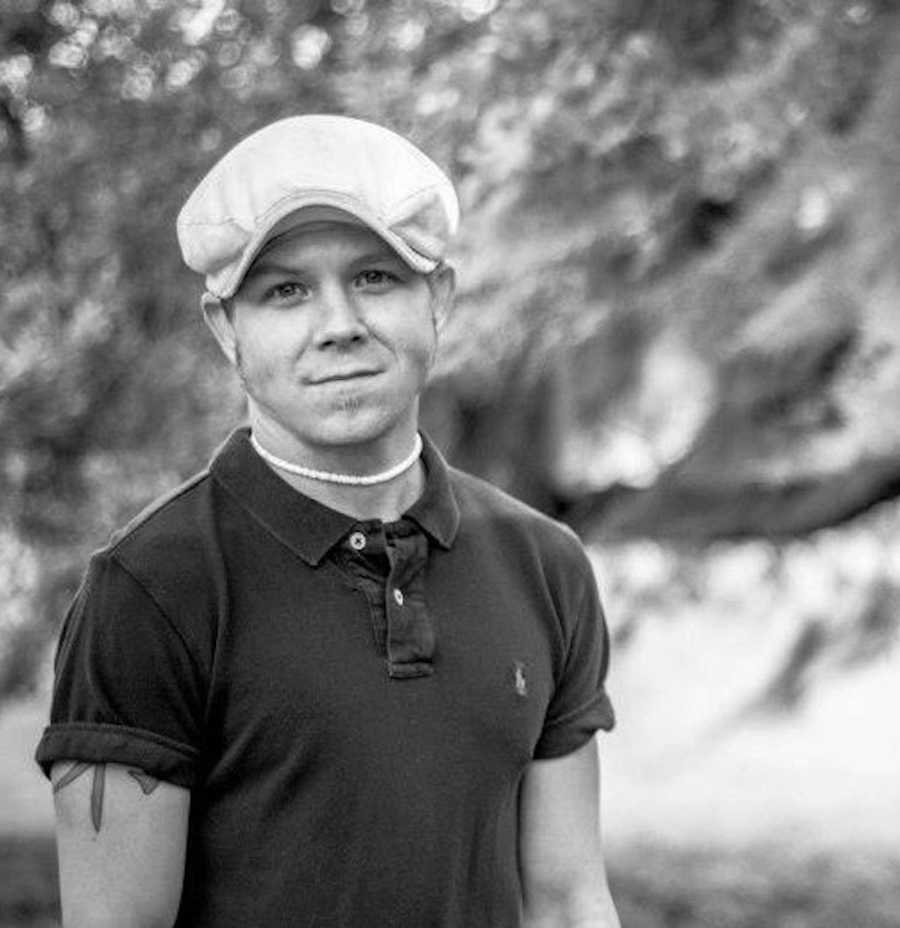
After I graduated, when I fully realized I was gay, I confided in a friend from work named Lauren. She didn’t work directly with me, but she was close with many of my coworkers. Lauren was hilarious and looked just like Ana Gasteyer from Saturday Night Live. I adored her. When I came out to her, I was terrified. I was shaking. Her response was so calm, so simple. “It’s no big deal,” she said. And I loved her instantly for that.
Life moved on, and we eventually lost touch. I moved to New Orleans. Years later, my husband Douglas was showing me around his hometown of Jackson, Mississippi—about two hours from where I grew up. He took me to his childhood best friend’s house and knocked on the door. When it opened, I nearly fainted. Standing there was Lauren. They were best friends. Fate has a funny way of reconnecting us to the people who mattered most.
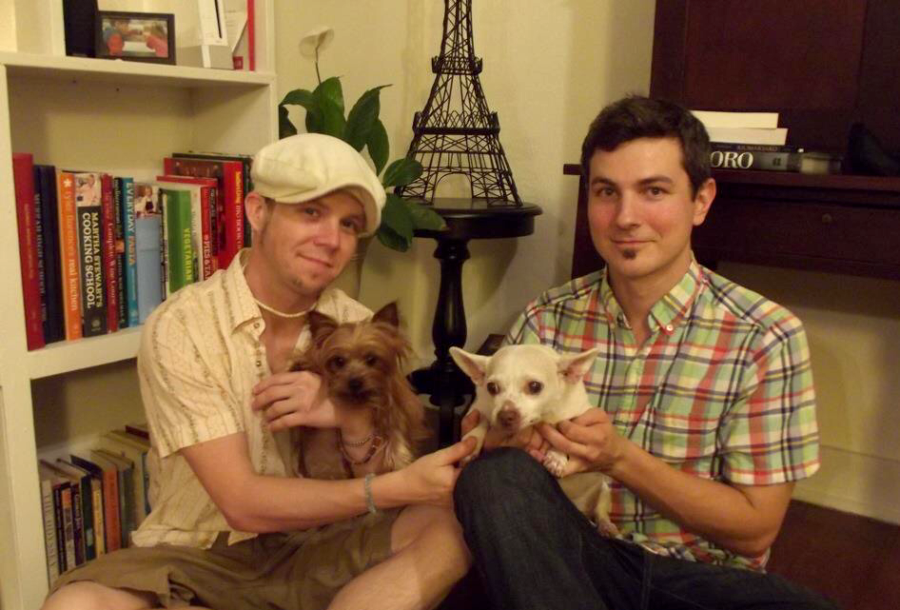
Looking at society today, I can’t imagine what it’s like growing up with social media everywhere. I still struggle to understand how people can be so hateful while hiding behind a screen. When I first came out, hearing opinions about my personal life was difficult enough. Today, social media gives hateful voices a megaphone. Trolls can lash out across countless platforms and communities.
I remind myself daily that these people will always exist, and I can’t take their words personally. I didn’t fully grasp how widespread online cruelty was until my writing began circulating on various websites.
Writing became my way of leaving a trail—stepping off the main road to help others find hope. I believe helping to light the way for other LGBTQ people is crucial. It feels like a personal calling, one I follow with passion. Living authentically opens doors to beautiful opportunities. Young people questioning their sexuality deserve to see that living boldly and unapologetically can lead to a full, joyful life.
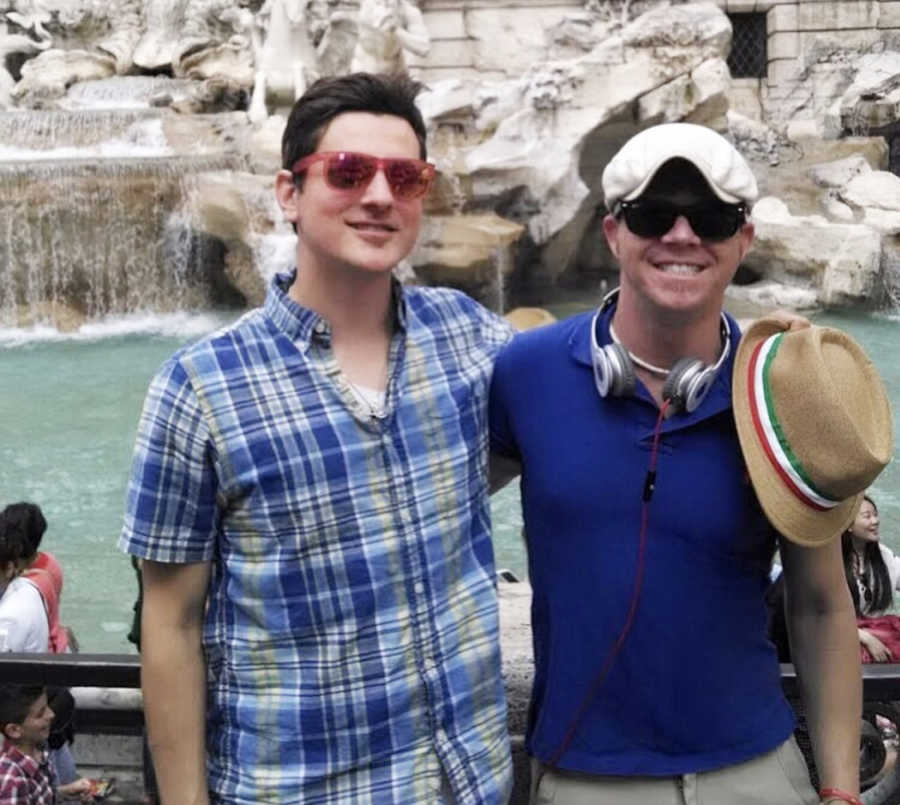
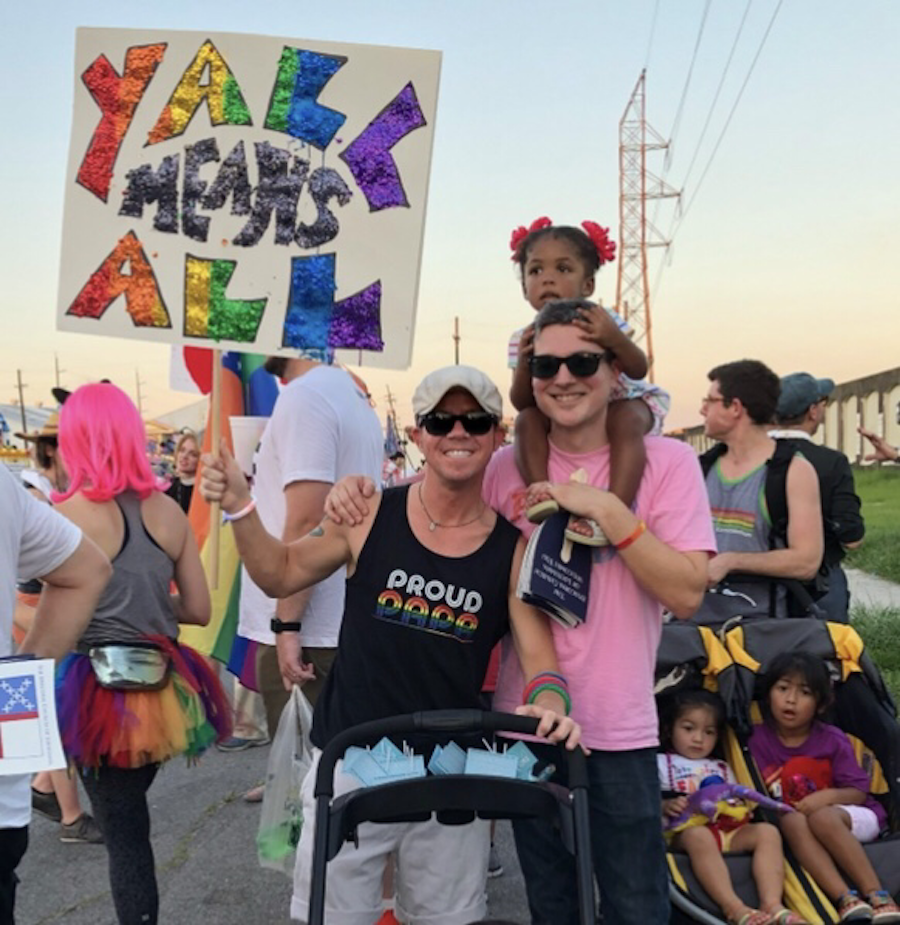
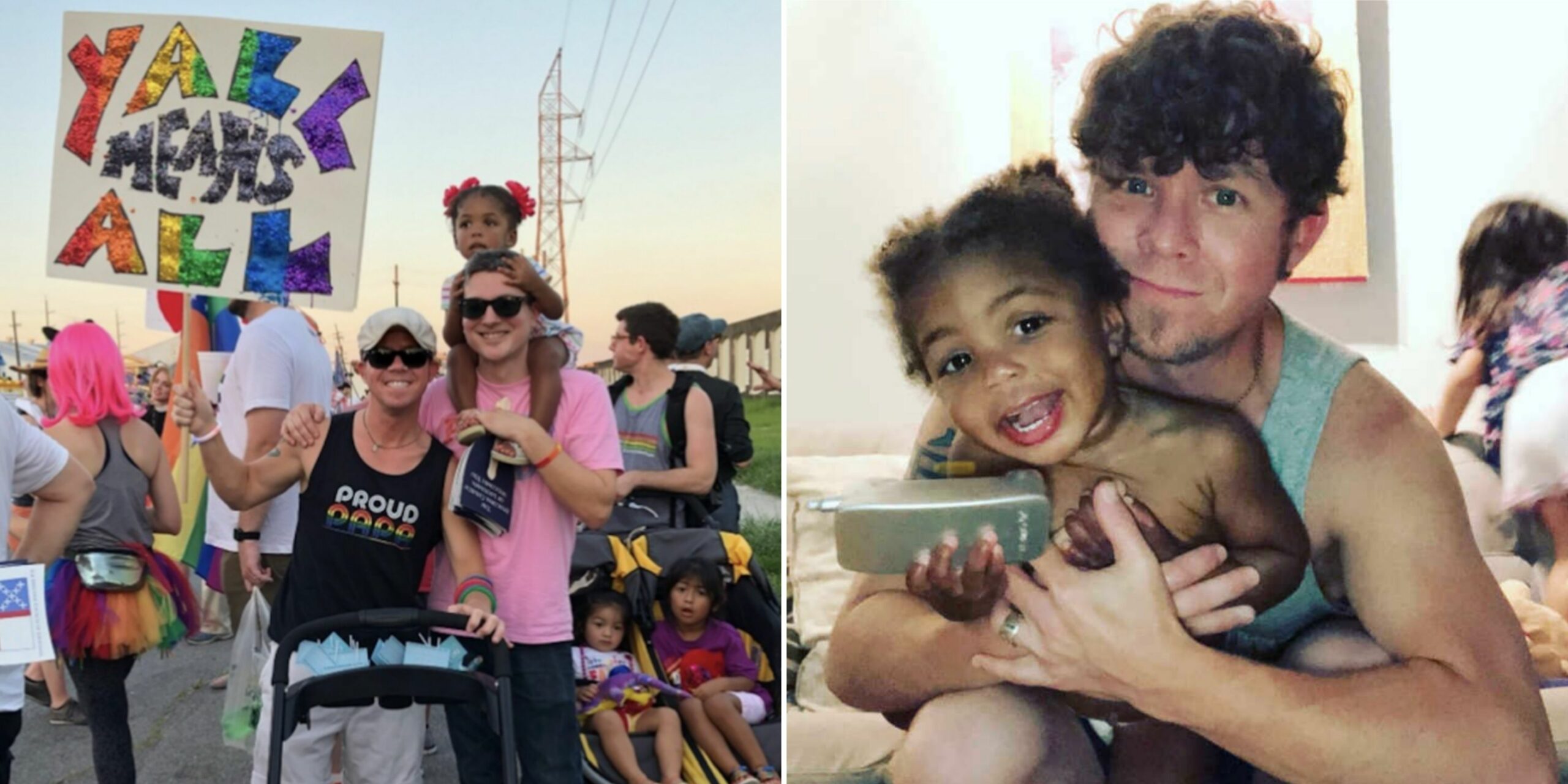
Of course, putting my story out there leaves me vulnerable. While the exposure is exciting, it also invites cruelty. Strangers send hateful messages. Some say, “You’re going to hell.” Others call me an abomination. But the comments that hurt the most are the ones aimed at my daughters.
“Those poor girls.”
“Gays shouldn’t have children.”
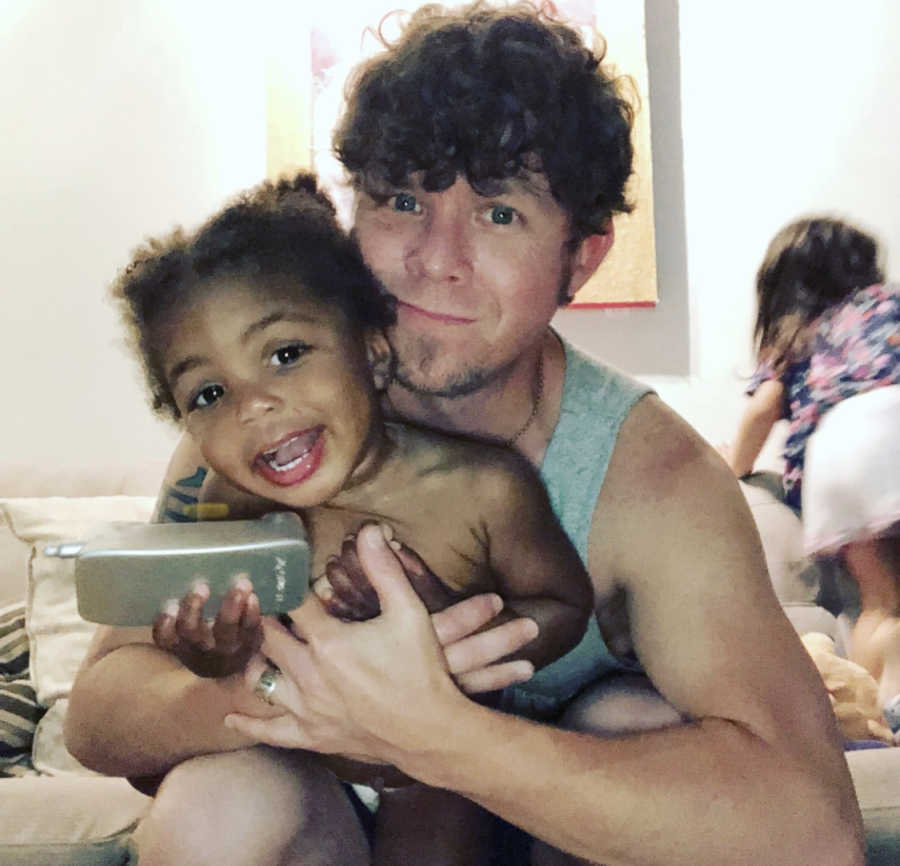
How dare anyone come for my children. We give our daughters the best life possible. We raise them in a house of God. We pray before every meal. We love them unconditionally. To suggest they don’t belong in our lives is pure hate.
These moments remind me that cruel people still exist, but they also remind me to grow stronger. I am living my best life, and I am proud of it. Why should strangers have the power to diminish that? I know who I am. I am a good father, husband, friend, son, and brother. I am enough.
Still, I am deeply sensitive—sometimes too much. I always have been. When classmates called me slurs growing up, I would lie awake at night replaying their words, wondering what I did to deserve them. When people I’d known for decades blocked me after I came out, it felt like a door slamming shut.
Now, I’m learning. I’m learning not to read the comments. That’s a good place to start.
People are unkind for many reasons, and I don’t need to understand why. I just need to move forward. Their anger is often rooted in fear and confusion. I don’t take it personally anymore. I choose to walk away with dignity.
National Coming Out Day matters because it shows those who are questioning that they are not alone. It shows them that life truly does get better. And it does—trust me. If you cry yourself to sleep praying to change who you are, know this: it’s okay to cry. Just don’t give up. Keep moving forward.
If you’re a teenager struggling right now, please hear this—it won’t always feel this way. Your life has meaning. You matter. Find your people. Find joy. Create. Love. Be kind. Your kindness today might become someone else’s strength tomorrow. Life is beautiful, and it truly does get better.
LGB youth contemplate suicide at nearly three times the rate of heterosexual youth.
They are almost five times more likely to attempt suicide.
Their attempts are far more likely to require medical treatment.
That is why our support for LGBTQ and questioning youth is not optional—it is vital.