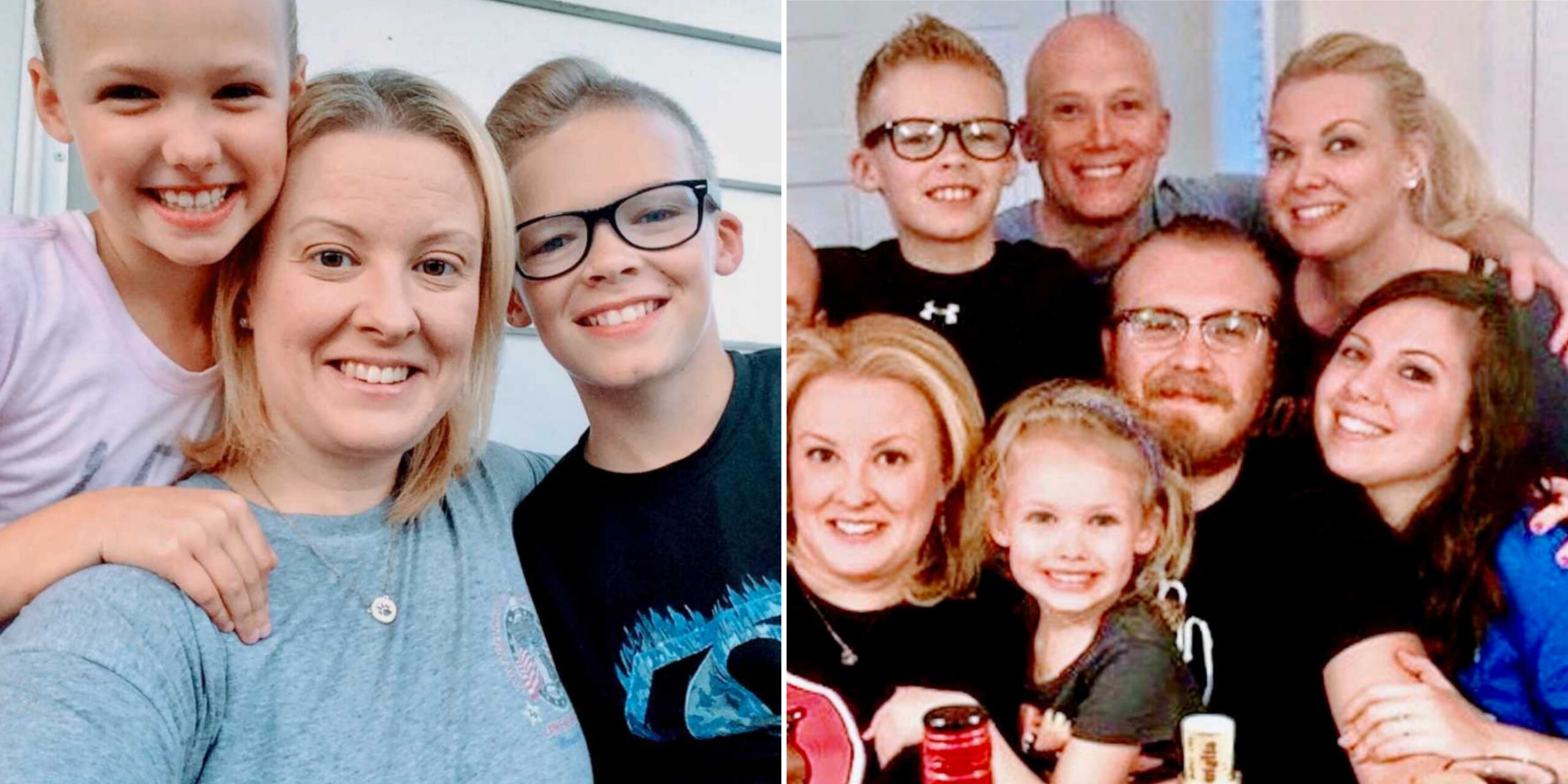
I had everything. I still do. BUT—and that’s a big but—I don’t know what happiness truly feels like. I don’t even know if I’ve ever been happy just for happiness’s sake. Admitting this to my immediate family crushed my mom, and no amount of explaining will ever fully soften that blow.
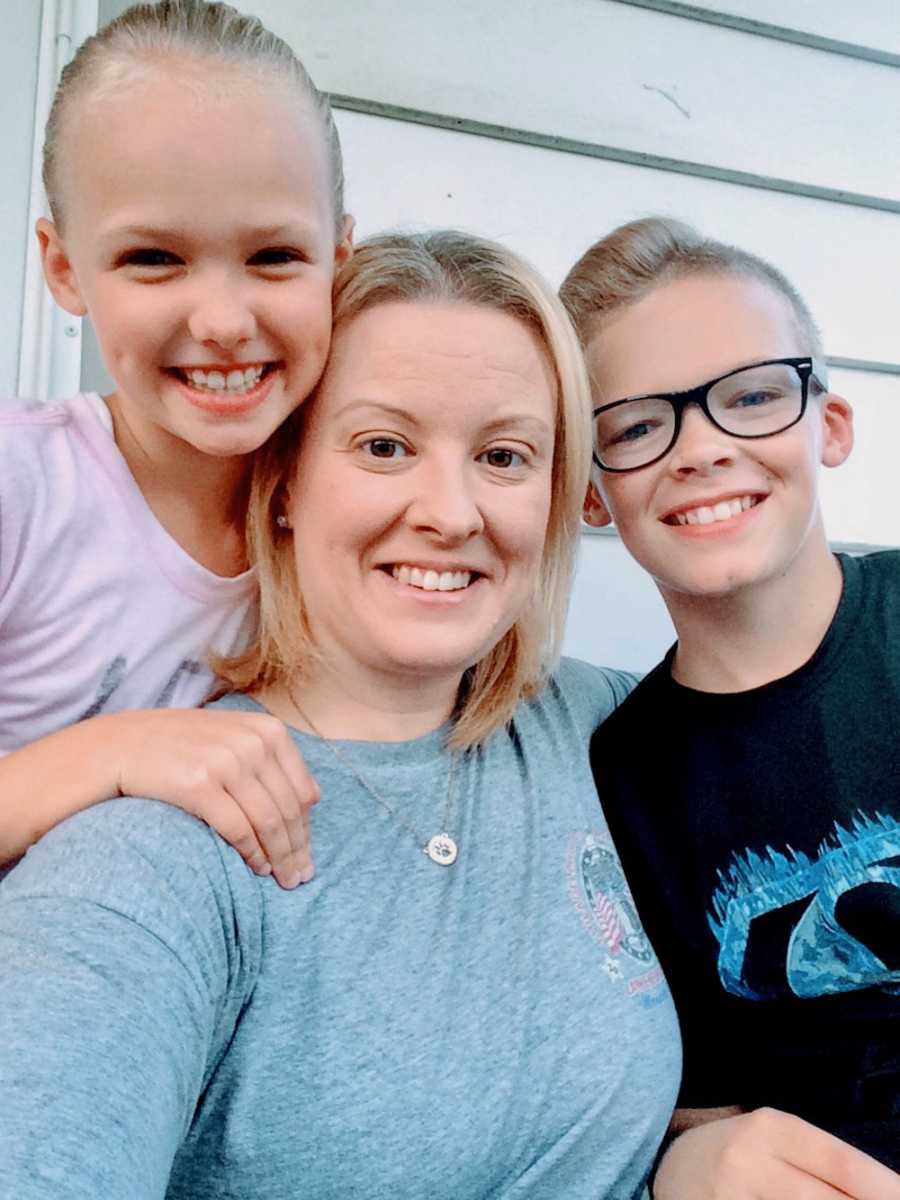
I grew up in a family of five. I’m the oldest of three, and my parents are more in love today than the day they met in freshman study hall. I was raised in a home filled with love, guidance, and high expectations—not for perfection, but for courage, integrity, and self-respect. I learned early to know my worth, to speak up when necessary, and to defend those who couldn’t defend themselves. My father is a Marine Corps Vietnam Veteran, and my mother has battled Lupus her entire life—fiercely, unapologetically, never letting it defeat her. My sister is my best friend, and my younger brother has always been one of my most vocal supporters.
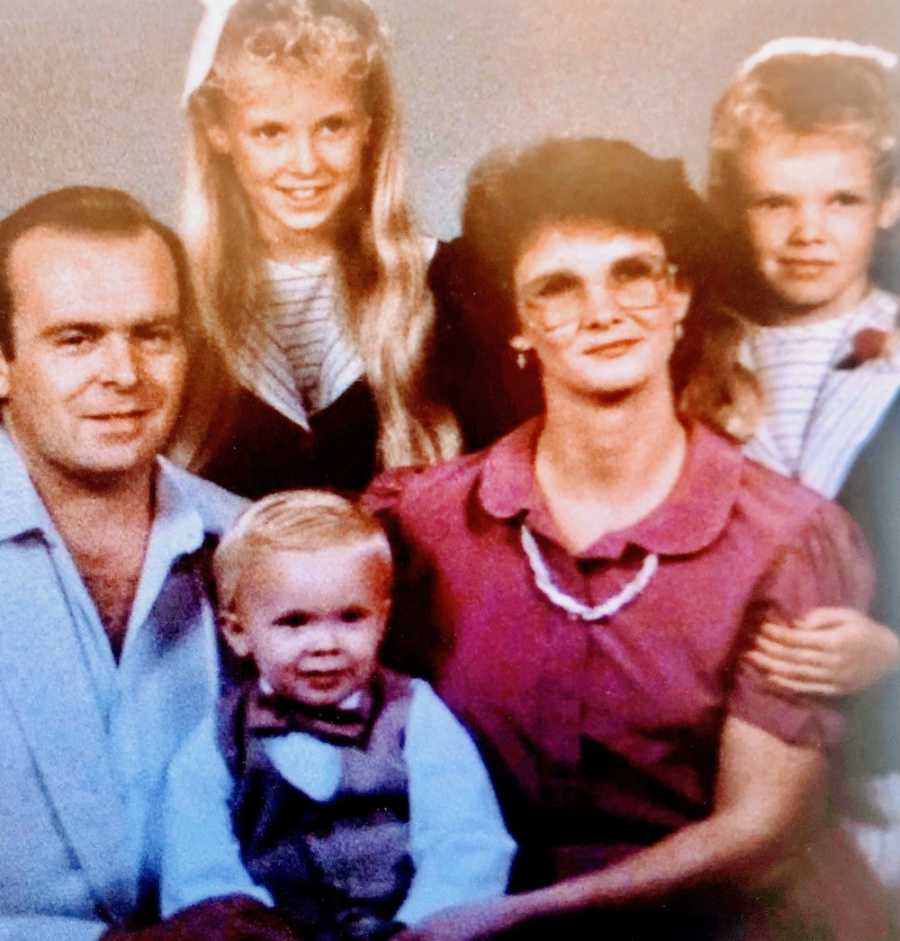
From a young age, I understood that opportunities were abundant for me. I wasn’t expected to succeed, but I was always encouraged to try. I spent hours lost in books, often late into the night, until Mom would quietly enter my room and gently insist I turn off the light and rest. I’ve always been an introvert, finding solace in quiet and solitude. High school was a struggle—I never quite fit in. I wasn’t “nerdy” enough to be considered smart, not “edgy” enough to be cool, and although I played sports, I was never good enough to be a “jock.”
Eventually, I found a small group of friends, and we spent four years together navigating the usual teenage rites of passage—parties, school events, dances, and games. I participated in what everyone else did but often retreated inward, cherishing the time I needed to recharge. I went along to fit in, experiencing the highs and mistakes of adolescence, but my inner life remained my sanctuary.
Then, one night, everything changed. I was 18 and hosting a party while my parents were away. I had convinced them I was responsible enough to stay home alone. That night, the house was a disaster: a keg left a permanent ring on the floor, beer was poured into my dad’s 100-gallon freshwater fish tank—killing the fish—and the holiday teddy bears my mom had collected were left to drown in the pool. But that chaos was only the beginning.
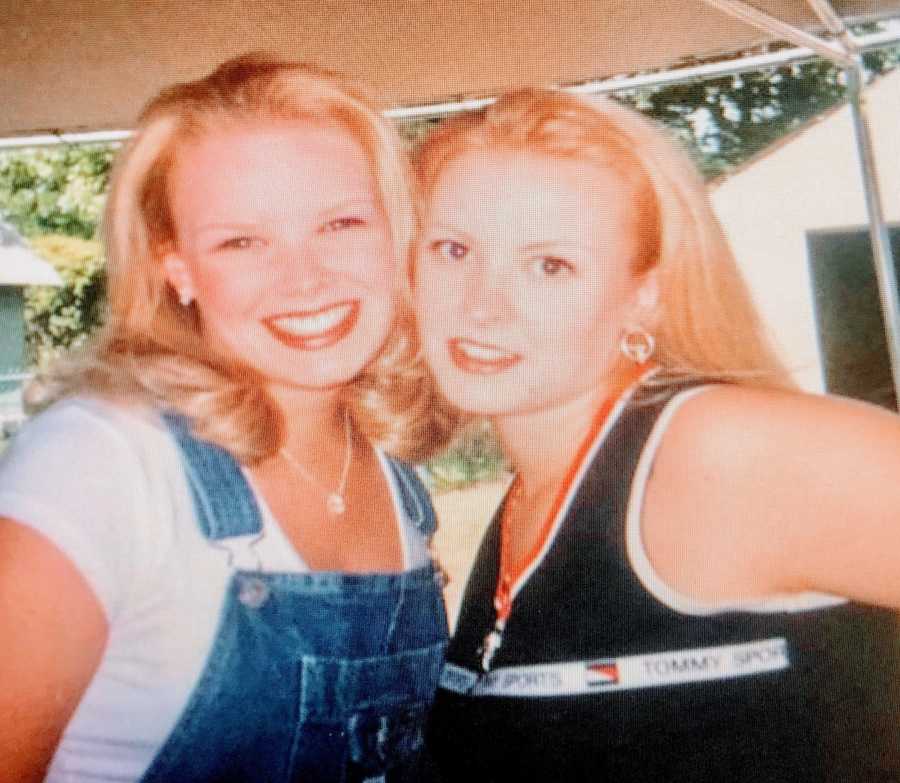
That night, I drank too much. People I trusted betrayed me. And worst of all, I was raped. I was not 100% sober, and I was not a virgin, but I was in my own home—my safe place—until I wasn’t. I remember almost every detail. Later, I would learn I had dissociated, floating above my body as if observing the assault from afar—a natural defense mechanism, my mind’s way of protecting me from unbearable trauma. I buried the memory so deeply that it stayed hidden for 21 years.
Fast forward to September 2017. I was 39. It was a Friday morning like any other, yet I woke knowing it would not be a good day. I called out of work and headed downstairs for breakfast. For the past few weeks, I had not felt like myself. I cried for no reason, could not concentrate, and carried a weight of anger I could not explain. As I sat with my cereal, my sister arrived, followed shortly by my mom, and minutes later, my brother and his wife, who live out of state. It was an intervention of sorts—and I resisted. Confronted with my own declining mental health by the people I loved most, I wanted to run. So I did, straight to the shower.
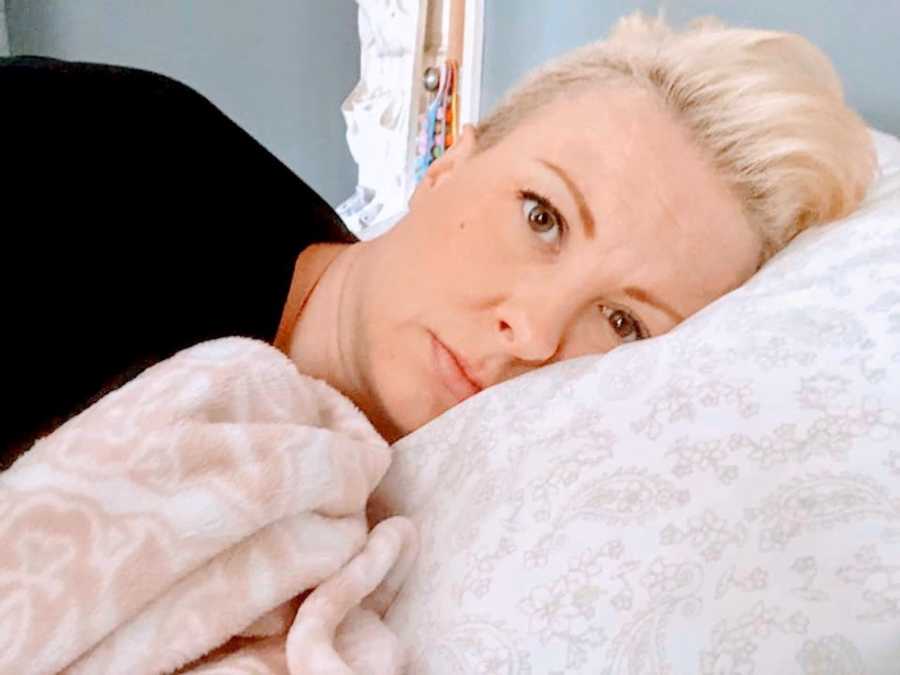
The hot water hit me, blurring the line between tears and water. I knew I needed help, even if admitting it felt unbearable. Mom knocked on the door, gently telling me that everyone would wait for me downstairs. I replied, “I think I need to go to the ER.” And I wasn’t alone—my family came with me.
By the time we arrived, I was in full-blown panic mode. Panic attacks are an all-consuming dread—the visceral certainty that something terrible is happening to you at this very moment. My brother recognized my distress, took care of the paperwork, and let me wait under my dad’s arm in the sun, even though I could see no warmth in the day.
Soon, triage called me in. My blood pressure was through the roof, my heart racing, on the brink of hyperventilation. A nurse quickly placed me on a stretcher in a hallway across from three empty rooms. I wanted to leave out of embarrassment. My sister, seeing the severity of my breakdown, would not let me. A nurse guided me to a room, the ER doctor arrived, and I began speaking, unsure what I was saying—but knowing it had to come out. That moment began my introduction to mental health treatment, flawed as it was.
In the ER, the focus was immediate sedation, followed by pain medication for the side effects. I was numb, barely able to keep my eyes open, struggling to understand what was happening around me. Hours later, my family returned, offered their love, and left me to wait. Late that evening, a doctor asked if I had thoughts of self-harm. I hadn’t, but I admitted that I didn’t know how I would survive without help. Within minutes, a nurse returned, and I was handed paper-thin hospital clothing and transported alone to a different hospital for inpatient care—a terrifying ordeal for both me and my family.
During the ambulance ride, I was in and out of consciousness. A kind woman riding with me reassured me, repeatedly telling me I was making the right choice, and that she was proud of me. Scared and uncertain, I clung to the knowledge that my family supported me.
Over the next five days, I met people whose lives had been shattered in ways I could barely imagine—men and women who had hallucinations, personality disorders, suicide attempts, and traumas society deems unimaginable. Yet, they were some of the strongest people I’ve ever encountered. In their stories, I began to understand my own strength. I was broken, yes—but I had survived. I was capable. I could endure. And I would.
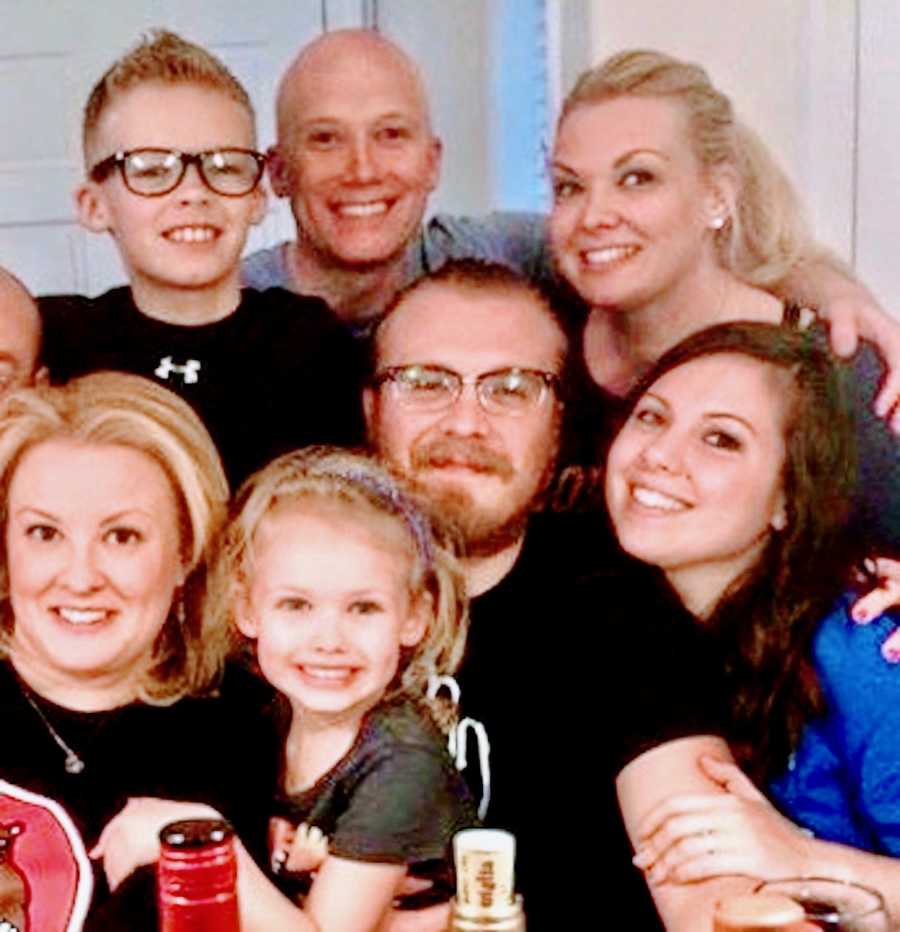
I later discovered that, in addition to Major Depressive Disorder I had been diagnosed with as a teenager, I was living with PTSD from my sexual assault. I had hidden panic attacks, flashbacks, and nightmares for decades, but now I faced them head-on, learning to heal. Twelve weeks of intensive outpatient therapy followed. I found a trauma-specialized therapist, a psychiatrist who guided me to the right combination of medications, and slowly, I began to feel like myself again.
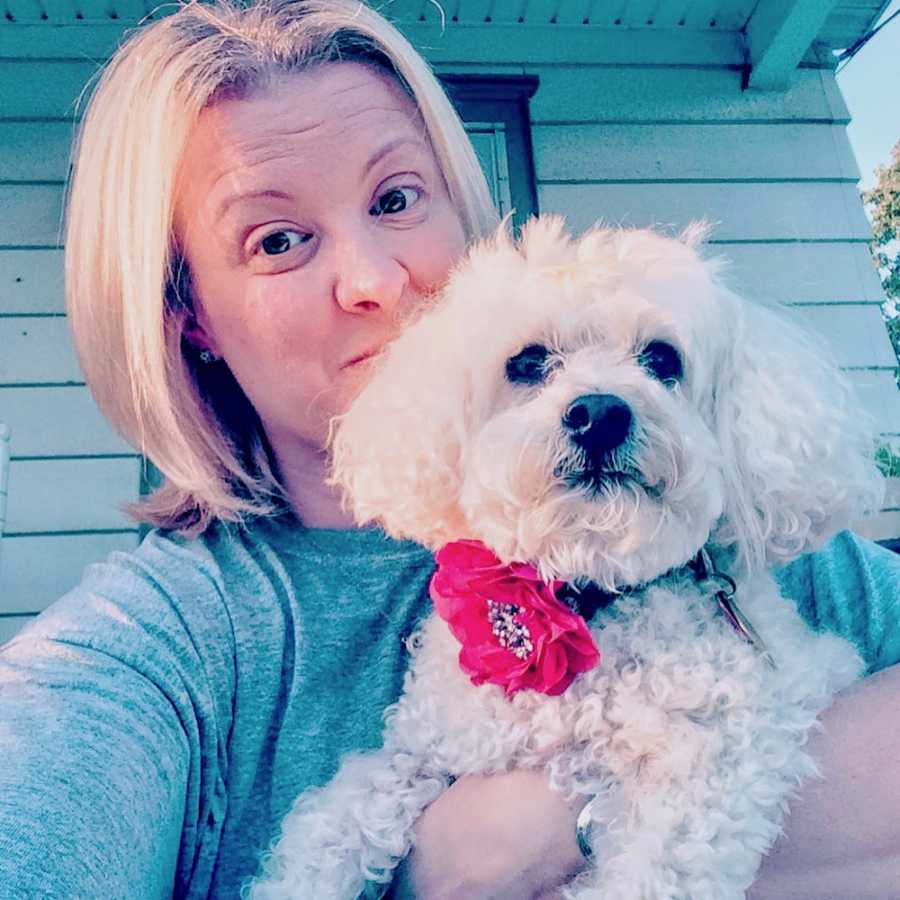
Recovery is not linear. I have highs and lows, days of struggle and days of triumph. But now, I smile with the knowledge that I can handle life’s challenges. I am stronger than I ever knew, and I am learning, finally, what happiness feels like