I met him just a couple of weeks before my 16th birthday. I needed a date for my Junior Ring dance, and my best friend at the time set us up on a blind date. I was a junior at an all-girls high school, and he attended the all-boys school right down the street. From the very beginning, he was mysterious, distant, and unpredictable. During our first month of talking, he disappeared on my 16th birthday, yet insisted I invite him to my joint sweet sixteen party with a friend. My mom and stepdad immediately disliked him, describing him as rude, disrespectful, and narcissistic. They saw the red flags right away, but I chose to ignore them. About a week later, he asked me to be his girlfriend. At that age, I didn’t truly understand what that commitment meant.
In the first few months of dating, we barely spoke. He often ignored my messages, and we only saw each other once or twice. Most of the time, I sat alone wondering why he didn’t want to talk to me. It wasn’t until Valentine’s Day in 2013 that he showed affection for the first time. He showed up with a giant teddy bear, chocolates, and flowers. I remember thinking, Wow, he really cares about me. Later, I saw a text he sent to his friend bragging that his plan to butter me up so he could lose his virginity had worked.
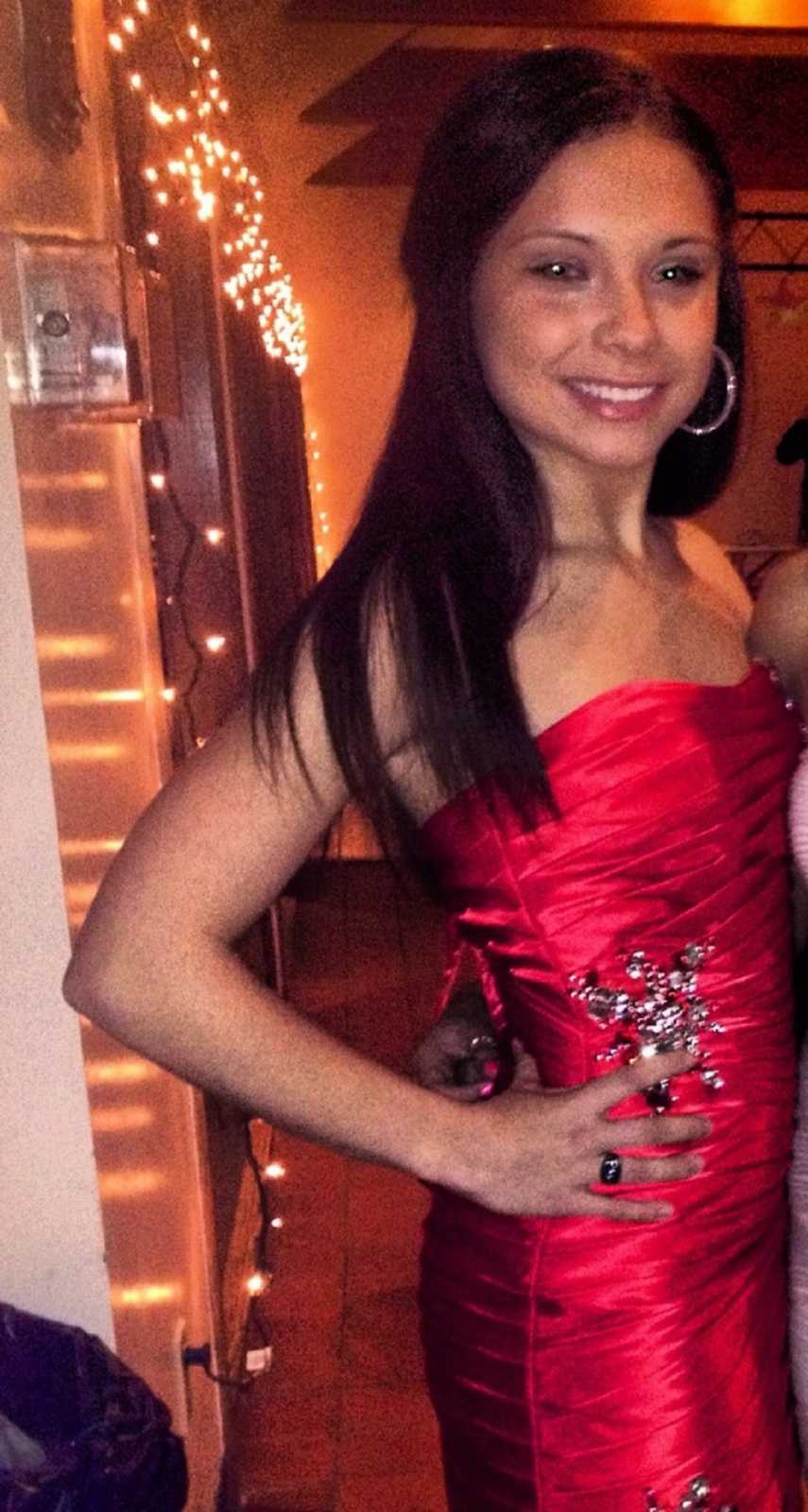
Because my family disliked him, we spent a lot of time sneaking around. I lived in a constant state of anxiety from lying to my parents, but I was convinced I was in love. He came over when no one was home, or I snuck to his house. We spent countless hours in the shower and under the sheets, becoming more sexually involved. The more invested I became, the more I believed it was love. In May 2013, we went to his junior prom with friends I didn’t know, leaving me uncomfortable and out of place. He pulled me aside and said, “I’m embarrassed I even brought you.”
I broke down in tears and spent the rest of the prom with my friend Nick because my boyfriend refused to speak to me. Afterward, my mom picked us up and brought us home, where we got into such a vicious fight that she had to physically separate us. I was devastated by his words, while he showed no remorse. My own junior prom a week or two later was much more enjoyable with my friends, though we still fought at the afterparty because he believed I talked to other guys too much. After that night, the list of people I was “not allowed” to talk to continued to grow.
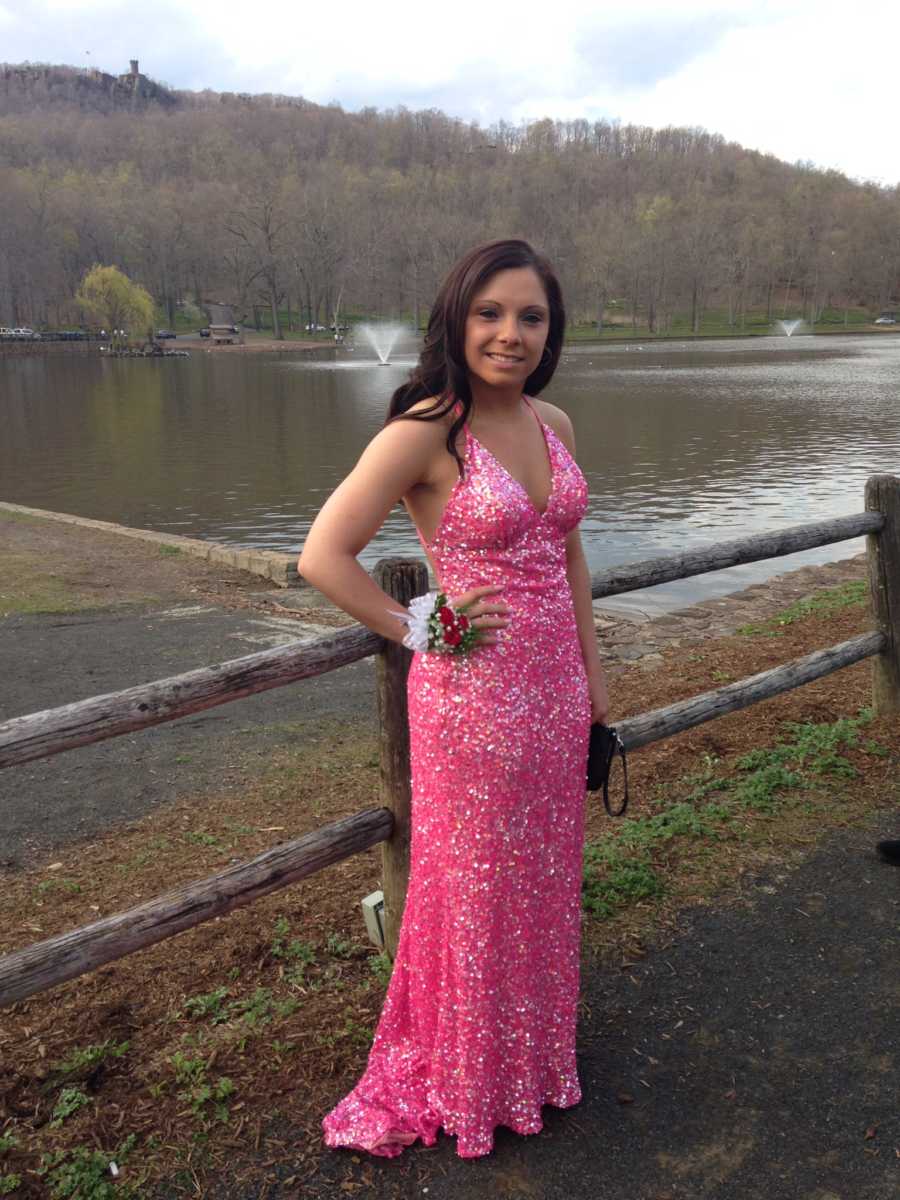
At the beginning of my senior year, we had our first serious breakup. Out of nowhere, he ended things, telling me I “didn’t respect the relationship.” I was shattered and blamed myself entirely. He punished me with silence, refusing to answer my calls or texts. Days later, he agreed to get back together, explaining that I had “proved” I cared enough for another chance. In October 2013, he was hit by a drunk driver in a horrific accident that shattered his knee and killed the other driver. For weeks, I stayed by his side as much as possible, helping him use the bathroom, wash, eat, and sleep during rehab. At the end of November, he told me he didn’t love me anymore—then said he did in December—only to take it back again just days before Christmas.
That night, I went to a rave with my best friend to distract myself and met someone new. For the first time, I felt a glimpse of hope beyond our relationship. The next day, he drove to my house, and we sobbed and screamed in the driveway for hours. That day remains vivid in my memory, partly because my mom surprised me with a puppy named Cody.
We continued our on-and-off cycle until February 2014, when we made things “official” once again. My high school planned a Valentine’s Day dance for seniors, but he refused to go. My best friend and I decided to attend together, and I was excited for a night of girl time. Days before the dance, he warned me, “If you go without me, the relationship is over.” I lied to my friend and said I no longer wanted to go, too ashamed to admit how much control he had over me. She was furious, and we didn’t speak for weeks. I felt isolated, afraid, and completely alone, fighting with nearly everyone who loved me.
Shortly after Valentine’s Day, I received a call from one of his ex-girlfriends while sitting in my room doing homework. She told me he was dating another girl at the same time—he had two girlfriends. I broke up with him immediately. The next day, he arrived at my house with flowers, crying and begging for forgiveness. He told me I was the only one who mattered, that he cheated because he was insecure and thought I was “out of his league.” Despite my anger and heartbreak, I forgave him. I couldn’t imagine my life without him, and that decision pushed me even deeper into isolation.
My self-worth became entirely dependent on how he treated me each day. We fought at both of our senior proms. At mine, he made a racist joke, and when I defended my friends, he labeled me “disloyal” and punished me with silence and isolation, forcing me to leave early and go back to his house instead of attending the afterparty.
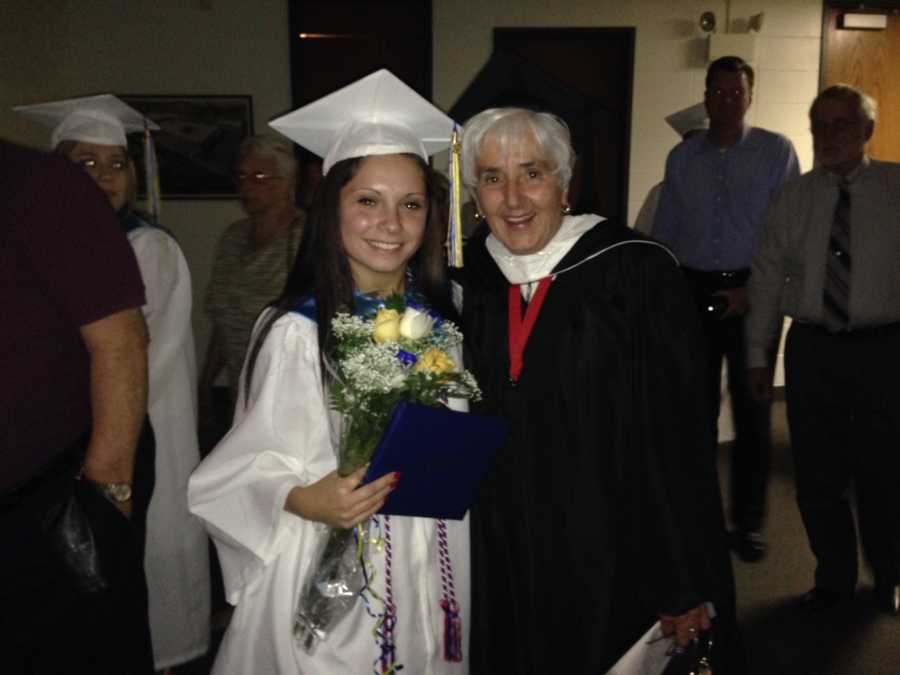
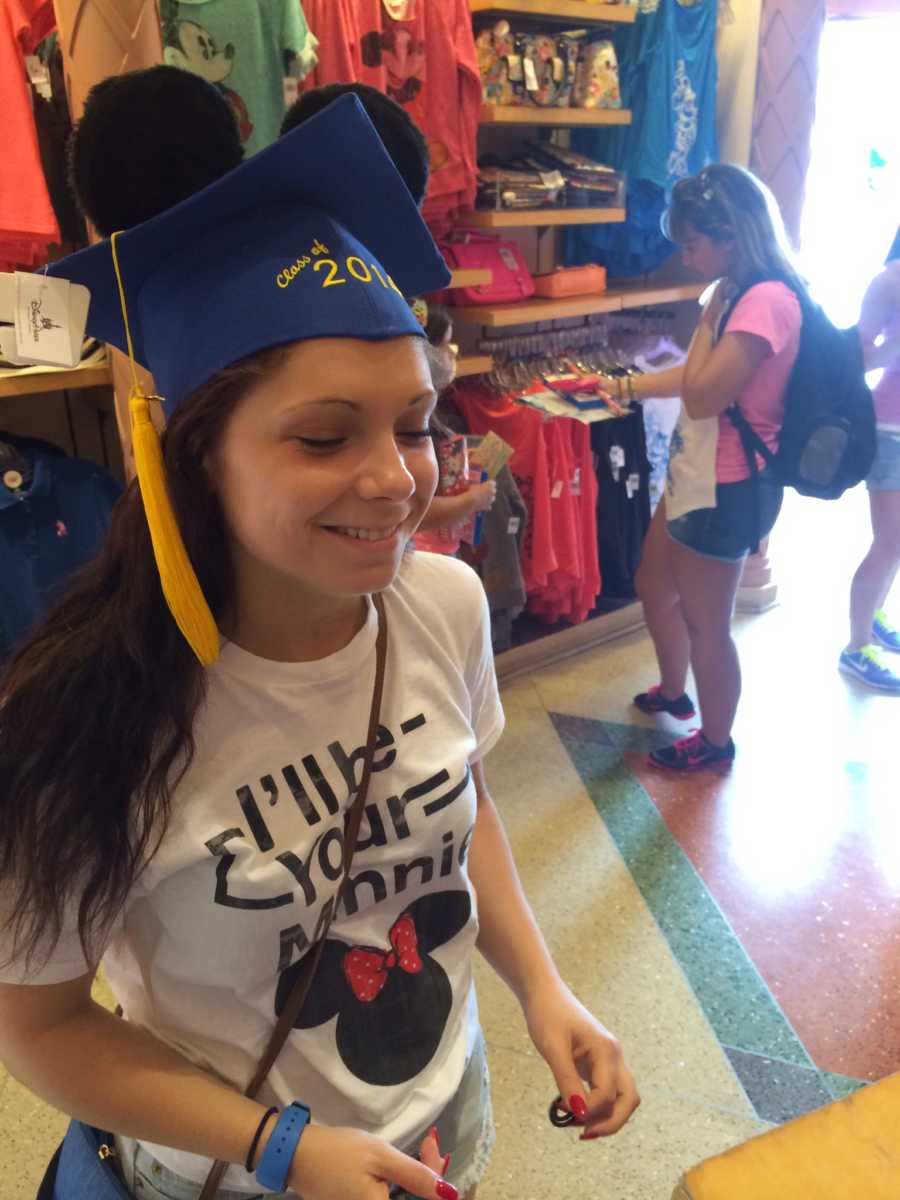
After graduation, I traveled to Disney World with his family. My mom desperately tried to pull me away from him, and when I told her about the trip, we had the worst fight of our lives. Despite everything, I went. During that trip, he hit me and laughed. He took my phone, saw a friendly message from another guy, and broke up with me in the middle of Magic Kingdom. I stood there alone, crying and terrified. Yet later that night, when he showed brief affection, it felt like it erased everything. I clung to those moments, enduring days of anxiety for seconds of validation. His words—“I love you,” “I want you,” “You are mine”—made me feel whole.
In August 2014, we both left for college. I attended Bryant University in Rhode Island, while he went to school in Florida. He ignored my messages for weeks at a time, resurfacing only to say he was busy and that he loved me. He cheated with multiple girls and ignored me on my 18th birthday. I cried to my mom, who told me I deserved better, but I didn’t believe her. I began drinking heavily. When he came home for Thanksgiving, his affection no longer had the same power over me. By Christmas, I felt his control slipping, and for the first time, I didn’t want to be around him. In spring 2015, I dropped out of school due to a severe concussion. His response was dismissive: “Is that really necessary? You’re not that injured.”
One night in February 2015, during my concussion recovery, I watched the movie Enough. Watching the main character try to escape her controlling husband, I suddenly saw my own future—one filled with fear, isolation, and violence. That night, I made a promise to myself: I would never let my life become that story. I left him. For months, he begged me to come back. In May, he showed up with flowers and threatened to kill himself if I didn’t return.
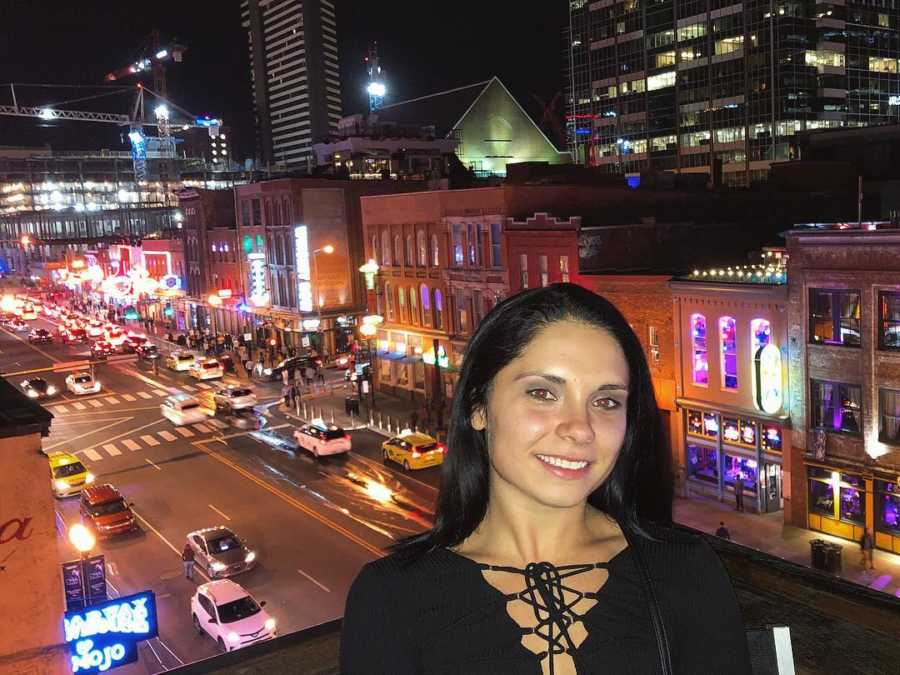
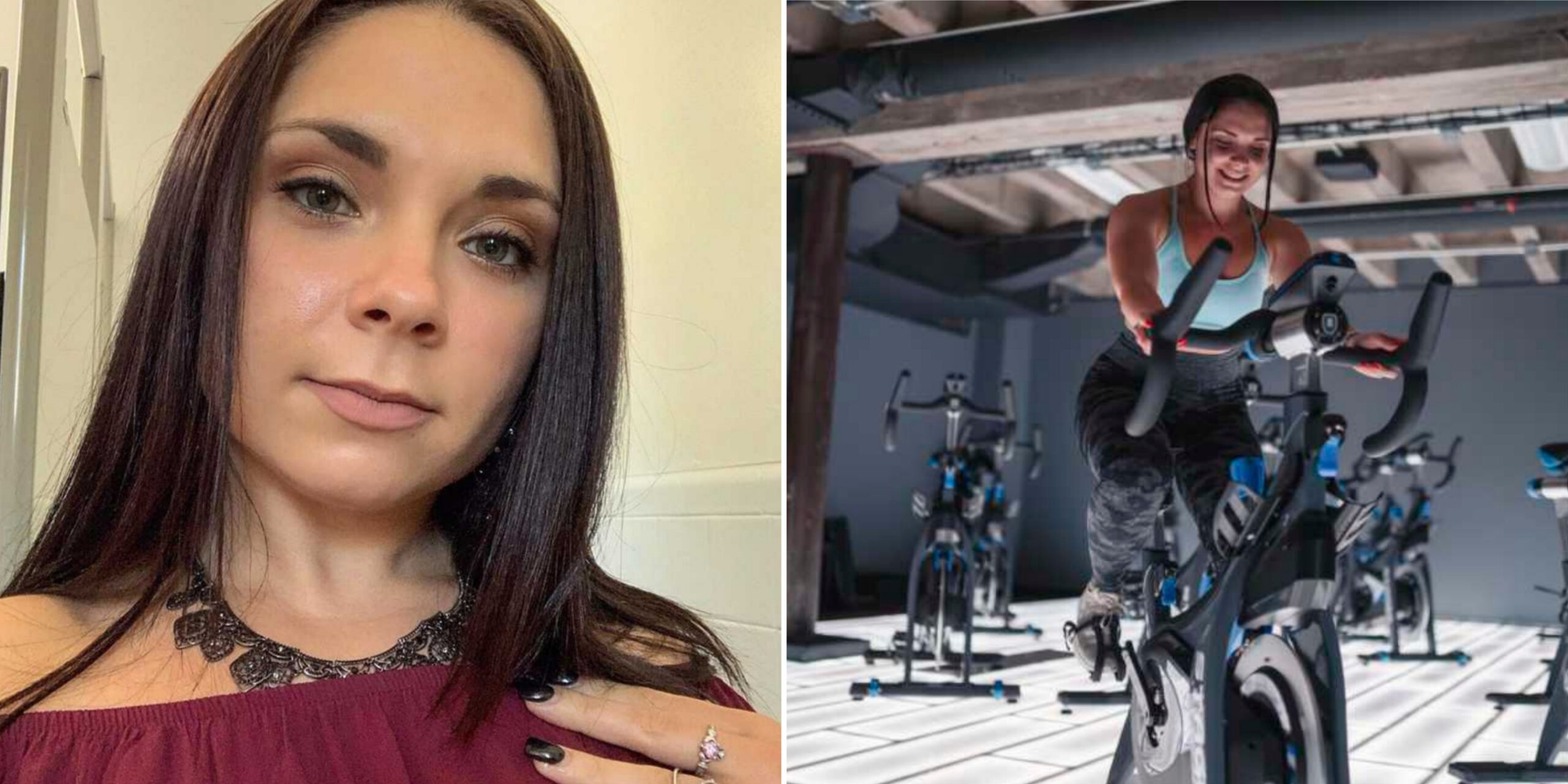
The years that followed were filled with anxiety, depression, low self-esteem, eating disorders, and alcohol abuse. I buried my pain and avoided confronting it until I realized I could never truly live unless I faced my trauma. I am a survivor of domestic violence. I am also a daughter, sister, business manager, friend, and fitness instructor. I graduated from the University of Connecticut with a degree in Economics, earned four fitness certifications, moved to Nashville, and built a career I love. I am financially independent, strong, empathetic, and resilient—because of what I endured, not in spite of it.

It has taken me more than four years to speak my truth. On the eve of my 23rd birthday, I write this with tears streaming down my face—not from pain, but from relief. There is life after abuse. Healing is hard, but freedom, love, and joy are waiting on the other side.