My husband, Will, and I met in high school. We weren’t instantly smitten, but after graduation, our friendship blossomed into something more. Soon, we were dating, and before long, we were planning a life together—an engagement, a wedding, a shared dream of the future. I was studying to become a registered nurse, but my heart had always been set on motherhood. Together, we envisioned a life of simple joys: settling into our small hometown, Will working alongside his dad in the masonry business, serving in our church, raising children, and living happily ever after.
We married young—I was 20, he was 19—and we were genuinely happy.
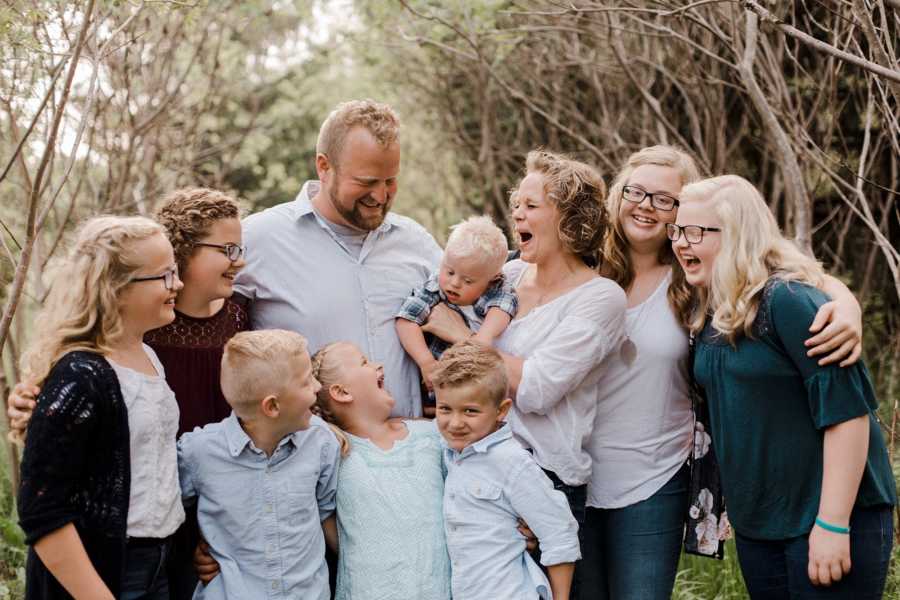
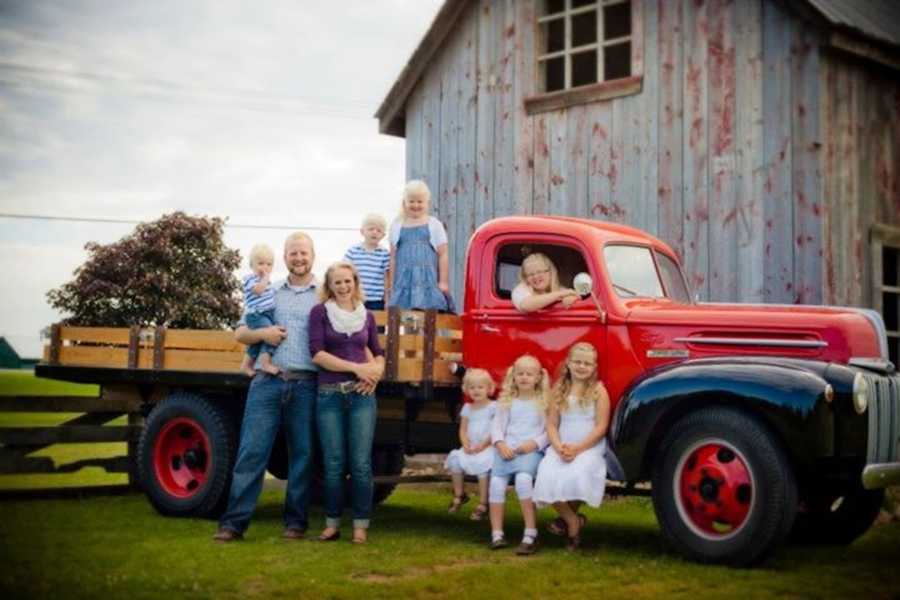
Over the years, our home grew full of laughter, chaos, and love. We had four daughters in a row—blue-eyed blondes, a nod to our Dutch heritage—followed by a son, another daughter, and then another son. Our house was always busy, filled with games, giggles, quarrels, and never-ending laundry. Though the days were long and nights interrupted by cries and needs, we cherished it all. Children, we believed, were a blessing from God, and we were grateful for each one.
Pregnancy, however, began to take a toll on me. My last pregnancy left me bedridden with severe morning sickness for weeks. Will had to take time off work to care for me and the kids. We began to wonder what was best for our growing family. Though we were still young and hopeful for another child or two, we approached it with caution. We prayed, reflected, and tried to get healthier. Will and I started running together, putting ourselves in the best shape we had ever been.
We decided to try for one more child. Soon, I held a positive pregnancy test in my hands—half thrilled, half terrified. But heartbreak followed: I miscarried at eight weeks. Our doctor reassured us that this wasn’t uncommon and that we could try again. And so, we did. But at ten weeks, another ultrasound brought silence and grief. Our second pregnancy ended too, followed quickly by a third miscarriage at seven weeks.
We were shattered and uncertain. Was it even wise to try again? My obstetrician offered little guidance beyond suggesting progesterone supplements if we conceived again, and my research gave me little reason to trust them. After much prayer and reflection, we decided to try one last time—if it didn’t work, we would accept that chapter as closed.
This time, I started progesterone, and we saw an obstetrician rather than my familiar midwives. We were relieved to see a strong heartbeat in early ultrasounds. This baby would be okay—or so we hoped. Pregnancy was easier than before: some fatigue and mild nausea, but manageable. I even bought a fetal Doppler to hear that tiny, miraculous heartbeat whenever I wanted. Excitement began to build.
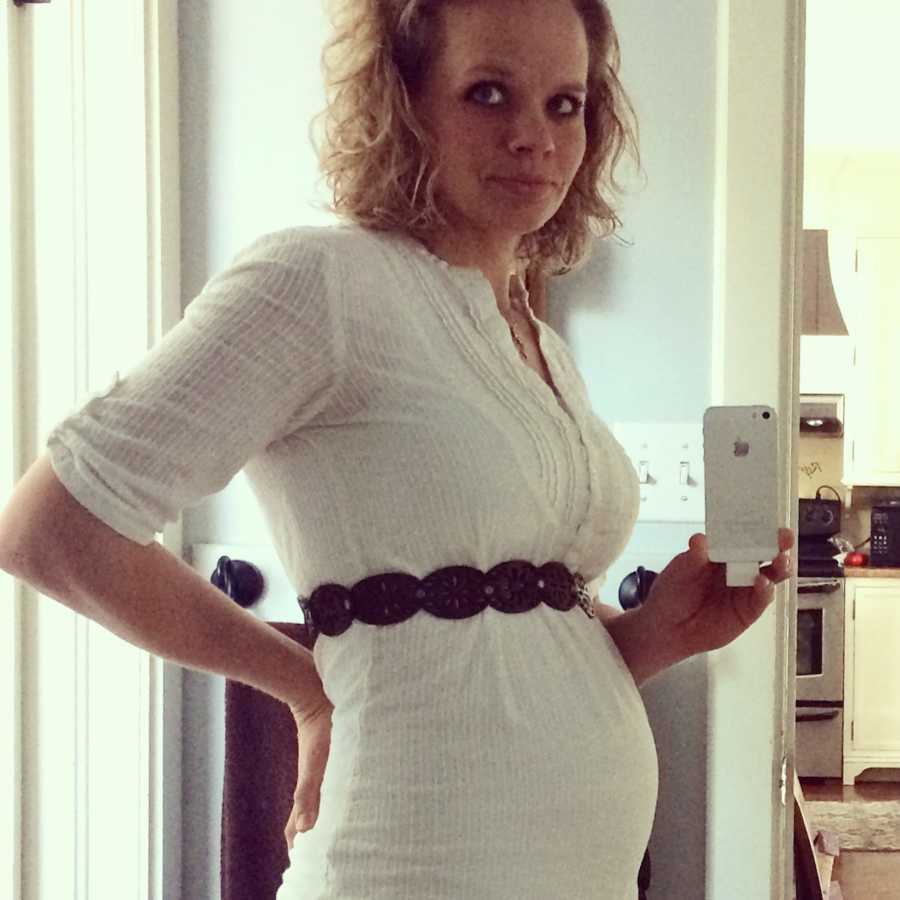
Then, one quiet moment sitting on the edge of my bed, a thought flashed into my mind: This baby has Down syndrome. It was sudden and strange, and I quickly dismissed it. My 18-week ultrasound brought joy: a healthy, active baby, unmistakably a boy. At 20 weeks, I was to transfer care to my midwives, ready to savor the remaining months of pregnancy.
But soon after, the obstetrician called: “We’d like to discuss the results of your ultrasound.” My heart sank. What could be wrong? The doctor explained there was a heart defect—repairable through surgery. A pediatric cardiologist confirmed: James had a complete balanced atrioventricular septal defect. Oxygenated and unoxygenated blood would mix, making it difficult for him to grow and stay healthy without intervention.
Then came the part I hadn’t wanted to hear: this defect was common in children with Down syndrome. The doctor mentioned termination as an option. I said firmly, “That is not an option.” Our baby was a living being, no matter what challenges he might face. The medical team respected our decision, and we were guided gently toward resources, support, and understanding, rather than fear or judgment.
Two weeks later, a blood test confirmed a 91% likelihood of Down syndrome. We declined amniocentesis, determined to prepare ourselves for a child who would be born a little different, but equally loved. The remainder of my pregnancy was a mix of hope, fear, and anticipation. I connected with other parents of children with Down syndrome, whose stories of joy, love, and resilience helped me see the beauty and potential in James’s life.
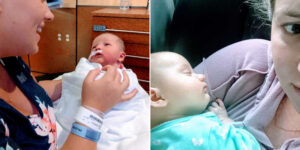
At 38 weeks, I went into labor naturally. James was born after a few hours, briefly in my arms before being taken to the NICU for breathing support. The hospital staff were exceptional, celebrating his arrival and calling him perfect. He spent a week in the NICU, learning to breastfeed and stabilizing. Will’s parents and my family were invaluable during this time, caring for our other children while we focused on James.
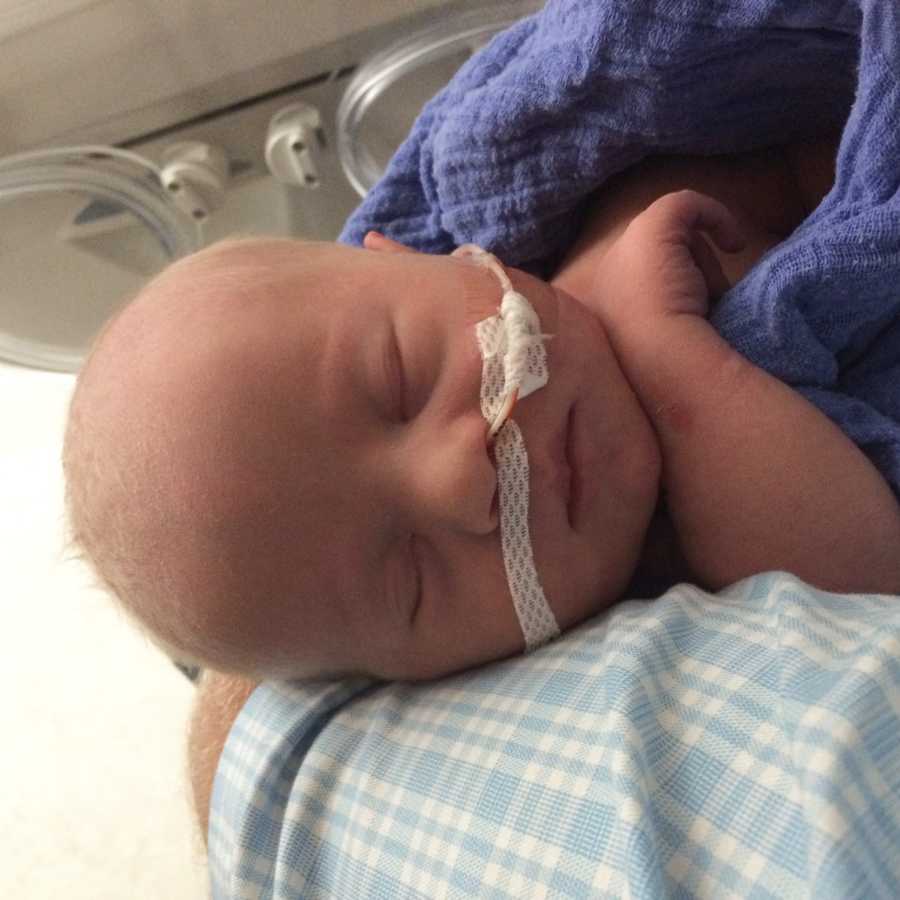
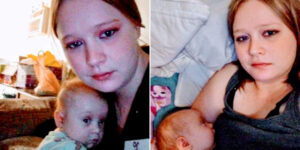
James’s early months were intense. He grew, ate, and slept like other babies, though more slowly. Pulmonary hypertension developed due to his heart defect, and at five months, he underwent open-heart surgery in Toronto. We left the younger children with my parents and older ones with Will’s parents. Hours passed in anxious waiting, and finally, the surgeon emerged with good news: the repair was successful. James stayed eight days in the hospital, each moment fraught with tension, but we were relieved to take him home.
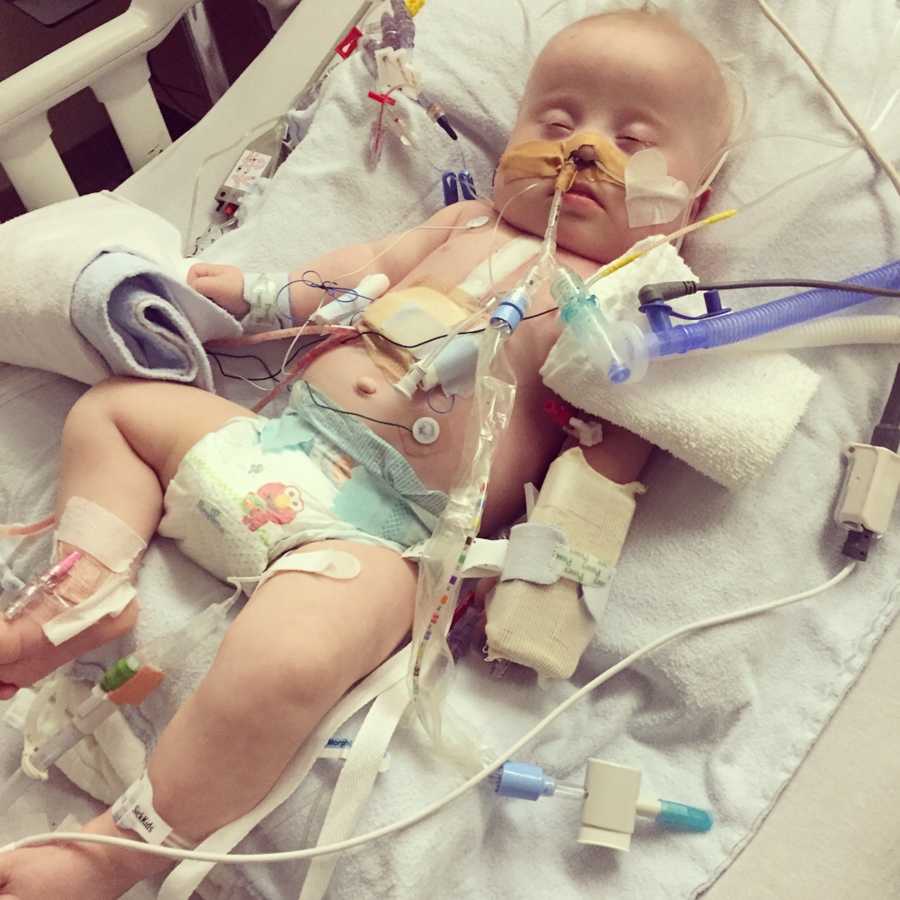
Shortly after, he caught Influenza A, requiring a three-week hospitalization on oxygen. Subsequent illnesses sent him back to the hospital multiple times, some critical. He endured ventilators, IVs, TPN nutrition, and complications like clots, chylothorax, and morphine dependence. Each day, I faced uncertainty and fear, yet our faith and prayers never wavered. Slowly, agonizingly, James recovered—extubated, weaned off IVs, and eventually home again.
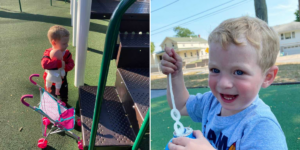
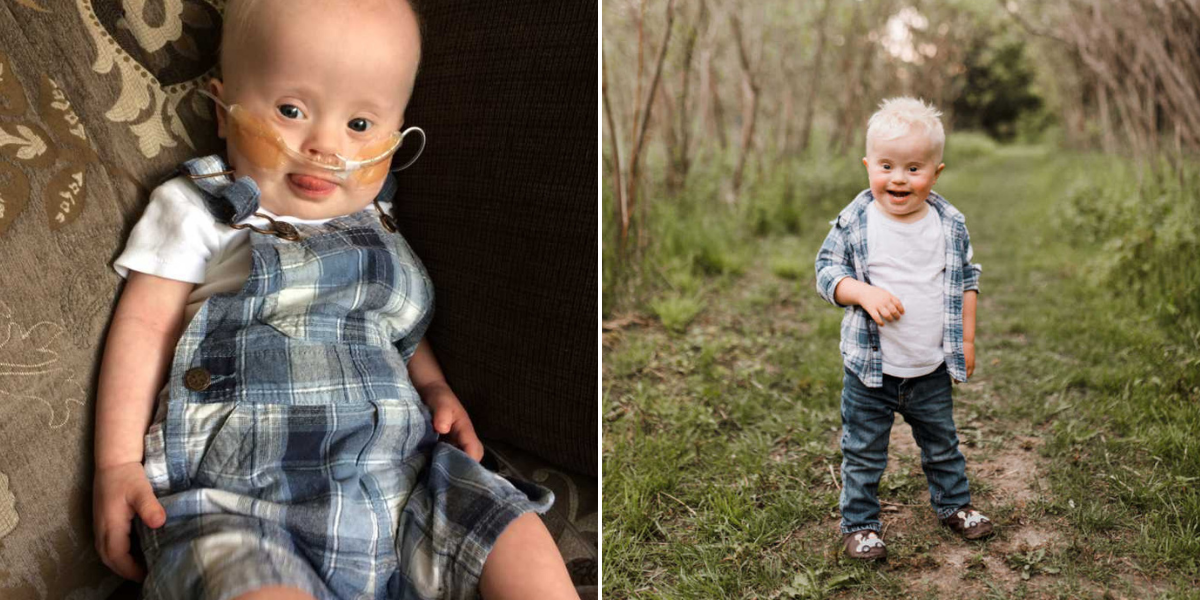
Eight weeks later, our tiny warrior was finally thriving at home. He required oxygen, tube feeds, and constant medications, but his resilience and our love sustained him. Today, James is thriving: weaned off oxygen, off most medications, and in the 80th percentile for height and weight. He runs, climbs, communicates through speech and sign, and lights up our lives. His heart and lungs are healthy, and he continues to inspire us with his determination and joy.
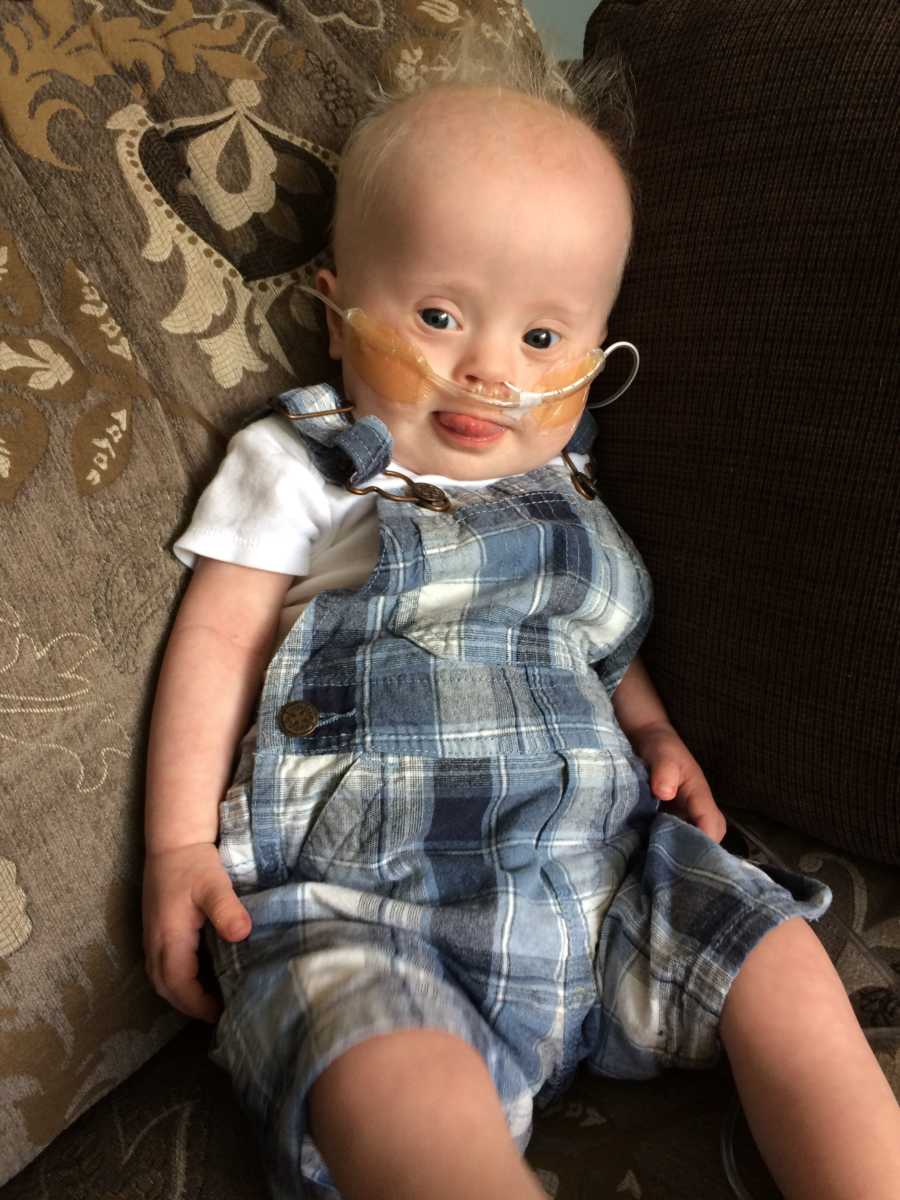
Our older children experienced some anxiety and clinginess during those difficult months, but they have healed, too. Recently, I spoke with my oldest daughters about James’s medical journey. One said, “Mom! I love James the way he is! I wouldn’t change him at all.”
Down syndrome has been a profound blessing for our family. We’ve learned unconditional love, patience, and acceptance. We’ve grown in our appreciation of health, strength, and faith. Difficult days made us stronger, and every milestone James achieves reminds us how precious life is. Our family is complete, grateful, and endlessly blessed with our extraordinary little man.