No one ever tells you how hard it will be to have kids when you’re gay. Coming out is a huge moment in your life, but even after that, challenges don’t end. You’re still faced with questions: How will the world react to your love in public? How will your workplace treat you? And how will you build a family? Even in California in the modern day, LGBTQ people still face so many obstacles just because of who they love.
For many heterosexual couples, the path seems straightforward: boy meets girl, they fall in love, get married, and start a family. For some, complications arise—but for LGBTQ couples, every step toward parenthood is layered with additional hurdles. There is no single “normal” route. Options like adoption, foster-to-adopt, surrogacy, IUI, IVF, reciprocal IVF, or even the old-fashioned turkey baster all exist—but each comes with its own emotional journey, costs, and uncertainties.
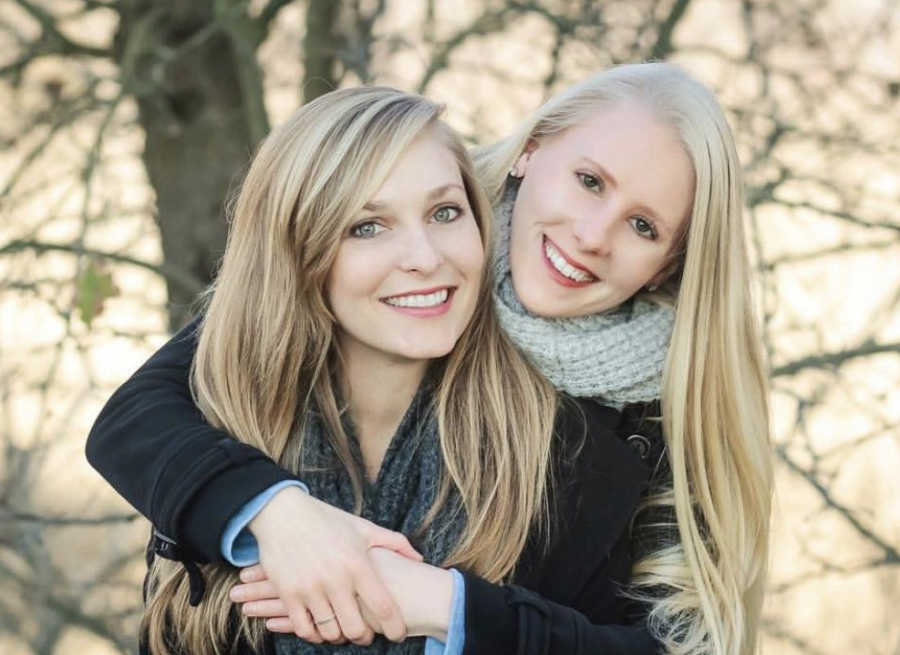
For my wife and me, our story went like this: girl meets girl, we fall in love, we come out to our families and friends, we have a civil union (not fully recognized legally), then a marriage when same-sex marriage became legal, and finally, we start dreaming of a family of our own.

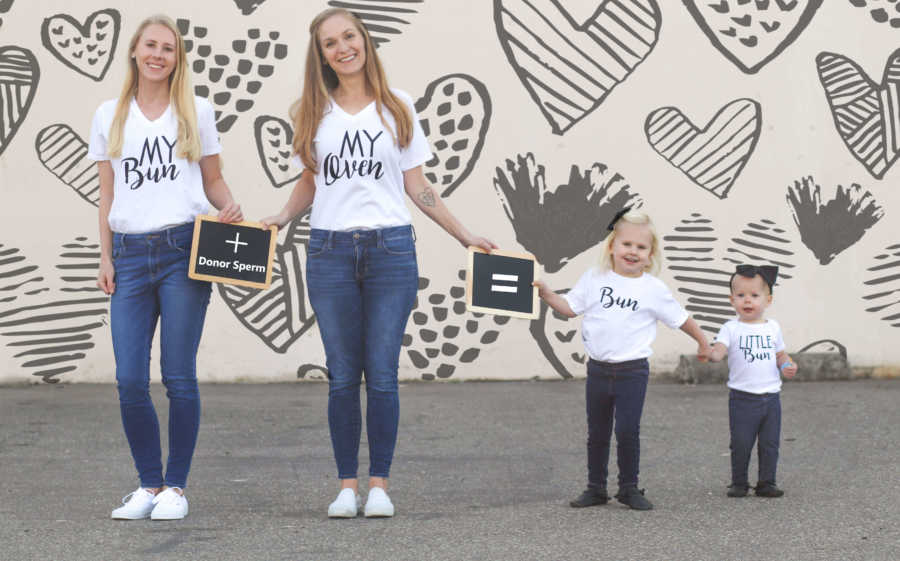
We purposely didn’t have a big wedding—we wanted to save for children. I’ve always dreamed of a big family, and I didn’t realize just how expensive building that dream would be. We explored all the paths and decided that both of us physically participating in creating a child was important. Every relationship is different, but for us, reciprocal IVF seemed like the perfect option. By using my eggs and donor sperm, we would fertilize the eggs in a lab, and then transfer the embryos into my wife’s womb. She wanted to carry my eggs, and the decision of who played which role became simple.
Support from family was mixed. My own family was encouraging, but Katie’s mother referred to me as a “surrogate,” claiming she wanted Katie to have “her own baby.” The words stung, but our love and support for each other never wavered.
Our journey began in earnest. We researched everything about reciprocal IVF, found a clinic, and scheduled our first appointment. That first visit was a whirlwind of questions. We wanted to know everything: our chances of success, risk of abnormalities, where to find donor sperm. Our doctor assured us that, at 23 and 25, our chances were high—but we knew nothing was guaranteed.
A few weeks later, the process started. We ordered all our medications, learned to administer injections, and kept meticulous schedules for each shot. Organization was essential because timing and dosage varied for each of us.
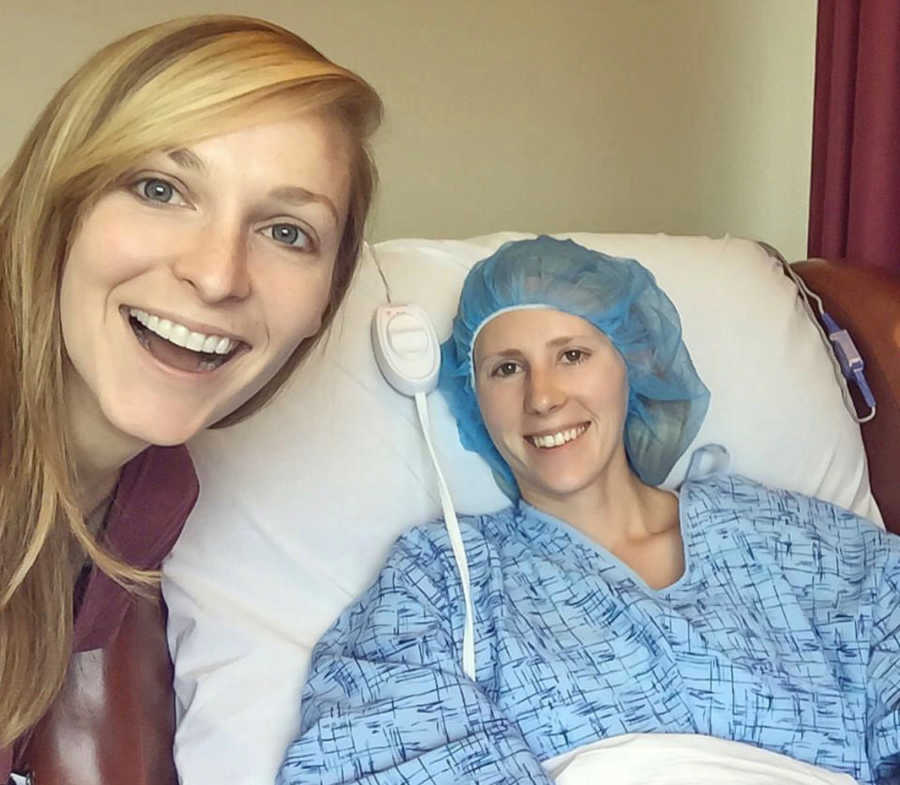
The day of my egg retrieval was more intense than I imagined. Cramping began early, and the three-hour drive to the clinic was agonizing. Under anesthesia, the procedure itself was a relief, but afterwards I was sore and nervous. Excited too—our eggs would soon become embryos.
But reality hit hard. The embryologist called after we got home: the first vial of sperm hadn’t fertilized the eggs. They tried a second vial, but the news was grim: of 13 eggs, only two had survived. Rescue ICSI was offered on the remaining eggs, but the odds were low. We agreed, clinging to hope, but the internet offered few success stories.
The next two days were devastating. First, one egg survived. Then, none. We went from 13 eggs to two, to one, to zero. We were crushed. I blamed myself. Katie reassured me it wasn’t my fault. We leaned on each other, spending days crying and lying in bed, numb from disappointment.
Eventually, we had to make a decision. My wife’s body was already prepared with progesterone shots, giving us time to consider our next step. That’s when I discovered embryo adoption online. Could we try this? It would cost more than we had, but we borrowed the money, and our clinic matched us with a donor embryo. We read everything about the donors, signed the paperwork, and prepared for transfer day.
The day of the transfer was emotional. Seeing other couples in the waiting room, we felt both hope and sadness. The nurse who had supported us throughout the process hugged me, and tears flowed. Katie and I realized this wasn’t the right path for us—not emotionally. We left without embryos and decided to try IVF one more time.
The second attempt went differently. We were careful, diligent, and hopeful. Egg retrieval brought 18 eggs, 11 fertilized successfully. Embryo transfer day was full of excitement: two little flickers appeared on the ultrasound screen as the embryos were placed in my wife.
Then came a terrifying morning. Katie woke up with cramping and blood. Panic set in as we rushed three hours to the clinic. The ultrasound revealed one healthy baby and a blood clot four times the baby’s size. Heartbroken, we wondered if we would ever have children. But over time, our baby grew stronger than the clot, and by the third trimester, the pregnancy was no longer high-risk. Even then, it was hard to believe our child would make it.
The day our daughter was born, all doubt vanished. She was healthy and perfect, and we were overwhelmed with love. We stared at the first photo of her as an embryo and marveled at how far we had come.
A year later, we tried for our second daughter. With frozen embryos, the process was simpler and cheaper. The first transfer went smoothly, but a routine blood test brought terrifying news: hormone levels indicated a possible miscarriage or ectopic pregnancy. We had to watch closely, terrified. Weeks later, bleeding began, and we rushed to the clinic. Miraculously, a heartbeat appeared. Relief and joy washed over us as the pregnancy continued safely. Our second daughter arrived healthy, completing our family.
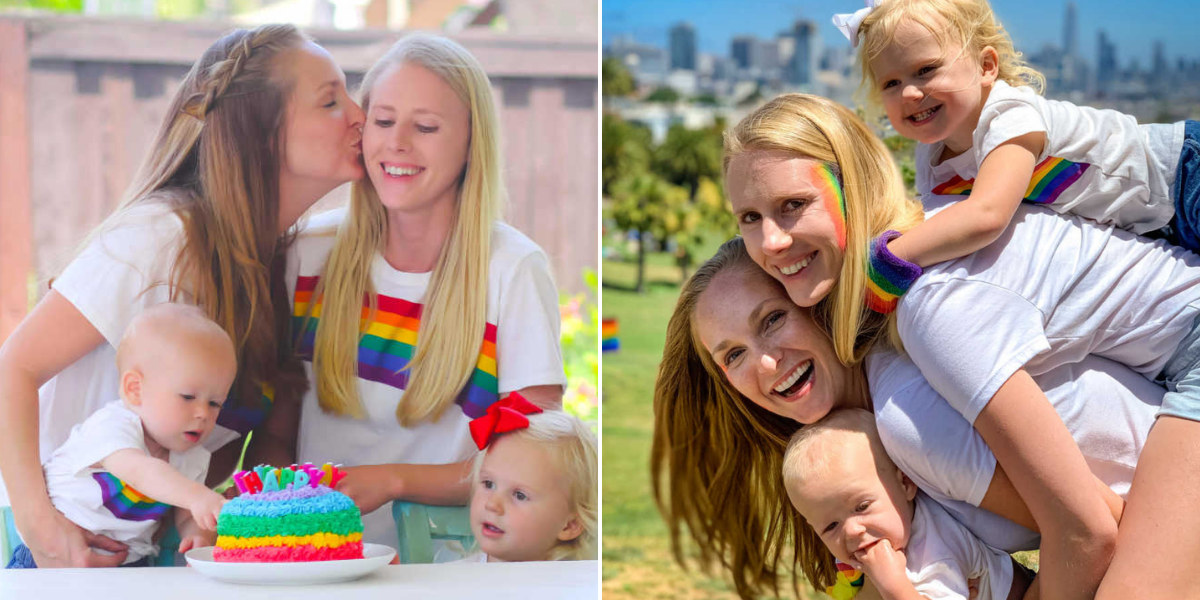
Our journey to two beautiful girls was far from easy. We faced thousands in expenses, emotional and physical pain, and hurtful comments about what we were doing. But holding our daughters for the first time erased it all. Love was our guiding force.
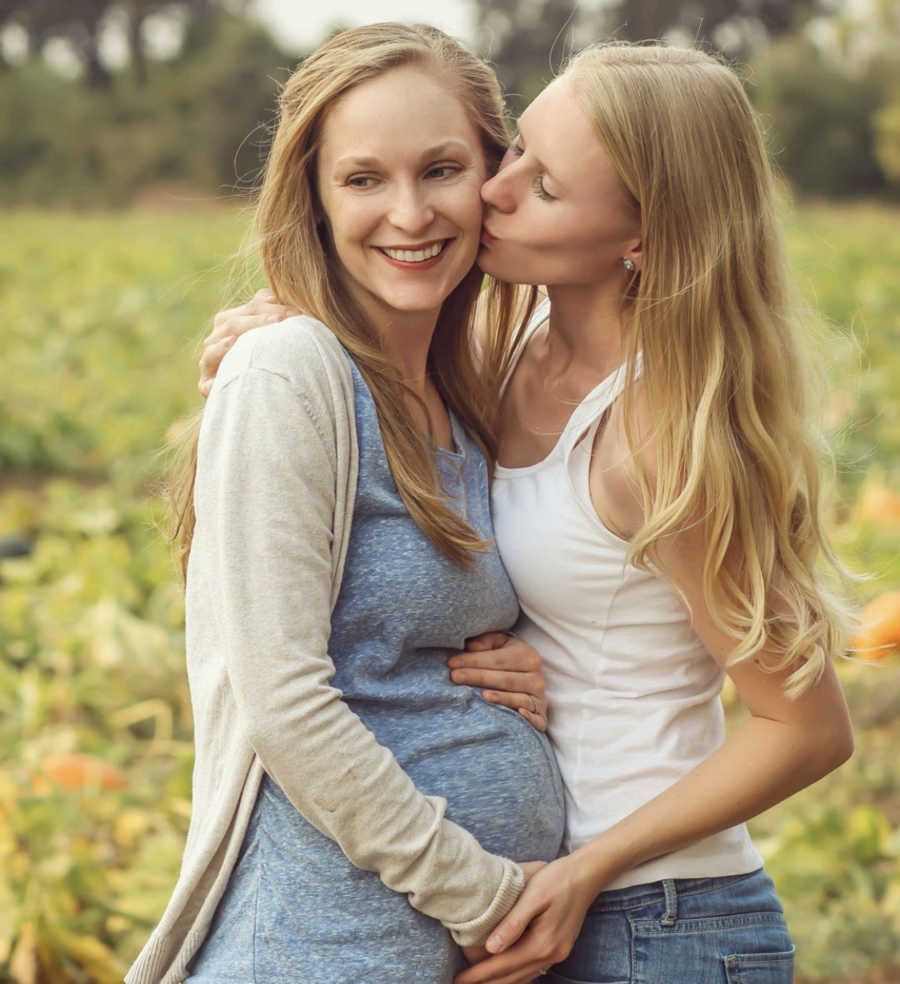
Life hasn’t been easy for us in general. Coming out wasn’t easy. Legal marriage wasn’t easy. Daily life as a gay couple has its challenges. Having children wasn’t easy. But could it have been harder? Of course. I am grateful for the courage to be myself, for my beautiful wife, and for the life we’ve built together.
We started our Instagram to connect with other gay families and to seek advice during our IVF journey. It has become a place to share our life, offer hope, and give back to others who are starting their own family paths.
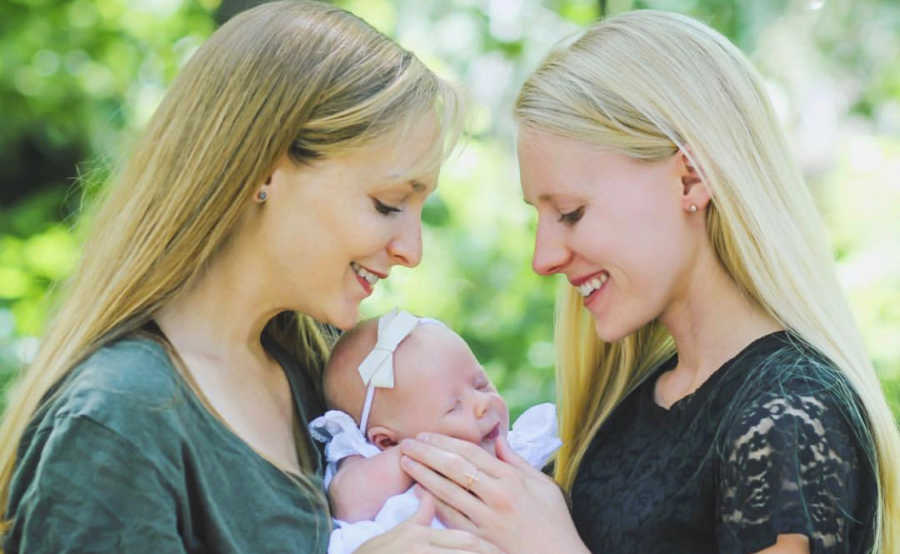
I hope the world continues to improve for the LGBTQ community. Until then, supporting each other is everything. Will we worry about how others treat our kids as they grow? Maybe. But for now, our daughters will know they were brought into a world full of love—and that love will always guide us.