“Everything happens for a reason.” I remember saying this to myself—and to others—countless times, long before I ever faced infertility. I have always been able to look on the bright side, and this phrase became my go-to mantra. But I don’t think I truly understood what it meant until I was forced to confront the unexpected challenges of trying to build a family.
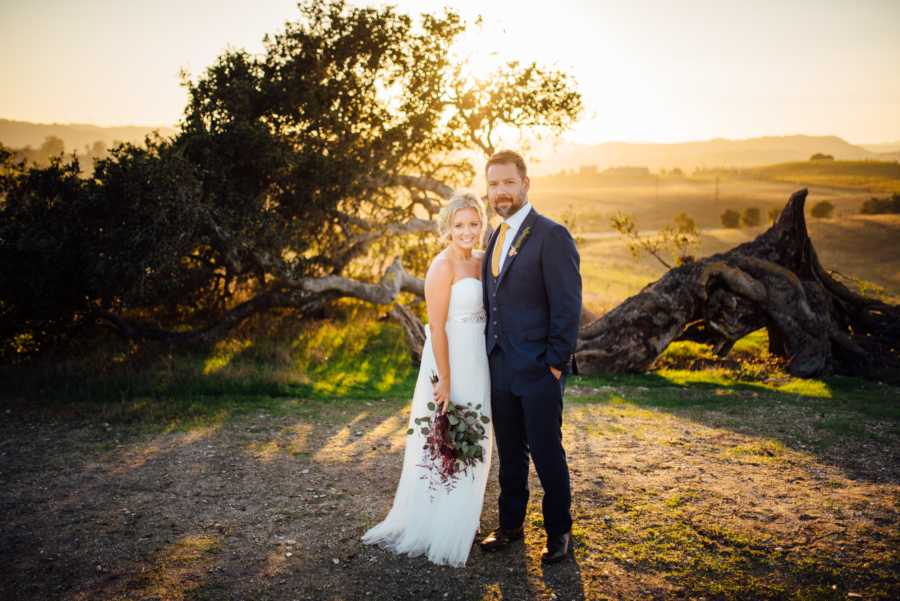
I met my husband in my early 30s, and we married at the end of 2016, when I was 36. Fertility never crossed my mind until we began trying to conceive after our wedding. Month after month passed with no positive result. My once-optimistic, sunny outlook began to fade. I stopped sharing negative pregnancy tests with my husband because saying, “I’m not pregnant—again,” became unbearable. It was easier to carry the disappointment quietly, inside myself.
After six months of trying, I finally went to my gynecologist for tests. Deep down, I assumed the results would be fine; my optimism lingered. But during lunch with coworkers, I received a call from my doctor. I answered, expecting reassurance. Instead, she said, “The numbers are lower than I would like, Jen. I want you to see a fertility specialist.” My chair seemed to vanish beneath me. I walked outside, holding back tears, still trying to stay composed. She explained my AMH levels were below a 1—a term I didn’t even understand at the time. She reassured me that these numbers weren’t always definitive, but suggested I see a specialist. My coworkers waited nearby, unaware of the storm I was trying to contain. I felt suspended above my own body, unsure where to start. Infertility, I quickly realized, is rarely discussed, leaving those who face it feeling completely alone.
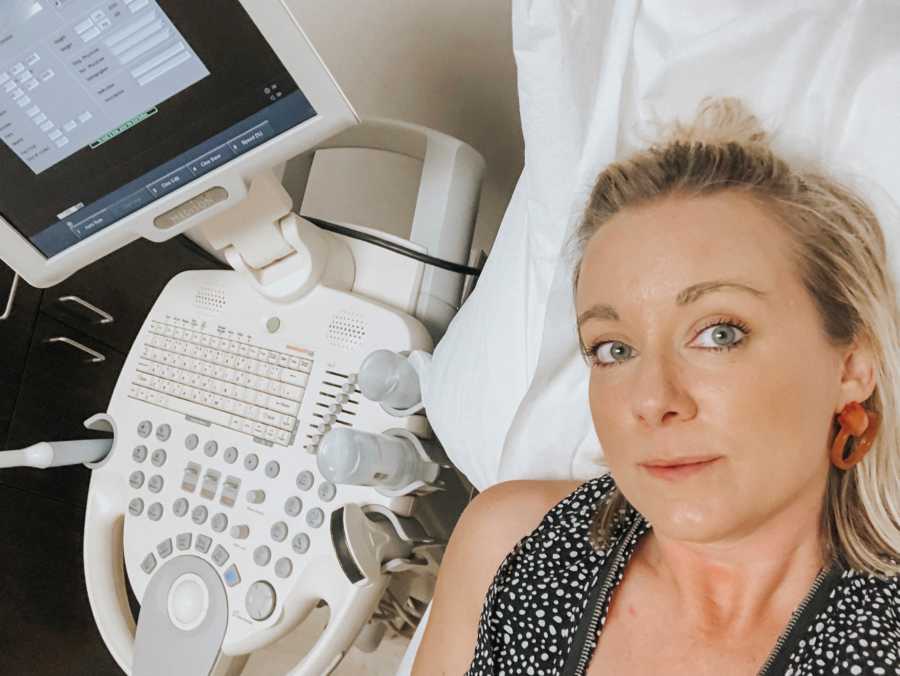
The first fertility clinic visit was a turning point—and not the kind I expected. The office was cold and unwelcoming, more like a bureaucratic space than a place of hope. Within minutes, the doctor reviewed my paperwork and said bluntly, “You’ll probably never have children naturally.” Tears I had held in began to surface, spilling over during the drive home and into the vulnerable conversation with my husband. Through my heartbreak, he remained calm, saying, “We will become parents, one way or another.” In that moment, though, I still equated motherhood with pregnancy.
I immediately threw myself into research, trying every possible method to conceive while managing the demands of my six-day-a-week TV producer job. I experimented with diets, supplements, acupuncture, Qigong, herbal teas, Mayan abdominal massage, reiki—anything that promised a chance. We underwent two unmedicated IUIs and one medicated IUI, all unsuccessful. With each attempt, the weight of failure grew heavier. I withdrew from friends, avoided phone calls, and felt trapped in a cycle of exhaustion and disappointment.
After yet another failed treatment, my husband asked gently, “Babe, how many more of these things are you going to try?” That question hit me like a revelation. I realized I had been resisting and controlling what was beyond my control. I decided to pause, to step back from treatments, and to focus on what made me feel alive again. I meditated, cooked, walked, read, practiced gratitude, and opened up about my struggles. In doing so, I discovered a supportive community of people who had faced infertility, and slowly, I began to surrender—not to give up, but to reclaim peace.
About a year into our journey, we discussed adoption for the first time. To my surprise, it sparked hope rather than despair. I had long admired adoption within my own family and among close friends, and the idea that love doesn’t have to be biological resonated deeply. My husband’s openness gave me renewed optimism. By August 2018, we had begun the process of domestic newborn adoption. It took months of paperwork, profile creation, and a home study, and by October, our profile was being sent to expectant mothers considering adoption.
Seven months later, on a quiet Tuesday afternoon while doing laundry, our lives shifted forever. Our agency called with news: a young woman had chosen us to parent her baby due in July. “It’s a boy,” she said. I grabbed my husband’s hand and we both cried. Despite knowing very little about his birth parents, we chose trust over fear. We met his birth mom, spent hours learning about her life, her hopes, and her love for her child. Each interaction deepened our bond with her and, in turn, with our son.
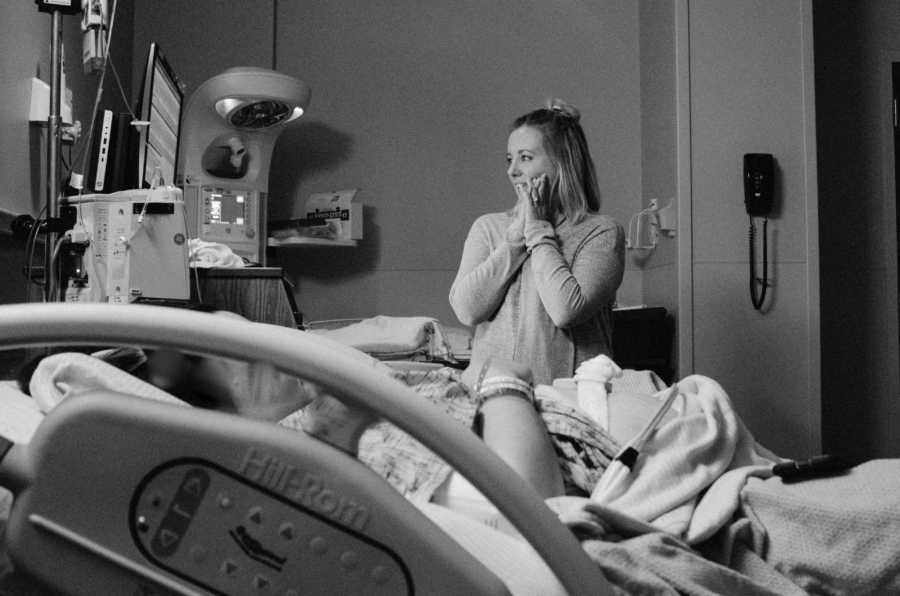
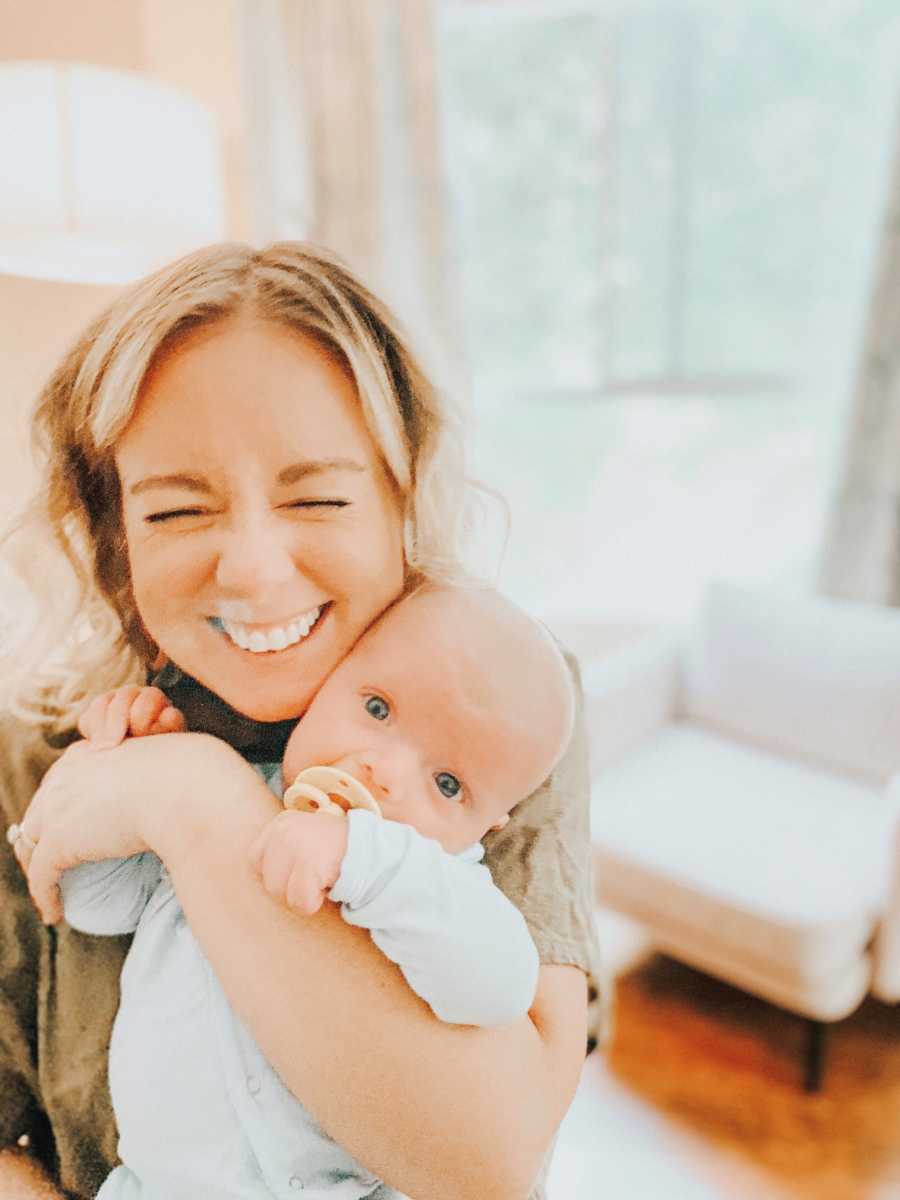
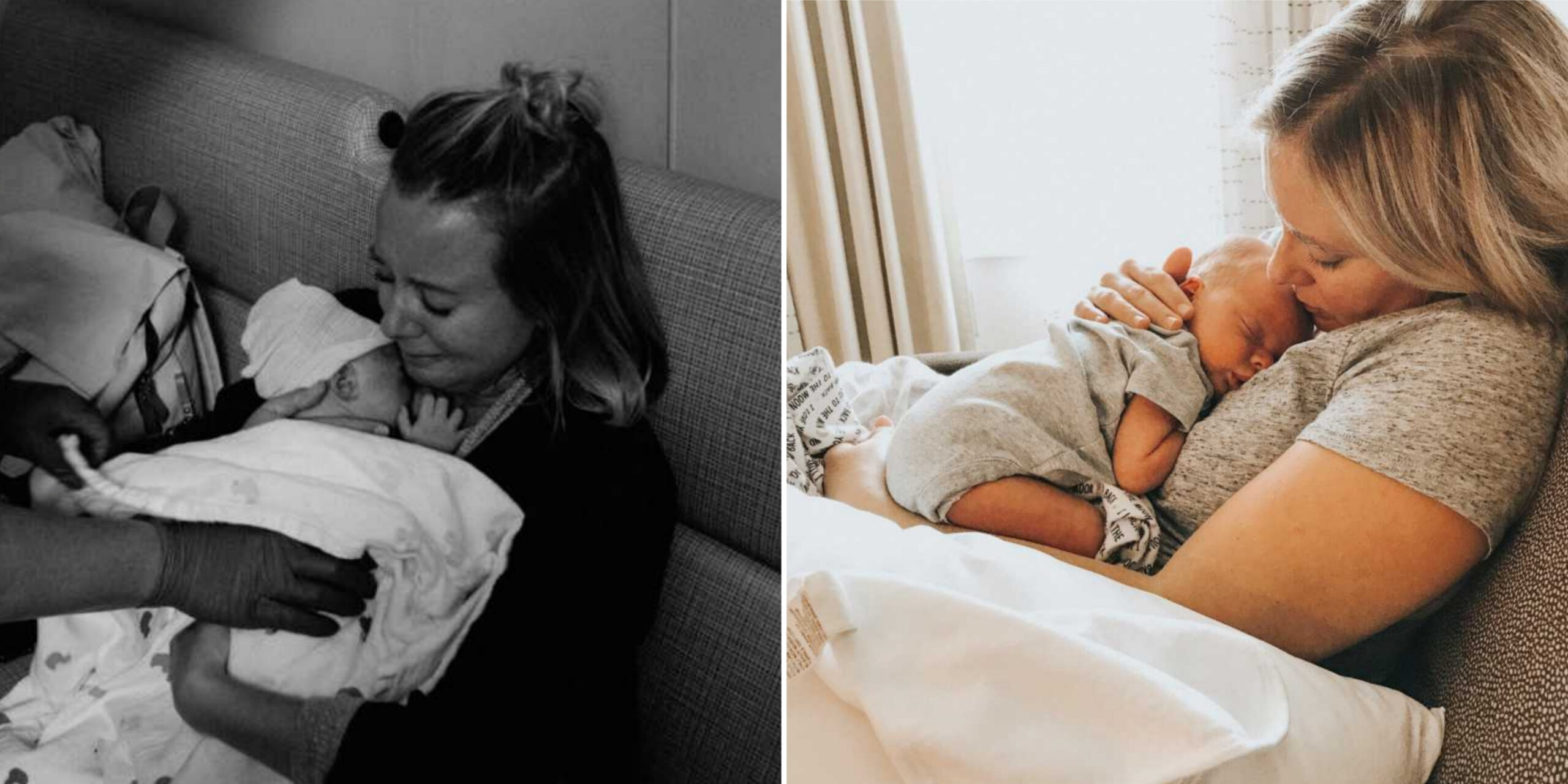
Our son was born in August 2019. When he was placed on my chest, his big blue eyes meeting mine for the first time, I felt a love I hadn’t known was possible. All the challenges, the tears, and the uncertainty had led us to this moment. We captured memories of our time with his birth mom—breakfasts, game nights, family gatherings—as a tribute to the woman who entrusted her son to us.
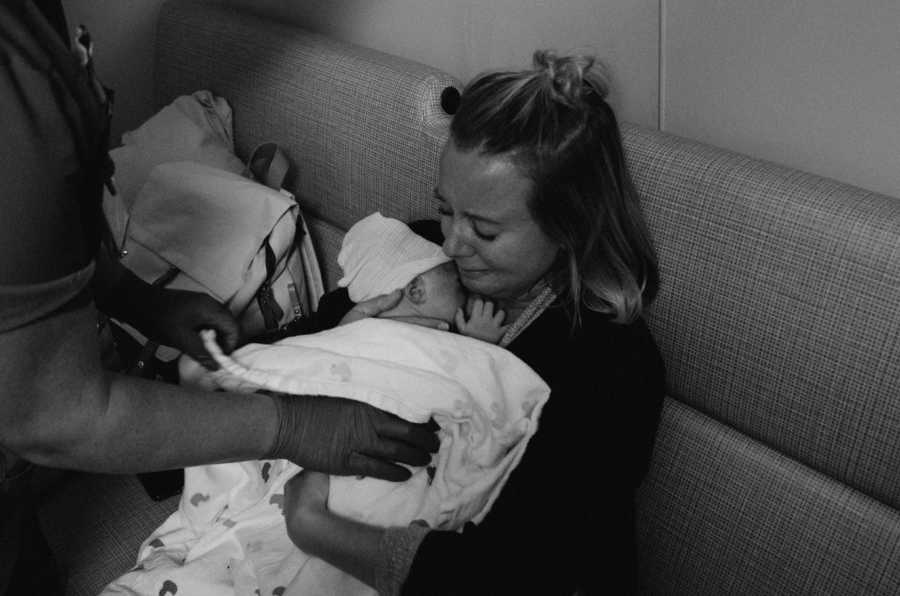
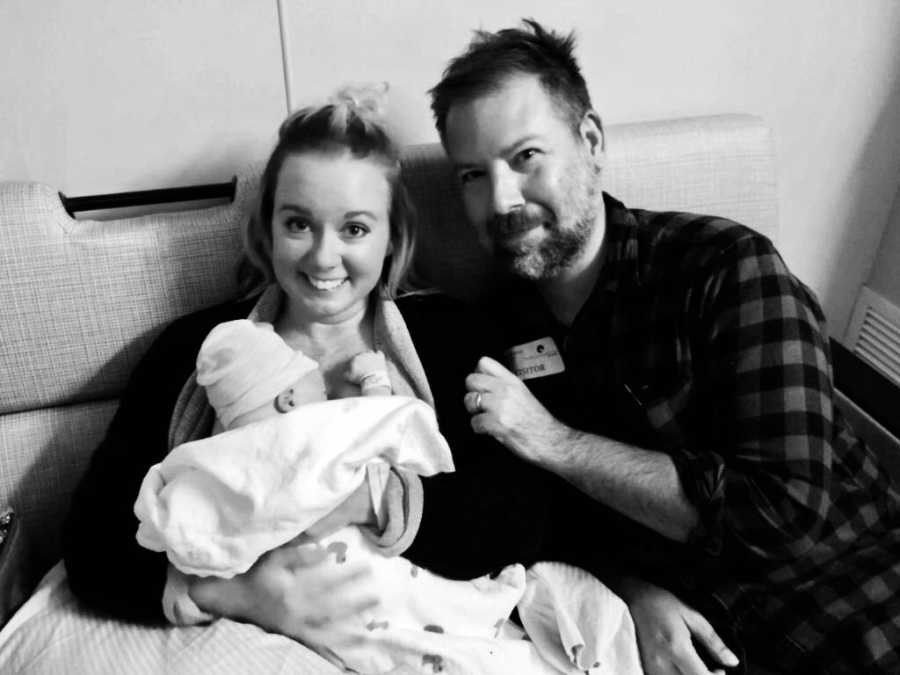
Adoption is a journey of joy, grief, and immense love. Watching our son’s birth mom leave the hospital without him was heart-wrenching, yet filled with gratitude. She is woven into every “I love you,” hug, and nursery rhyme. My son is mine because she chose me, and I love him fiercely for both of us.
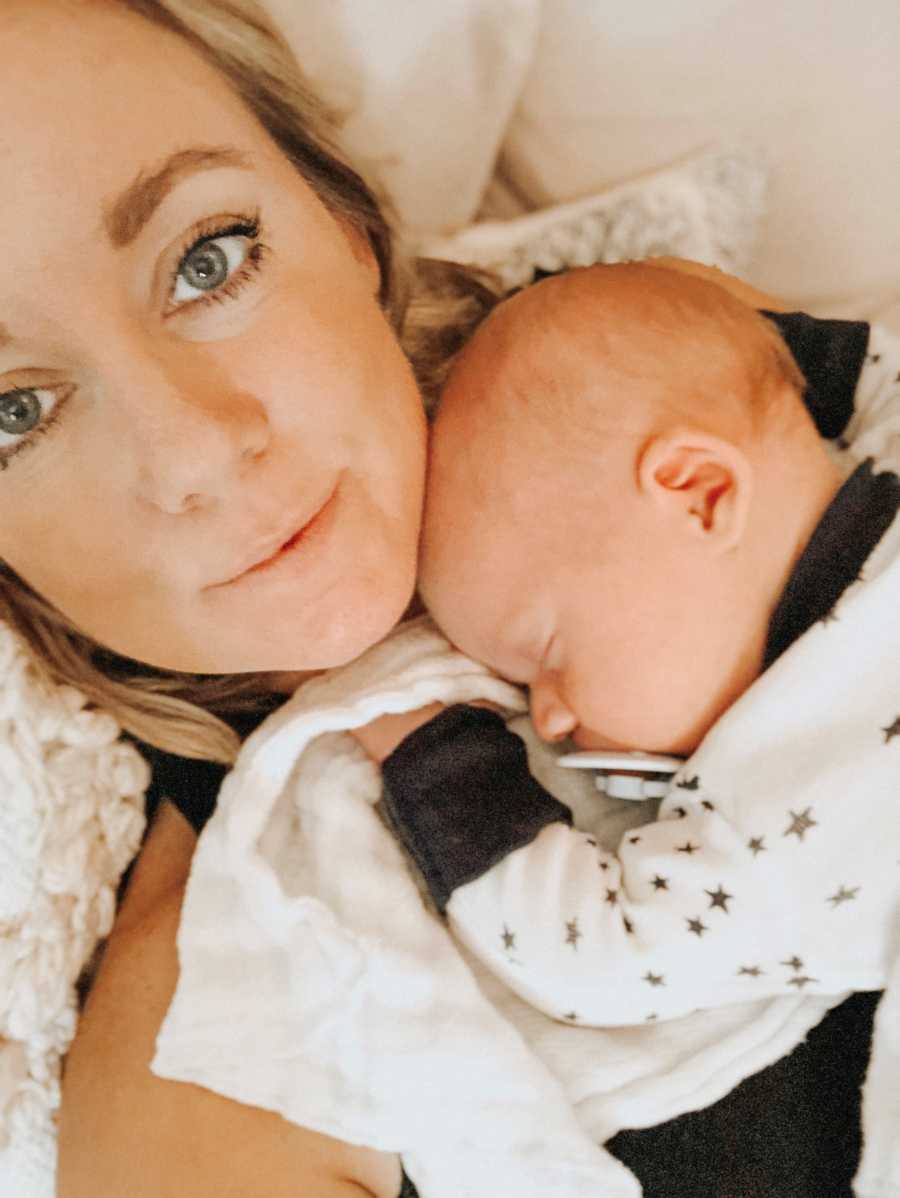
Infertility prepared me for adoption in ways I could not have anticipated. It taught me to let go of fear, embrace vulnerability, and choose love over control. It also gave me a sense of purpose: to share our story, encourage others, and help remove the secrecy surrounding adoption. Adoption is not a last resort—it is a journey filled with hope, love, and connection.
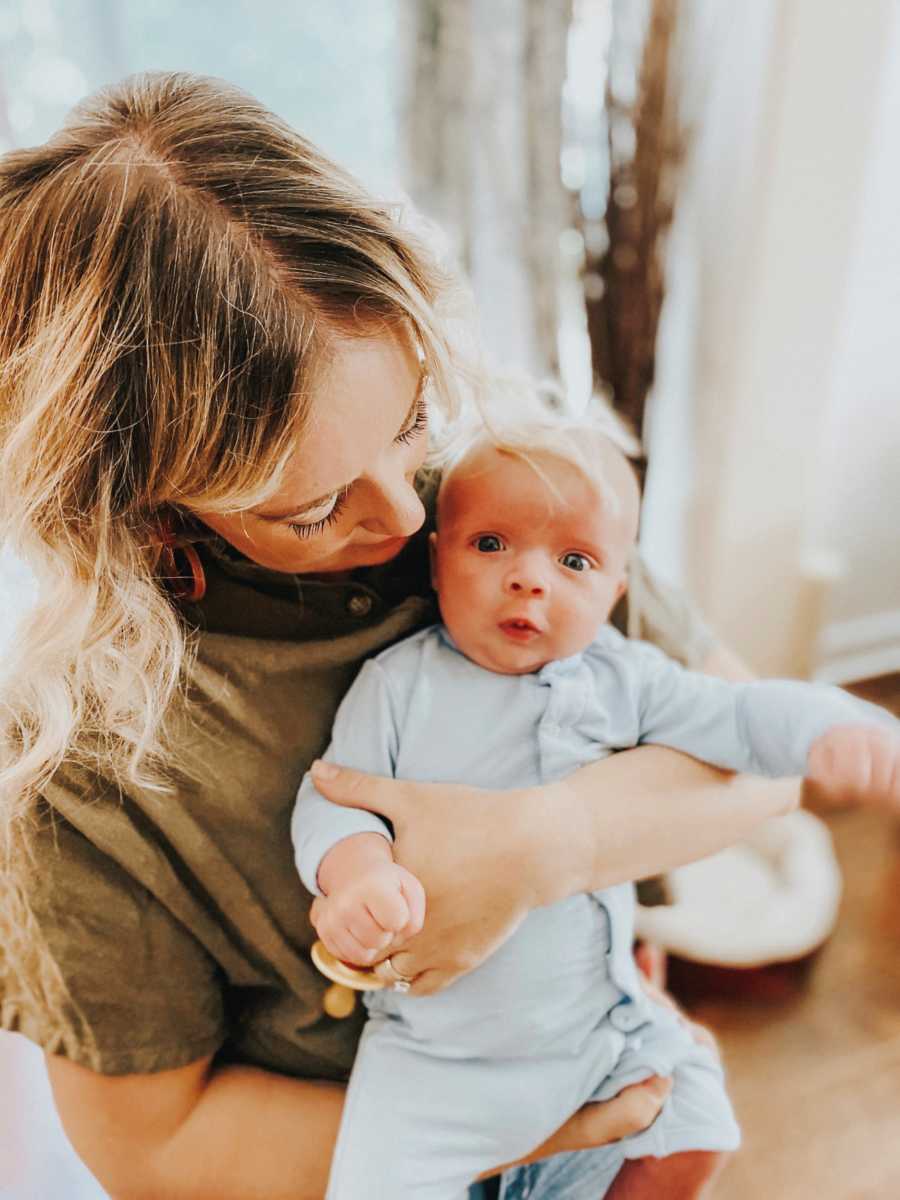
I continue to learn from the adoption community, honoring the perspectives of birth parents, adoptees, and families alike. As Eckhart Tolle reminds us, “Whatever the present moment is, accept it as if you had chosen it.” Now, I live by a new mantra: accept your path, embrace its lessons, and surrender to the unexpected. Our journey may have been difficult, but it was ours—and in surrendering, we found freedom, love, and a family we could never have imagined.