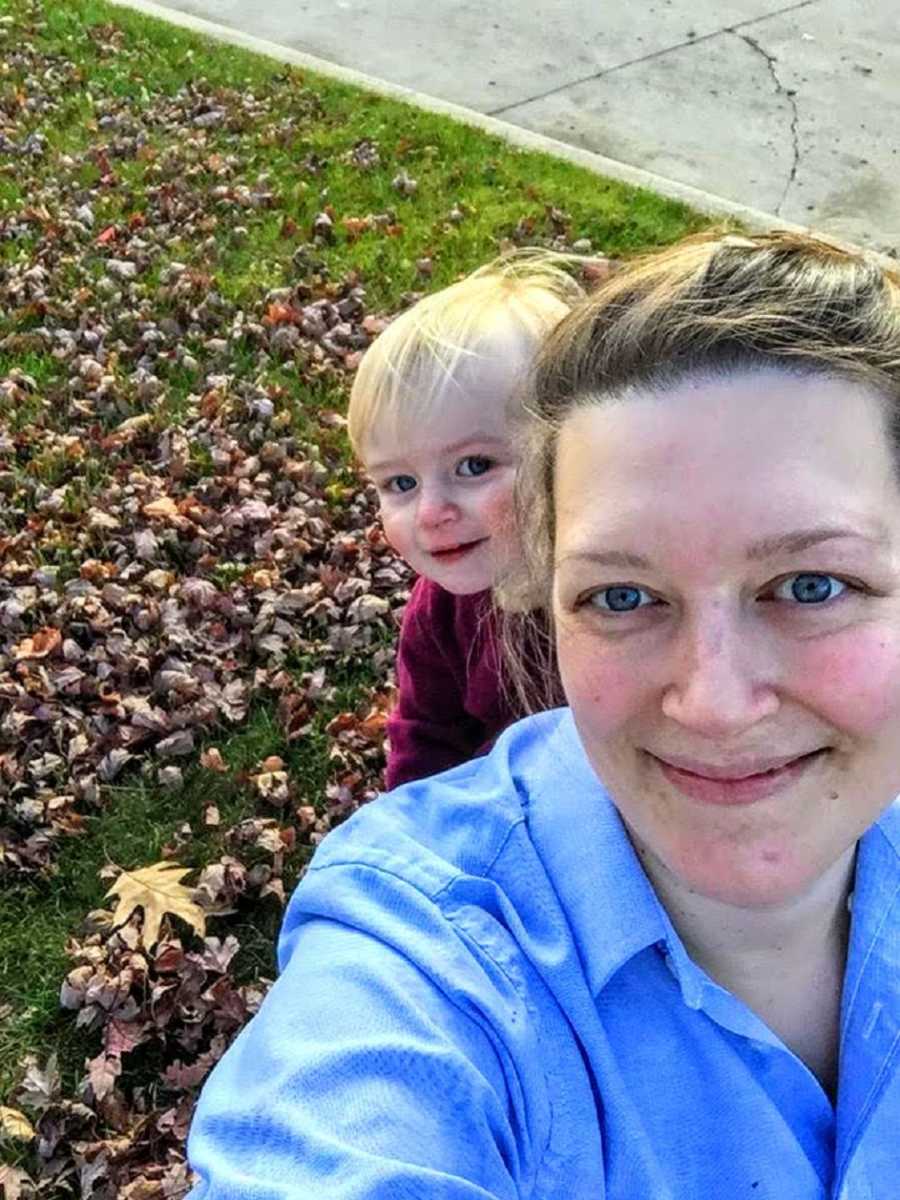
Three years ago, I landed a new teaching job in a small Iowa town. I lived about 35 minutes away from work, and one of my first challenges was finding day care for my then 1-year-old daughter, Alyssa. The obvious choice seemed to be the local early childhood center attached to the elementary school. As a teacher, I thought it would be perfect—a place close to work, run by trained staff in a structured, safe environment.
But when I mentioned my plan to some coworkers, their reactions were far from supportive.
“Are you kidding?” one said. “Your husband must make a lot of money, because that place is way too expensive. I send my kids to an in-home, and it costs like two-thirds of that!”
I had already signed the contract, so I smiled through the warnings about the “outrageous” weekly price, the materials fee, and the holding fee to reserve Alyssa’s spot over the summer while she stayed home with me. I tried to brush it off. “Maybe I’ll look for an in-home next year,” I said to myself.
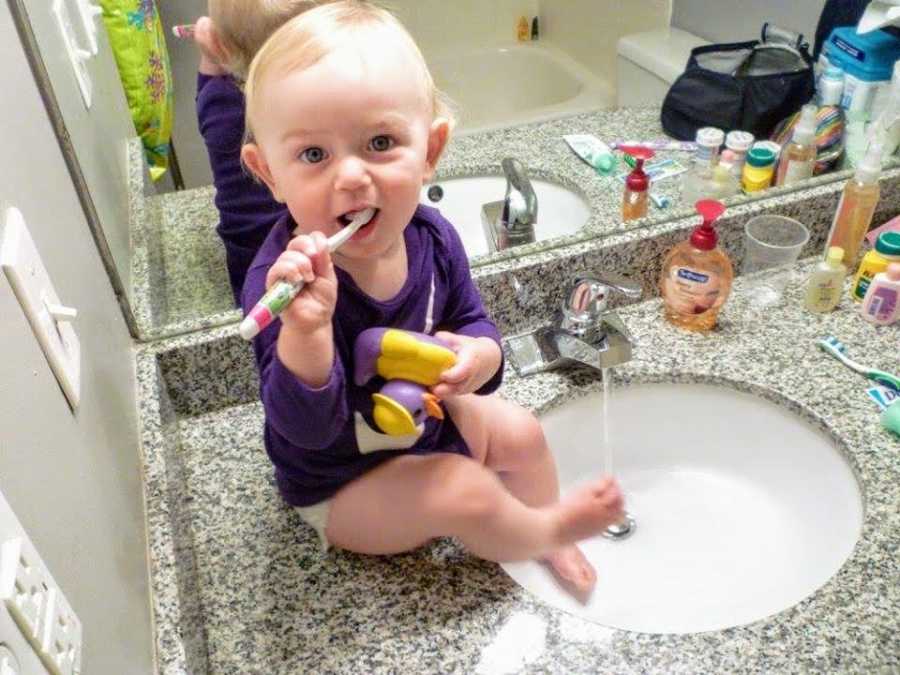
But when Alyssa’s contract came up for renewal, I signed her up again faster than lightning. By then, I had learned some shocking truths about the in-home day care options in town.
One coworker had suggested an in-home babysitter he used for his older kids. One morning, I ran into him at the early childhood center.
“Nate!” I called. “What are you doing here?”
After dropping off our kids, he pulled me aside and told me a story that made my stomach drop. “Two days ago, I went to pick up my kids after a basketball game. I walked in and there were eight kids in the living room, all awake and playing. The babysitter was asleep on the couch. When I woke her up, she said she had fallen asleep while the kids napped… but obviously they’d all woken up while she was asleep! Who knows how long they’d been unsupervised?”
Even after hearing that, I still considered looking for an in-home day care to save money. Teachers don’t exactly make fat paychecks, after all. One day, I visited a high school friend who lived in town and noticed a yard full of children across the street.
“Is that a day care?” I asked.
“Yes, but I don’t know how she’s even legal,” my friend admitted. “With kids that age, there should be a 1:8 adult-to-child ratio, and she definitely has more. Technically, in Iowa, if you watch five or fewer kids at home, you don’t even have to register with the state. Most people just don’t care if the provider is certified.”
Still, as our $600–$700 monthly bills arrived, the temptation to consider in-home care lingered—until another coworker, Anabelle, ran into my room one morning, flushed and upset. Her husband’s ex-husband, a police officer, had called her, warning her not to send her 6-month-old daughter to an in-home provider. The reason? The provider had been charged the week before with domestic abuse against her own family. She hadn’t told a single parent, leaving children in potentially unsafe hands. The situation was so alarming that the officer offered to take a sick day and care for the baby himself.
That was the moment I knew I had made the right choice. Alyssa remained at the early childhood center. Yes, it’s expensive—but the peace of mind is priceless. The Department of Human Services conducts annual reviews, the staff undergo background checks and extensive training, the building is secured with keycard access and CCTV, and every child is carefully supervised. I know she is safe, happy, and thriving—and that feeling cannot be measured in dollars.
Even in a quiet, peaceful Iowa town, things can happen behind closed doors. I hope parents take the time to research any in-home provider thoroughly. For us, the choice is clear: in-home day care? I’ll pass.