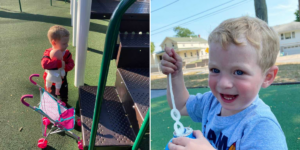
He reached into the candy bowl and pulled out something that looked promising—a shiny little treat. Only once it was in his hand did he realize it was just an empty wrapper.
The culprit was an elderly woman, frail and thin, sitting with the bowl on her lap. She was happily nibbling on a chocolate bar, letting empty wrappers fall back into the bowl without a second thought. Her expressionless face didn’t flinch as my 3½-year-old son stared at her, confused, unsure what to do next.
Our tour of the nursing home had been full of whimsy and fun: cotton spider webs stretched along the walls, a colorful path ran down the hall, and a giant inflatable black cat loomed near the entrance. Residents were seated in chairs, decked out in Halloween scarves, hats, and sweaters, each holding bowls of candy for the children to collect. We practiced our “trick or treats” and “thank yous” as we stopped at each person, waiting politely while treats were dropped into our bags.
Then came the woman with the chocolate bar, blissfully unaware of the little crowd around her. Even at 3½, my son seemed to sense that something wasn’t right—pulling an empty wrapper from a bowl meant to offer a treat, not a trick. A kind elderly gentleman sitting next to her noticed my son standing there and assumed he simply preferred a different candy. I quietly explained that the first one was empty. The man chuckled knowingly and plopped a real treat into my son’s bag. Content with his second choice, my son said his “thank you,” and we moved on. The woman continued nibbling her chocolate, oblivious to the moment that had just passed.
It was a small, funny moment, but also bittersweet. Sad, because my son’s own grandmother might one day do the same thing. About a year and a half ago, my husband’s mother began showing early signs of Alzheimer’s. In just a few months, she started to decline rapidly.
What began as mild confusion and extra worrying quickly progressed into disorientation, difficulty with daily tasks, and forgetfulness about people she had always known. My husband and his brother watched with heavy hearts as their mother slowly became a shadow of the vibrant woman she had once been. Within months, she no longer recognized my sister-in-law or me, much less her grandchildren. My husband isn’t sure she even knows who he is anymore. They have had to mourn the loss of the mother they once knew, long before her body failed.
Last Christmas, we gathered with the family, walking through moments of both heartbreak and humor. We patiently reminded her who everyone was, helped her locate “missing” items, repeated plans for the day, assisted her with shoes, and guided her to bed for naps. We did all of this out of love, even when our hearts felt heavy.
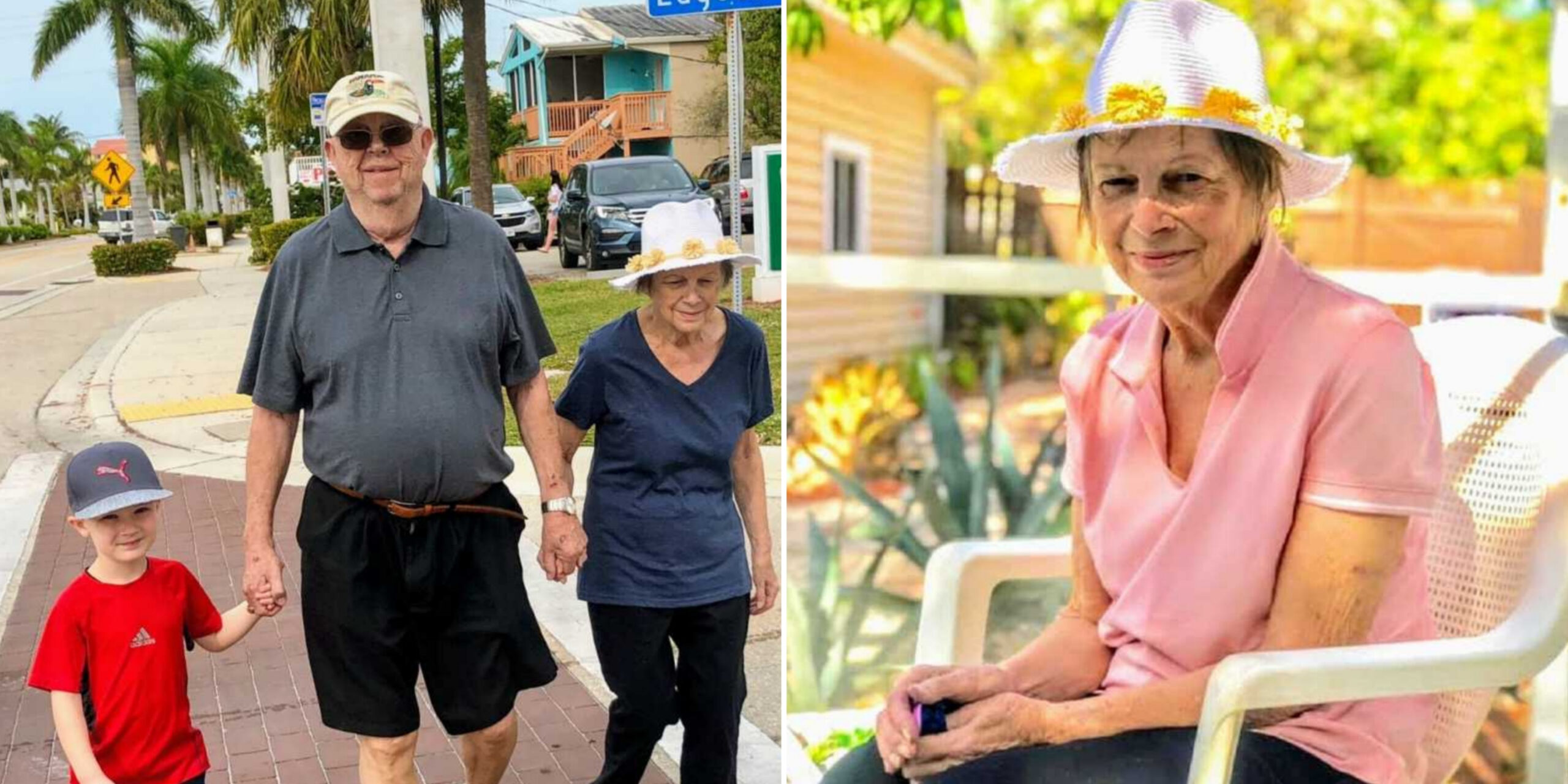
Amid the challenges, laughter has found its place. Grandma has an unexpected way of surprising us, as if she’s playing little pranks just to see our reactions. We quickly learned to guard our plates at meals because she would happily help herself to whatever she fancied. On one outing, we noticed her wearing a brand-new ensemble: she had somehow squeezed into my teenage stepson’s skinny jeans and a band t-shirt he had left in his suitcase. He was startled, but handled it with grace, while the rest of us laughed through our shock.
Another evening, we were finishing dinner—enchiladas and wine—when she quietly rifled through my purse by the door, found my sunglasses, and returned to the table wearing them. We complimented her, and she beamed with pride. Sweet, yes—but so achingly sad too. A woman who had once cared so deeply about her appearance and independence now moves through life unaware, yet she still gives us these glimpses of personality and joy.
These moments have brought us closer. We work together now to do the things she once managed alone, savoring every laugh, every smile, every small victory. This Thanksgiving, we’ll fly to see my in-laws. Even if Grandma no longer recognizes her grandchildren, even if she steals bites from our plates, we are grateful for every minute we have. We’ll honor her now, while also honoring the memory of who she once was.
Just as we showed patience and respect to the woman in the nursing home, we will do the same for my mother-in-law. We will teach our children to treat her with dignity and love, even as her mind and body slip away. And we will tell her, as often as we can, how beautiful she looks—and make sure she has plenty of sweet treats to enjoy along the way.