It all started in my basement.
Each stuffed animal would sit on top of the ping pong table, waiting anxiously to find out if they had passed the spelling quiz. Beary, my perpetually struggling friend, could never spell “Because” correctly. He always had to stay after school for extra help. Words were never his thing. Luckily for him—they were mine.
And I used them. I wrote songs. Terrible, terrible songs, filled with awkward rhymes and clumsy melodies. When two people are very close, they are friends; they have friendship. Carole King, I wasn’t, but my mom was a big fan, and that was enough inspiration.
I wrote stories. My seventh-grade English teacher looked at my eighty-seven-page, handwritten, double-spaced epic about a woman searching for her lost daughter and said it was “a bit excessive,” but promising. I wrote letters, too. A one-hundred-and-two-page ongoing note to my most trusted eleventh-grade friend. Perhaps I should have taken more notes on American History and less on the boy in the front row, but it was practice. Practice in something I loved.
I loved words. Thousands of them tumbled from my brain each day. My whole family shared this obsession, which meant my poor father rarely got more than five words in per night: “How was school today, girls?” I trudged through my uneventful childhood seeking every chance to write, speak, and perform. On stage, on paper, in sign-language, in formal essays, short stories, poetry, literature—bring on the words.
So, perhaps it was only fitting that words became my livelihood. I am now a high school English teacher, and I hear words every single day.
The sharp, precise choices Gwendolyn Brooks uses to capture the stereotypes of teenagers. The hubris of Odysseus. The rhythm and cadence of Shakespeare. The pain of hearing “That’s so gay” in the hallway. The cruel weight of a snide remark. The devastation of knowing a student carries so many words inside them yet never feels safe to share them. And we cannot always be Atticus Finch. In literature, there is time to plan the perfect response, to select the right word to fix a situation. But real life doesn’t pause. It is exhausting. I can’t always press Shift + F7 to summon a thesaurus and find the right thing to say. But I keep trying. Because words are everywhere.
They are on the papers I grade. In the books I read. On the grocery list pinned to my fridge. Even in the bills piled on my desk. Words surround me.
And then, one day, new words entered my life in a way I never expected.
“You’re pregnant. It’s a girl. There’s something wrong. We don’t know if she will ever speak.”
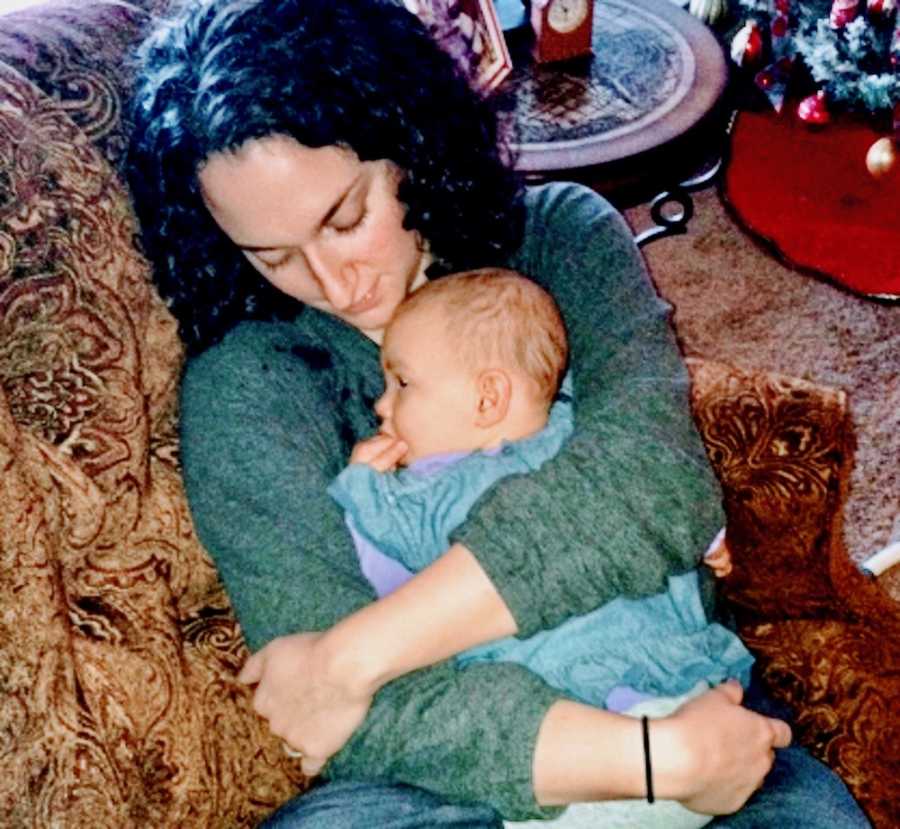
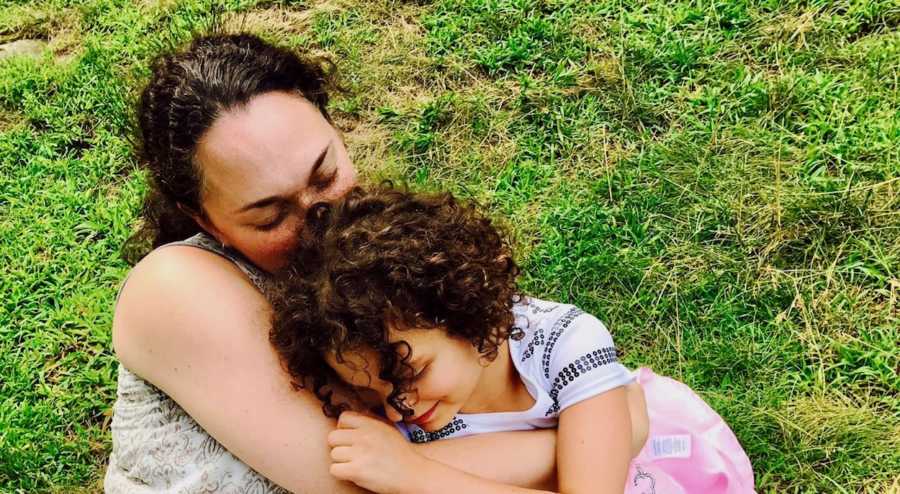
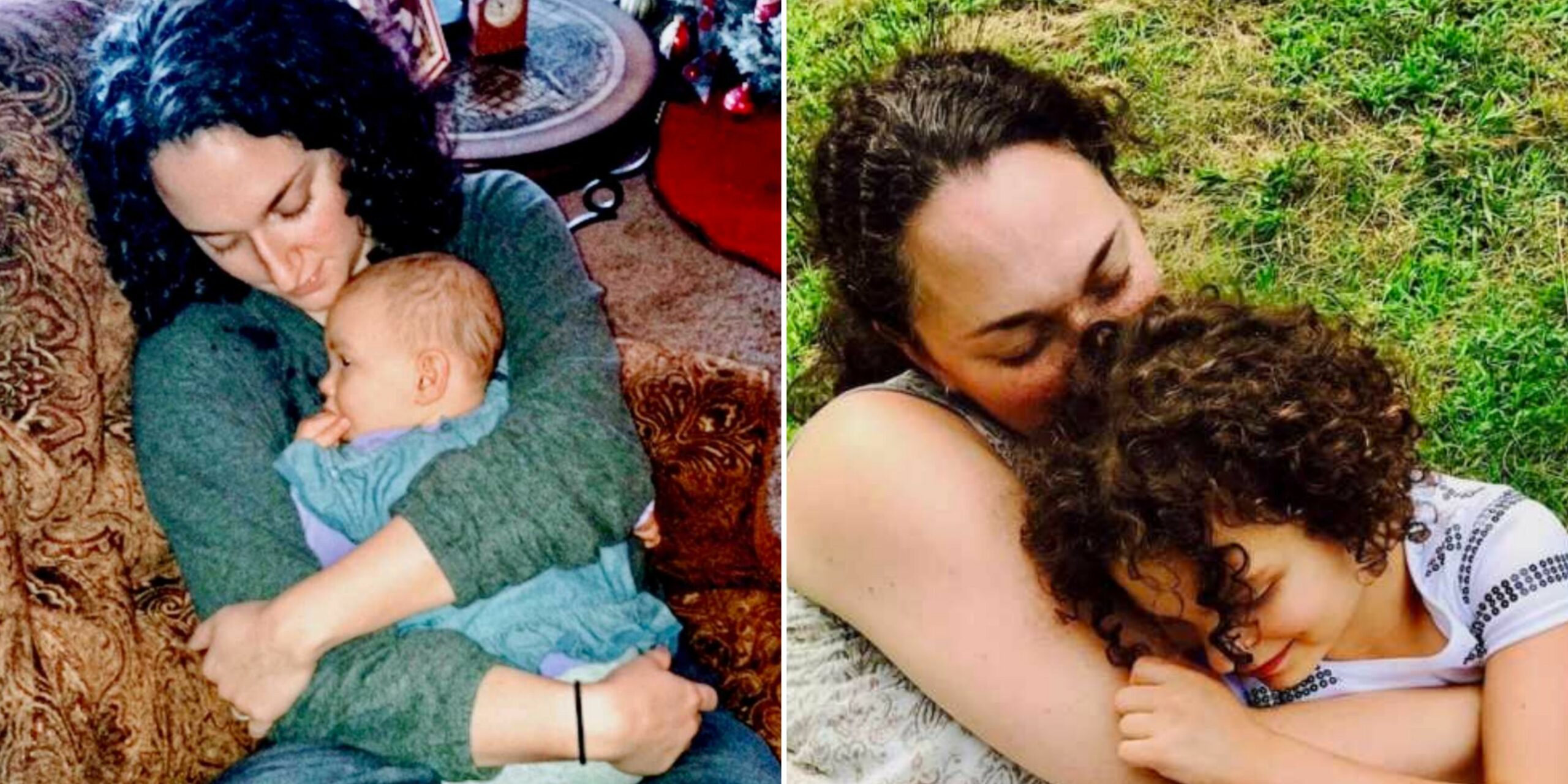
Cri du Chat. A new phrase in my vocabulary. In French, it means “Cry of the Cat.” In medical school, it’s a genetic disorder. In the doctor’s office, it becomes tests, therapy, appointments, and uncertainty. At my kitchen table, it became my daughter.
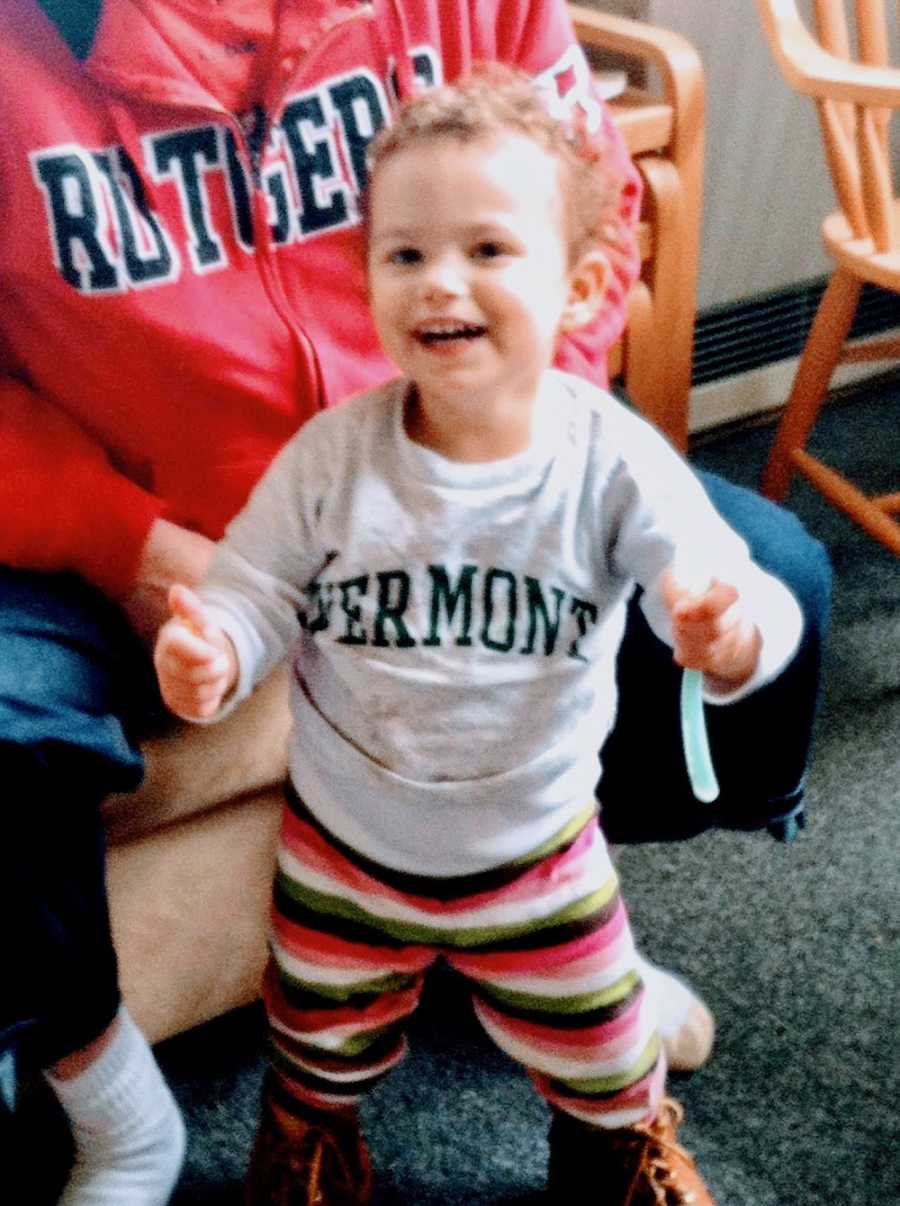
Suddenly, we had to find words in entirely new places. Words hid in her smiles, her dance moves, and the way she reached for our hands. They snuck in with a tiny “Mama” and a small “More.” They emerged in pointing, in listening, in just knowing. Each day, we waited, hoping for new words. Would she understand ours? Would she create her own?
And then the words became questions. Will she ask me where she left her shoes? Will she remind me to grab more milk at the grocery store? Will she yell across the soccer field when she’s excited—or frustrated? Will she ever care about where her thesis statement goes?
And I don’t know.
For the girl who was shaped by words, who now teaches them daily—the power of vocabulary, the subtlety of a term, the perfect synonym—turns out, maybe words aren’t everything. Maybe there is something far more powerful, something that doesn’t need a dictionary.
Pride and fear. Strength and temerity. Sadness and joy. Love and comfort. Being a mother, knowing how to communicate with your child when words may fail.
And when she finally creates the word for that—please, let me know.