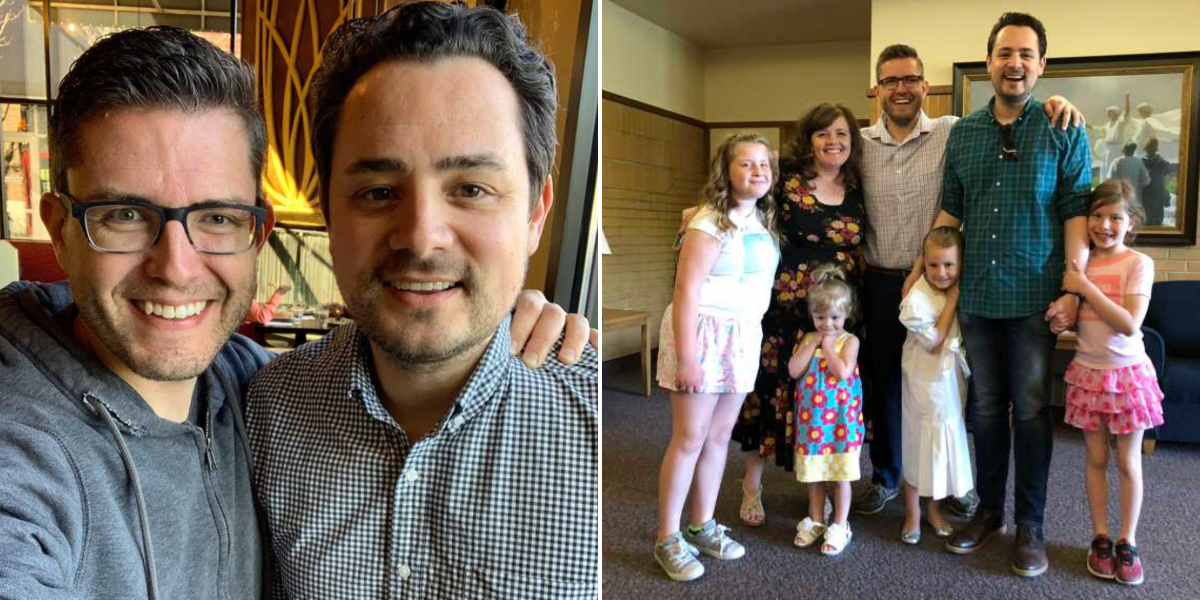
“I finally understand the gift you were giving me,” I whispered, tears spilling onto my phone’s video camera. I was recording a message to my ex-wife, Lolly, who was out of town. I planned to send it the next day, hoping she’d feel the depth of what I had realized. “Now that I’m falling in love with Carlos—truly falling in love with a man for the first time—I can finally see the full beauty of the love you’ve been trying to give me all these years. And it absolutely breaks my heart to see it so clearly. Thank you. Thank you. Thank you.”
It was, ironically, Lolly herself who helped me meet Carlos. On the day we decided—sobbing into each other’s arms—that our mis-matched marriage had become unbearably painful, she convinced me to create a dating profile. “Here, turn around,” she said, holding up her phone. “You have to let yourself start this process. I’ll take a picture of the back of your head, so no one will know it’s you.” She had good reason: as psychotherapists, neither of us wanted clients stumbling onto an online dating profile, and our community recognized us after a viral coming-out post years before.
I let her take the photo, feeling shell-shocked and drained from crying. I quickly typed an oblique bio, swiped a few times, and marveled at the possibility of dating someone I was actually attracted to. But soon the phone went down; exhaustion and heartbreak took over. That night, Lolly and I went to bed, aching over what we were losing. For Lolly, it was monumental—her person, the one she thought she could spend forever with. I hadn’t yet grasped the magnitude of that loss.
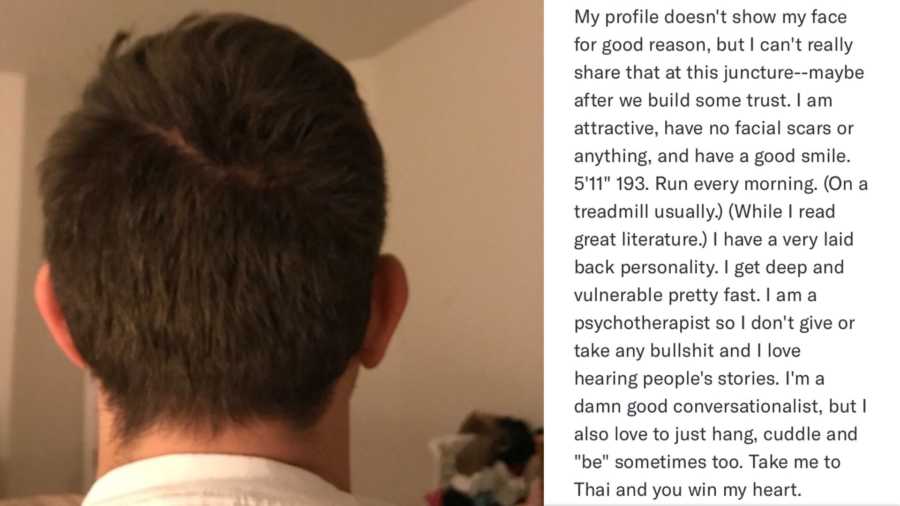
To our surprise, the mysterious back-of-the-head profile drew attention. Before long, I had a first date lined up. And here’s the thing: I was 37 years old, yet in dating and exploring my sexuality, I was barely thirteen. Growing up Mormon, I had been taught that my gayness was unacceptable, that to live “correctly” I had to reject it. I had never experienced a requited crush, held a man’s hand, or even had a first kiss. I had no frame of reference for the most basic aspects of romantic attraction.
“You have to do it,” Lolly and my best friend, Ben, urged after I waffled in terror. “It’s just lunch! You have to go on the date.” It had been only weeks since the split. I was terrified, and my heart ached for Lolly, who was losing so much. But their insistence won out.

My first date was with a kind man I’ll call Eliot. I hugged Lolly goodbye, her eyes brimming with hurt. “Good luck,” she whispered. My heart broke for her, yet I knew this was what she wanted for me. Eliot and I met at a Thai restaurant—the last line in my profile worked wonders. Driving there, listening to ’90s rock, I connected with my teenage self—the part of me long denied the most ordinary experiences of love and attraction. Half terrified, half exhilarated, I felt something awakening inside me, a long-suppressed part of my soul finally breathing.
The date with Eliot was wonderful. Conversation flowed; afterward, walking to Starbucks, he brushed his arm against mine, and I felt it—the electricity of mutual attraction for the first time. My mind reeled: this wasn’t just fun—it was essential. By the end of the day, as we hugged goodbye, I was in awe of the power of connection I had never experienced. Eliot lived far away, and we never saw each other again, but the thrill of that first date opened a world of possibility for me. Beneath it all, though, my heart ached for Lolly and the sacrifices she was making.
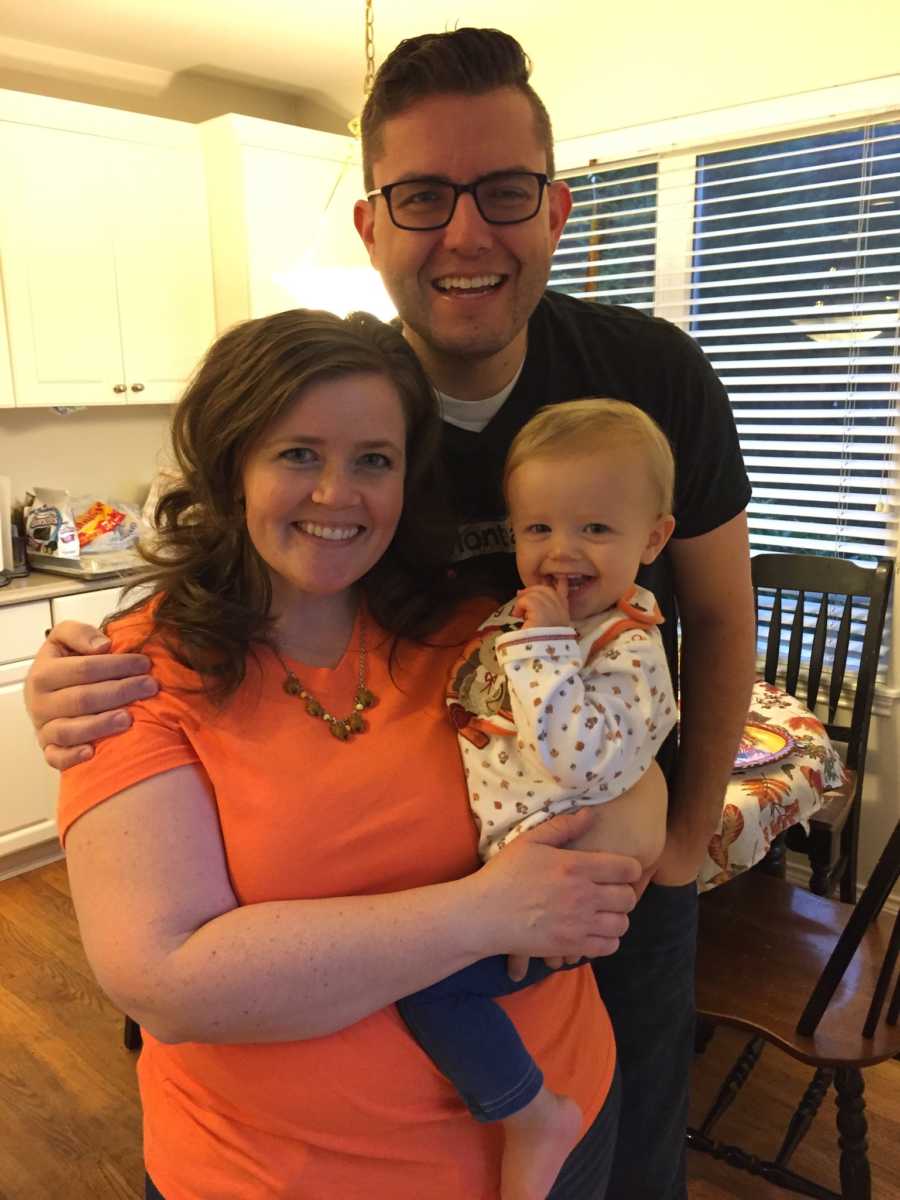
Over the next months, I cautiously explored dating, mostly in Portland, hours from Seattle. I wanted to remain grounded for my daughters and my career while respecting Lolly and processing our life shift. The experience taught me heartbreak and joy: the sting of unrequited interest, the rush of infatuation, the awakening of my emotional and physical capacity for attachment. I began to understand what love truly was—something I had observed but never fully known.
And then it happened. The big one. Carlos.
I still get goosebumps thinking about it. At 37, inexperienced and untested in the realm of romantic love, I found myself falling, head over heels. Carlos reached out on the same app where Lolly had snapped that back-of-the-head photo. Initially, I thought we weren’t compatible—jazz? camping? sports? No thanks. But as we talked, everything shifted. Something deep inside aligned. In mere weeks, I was falling in love with someone who was kind, thoughtful, and electrifyingly human.
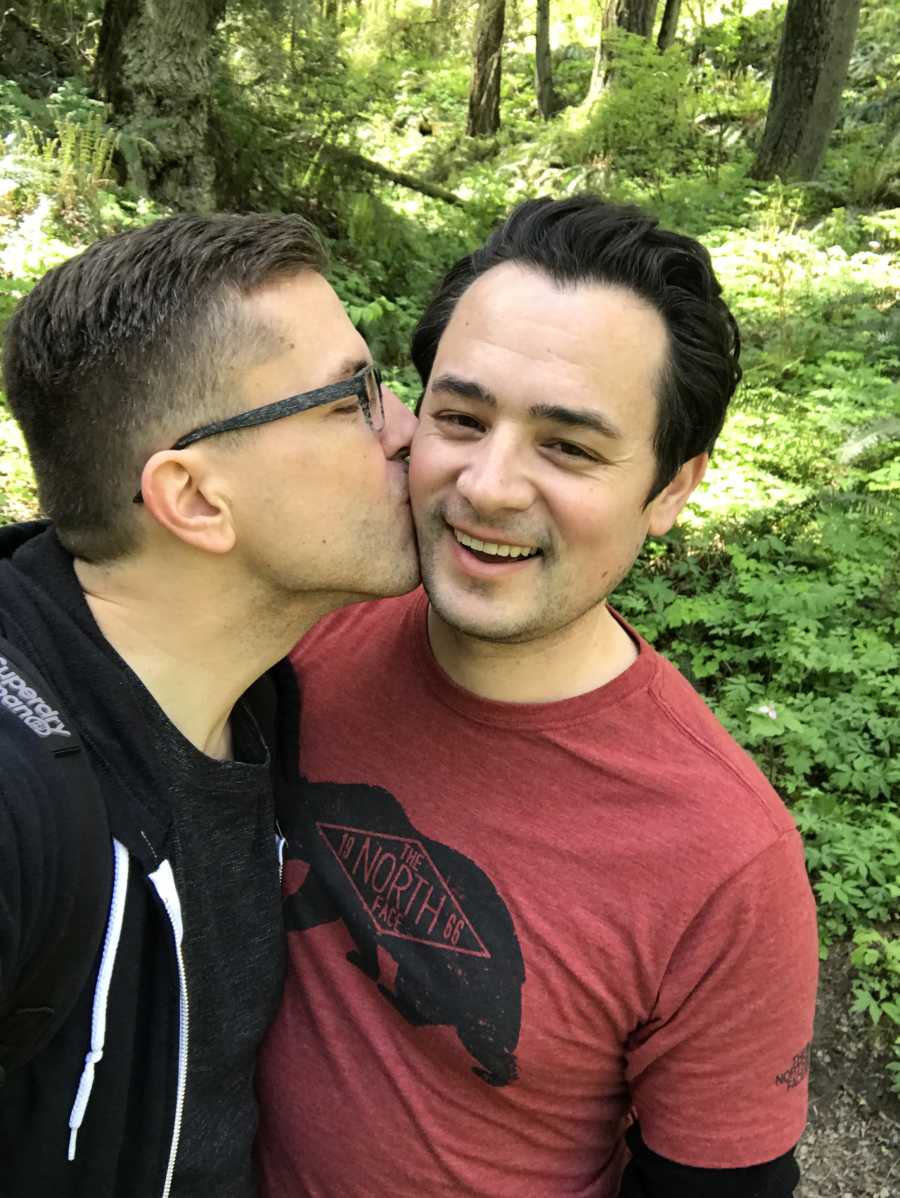
Our first date finally happened after a postponed meeting due to his cold. I drove three hours to Portland, and there he was, waiting in the parking lot, ready for Thai lunch. That day unfolded like a dream: hiking through lush forests, sharing tacos, reading in a café, sipping wine as the sun set. By night’s end, we both knew—without saying it aloud—that this was it. “Electric relaxation,” he called it, a perfect description of the vibe we shared. Driving home, I was smitten. I sensed, deep down, he might be the one.
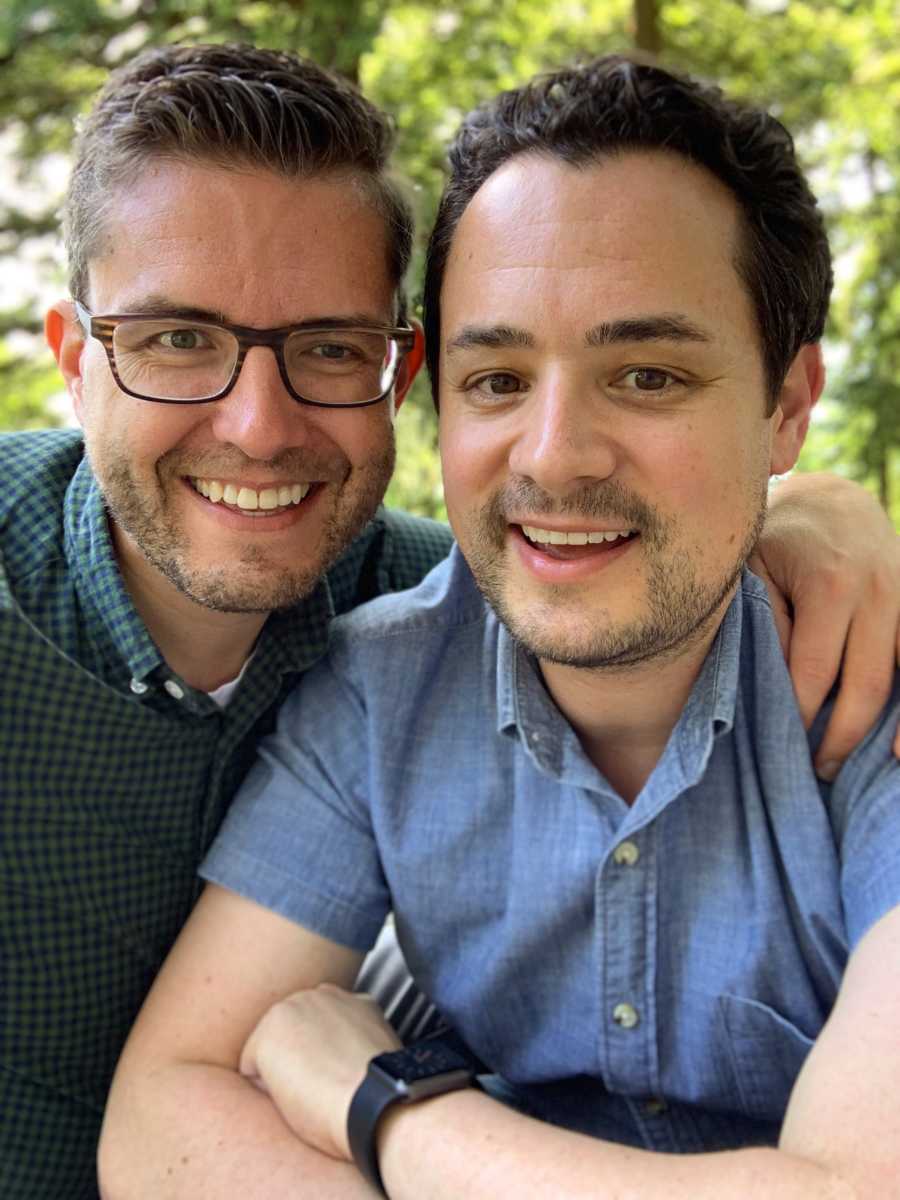
We took things slowly, despite the distance. Each passing month deepened my understanding of love: its contours, its joy, its transformative power. It healed old wounds, nourished neglected parts of my soul, and taught me how profoundly love can change a person.
And then, in a moment under the hot shower, clarity struck: this was the gift Lolly had been offering me for sixteen years. And this was the loss she endured in letting me go. I understood, for the first time, what she had given me—the tender, patient, unrequited love I could never return as a husband, and the heartbreak it cost her. My heart shattered for her, for what our marriage had demanded of her, and for the love she had faithfully offered me all those years.
I recorded a message and wrote an email that night, trying to convey my gratitude and heartbreak:
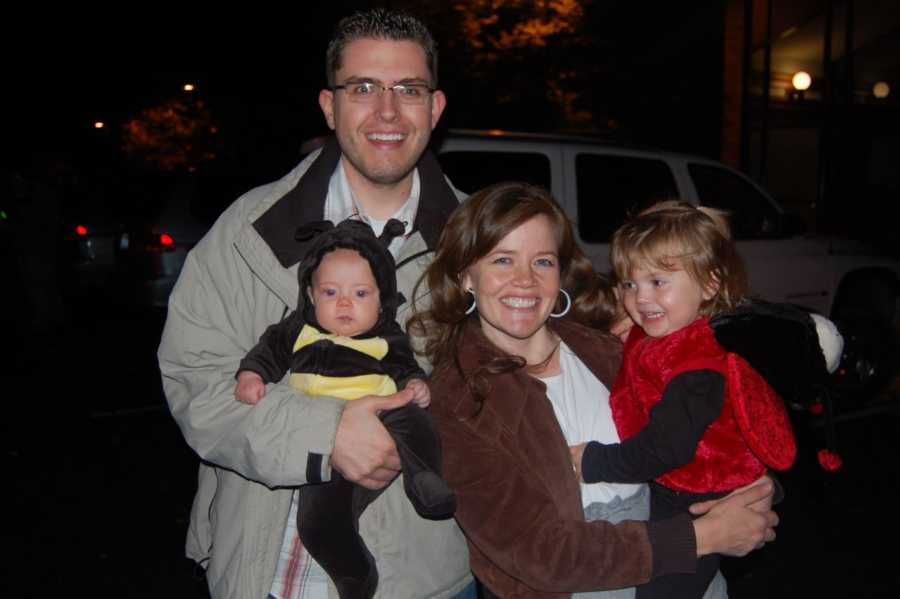
“I am heartbroken that now you are being asked to take this sacred, years-long love and shatter it. I feel stupid for not knowing sooner—but I do now. Lolly, I cherish the love you gave me. I relinquish it with all my heart. I will always grieve what we thought we could have. I love you. Thank you for your gift. Take it gently, knowing one day it will be returned to you in kind.”
Feeling love myself had taught me grief in equal measure. I saw both the sweetness of connection and the immense cost of letting go.
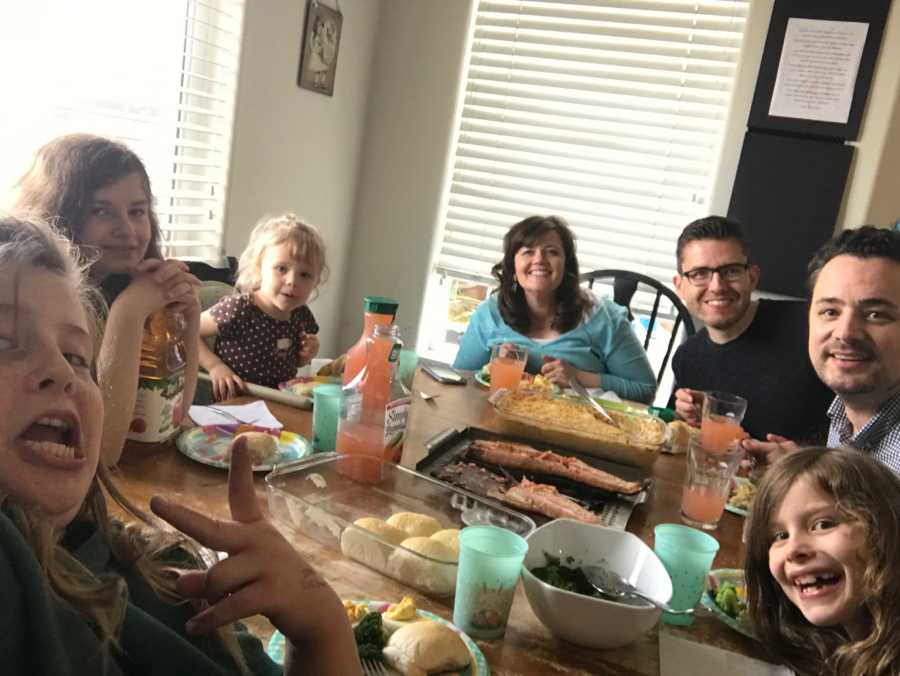
Yet this story does not end in sorrow. Lolly and I continue to co-parent our four daughters and run our psychotherapy practice together, cherishing the bond that endures beyond romance. Carlos and I have been deeply in love for nearly two years, becoming a central part of our family. My daughters adore him, and he will eventually move in permanently.
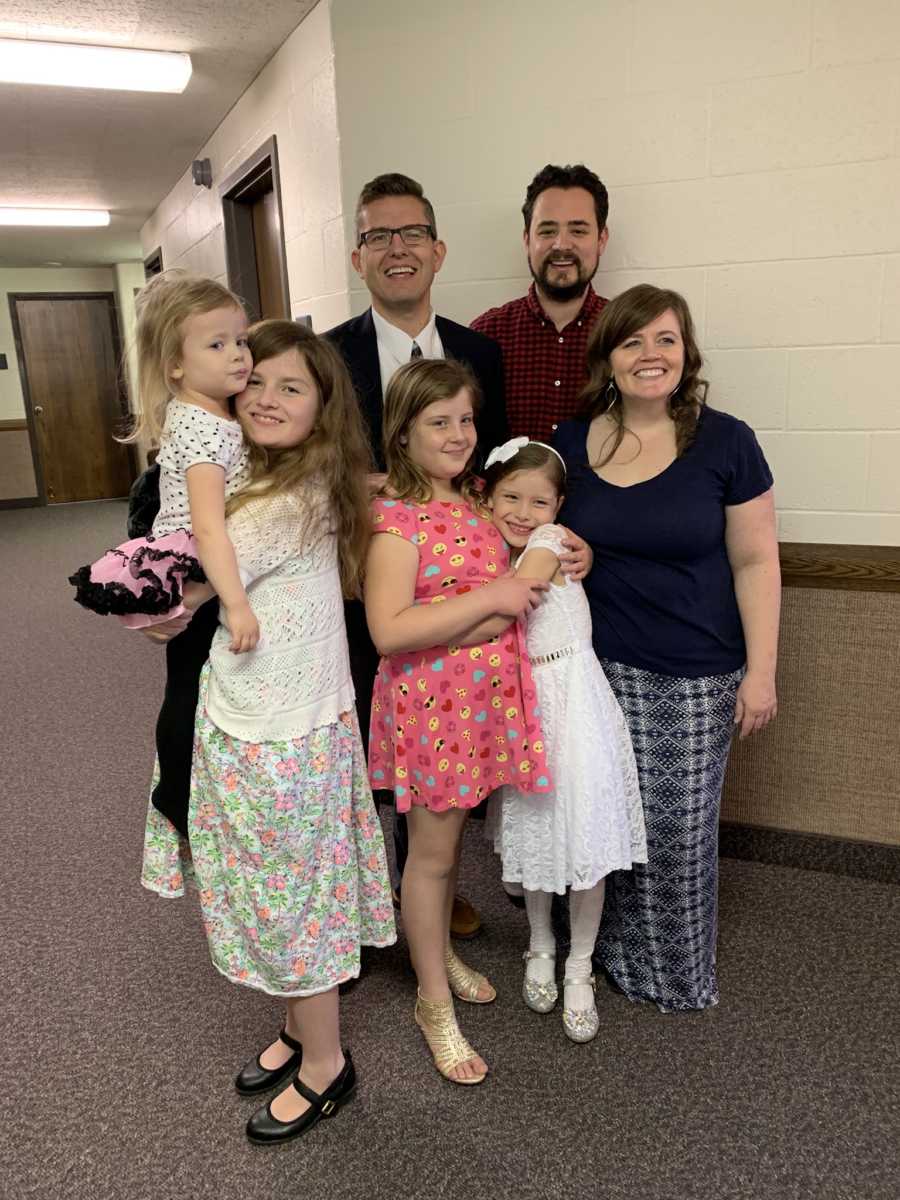
Most wonderfully, Lolly herself has now found love again, a man who can return her heart fully. Watching her radiate joy is a treasure beyond words. One day, our blended family hopes to share a home together, full of laughter, love, and acceptance—a family bound not by circumstance, but by unconditional love.
This, I now know, is the truest gift of love: giving it freely, letting it go when necessary, and embracing its power to transform and heal all who are touched by it.”