“You don’t need to have a partner to have a baby,” my Mom said to me during a family vacation in Florida. I remember laughing it off at the time—I was 26, still young, and fully convinced I’d have time to fall in love, get married, and build a family the way I had always imagined. But looking back, that simple sentence planted a seed. It was the first time I seriously considered the idea of becoming a single parent by choice. That day, my mom gave me a gift that would shape my future: she opened my eyes to the fact that motherhood could look different than the traditional path I had always pictured.
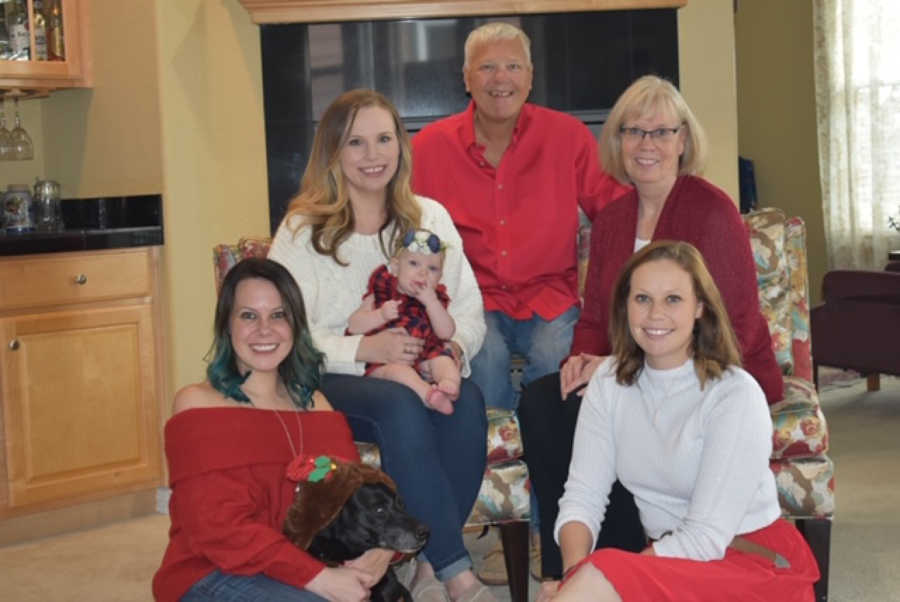
My family often tells the story of when my sister Emily was born. I was four years old, over the moon with excitement, and I proudly carried her around the hospital, announcing to anyone who would listen, “Look at my baby!” From that moment, it was clear to everyone that I was meant to be a parent. Growing up, I always knew I would have children—it was never a question of “if,” only “when.” As a teenager, I happily babysat my three younger siblings and neighborhood kids, and by 16, I had my first job at a daycare. I continued working with children throughout college and eventually built a career as a therapist, helping kids and families grow. My life’s purpose was always tied to nurturing little humans, and I never imagined that my dream family might require a different path than I had envisioned.
Over the years, I focused on building a stable life. I worked hard, advanced in my career, bought a house, and saved as much as I could. And then, one day, I took a leap that would change everything: I scheduled an appointment with a reproductive endocrinologist.
Walking into that office, I felt a mix of excitement and fear. “Am I really doing this? Am I really going to have a baby on my own?” I asked myself. After a series of tests, my doctor shared that my egg count was lower than expected. “It’s a good thing you’re starting this process now,” she said. I walked out with a folder of next steps and a whirlwind of emotions swirling through me. It was now or never. I couldn’t risk waiting any longer—if I didn’t act, I might never have a child, and that would be a regret I could never undo. That very night, I started the process of choosing the other half of my child’s genetic makeup.
Selecting a sperm donor felt strangely like online dating—endless profiles, each seemingly better than the last. Then I found donor 9994. His childhood photos showed the sweetest smile and bright blue eyes, and my gut told me he was the one. I pressed the “purchase” button, took a deep breath, and began the next chapter. Two weeks later, my first pregnancy test came back positive, and I was overjoyed. That joy, however, was short-lived. Just days later, I received the news every aspiring parent dreads: “This pregnancy isn’t viable.” I couldn’t get out of bed that day. I was heartbroken—a pain that still surfaces whenever I think of that loss.
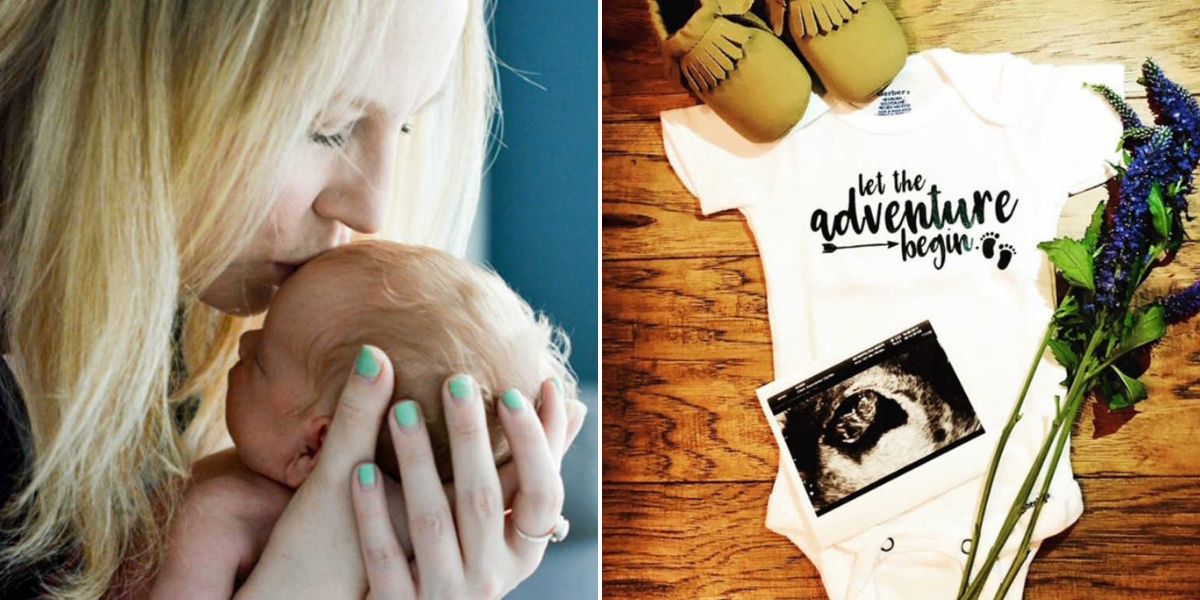
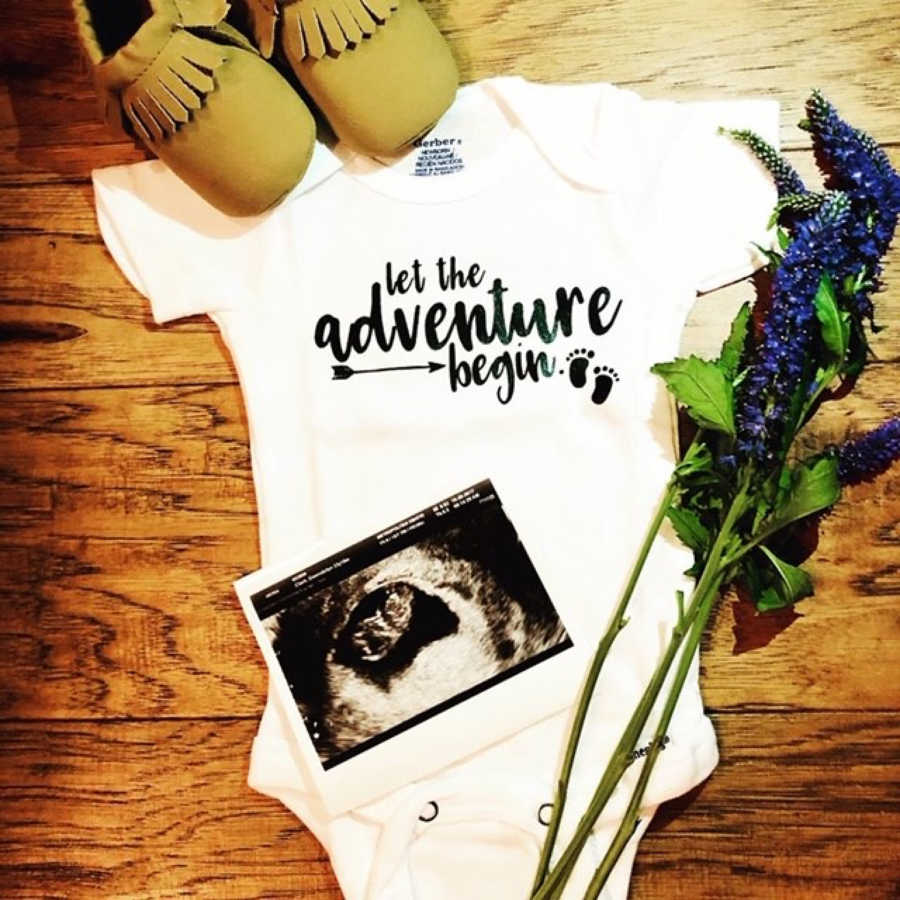
I tried again, hesitant but hopeful. To my surprise, the second attempt worked—I was pregnant. I cautiously celebrated, unwilling to let myself get too excited. A few weeks later, during my first ultrasound with my sister Lee by my side, I saw my baby for the first time. The relief and joy were overwhelming, but I also felt an unexpected sadness: I wasn’t sharing this miracle with a partner. It was a strange mix of elation and mourning, but as I shared the news with friends, family, and eventually social media, I discovered an outpouring of support. My tiny human was already surrounded by love. I realized that while there may not be a second parent, we had an entire village rooting for us.
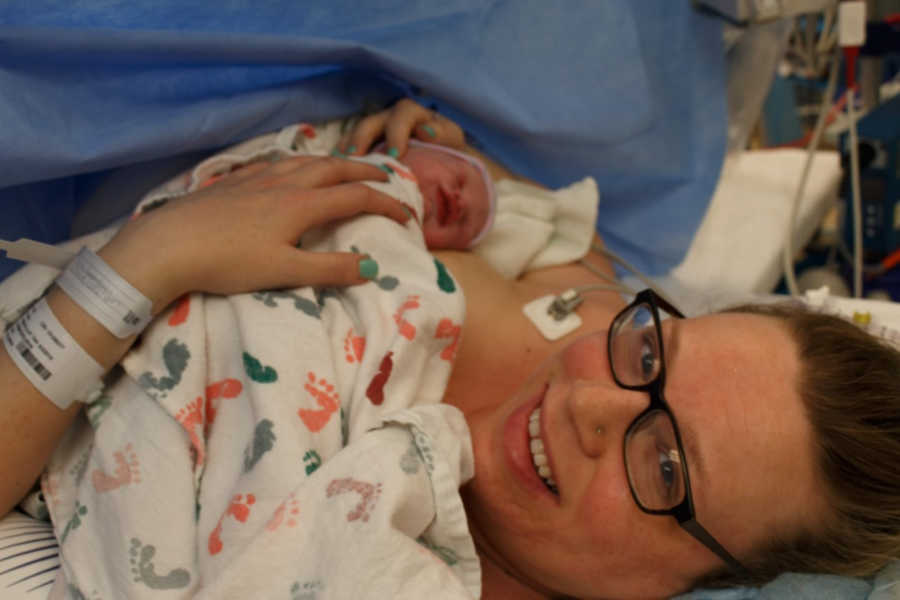
Pregnancy was far from easy. I didn’t enjoy it—in fact, I hated it. I battled relentless morning sickness and gestational diabetes. At 36 weeks, my blood pressure spiked, and I was told I would need to be induced immediately. After days of labor, the doctor said, “You can keep trying to push, but the safest option is a C-section.” I agreed without hesitation; I just wanted my baby safe.
And then she arrived—screaming, perfect, and so alive. They placed her on my chest, and she immediately stopped crying. In that moment, we both knew we were home. I held my dream come true, and it felt like every sacrifice, every struggle, had been worth it.
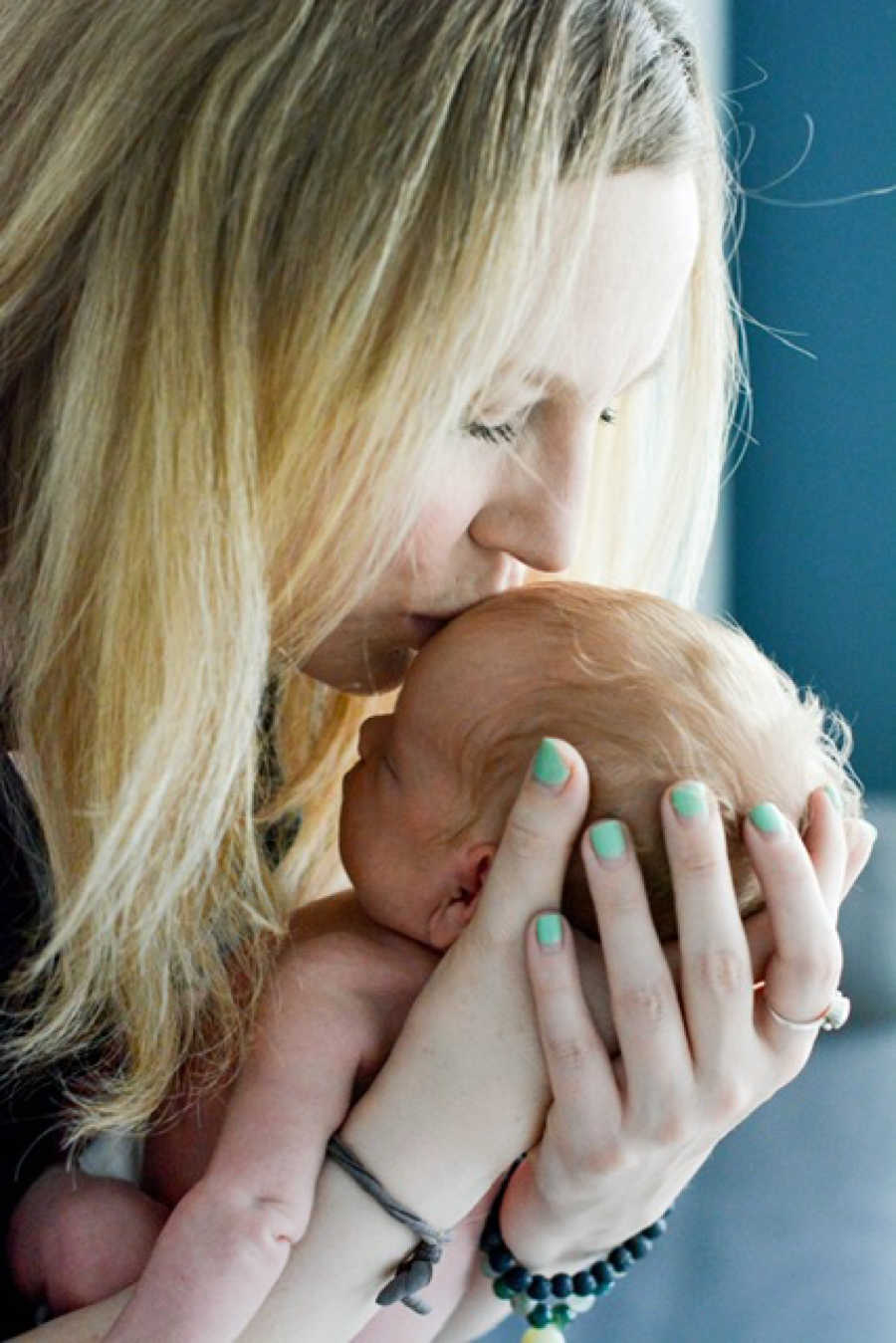
Our first day home brought another scare. During a lactation session, my blood pressure soared again, and suddenly I was in a whirlwind of IV medications and fear of a stroke. In the middle of the chaos, I looked at my daughter and cried. I couldn’t even feed her, and I felt like I had failed before I’d even begun. But then I realized she didn’t care about my struggles—she only needed to be held. I whispered to her, “You and me, kid. We’re a team now, and we’re going to get through this together.”
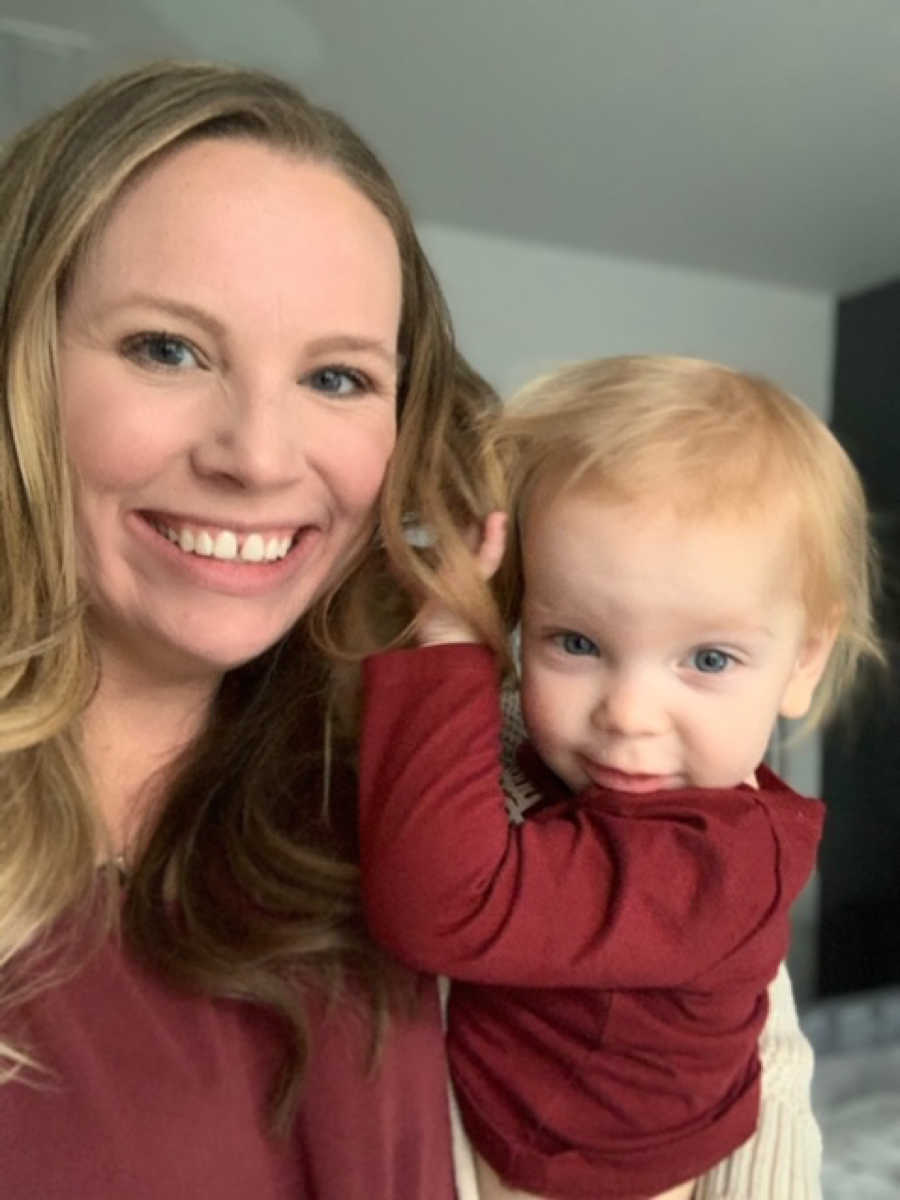
Single parenthood has been challenging, no doubt. The nights of endless crying, the exhaustion of exclusive pumping, and the stomach bug that left me bedridden all made me long for a second caregiver. But those moments are rare. The rewards far outweigh the struggles. I get to parent Harper exactly as I want to. I get twice the hugs, twice the love, and the joy of witnessing her first word, first smile, first steps—all on my terms.
While my story isn’t what I had originally planned, I know it’s exactly how life was meant to unfold. Harper has transformed my life in ways I never imagined. Being her mom has shown me a love so profound it’s impossible to describe. She is my home, my heart, and my greatest adventure. And for that, I am endlessly grateful.