I never had a single, dramatic “rock bottom” moment. I didn’t wake up in a jail cell, I didn’t lose my child, I never got a DUI, didn’t get into a fight, and I never truly hurt myself—though looking back, I could have. Something was building inside me, quietly but dangerously. If I hadn’t addressed it, I am certain I would have eventually faced one of those classic rock-bottom moments.

From a very young age, I was taught that drinking was the key to being fun, cool, popular, and attractive. If you didn’t drink, you were boring, weird, or invisible. That lesson stuck. The first time I got completely paralytic, I was 15. At a house party, a woman gave us a vodka dispenser. I made a Fanta-orange-and-vodka mix and instantly felt the warm burn of alcohol and the sudden confidence that came with it. I blacked out. I woke up on the street, screaming at my mother that she wasn’t my mom. My peers thought it was hilarious. They called me a legend, “so much more fun drunk than sober.” And just like that, I learned the dangerous lesson that to be liked, I had to drink.

The next decade blurred into a haze of dangerous drinking. Pre-drinking for me meant entire bottles of vodka before going out, while everyone else sipped wine or beer. Nights out became blackouts, waking up in my own vomit, the club a forgotten memory. At 20, I was at university, and no one ever told me that behavior was concerning—it was simply normal. Some nights went particularly bad. On a university trip to Leeds, I drank a bottle of vodka before going out. I can’t recall a thing, but I do remember throwing my brand-new £80 coat in the bin because it was ruined with vomit, and wandering around the city in February with no jacket.
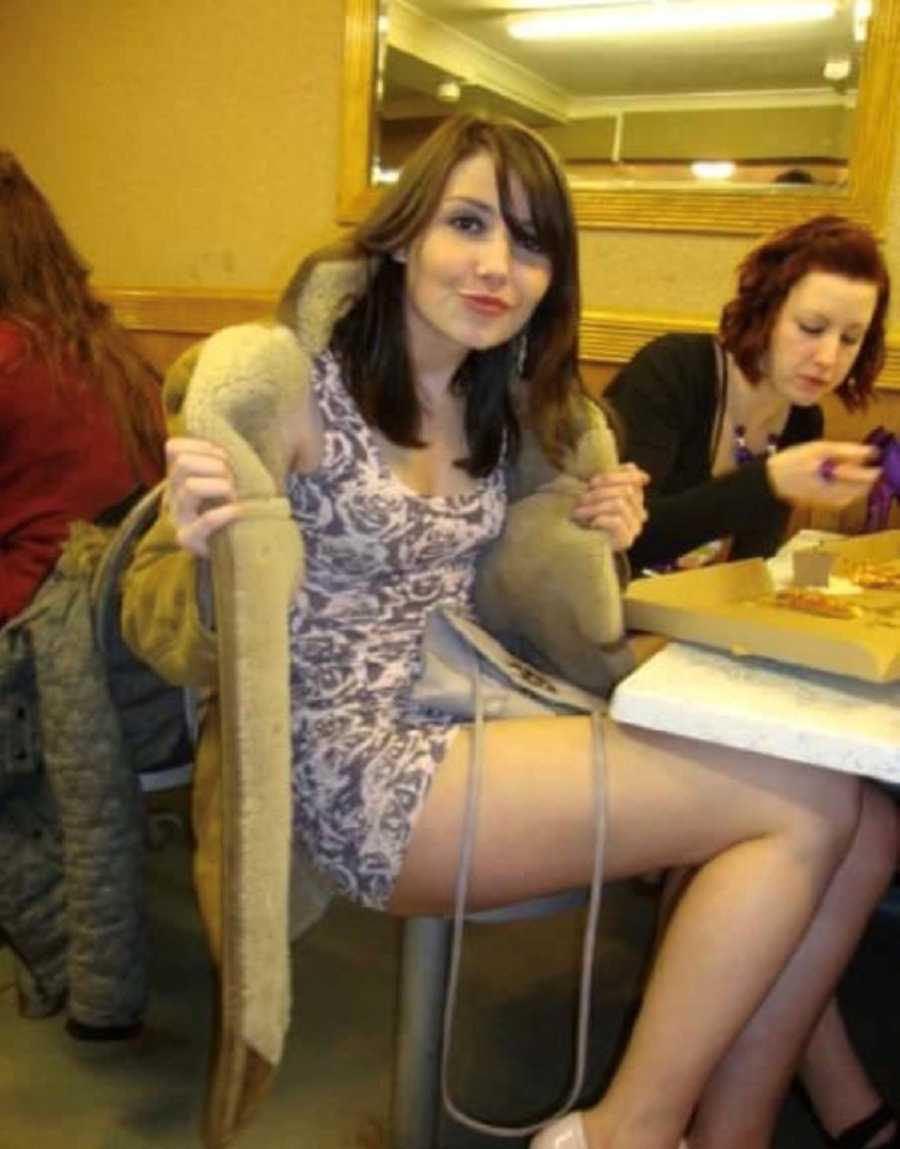
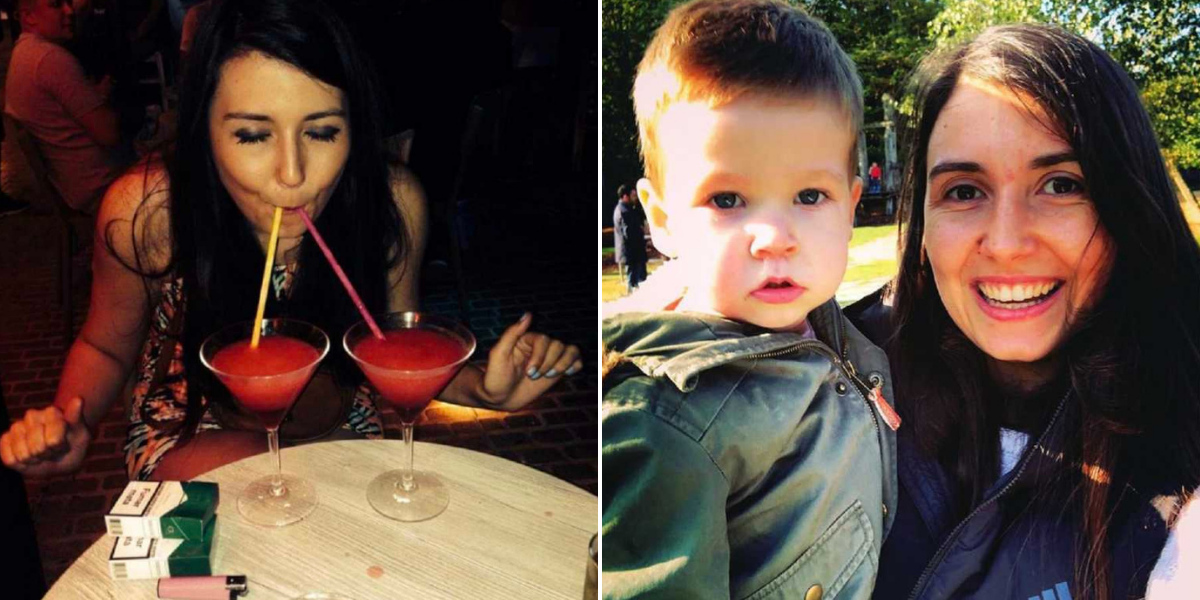
Drugs entered the picture in my early 20s. Living in Bristol, partying was pervasive, and peer pressure was immense. The shy, timid 15-year-old I had been was gone. She was replaced by a loud, brash, arrogant party girl who drank nearly every day and partied every weekend. There were moments of terrifying risk. One night, I went to an after-party with eight or ten men I had only just met. Looking back, I can only thank luck that nothing worse happened.
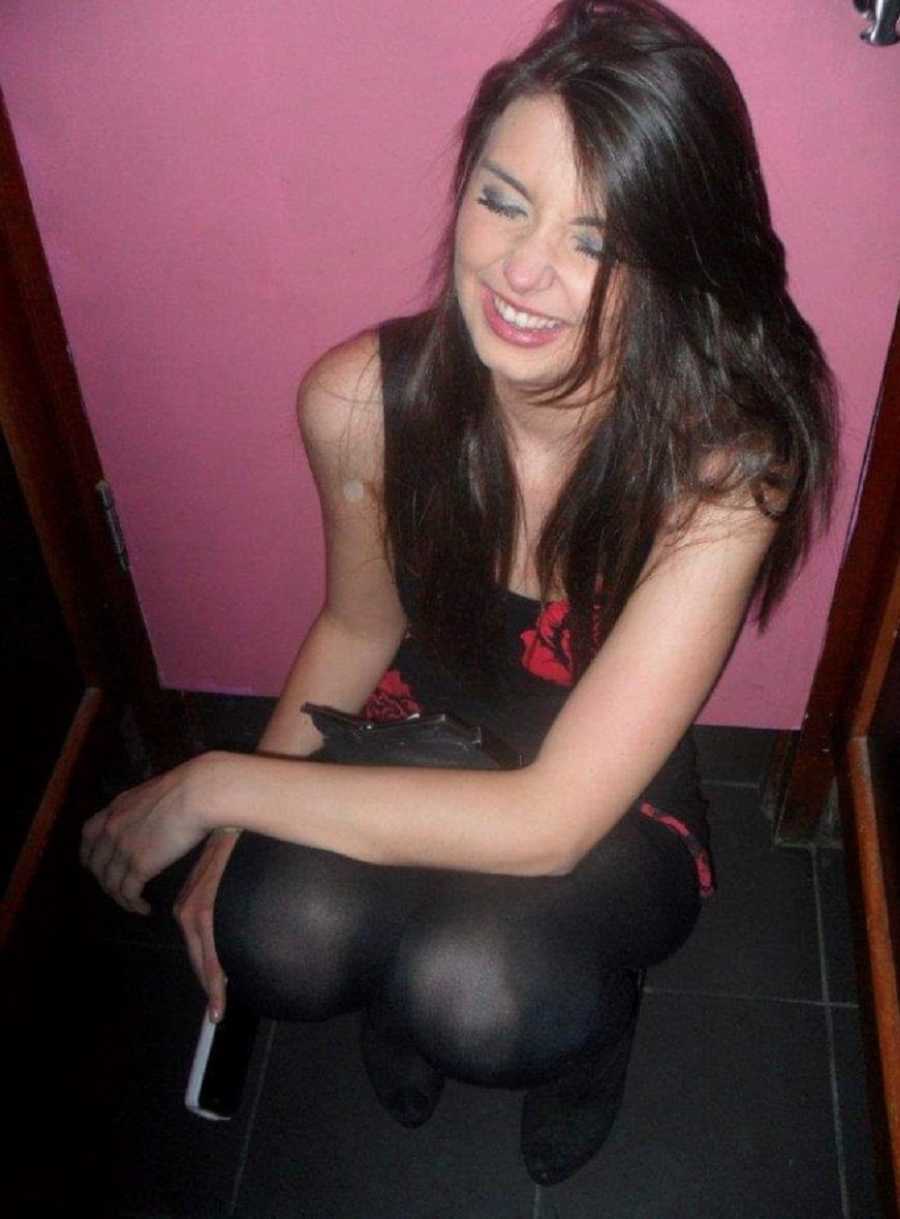
By my mid-20s, I had a sales job with a “work hard, play hard” culture—imagine Wolf of Wall Street. Weekly drinking, mid-week beers, office happy hours, and then Saturday nights out. I earned a decent commission but was constantly broke, relying on my parents for basics. I never considered that partying less might help me save money; I thought everyone my age was just as broke. My skin was deteriorating from stress, allergies, and heavy drinking—eczema, athlete’s foot, peeling hands, legs, and feet—yet I ignored it.
At 26, I met my fiancé. He barely drank, never tried drugs, and for the first time since 14, I glimpsed a world where fun didn’t require alcohol. But my habits were ingrained. I broke up with him, telling him he was boring and controlling, not realizing he was only trying to guide me to a healthier version of myself. I spent the next eight weeks spiraling: binge drinking, blackouts, drug use, and financial chaos, thinking this “fun” version of myself was my true identity.
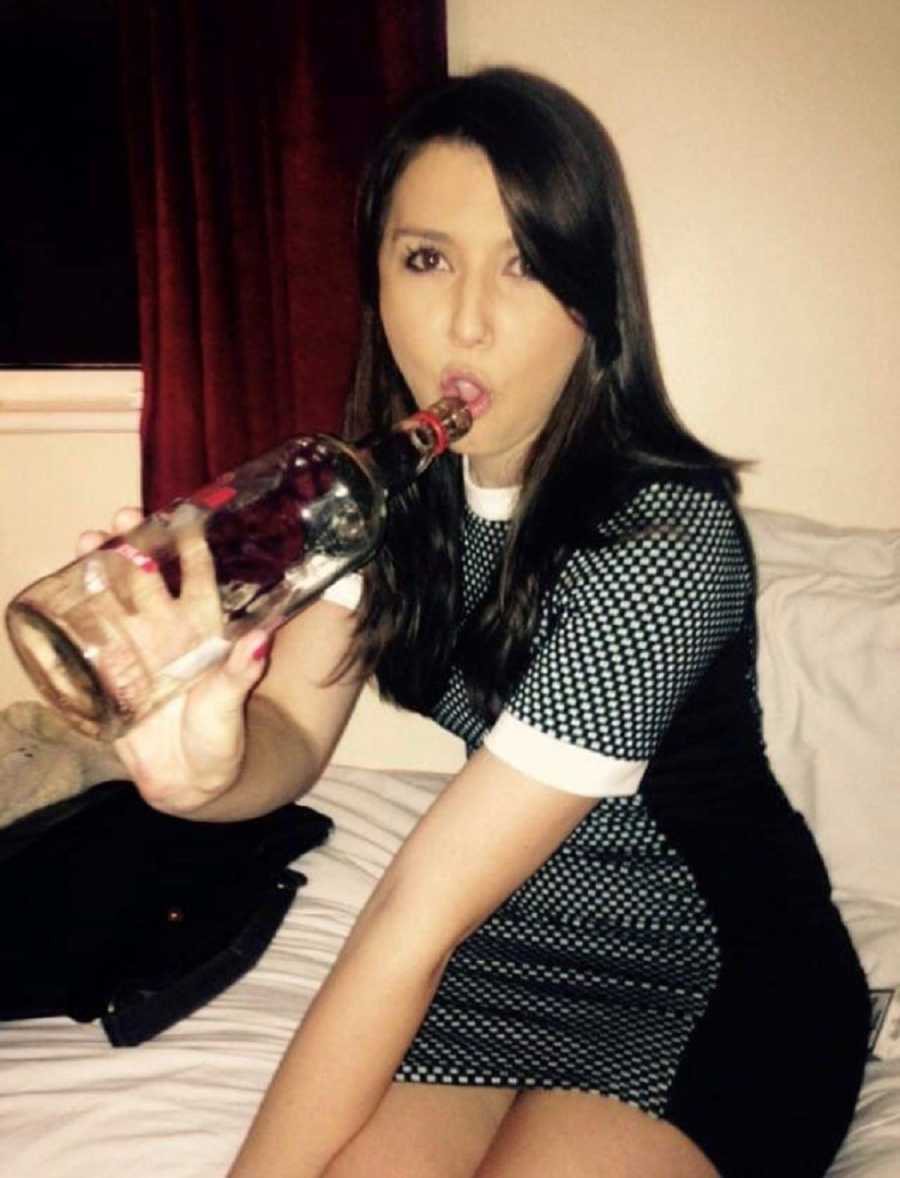
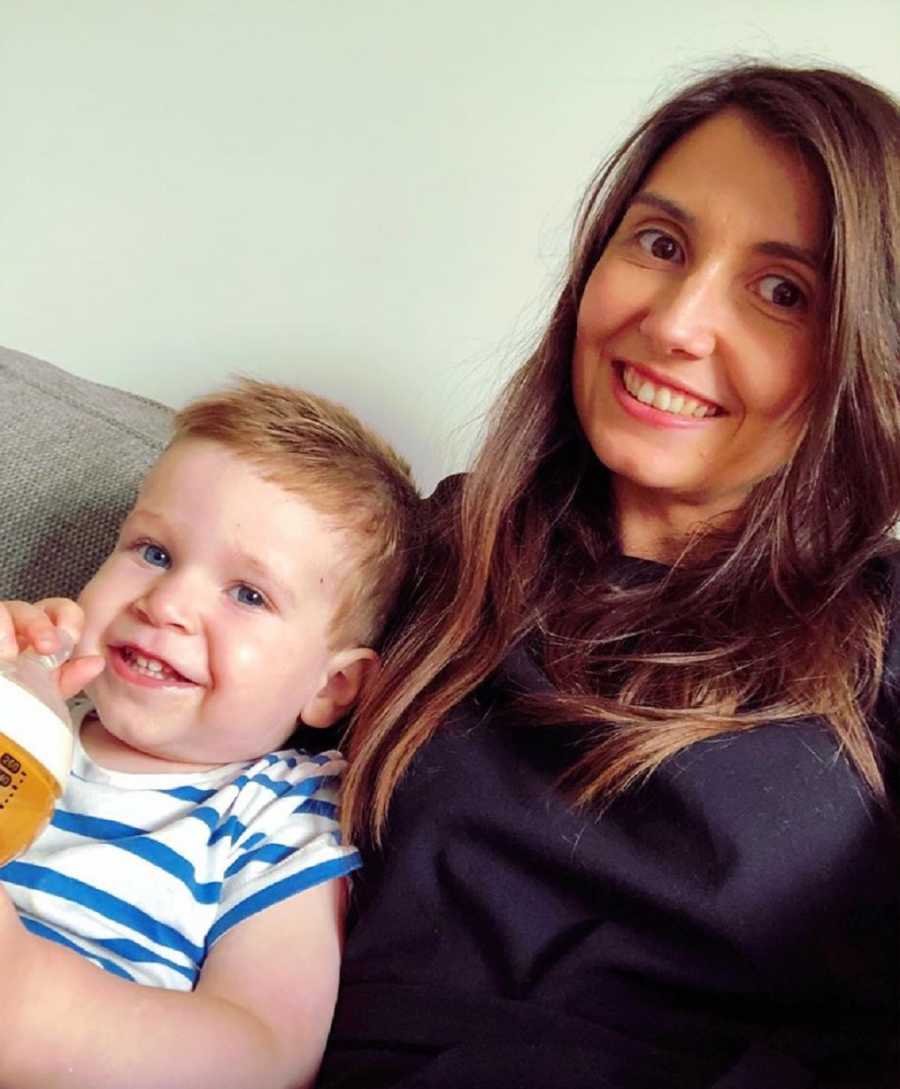
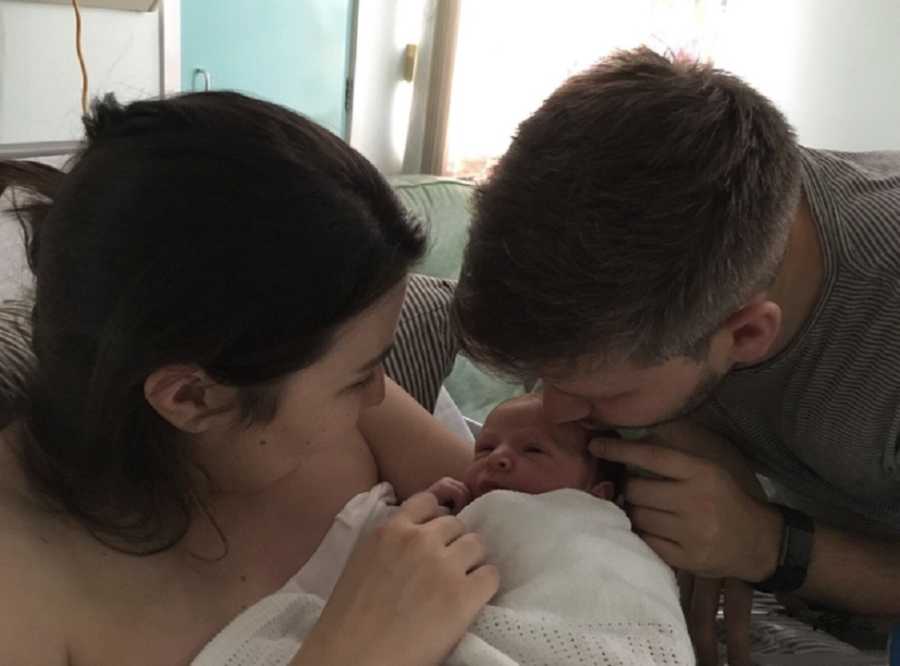
Eventually, therapy and reflection led me back to him, and soon after, I became pregnant. That pregnancy—my greatest blessing—forced me to scale back alcohol and quit cigarettes. I begrudged it at first, jealous of everyone drinking at weddings and events, but slowly my body adapted. For the first time in 13 years, I experienced months without regular drinking and the peace it brought.
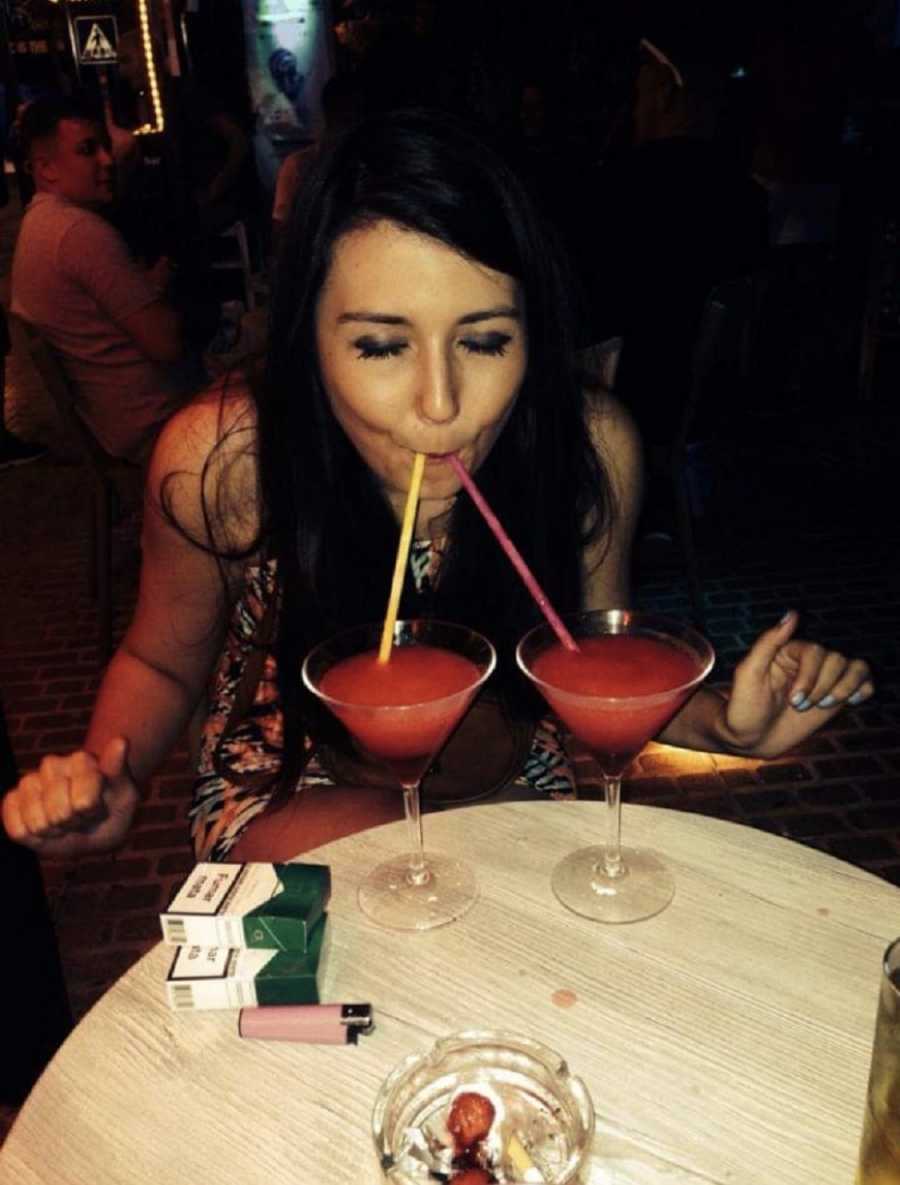
In November 2017, I gave birth via emergency C-section. The experience was traumatic, but the real challenge began postpartum. Wine o’clock became a regular ritual, and soon I was counting the hours to unwind. My drinking evolved into what I called “grown-up drinking,” but migraines, anxiety, and guilt crept in. The pivotal moment came at my fiancé’s best friend’s wedding: I blacked out completely, cut my foot, swore during speeches, vomited, and spent the day in crushing guilt. Then came another disastrous day at the races, sneaking vodka in my pockets, drinking by myself, and ending in vomiting, spending excessive money, and a full-blown anxiety attack. That’s when I googled “I am scared of my drinking” and “am I an alcoholic.” For the first time, I confronted the truth: I could not drink responsibly.
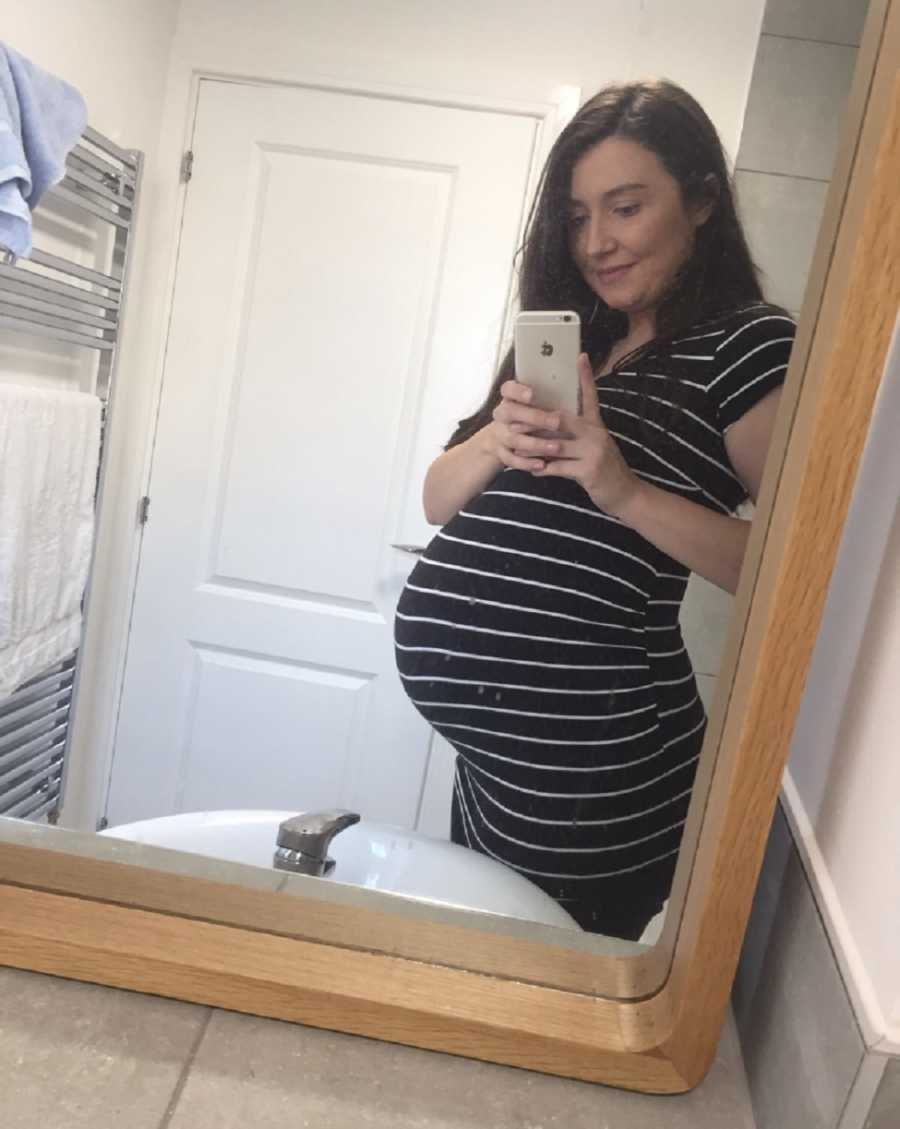
I began my journey to sobriety, joining sober communities, journaling, and sharing my goals with my partner and close friends. It was not smooth. Two months, then four months of sobriety ended in relapses. But now, I am proud to say, I have reached day 225 of continuous sobriety—nearly 18 months of commitment, persistence, and self-discovery.
Sobriety has changed everything. Anxiety and depression have nearly vanished. I’ve rediscovered who I was before alcohol took control. I read voraciously, enjoy calm days, and experience life fully without the constant cloud of hangovers or blackouts. If your drinking is causing you problems, it’s time to stop. Alcohol does not make life fun, ease stress, or solve problems—it hides them. Sobriety brings clarity, peace, and the chance to unlock the best version of yourself.
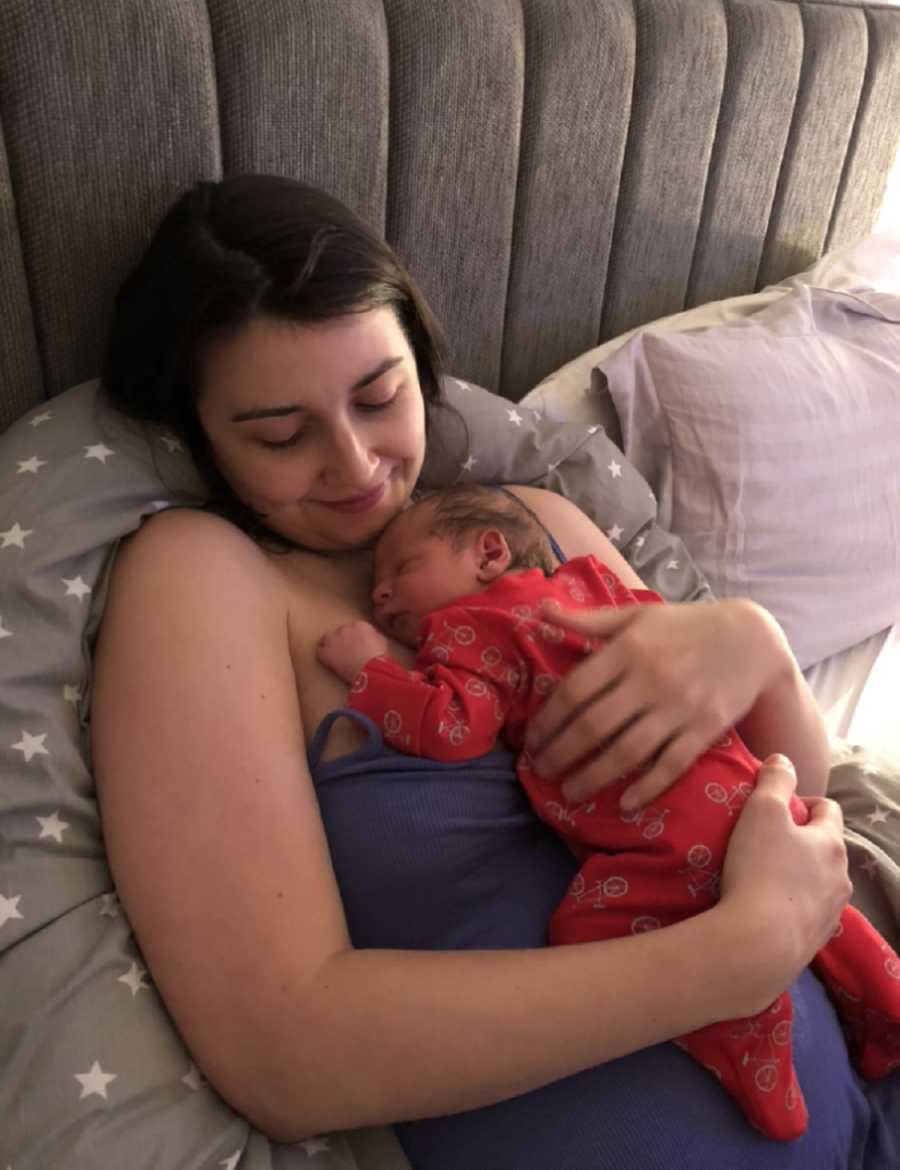
If there’s one takeaway I hope people remember from my story, it’s this: alcohol is lying to you. True joy, connection, and fulfillment do not require a drink. Stop using it to escape, confront the real issues, and embrace the life waiting for you on the other side. Sobriety is hard, but it’s worth it—more than I could have ever imagined.